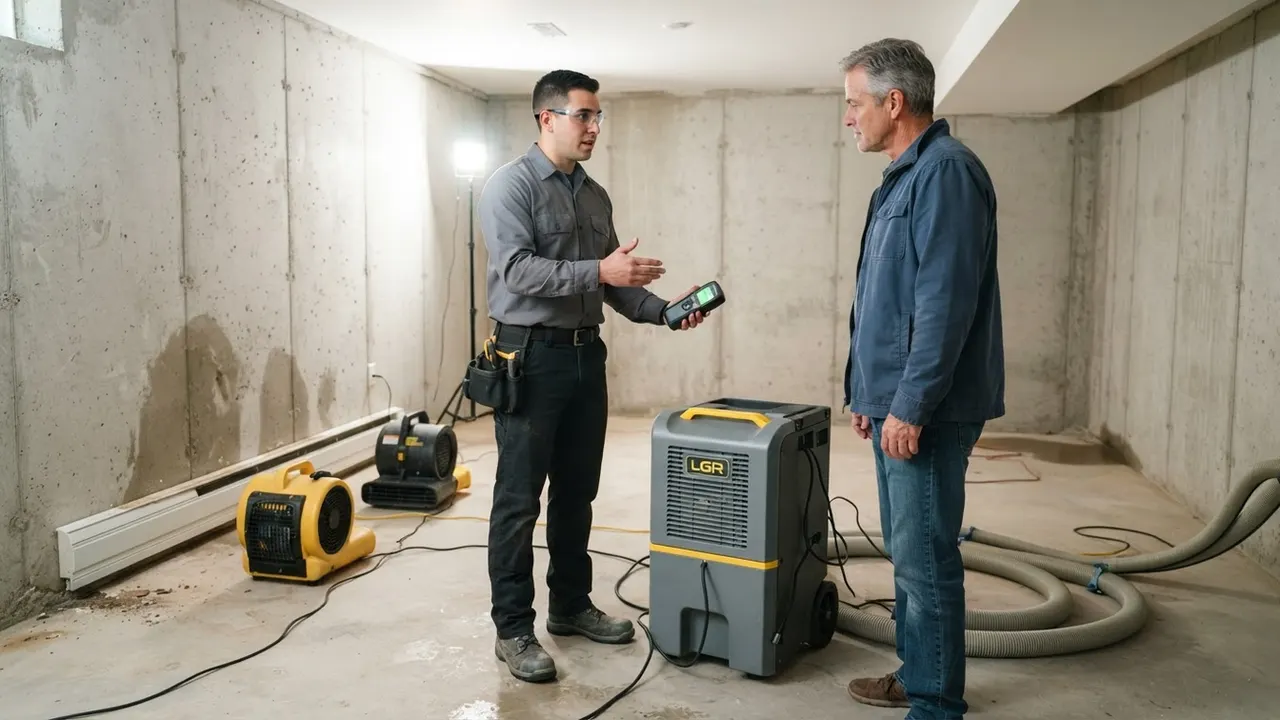
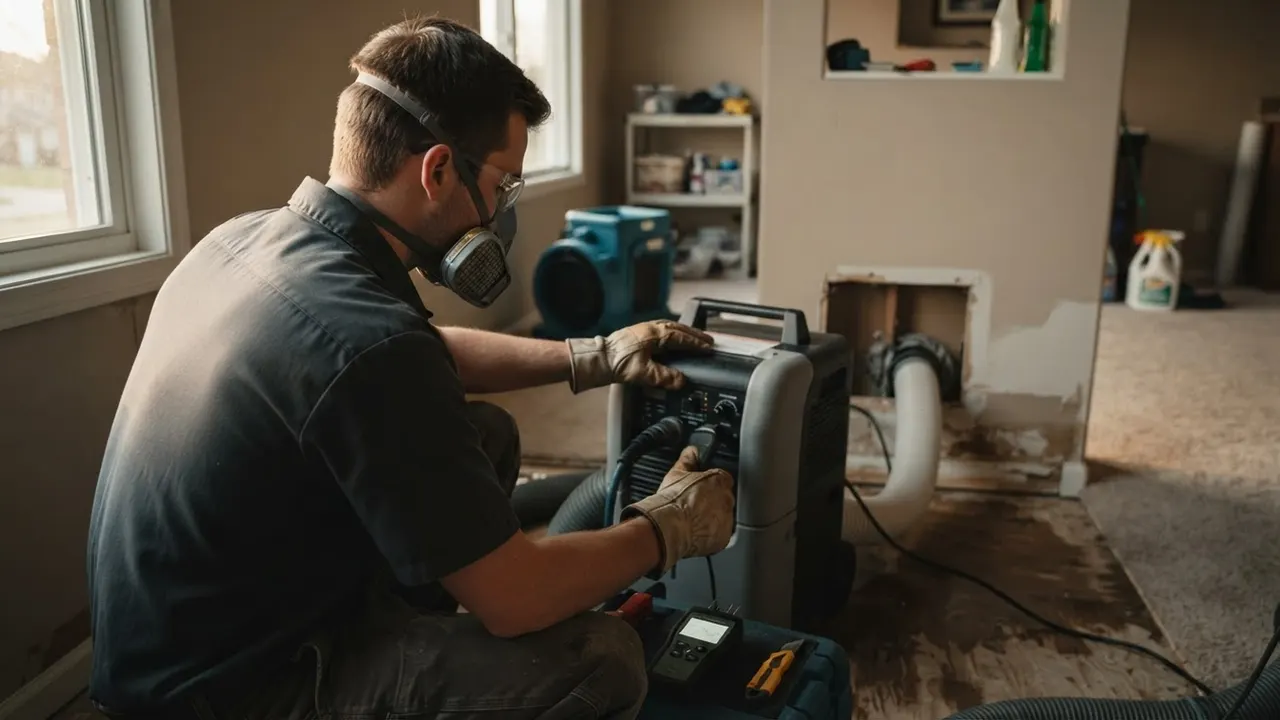
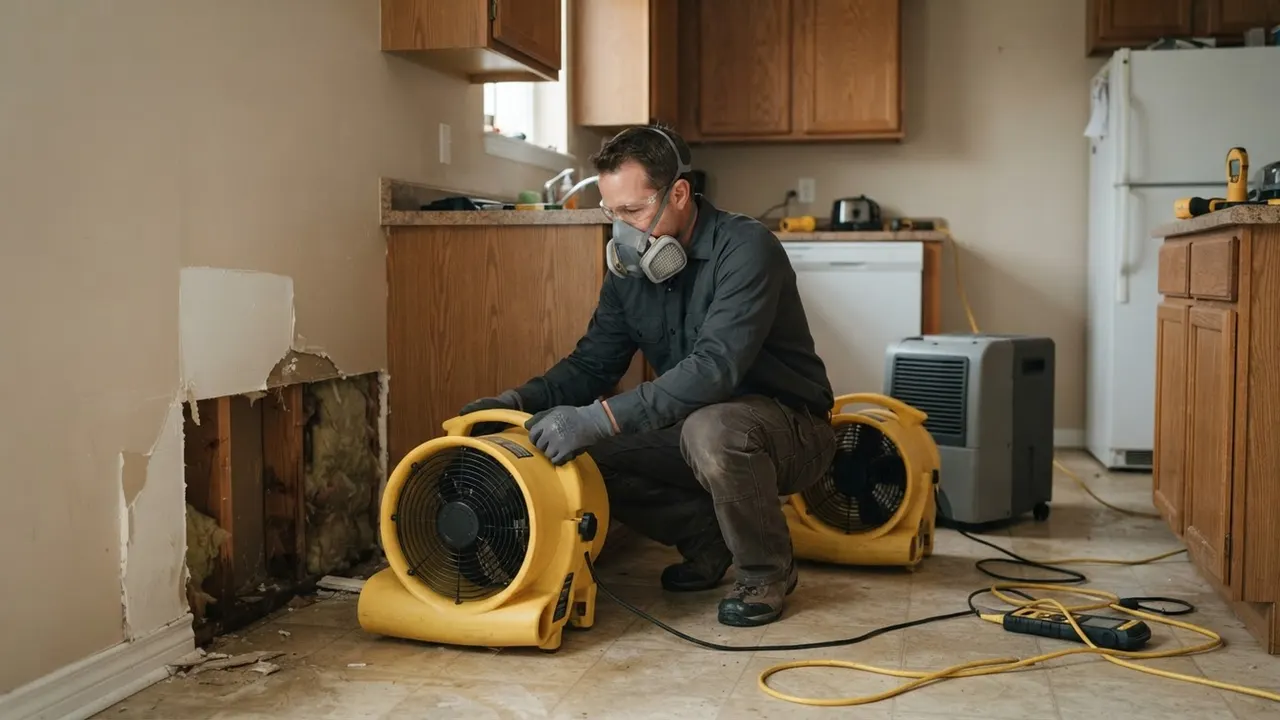
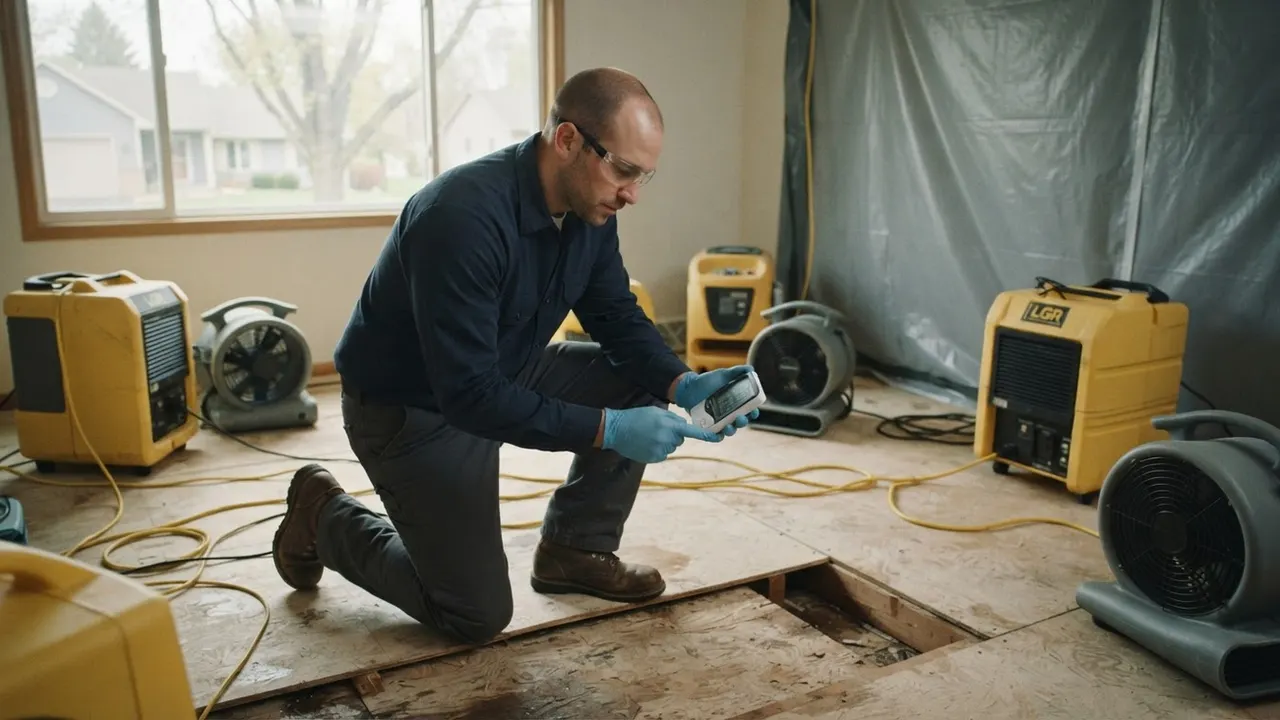
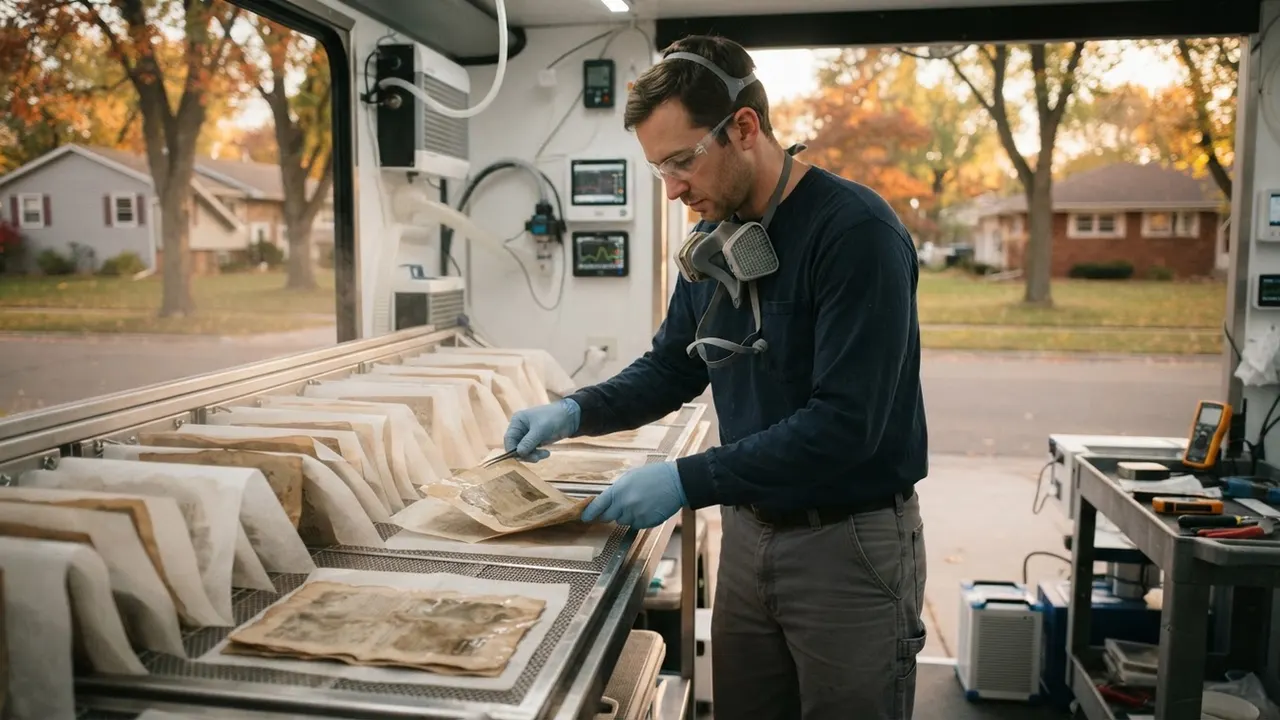
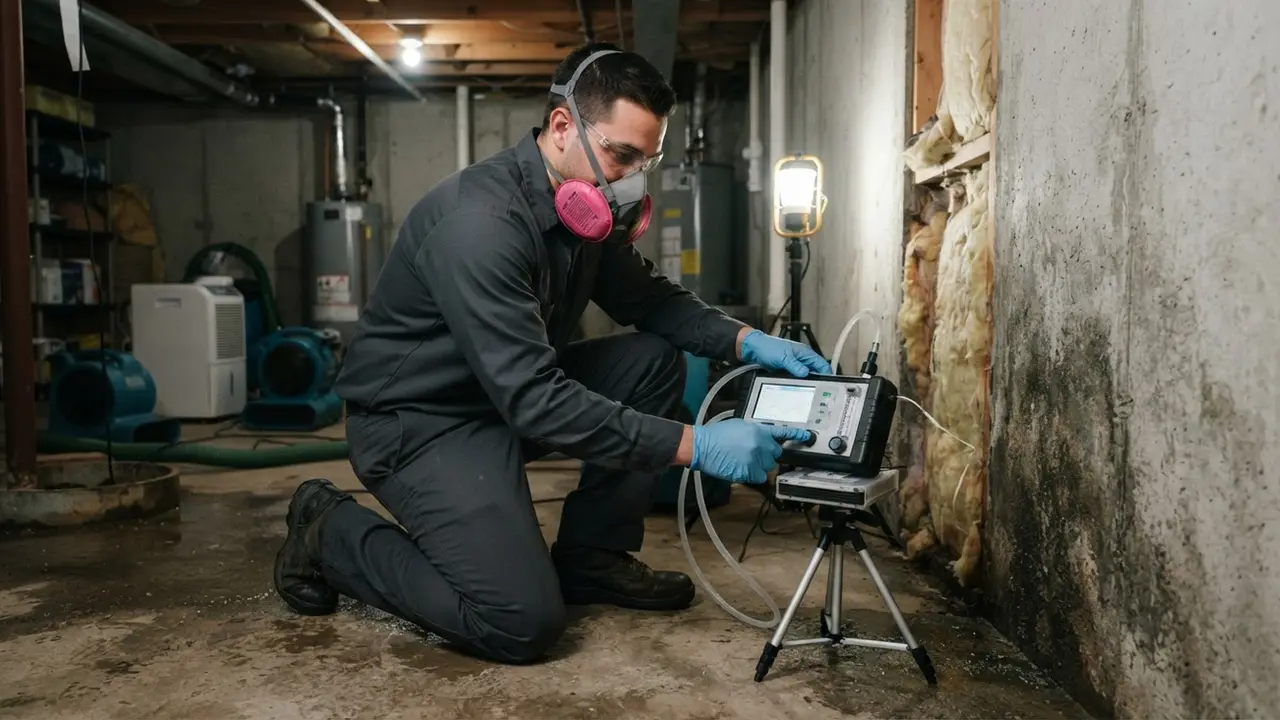
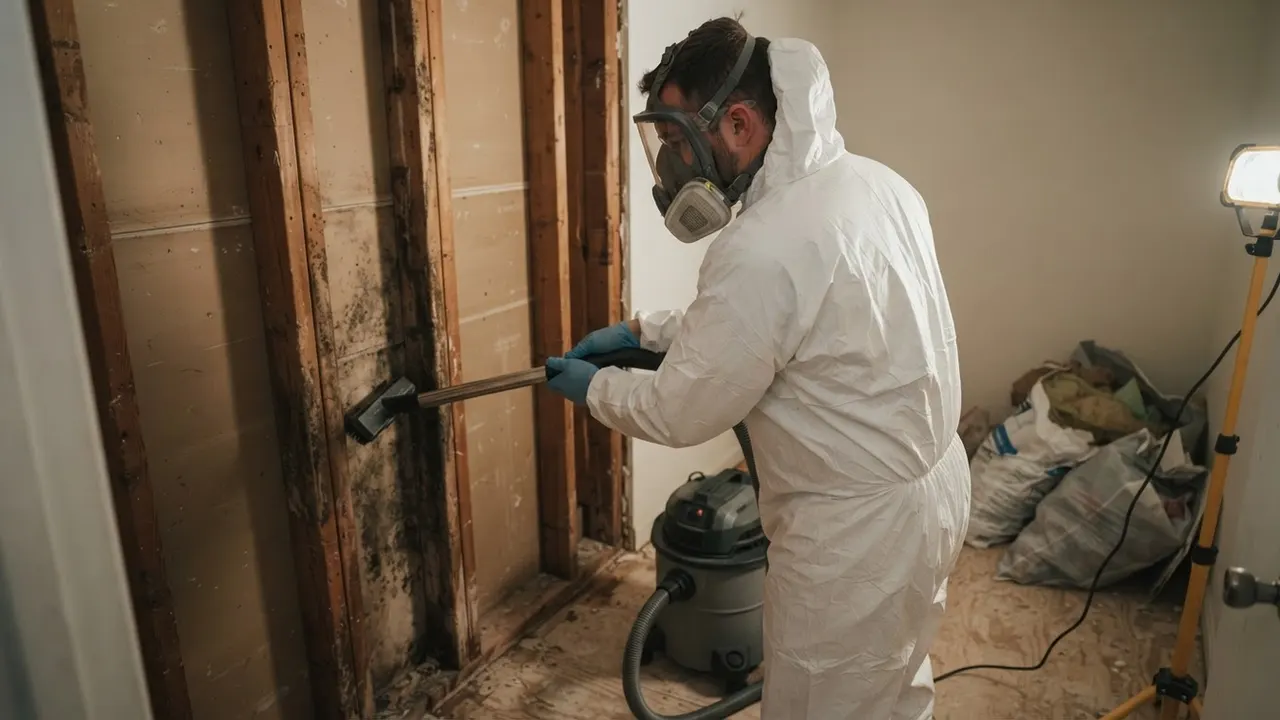
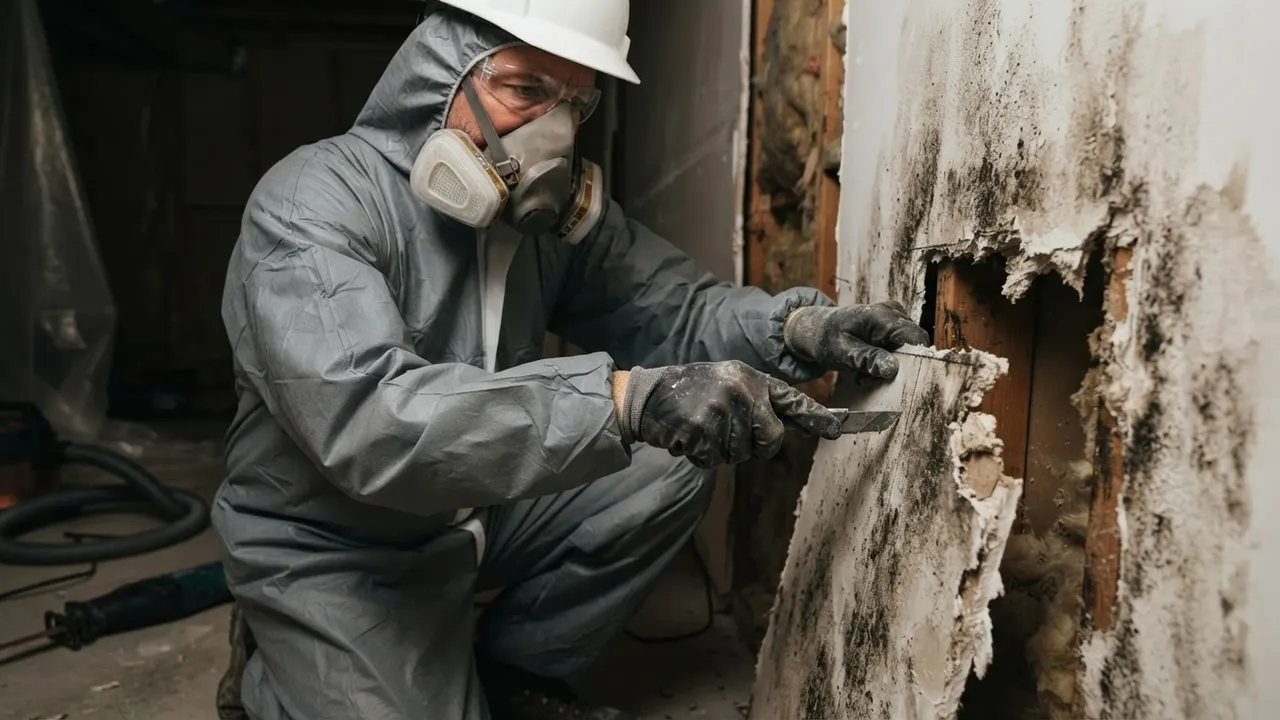
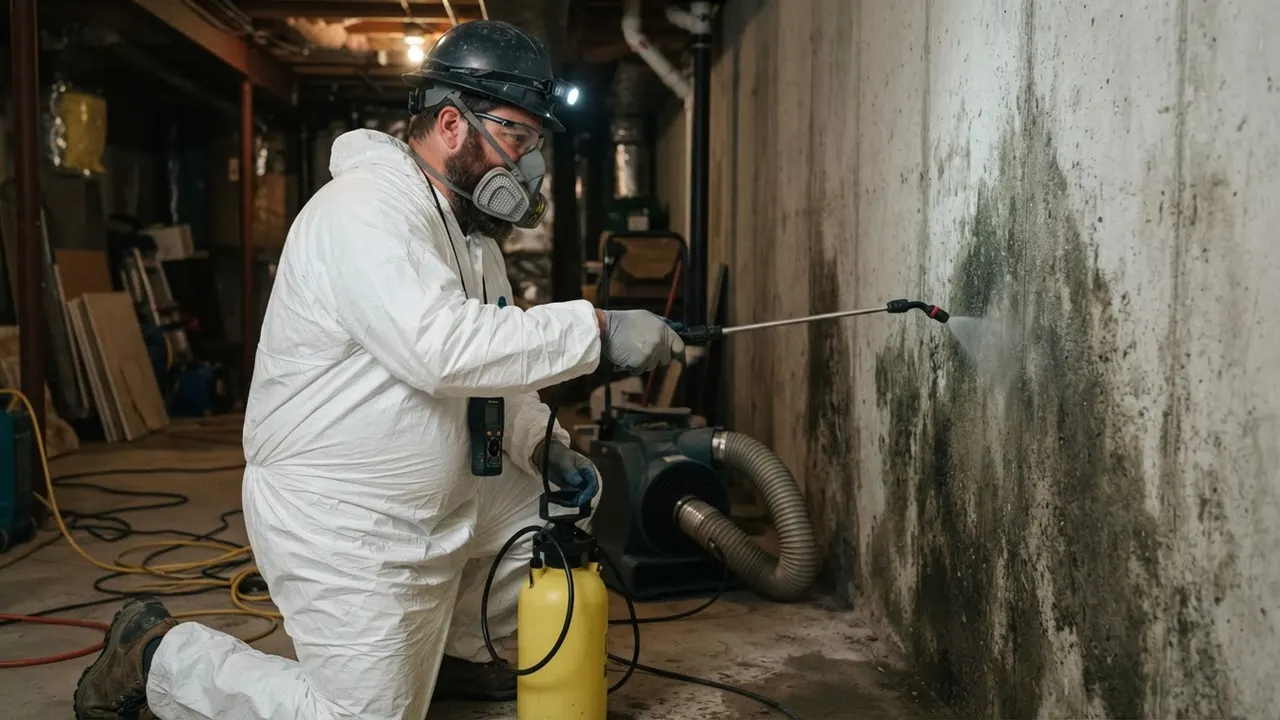
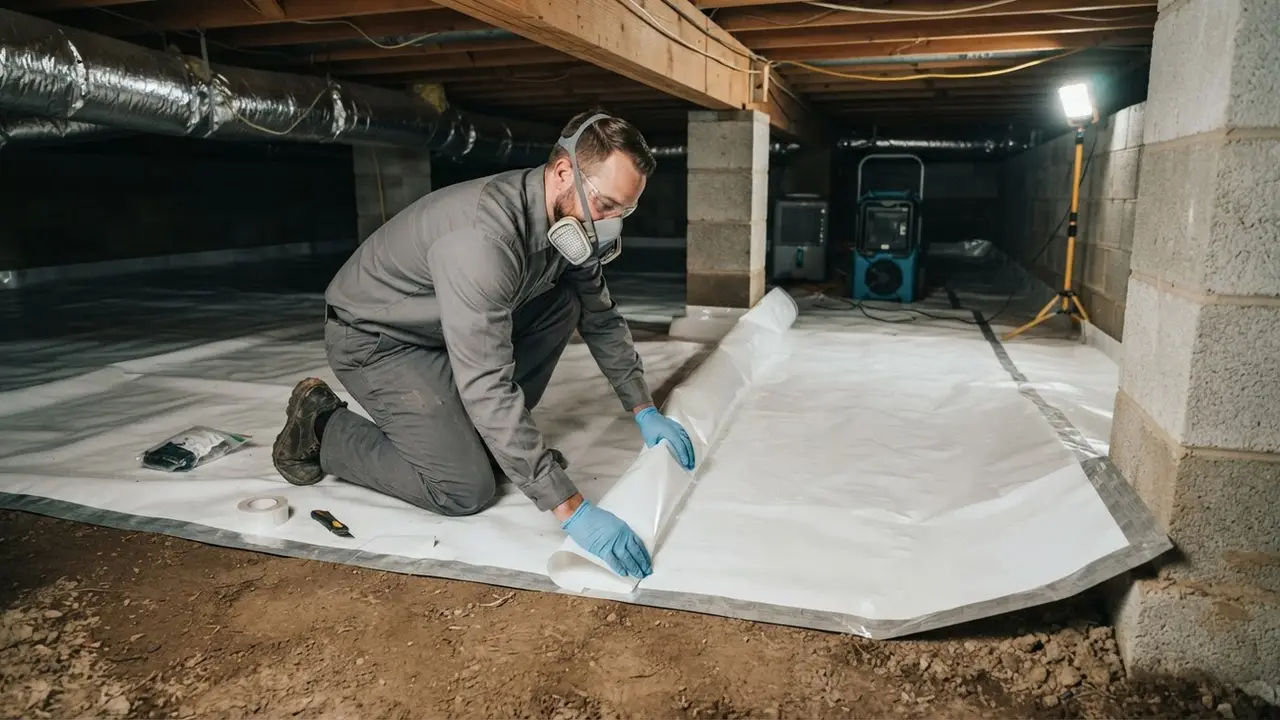
Basement water damage restoration Hopkins MN helps homeowners and property managers limit damage after flooding, a burst pipe, or a leaking appliance. Our team extracts standing water, checks affected materials, and sets up drying equipment based on measured moisture. For basement water removal Hopkins MN, call us when water is spreading, carpeting is soaked, or a musty smell appears; prompt extraction can reduce damage to drywall, flooring, and stored belongings.
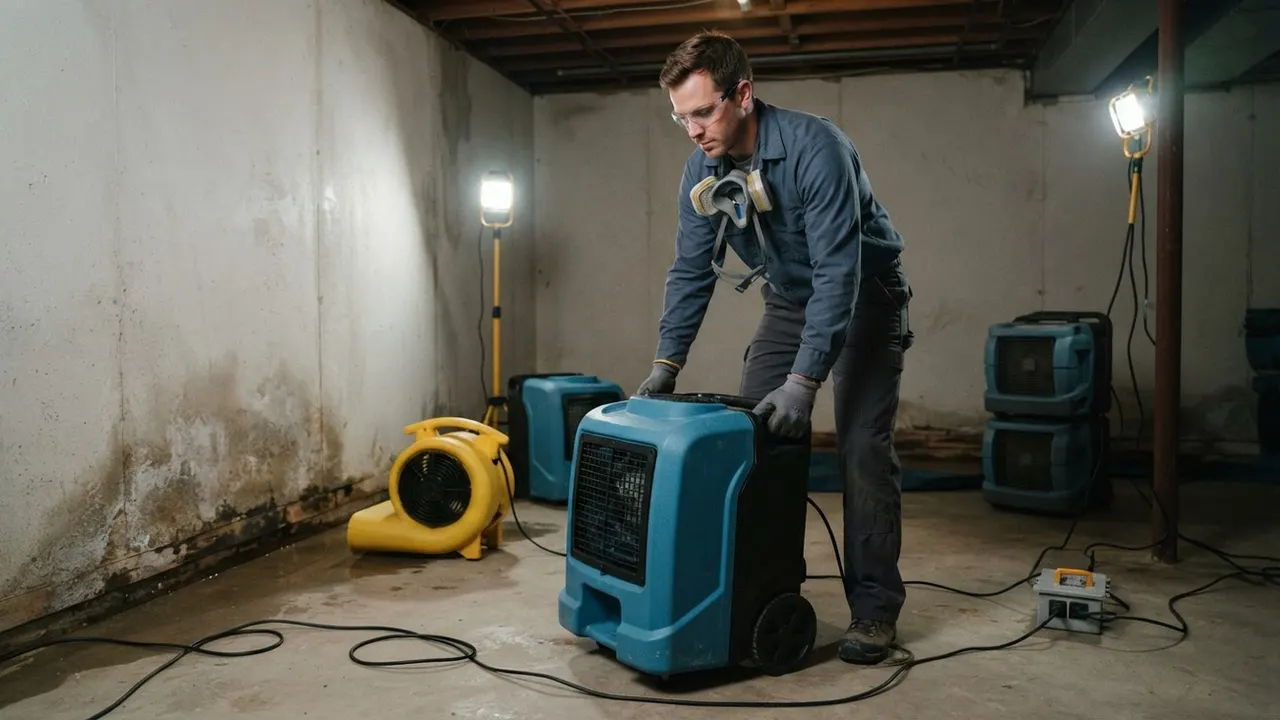
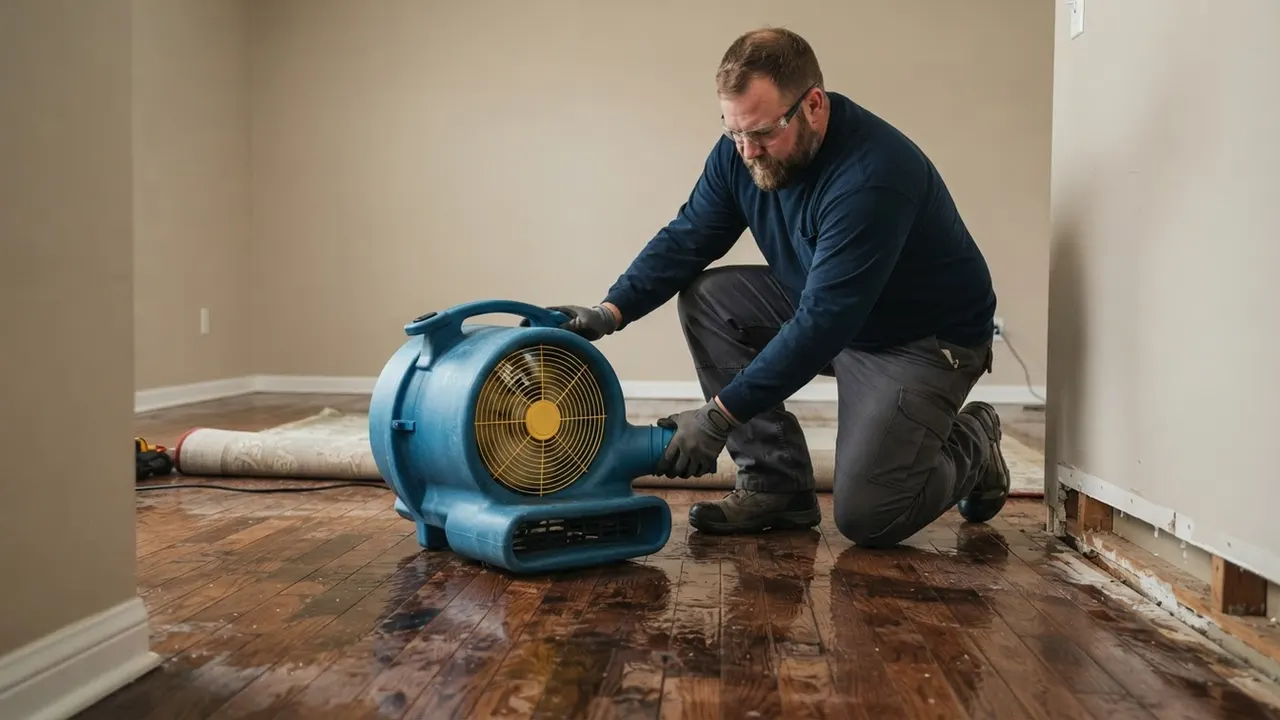
Equipment placementPosition airflow around wet materials
Follow-up checksCompare readings as drying progresses
What Basement Restoration Includes
Basement water damage restoration includes inspection, water extraction, moisture mapping, structural drying, and cleanup of affected surfaces. We explain what can be dried in place and where material removal is necessary. Rebuilding, plumbing repairs, or exterior drainage work may require a separate trade or service step; we identify those needs and help you understand how they fit into the recovery.
Water Source Assessment
We inspect the reported leak or flooding path, look for active water entry, and identify immediate safety concerns. You learn whether the issue appears connected to a pipe, appliance, sump system, stormwater, or another visible source before extraction begins.
Standing Water Extraction
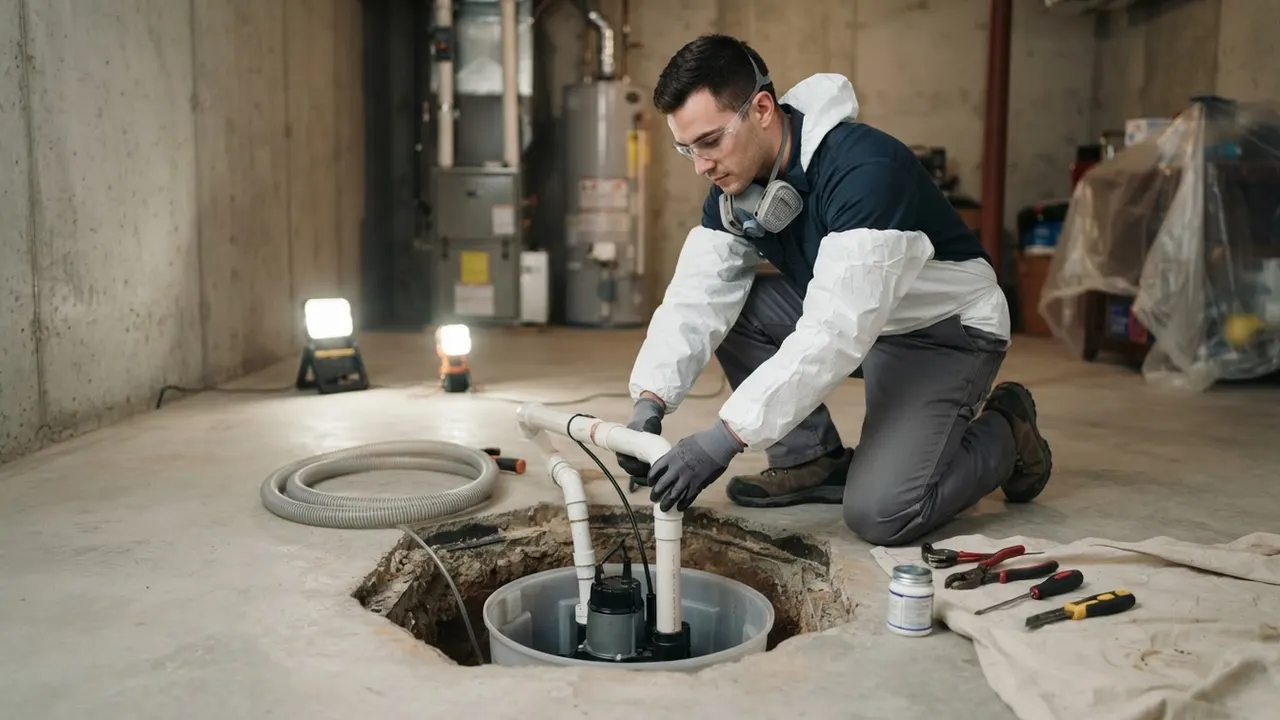
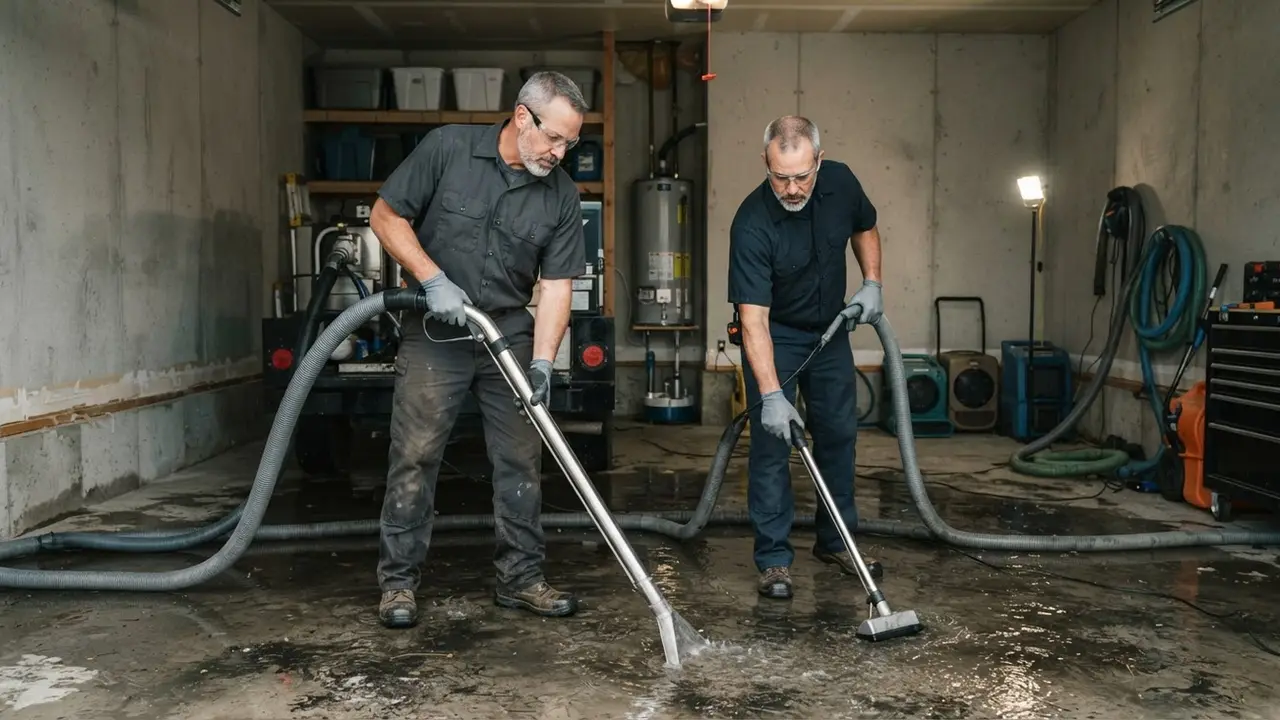
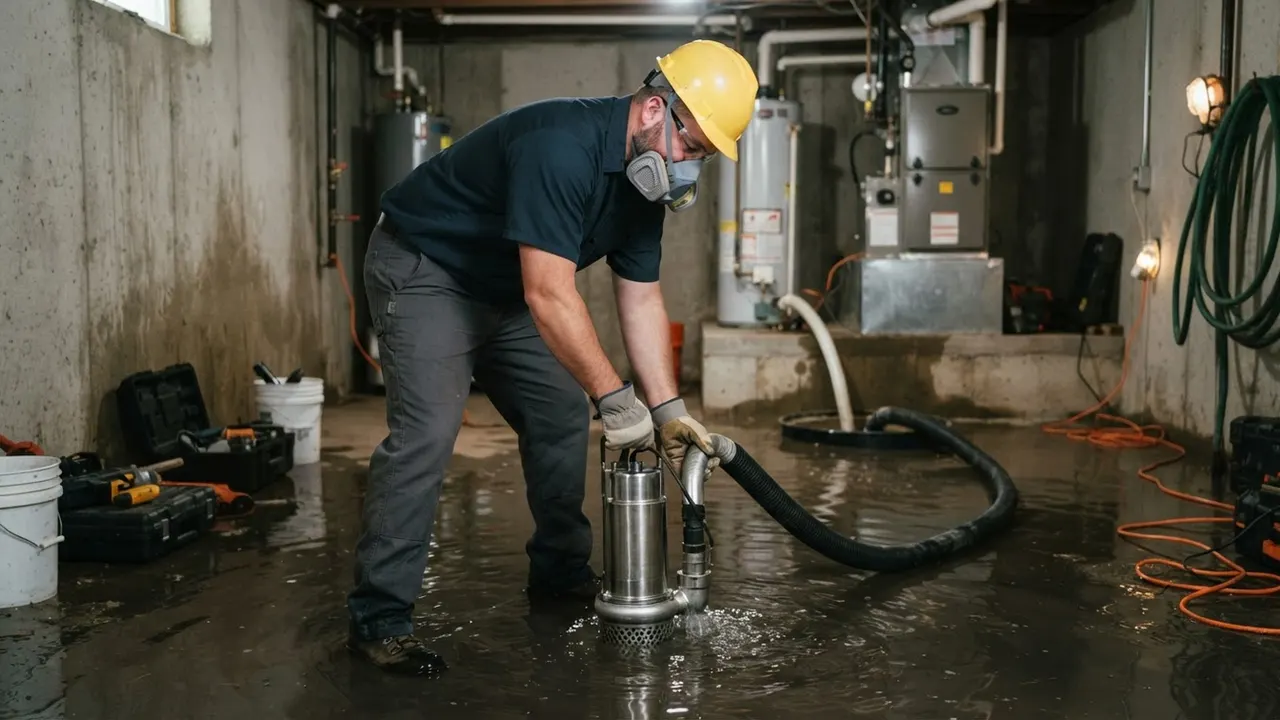
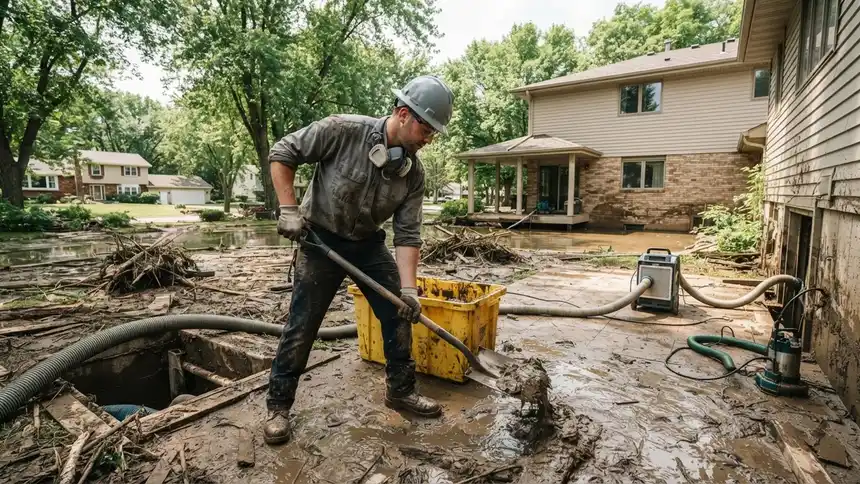
We remove accessible water using extraction equipment suited to the depth and area. Contents are moved carefully when needed, and we check low spots and adjoining rooms so water is not left behind simply because it is out of sight.
Moisture Mapping
We check affected flooring, wall edges, and accessible materials with a moisture meter. Recorded readings help us identify where drying equipment belongs and whether wet drywall or insulation needs to be opened or removed.
Drying Equipment Setup
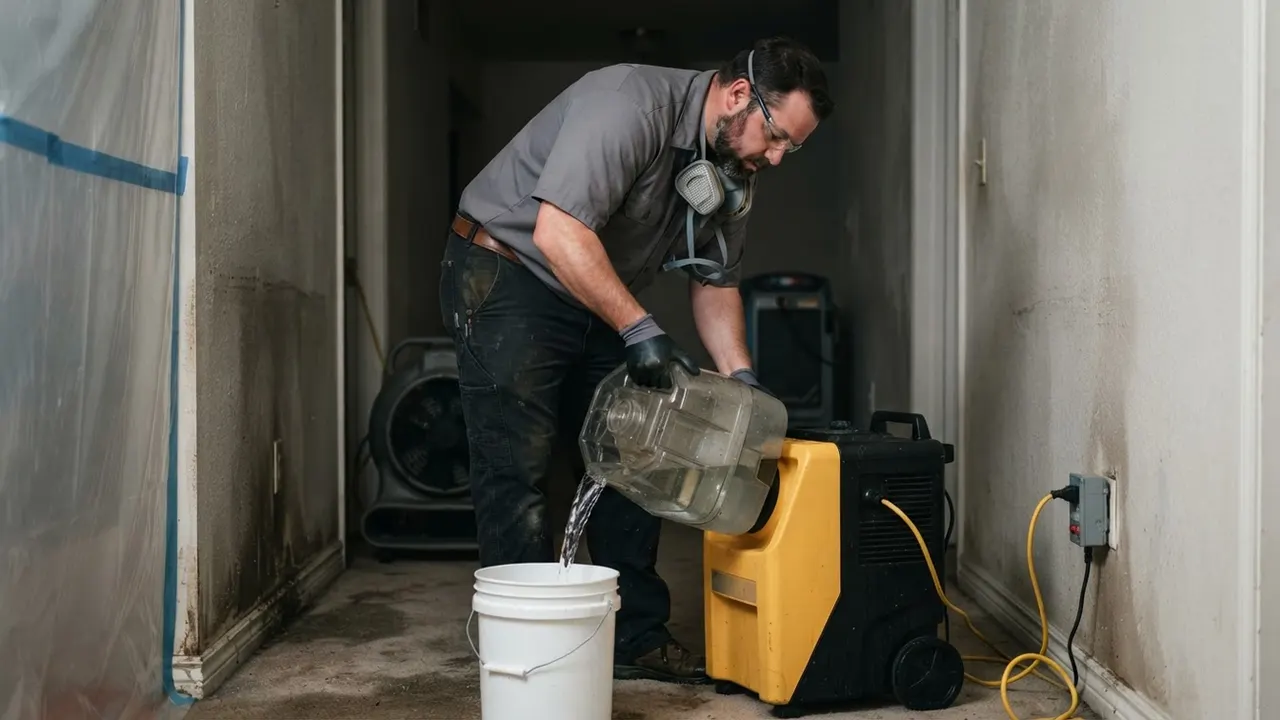
Air movers and a dehumidifier are placed to support drying across the affected area. We explain equipment placement, keep pathways usable where practical, and revisit readings to adjust the setup as materials dry.
Surface Cleaning
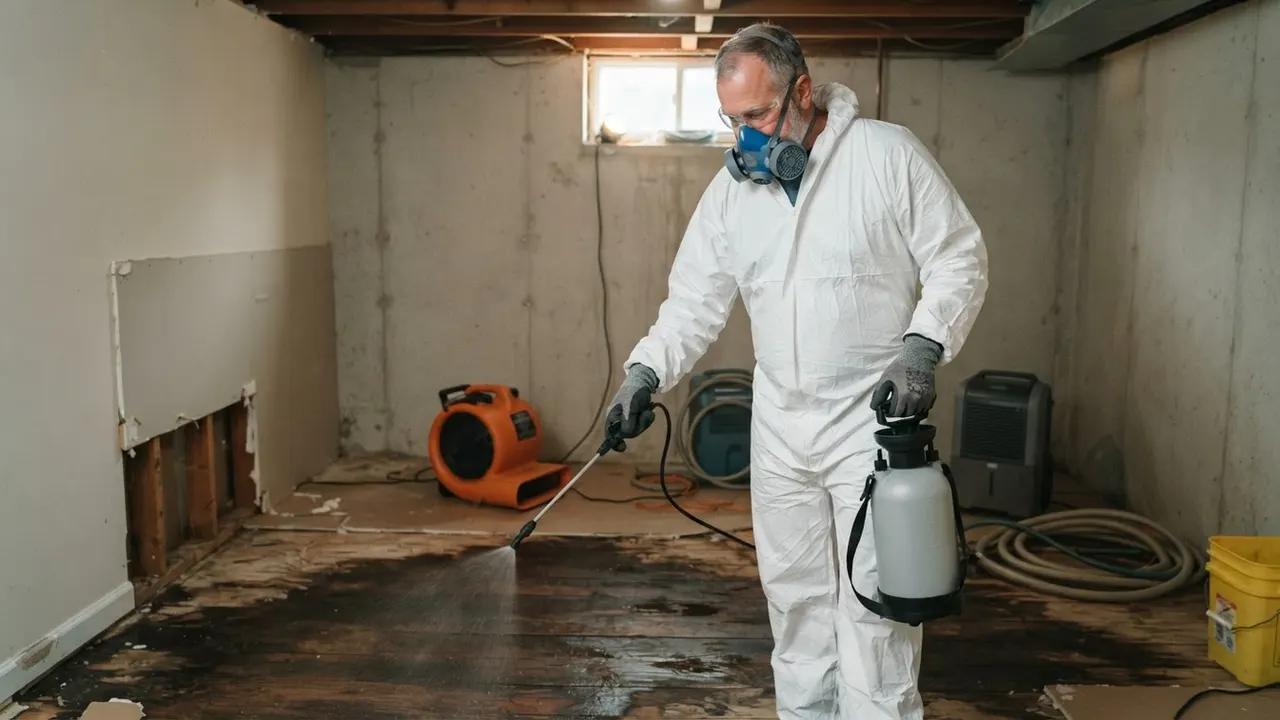
We clean affected surfaces after water removal using methods appropriate to the water and material. If the water involved sewage or another contamination concern, we use a different cleanup approach than for a clean pipe leak.
Homes and Businesses.
The approach is the same for a home and a business. What changes is the access, the schedule and who needs the paperwork.
Homes and Rentals
We protect household access while checking floors, finished walls, and stored belongings. You see what is wet and how the drying plan follows the readings.
Pipe leak beside finished drywall
Sump overflow near stored boxes
Water heater leak on concrete
Business Properties
We plan equipment placement around staff access, storage, and building operations. Property managers receive clear notes on affected areas and follow-up checks.
Water in a shared utility room
Sewage backup near stored supplies
Sump failure in a lower level
Basement Water Damage Restoration Hopkins MN
A plain-language look at what Basement Water Damage Restoration involves and when it is needed.
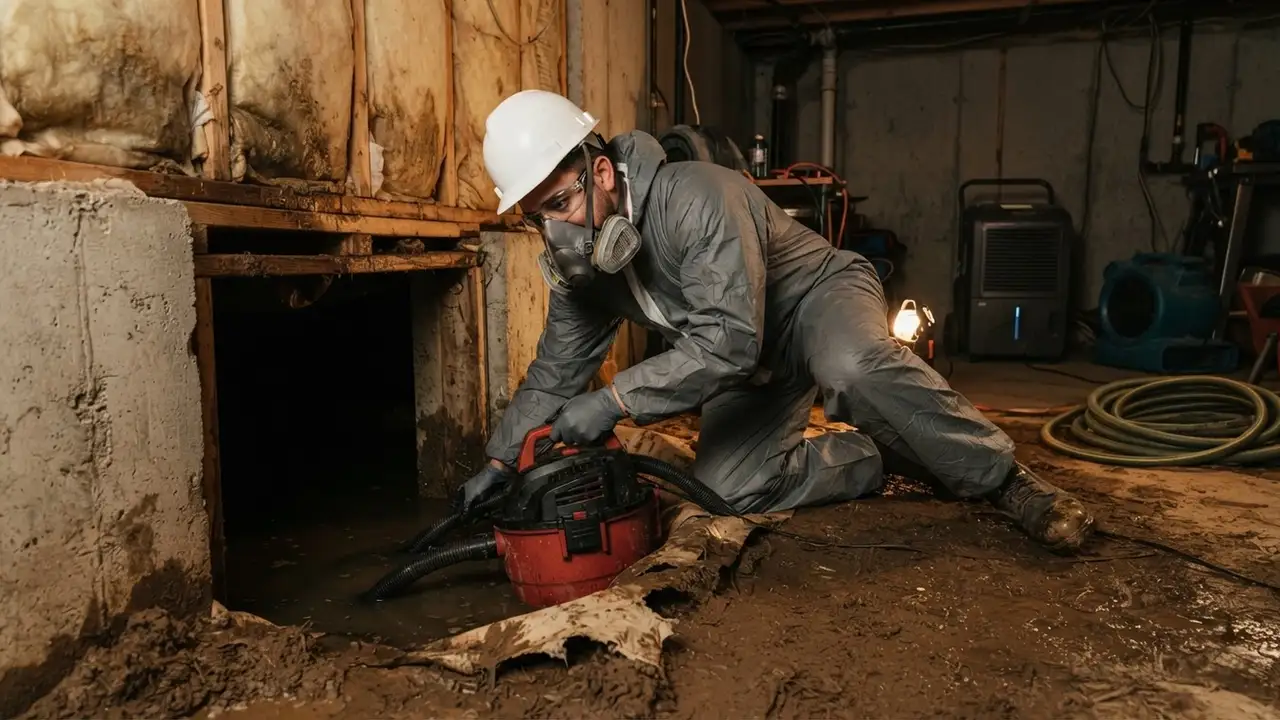
Basement water damage restoration Hopkins MN is a property recovery service that removes water, dries building materials, and repairs damage after a basement leak or flood. We begin by locating the water source and checking how far moisture has traveled through flooring, drywall, insulation, and framing. A wet/dry vacuum or sump pump handles standing water; moisture readings then guide air movers and a dehumidifier. We document affected areas before removing unsalvageable materials, clean surfaces, and monitor drying instead of relying on touch or appearance alone.
Hopkins basements face water intrusion from frozen pipe bursts, spring runoff, storm damage, sump pump failure, and sewage backup. In Hennepin County, a thaw or heavy rain can expose drainage problems quickly, while a small slab leak can stay hidden beneath finished flooring. Our crew plans Hopkins Minnesota basement water damage repair around the source, the materials involved, and safe access to the affected area. If you're searching for wet basement drying and restoration Hopkins MN, we check the full moisture path, not just the visible puddle.
Water removal is only complete when affected materials are checked and drying progress is measured.
What it is
A process to extract water, dry affected materials, clean surfaces, and identify needed repairs.
When needed
After basement flooding, a pipe burst, an appliance leak, or persistent seepage.
Basement water damage restoration in Hopkins follows a measured sequence: control the source, extract water, dry the structure, clean affected areas, and verify conditions. We explain each step and keep you informed as work progresses.
Inspect and Protect
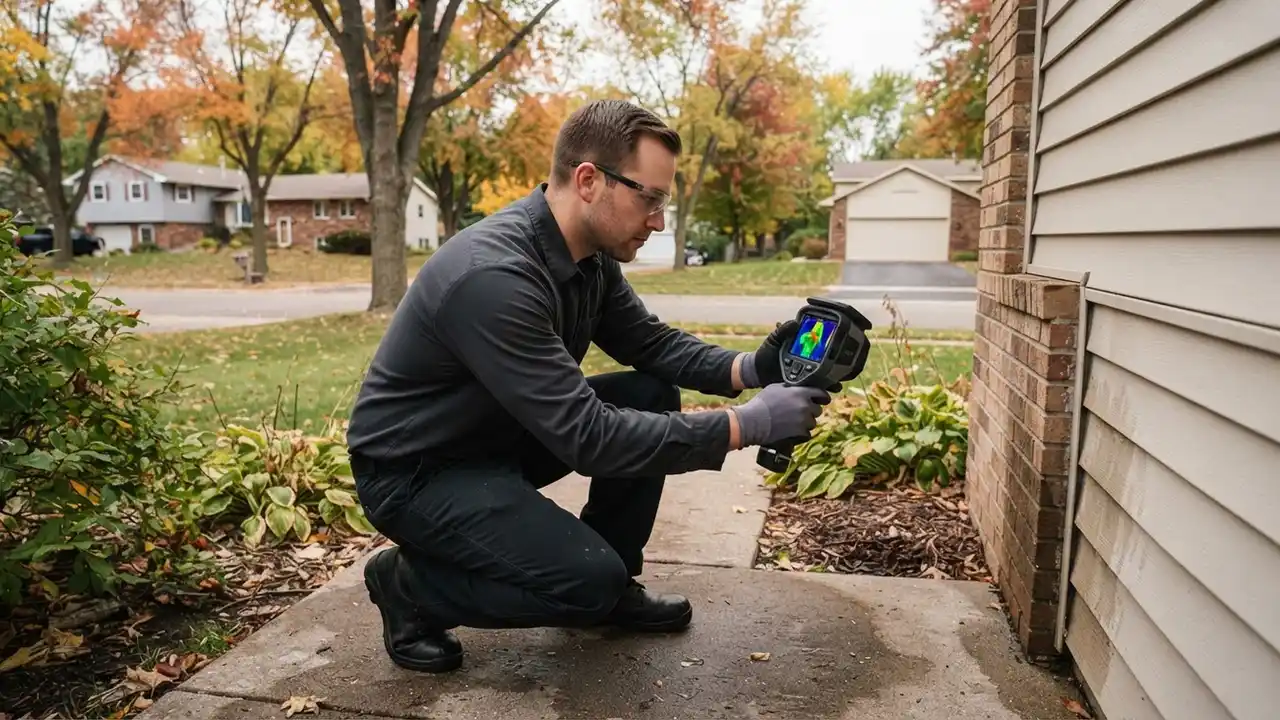
Our first visit starts with a walk-through, source check, and discussion of what you noticed and when. We identify electrical or contamination concerns, protect the route through your home, and use a thermal imaging camera where it helps locate temperature patterns associated with hidden moisture. The initial inspection and setup often take one to two hours, depending on access and affected rooms.
Walk-through
Source check
Protect access
Stop and Extract
We address the immediate source when it is within restoration scope, or coordinate the next repair step with you when plumbing or exterior work is needed. A sump pump or wet/dry vacuum removes standing water, and we document wet materials before moving contents. Extraction time ranges from about one hour for a small leak to several hours for a flooded basement.
Stop entry
Extract water
Record contents
Map Moisture
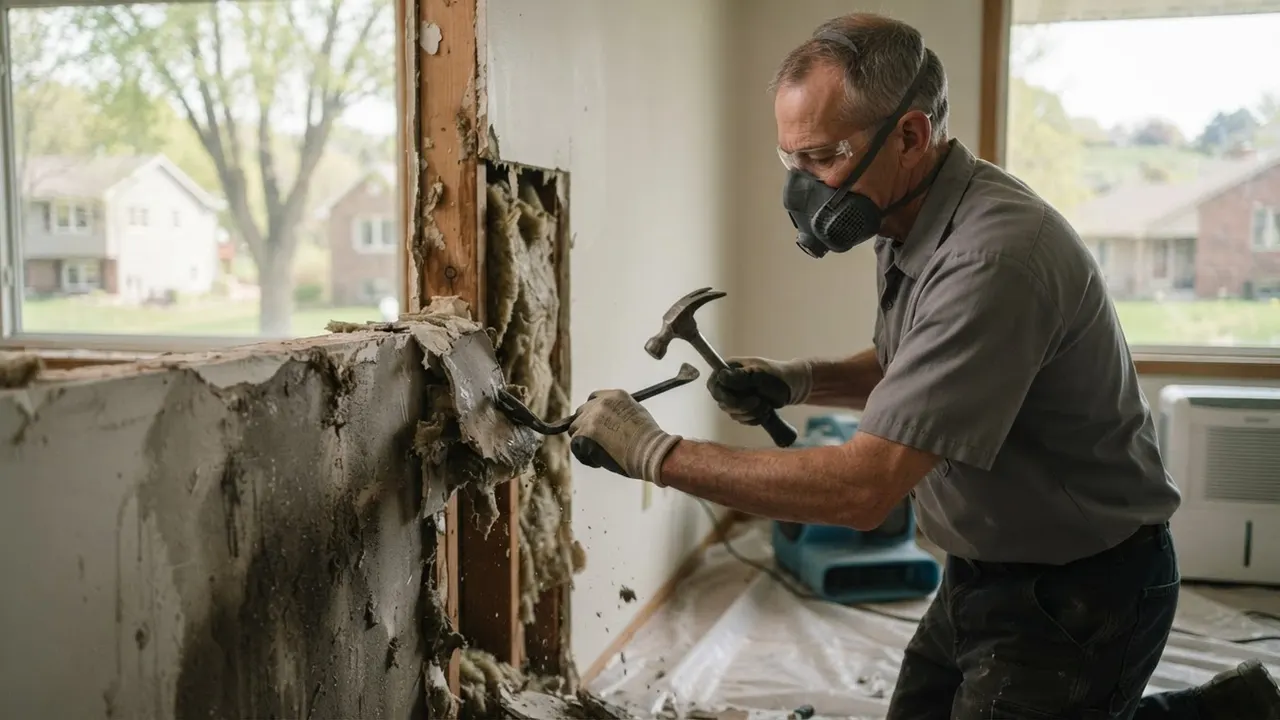
Our team checks floors, wall edges, framing, and nearby rooms with a moisture meter, noting readings and materials that need closer inspection. If water has reached a wall cavity, we assess whether targeted removal is needed to expose wet insulation. You get a clear explanation of what can dry in place and what should be removed.
Check materials
Map readings
Plan access
Dry and Clean
We place air movers and a dehumidifier to support controlled drying, then clean affected surfaces using products suited to the material and water category. Drying commonly takes three to five days, with readings checked as conditions change. For contaminated water, we use appropriate containment and cleaning procedures rather than treating it like a clean-water leak.
Set equipment
Clean surfaces
Review readings
Verify and Restore
Before equipment is removed, we compare follow-up readings with the initial moisture map and confirm that targeted materials have dried to appropriate conditions. We review remaining repairs, such as replacing drywall or insulation, and leave the work area organized. If you need rebuilding, we explain the sequence so the finished basement is not closed up over damp materials.
Verify drying
Discuss repairs
Clear equipment
Tools and Drying Methods
Move across a circle, or focus it and press Enter, for an illustrative thermal view of the photograph.
Moisture Meter
We check drywall, flooring, and accessible framing to locate damp materials and track readings during drying.
Thermal Imaging Camera
We use temperature patterns to investigate suspected moisture paths, then confirm findings with direct moisture checks.
Air Mover
We position air movers to circulate air across wet surfaces and support evaporation from affected materials.
Dehumidifier
A dehumidifier removes moisture from room air as wet building materials release water during controlled drying.
HEPA Vacuum
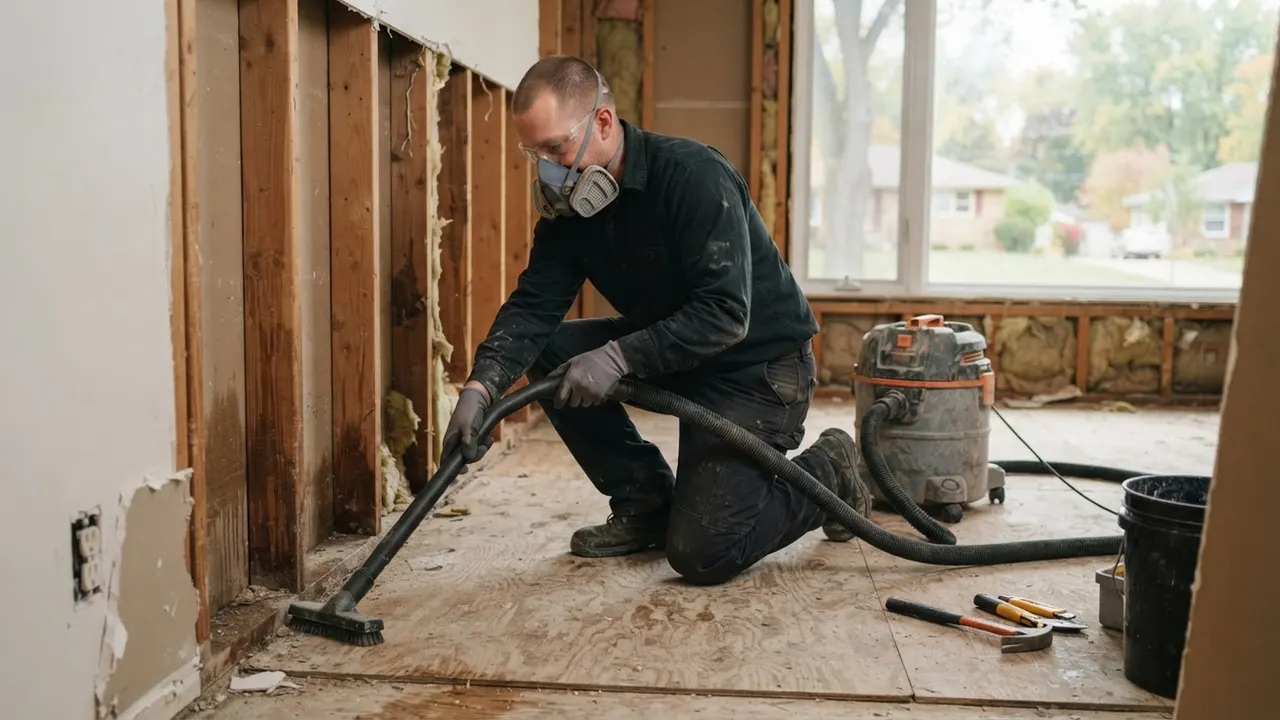
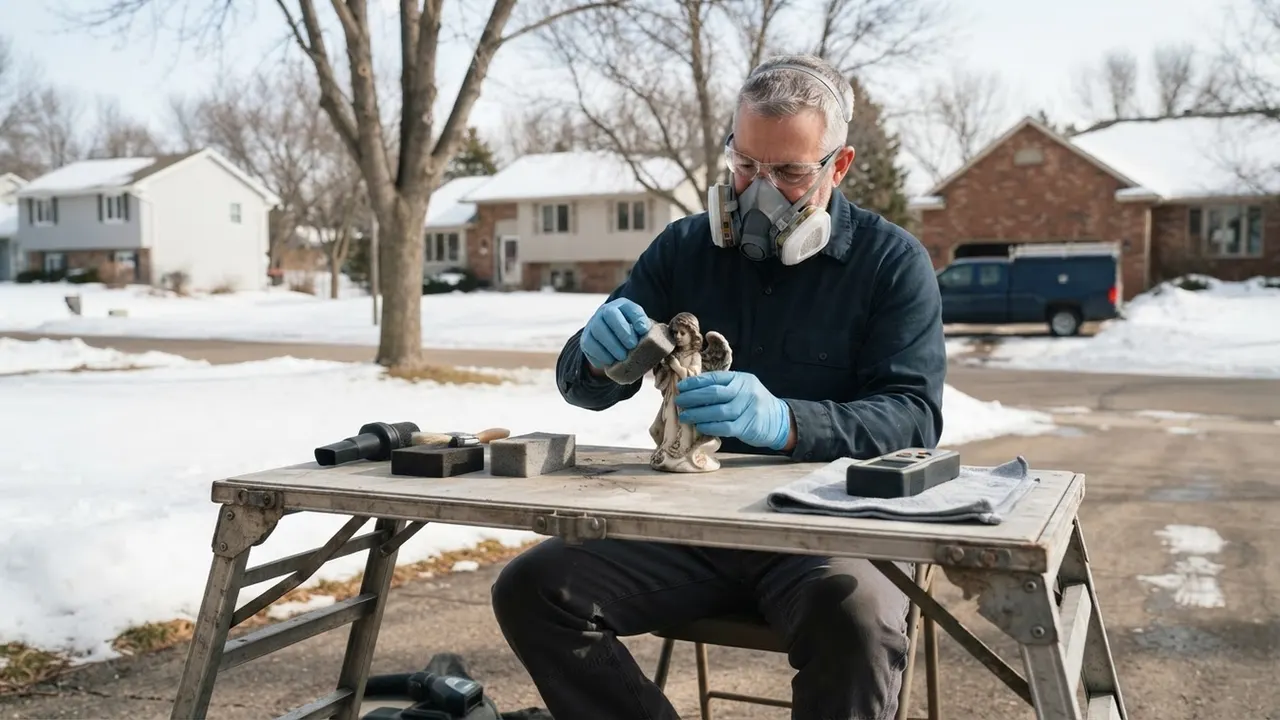
We use a HEPA vacuum for suitable fine-particle cleanup after affected materials are disturbed and the work area is prepared.
Thermal views are illustrative, generated from the photographs.
Methods
Moisture mapping
We record the affected areas and readings at the start, then compare them during follow-up checks. This creates a practical picture of where water traveled and whether materials are drying. If a reading stays elevated, we adjust equipment or investigate concealed areas before closing the work.
Source-first extraction
We identify whether water is still entering and address immediate extraction before setting a drying plan. Removing standing water early reduces the amount available to spread into finishes. Where plumbing or exterior repairs are needed, we explain how controlling the source fits with the restoration sequence.
Controlled structural drying
We place air movers and dehumidifiers to move moisture from affected materials into the air and remove it from the room. Equipment placement depends on room shape, material type, and readings. Follow-up checks show whether the setup is working or needs adjustment.
Targeted material removal
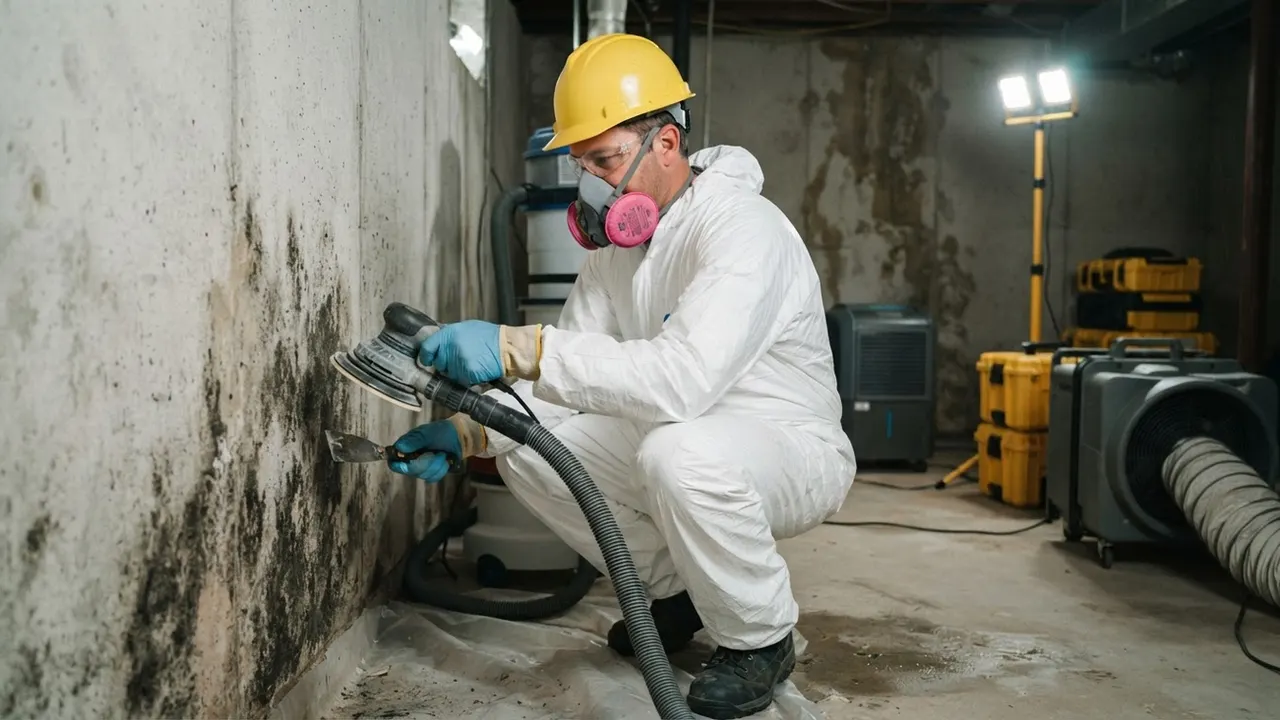
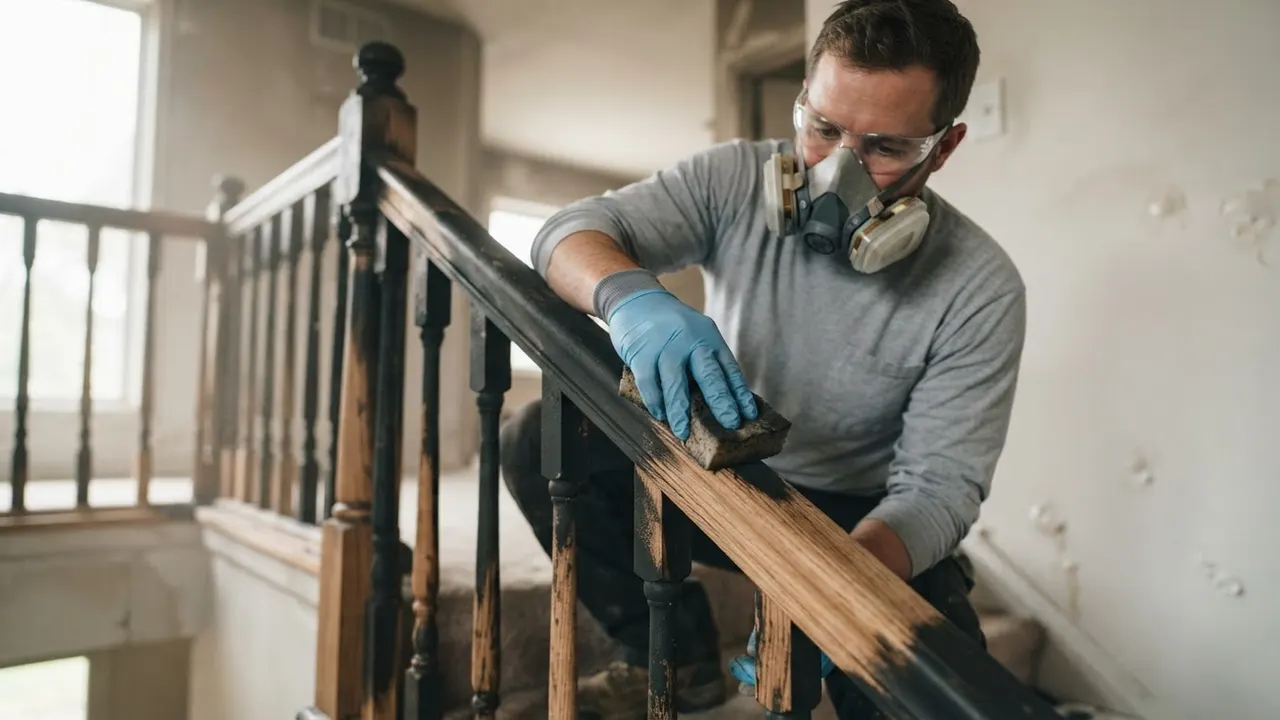
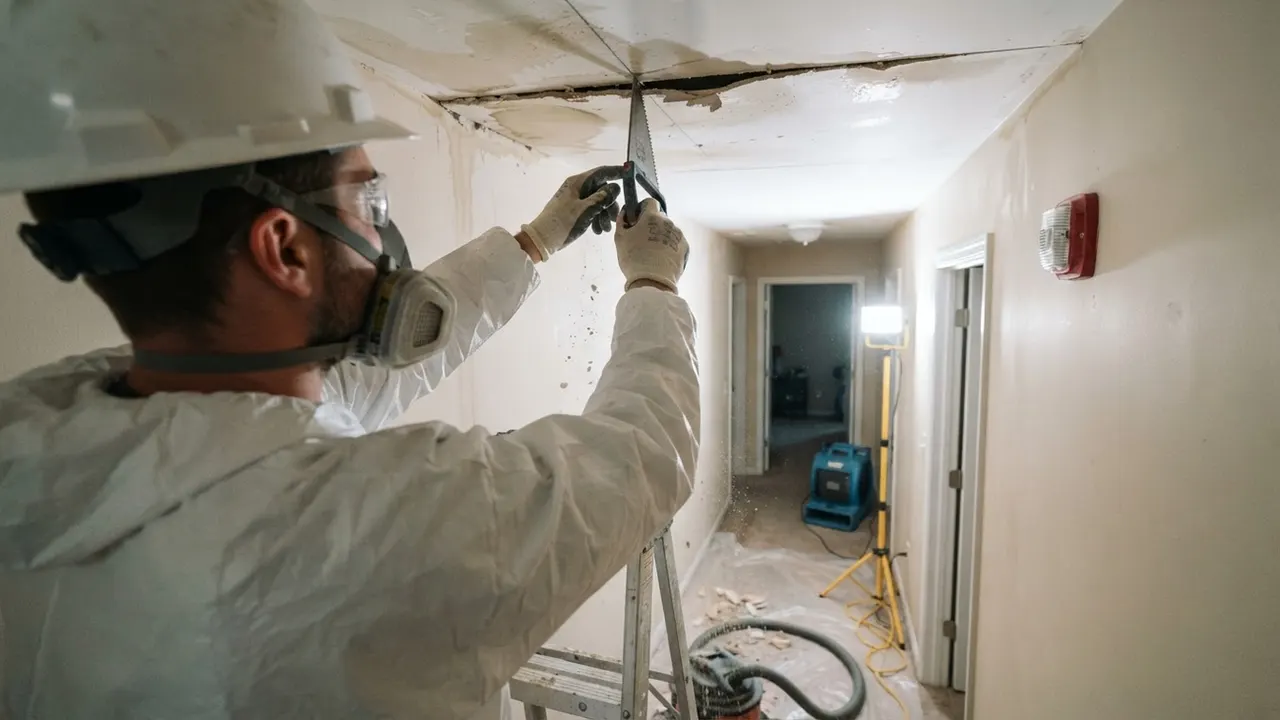
We remove drywall, insulation, or flooring only where inspection indicates drying in place is not appropriate. Containment and careful cutting help limit disturbance to unaffected areas. Exposed surfaces are cleaned and dried before any reconstruction begins.
When to Call Our Restoration Team
Frozen Pipe
A frozen pipe bursts overnight in a Hopkins basement and water reaches carpet and the utility-room wall.
We begin by checking for active water and safety concerns, then extract standing water and map the wet flooring and wall. After the plumbing source is controlled, we determine whether the wall cavity needs access and set up drying equipment based on readings.
Outcome: You get water removed, a documented drying plan, and clear repair priorities before damp materials are covered.
Sump Overflow
Heavy rain overwhelms a sump pump near Mainstreet, leaving water across a finished lower-level floor.
We remove pooled water, check low areas and adjoining rooms, and inspect the finished wall edges for moisture migration. We also note whether water appears to have entered through a pump failure or another visible route, so the cleanup plan does not ignore the source.
Outcome: The wet area is measured and dried, while you know which contents and finishes need cleaning or repair.
Appliance Leak
A washer or water heater leaks in a Blake Road basement while the household is away.
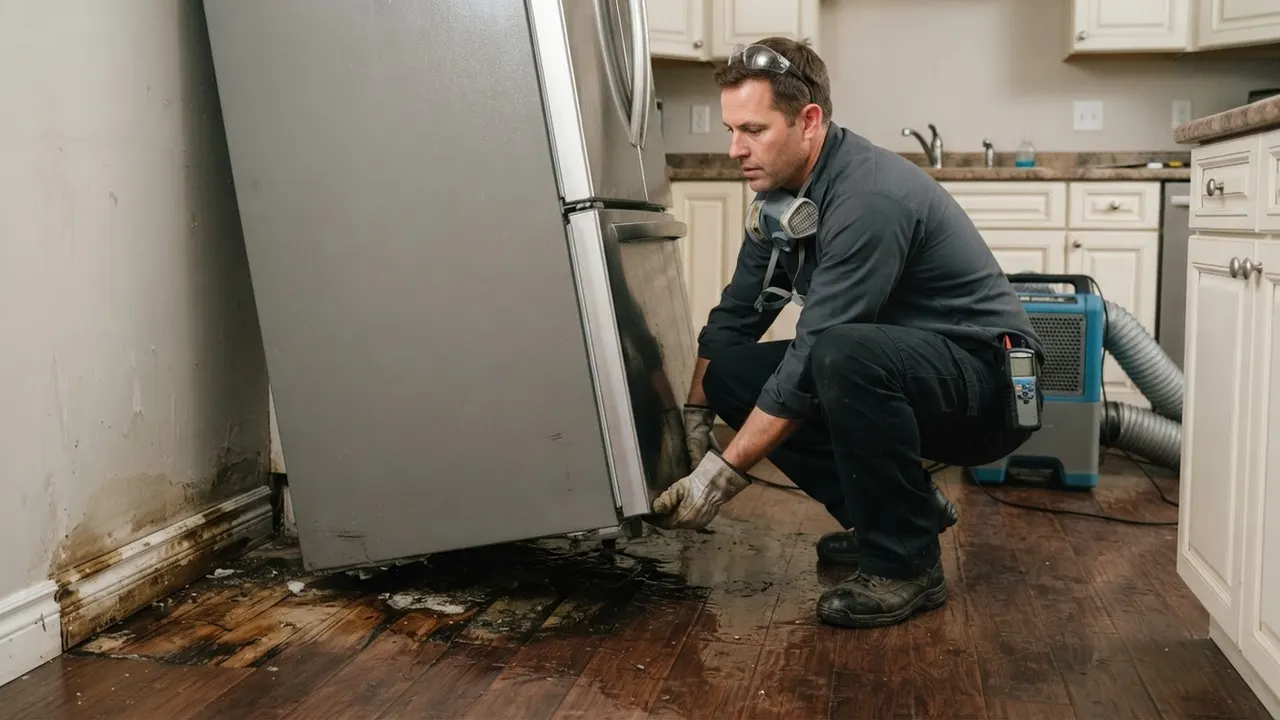
We extract water from the utility area, check the nearby floor and baseboards, and move affected contents where practical. A moisture meter helps us spot damp materials beyond the appliance footprint, and air movers are placed to dry the area without blocking access.
Outcome: You can address the appliance repair separately while the affected basement materials are cleaned and drying is tracked.
Sewage Backup
A sewage line backs up in a Hopkins commercial basement used for storage and building equipment.
We restrict access to the affected zone, remove contaminated water, and separate items that need disposal from those suitable for cleaning. We clean affected surfaces using procedures appropriate to sewage and plan drying after contaminated materials are addressed.
Outcome: The contaminated area is handled separately, with a clear record of affected contents and the steps needed before normal use.
Downtown HopkinsBlake RoadShady Oak
Basement Restoration Across Hopkins
Basement water damage restoration in Hopkins has to account for cold winters, spring thaw, heavy rain, and the mix of finished lower levels and utility basements found across the city. During a hard freeze, a pipe can split in an exterior wall or near a mechanical room; after rain, a sump pump or drainage issue may leave water along a floor joint.
Our team checks the source, water path, and accessible materials before setting equipment. For Hopkins Minnesota basement water damage repair, that means treating a wet wall differently from a flooded concrete floor. We use moisture readings to guide removal and drying, and we avoid closing up a damp cavity.
We serve Hennepin County, including 55343 and 55305, and plan around stairs, stored contents, and shared building access. If you need emergency basement water removal in Hopkins Minnesota, tell us whether water is still entering and whether the area involves sewage. That information helps us prepare for safe extraction and the right cleanup approach.
Downtown Hopkins: Finished lower levels and compact utility spaces can make equipment placement and contents protection important during extraction and drying.
Blake Road: We check utility rooms and adjoining finished areas when an appliance or pipe leak sends water beyond its apparent starting point.
Shady Oak: After heavy rain or thaw, we inspect low basement areas and document whether water is entering at a wall, floor joint, or sump area.
Meadowbrook: Stored belongings and basement flooring can hide moisture, so we check accessible edges and nearby materials before finishing the drying plan.
Winter freezes increase the risk of basement pipe bursts: A burst line can release water inside a wall or mechanical room before the leak becomes visible. We check the nearby cavity and floor, not just the puddle, and base drying decisions on measured moisture.
Spring thaw and heavy rain can stress sump systems: Water may collect at low points or move along the wall-floor joint when drainage or pumping cannot keep up. We extract standing water and document the entry pattern so you can address restoration and the contributing condition.
We walk through the basement, locate visible water, and explain what we will check.
We protect the route, move equipment into place, and begin extraction.
We review readings, discuss drying progress, and outline the next repair steps.
From Problem to Finished Result.
IllustrativeThe thermal view is generated from the photograph. It is not a measurement. Drag the handle, or use the arrow keys once it is focused.
Burst Pipe in Utility Room
Before: A frozen line released water across the utility-room floor and soaked the bottom edge of nearby drywall. The visible puddle was removed with towels, but the wall still felt cool and the carpet edge had begun to darken. The household needed to know whether water had moved behind the finished surface.
After: We extracted the remaining water, checked the wall and carpet edge, and set air movers with a dehumidifier. Follow-up readings over four days showed the accessible materials drying; one small drywall section was opened to expose damp insulation. The homeowner had a documented area for repair instead of closing the wall blindly.
Keep vulnerable pipes protected during cold weather, check the utility room after a freeze, and know where the main shutoff is located. A quick response limits how long water can move into finished materials.
Rainwater Near the Sump
Before: After heavy rain, water covered part of a concrete basement floor near the sump pit and reached several storage boxes. The pump was no longer moving water, and the room smelled damp. The owner needed extraction and a check for water migration beyond the visible pool.
After: We removed standing water, separated wet cardboard from salvageable contents, and checked the floor and wall edges. Air movers and a dehumidifier ran while readings were monitored for three days. The concrete area dried, and the owner had a clear list of the contents and surfaces that needed follow-up.
Check that the sump pump operates and keep its discharge path clear. Store important belongings on shelves rather than directly on the floor, especially in rooms with a history of water entry.
Water Heater Leak
Before: A slow water-heater leak spread under stored items before anyone noticed. The floor was wet around the appliance, and a musty odor had started near the baseboard. The visible leak did not show whether moisture had reached the wall or nearby contents.
After: We extracted water from the utility area, moved affected items for inspection, and checked the baseboard and adjacent flooring with a moisture meter. Drying equipment ran for two days, with follow-up readings confirming the affected area was drying. The homeowner could arrange appliance repair and replace only the damaged items.
Look for corrosion, dampness, or a new odor around the water heater and nearby connections. Keep the area accessible so a small leak is easier to spot before it spreads.
Problems Wet Basements Create
Water left in a basement can damage finishes, soak stored items, and keep framing or insulation damp. We focus on the underlying moisture and the visible damage together, so your next repair is based on what the inspection actually finds.
Wet flooringWater pooling beneath finished basement flooringMoisture trapped under flooring can swell materials, spread into subfloor, and create a persistent musty odor that remains after the surface dries. We extract standing water, inspect the floor edges and accessible transitions, and use moisture readings to determine how far water traveled. If flooring must be lifted to dry the underlying layer, we explain the affected area and why. We then set up drying and check progress before recommending the next repair.
Burst pipeA frozen pipe burst soaking walls and insulationWater inside a finished wall can remain hidden, damaging drywall and insulation while the room appears mostly dry from the outside. We identify the wet wall section, check adjacent framing, and coordinate the drying plan after the pipe source is controlled. When insulation is saturated, targeted removal may be needed to expose the cavity. We dry and document the area before it is closed during reconstruction.
Sewage waterSewage backup leaving contaminated basement surfacesWastewater can leave contamination on porous flooring, stored belongings, and wall materials, making ordinary household cleanup inappropriate. We isolate the affected area, remove contaminated water and unsalvageable porous items, and clean remaining surfaces with appropriate procedures. We keep clean areas separate from the work zone and explain which contents can be cleaned. Drying follows only after contaminated materials are addressed.
Recurring seepageRepeated seepage after storms or spring thawRecurring water entry can keep the basement damp, damage stored items, and increase the chance of mold growth in concealed or low-airflow areas. We remove water, map the affected materials, and look for the entry pattern around walls, floor joints, and nearby utility areas. We explain where restoration ends and where drainage or waterproofing work may be needed. Once the source is addressed, drying and cleaning restore the affected interior.
A Drier, Safer Basement
Measured drying helps protect materials and clarify the repairs your basement needs.
Water Removed Thoroughly
We extract accessible standing water from floors, utility areas, and low spots, then check adjacent rooms for hidden migration. A moisture meter helps distinguish a dry-looking surface from damp drywall or subfloor. This measured approach keeps basement water removal Hopkins MN focused on the whole affected zone, rather than stopping when the visible puddle is gone.
Drying Guided by Readings
Air movers and a dehumidifier are positioned to move moisture out of affected materials without blocking normal access. We record readings during follow-up checks and adjust equipment when conditions change. You'll know which areas are still drying and what needs attention before the equipment is removed.
Fewer Hidden Problems
Water trapped behind baseboards or beneath flooring can lead to persistent odor and mold growth. We inspect accessible cavities, identify materials that need removal, and clean affected surfaces before rebuilding. Early action after a basement flooding cleanup Hopkins MN call can reduce the amount of demolition needed.
Clear Repair Priorities
We separate water extraction, structural drying, cleaning, and reconstruction into understandable steps. Photos and moisture notes help you see what was affected and why a repair is recommended. If your basement has a damaged wall or soaked insulation, we explain the next practical step rather than leaving you to guess.
What You Receive
Clear records you can keep and share.
Photo Log
Images of visible damage and affected areas.
Moisture Notes
Recorded readings from checked materials.
Equipment Record
Notes on drying equipment placed and reviewed.
Work Summary
A plain account of completed steps and next repairs.
Know the Water Category
The source affects cleanup steps, protective measures, and which materials can be considered for restoration.
Clean Water
Water from a supply line or appliance before contamination occurs.
Extract promptly
Check nearby materials
Dry and monitor
Gray Water
Water that may contain household contaminants and needs careful handling.
Limit contact
Assess porous items
Clean affected surfaces
Sewage Water
Wastewater requiring isolation and contamination-focused cleanup procedures.
Restrict access
Remove unsalvageable materials
Clean before drying
Materials and Systems
Drywall
Insulation
Concrete
Flooring
Air movers
Dehumidifiers
Sump pumps
Baseboards
Service ZIP Codes.
A list like this tells people straight away whether you cover their street. Not listed? Call and ask: it only takes a minute.
A pipe split in the basement utility room during a cold spell, and water reached the edge of the carpet. The crew extracted it, checked the wall with a moisture meter, and set up drying equipment. They showed us the readings during follow-up and explained why one small section of baseboard needed to come off. The work area stayed organized throughout.
Our sump pump stopped during a heavy rain, leaving water across part of the basement floor. The team removed the water and checked the storage room and finished wall nearby instead of stopping at the wettest spot. They explained how long the dehumidifier would run and what readings they were tracking. We appreciated having clear updates.
A water heater leak soaked the concrete floor and some stored supplies in our Hopkins building. The crew separated the affected contents, extracted the water, and set up air movers without blocking the main access route. They documented the affected area and checked it again before removing equipment. The next repair steps were easy to follow.
Basement Restoration Questions
Typical 2026 pricing in this area depends on water depth, contamination, affected square footage, material removal, and drying days. We inspect the damage and explain the cost drivers before proceeding. A prompt response and a small affected area usually reduce equipment time and repair scope.
Remove people from unsafe areas, stop the water source if safe, and extract standing water as soon as possible. Avoid using household fans near electrical hazards or sewage-contaminated water. We use a moisture meter to map affected materials, then place air movers and a dehumidifier based on the readings. Wet basement drying and restoration Hopkins MN often takes three to five days, but saturated insulation or concealed moisture can extend the work.
Common causes include a failed sump pump, clogged or overwhelmed drainage, a foundation opening, a slab leak, a frozen pipe burst, or water entering after a storm. The location and timing offer clues: water near a utility line suggests a plumbing issue, while seepage along a wall after rain points toward exterior drainage. We trace the visible water path and check nearby materials before recommending repairs.
Choose a company that documents moisture, identifies the water category, explains its extraction and drying plan, and checks readings before removing equipment. Hopkins Water Damage Company handles basement water removal in Hopkins with extraction, structural drying, and cleanup matched to the cause. Ask what will be measured, how often progress is reviewed, and which materials are being removed. Clear answers matter more than a broad promise.
If water is spreading across your basement, call Hopkins Water Damage Company at (833) 546-4116. We will ask what happened, explain the first steps, and help you move from extraction to measured drying.
Call Hopkins Water Damage Company at (833) 546-4116 to describe a leak, fire, mold concern, or basement water problem. We connect you with independent companies serving Hopkins, Minnesota, including ZIP codes 55343 and 55305. Tell us the property type, affected area, and whether the source is still active so the provider can understand what help you need.