Water Damage Restoration Hopkins MN for Damaged Homes
Our water damage restoration Hopkins MN service helps homeowners and property managers address leaks, flooding, and soaked building materials before damage spreads. We locate the water, extract standing moisture, and plan drying around the affected rooms and contents. From a frozen pipe burst to an appliance leak, our team handles water damage repair Hopkins MN with clear steps and practical updates, so you know what is happening in your property.
Water Source AssessmentStanding Water RemovalMoisture Mapping
Written service plansClear plan before work
Careful property protectionFloors, contents and finishes protected
One point of contactOne local contact
Prepared local crewsHopkins
What Water Damage Restoration Includes
A standard restoration visit covers assessment, water extraction, moisture mapping, drying setup, and cleaning of affected areas appropriate to the water conditions. We also document visible damage and explain repair needs. Replacement finishes, plumbing repairs, roof work, specialized contents treatment, and mold remediation are separate tasks when conditions call for them; we identify how those needs connect to the water loss before work proceeds.
Water Source Assessment
We inspect the visible source and affected rooms, ask when the loss began, and note whether water is still entering. Identifying a leak, backup, or storm opening helps set the right extraction and containment plan. We document accessible damage and flag any conditions requiring another trade.
Standing Water Removal
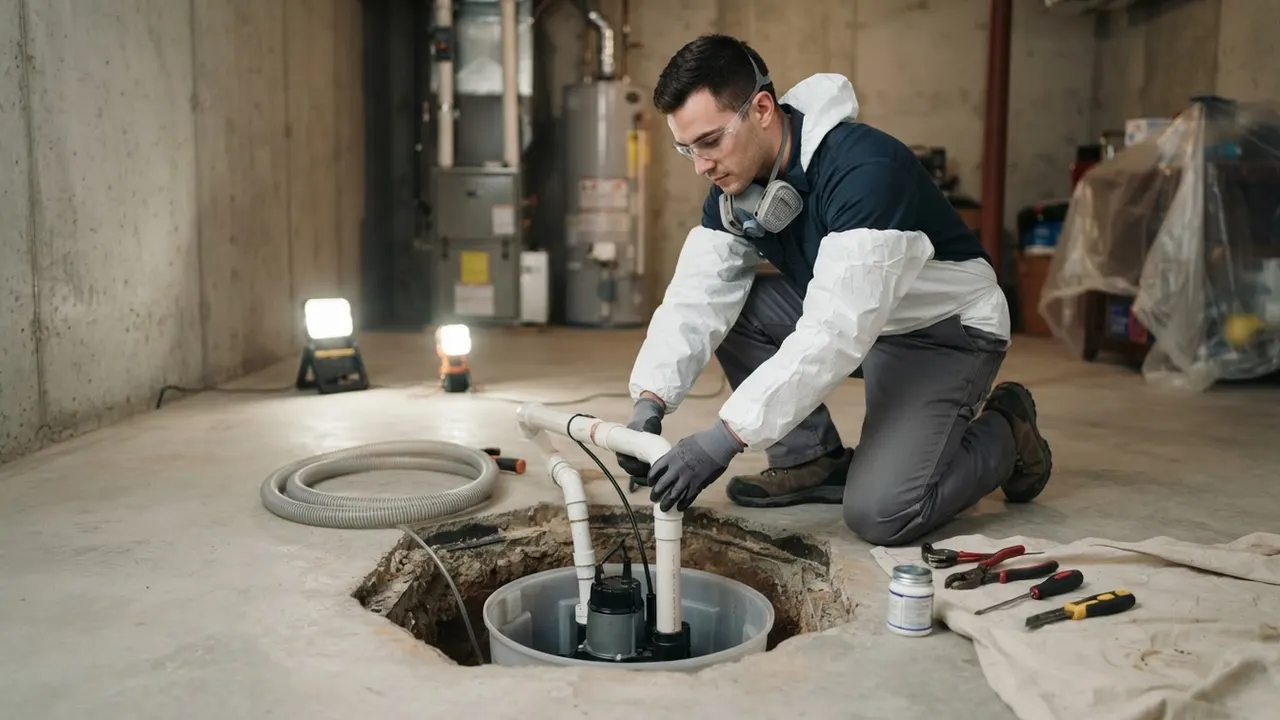
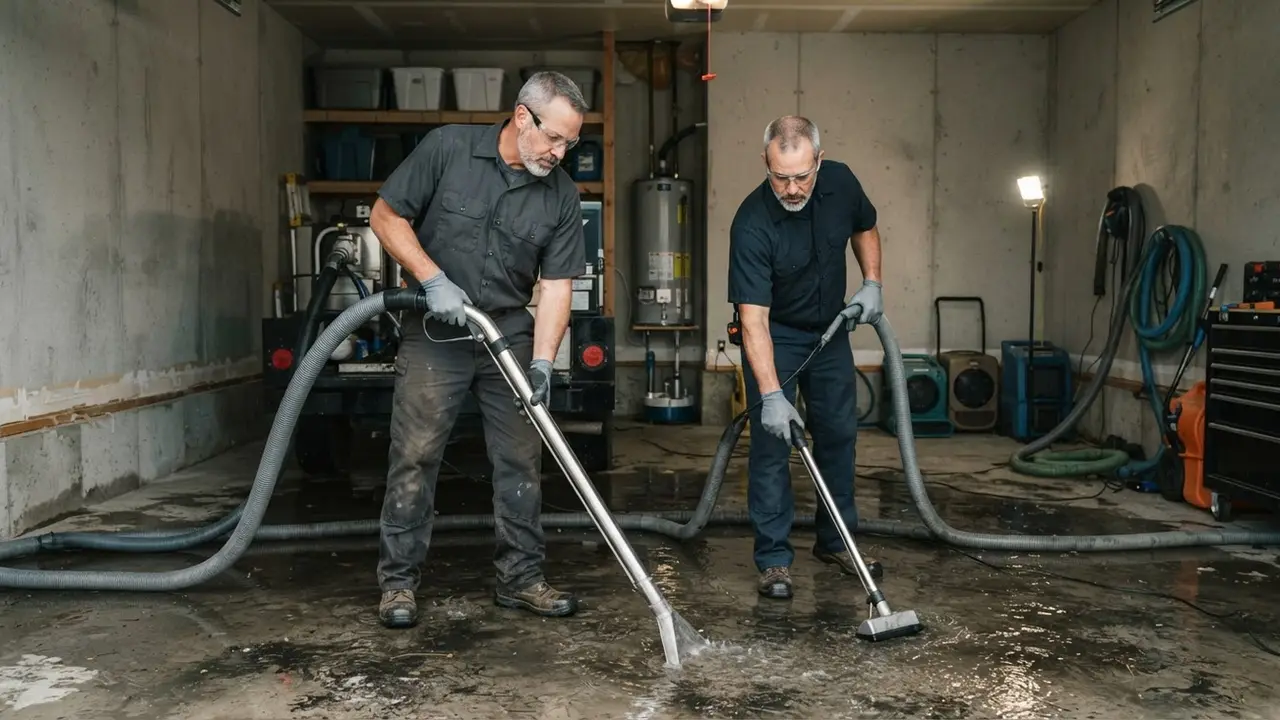
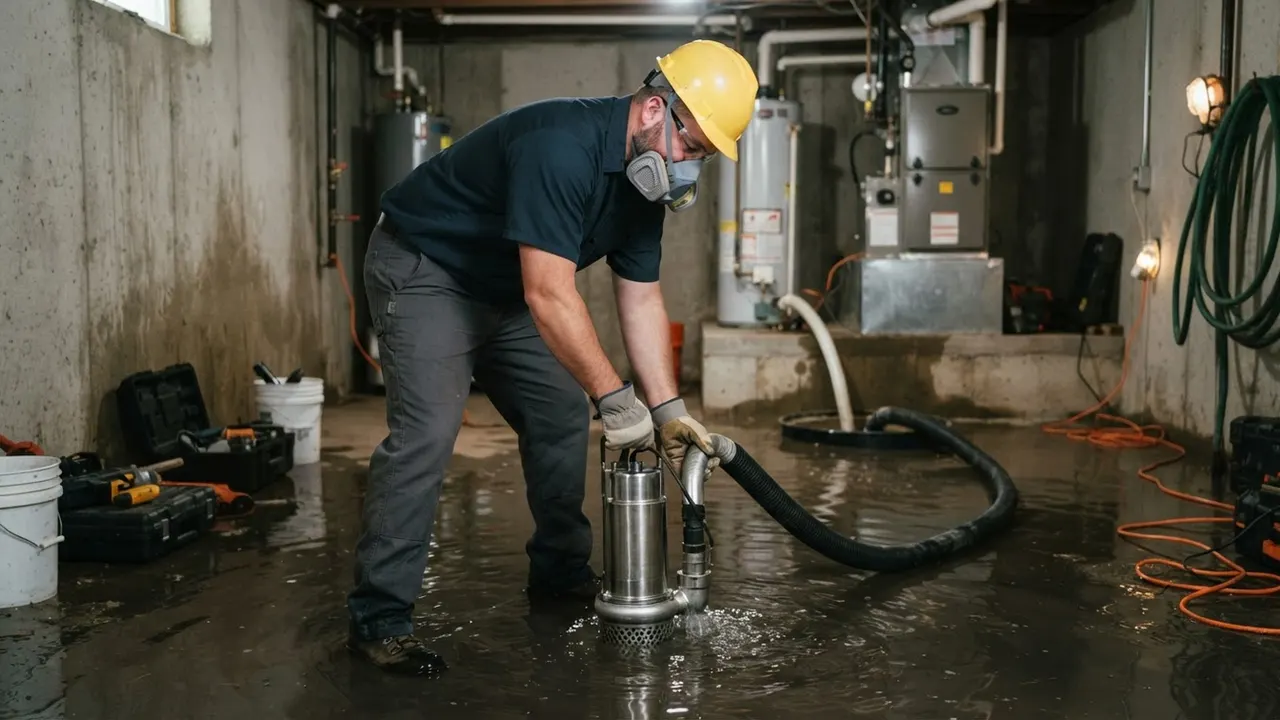
We remove pooled water with equipment suited to the depth and area, then collect wet contents that obstruct access. Extraction reduces the amount of moisture available to spread into flooring and lower walls. The method changes for contaminated water, tight spaces, or a basement with substantial standing water.
Moisture Mapping
We check affected materials with a moisture meter and use visual or thermal clues to decide where additional inspection is needed. Readings help distinguish a surface spill from water that traveled under flooring or into a wall. We record relevant findings to guide drying and repair decisions.
Drying Equipment Setup
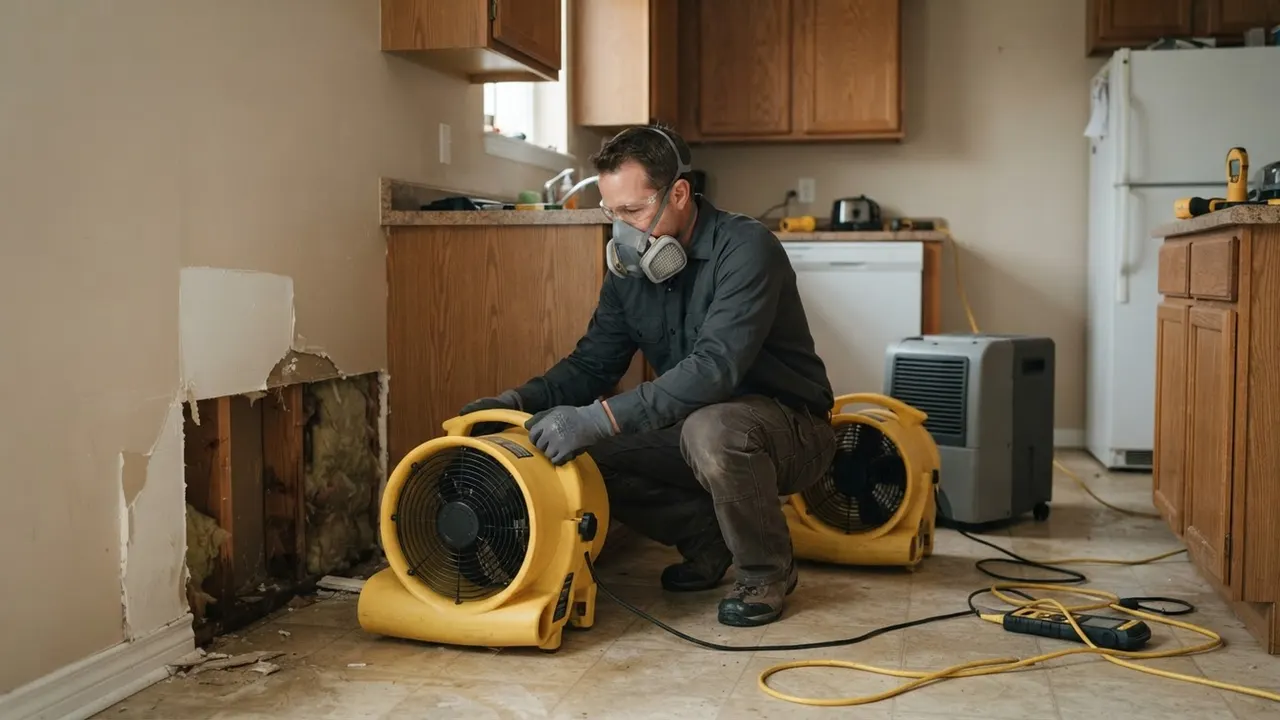
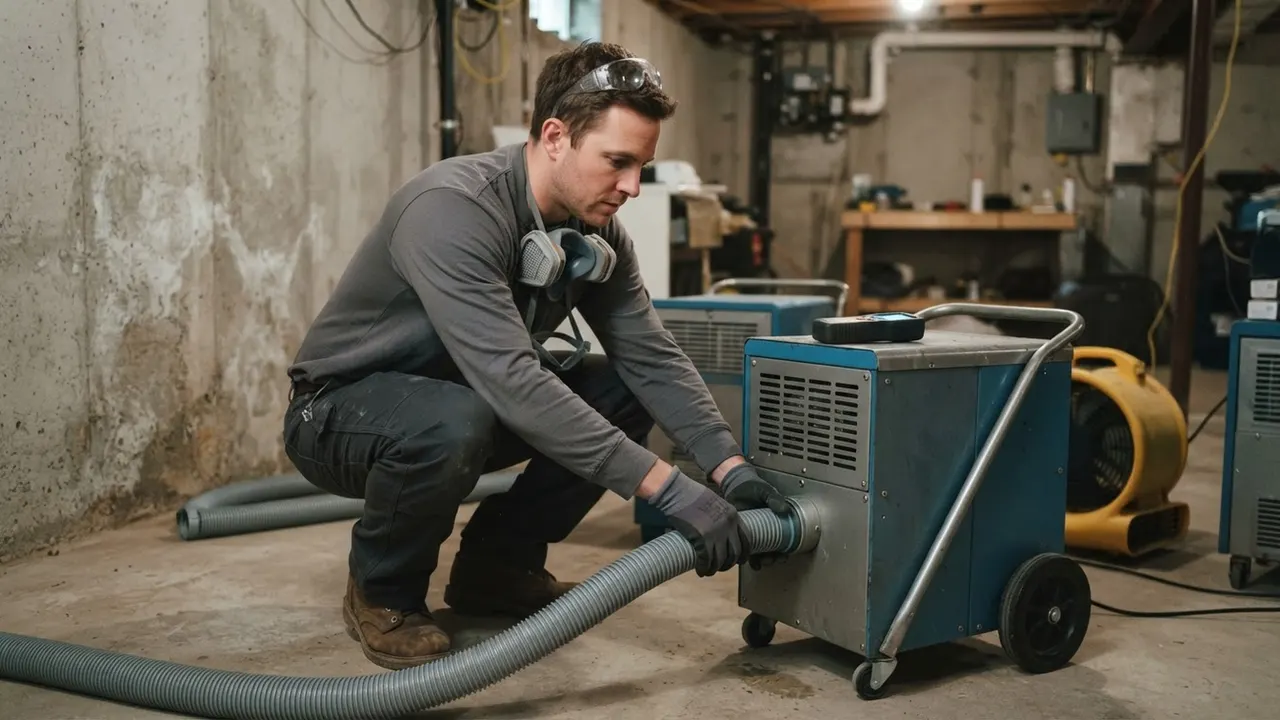
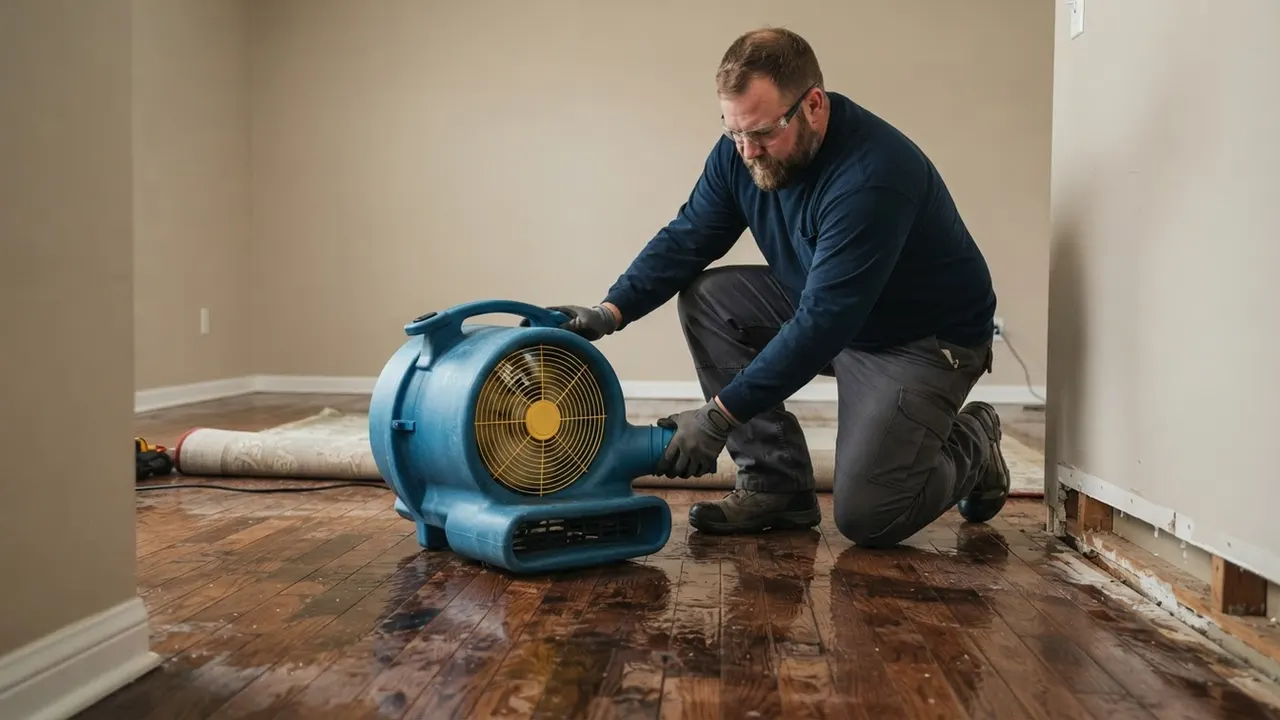
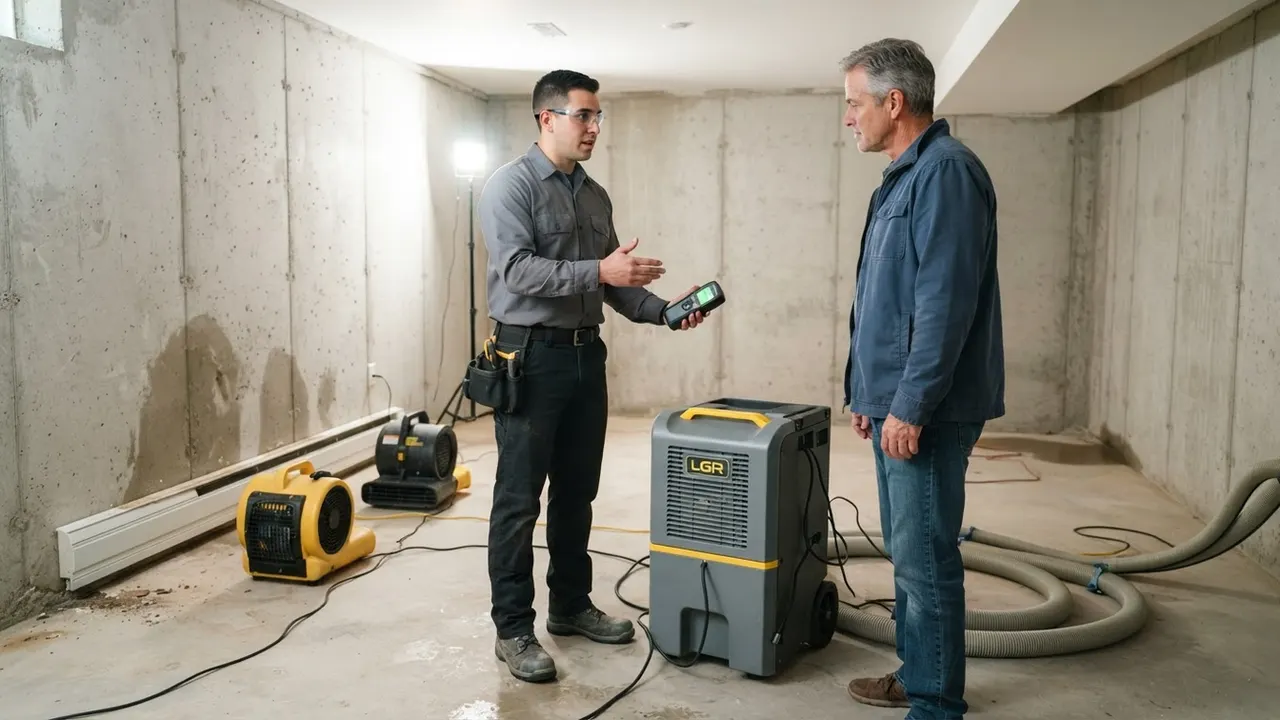
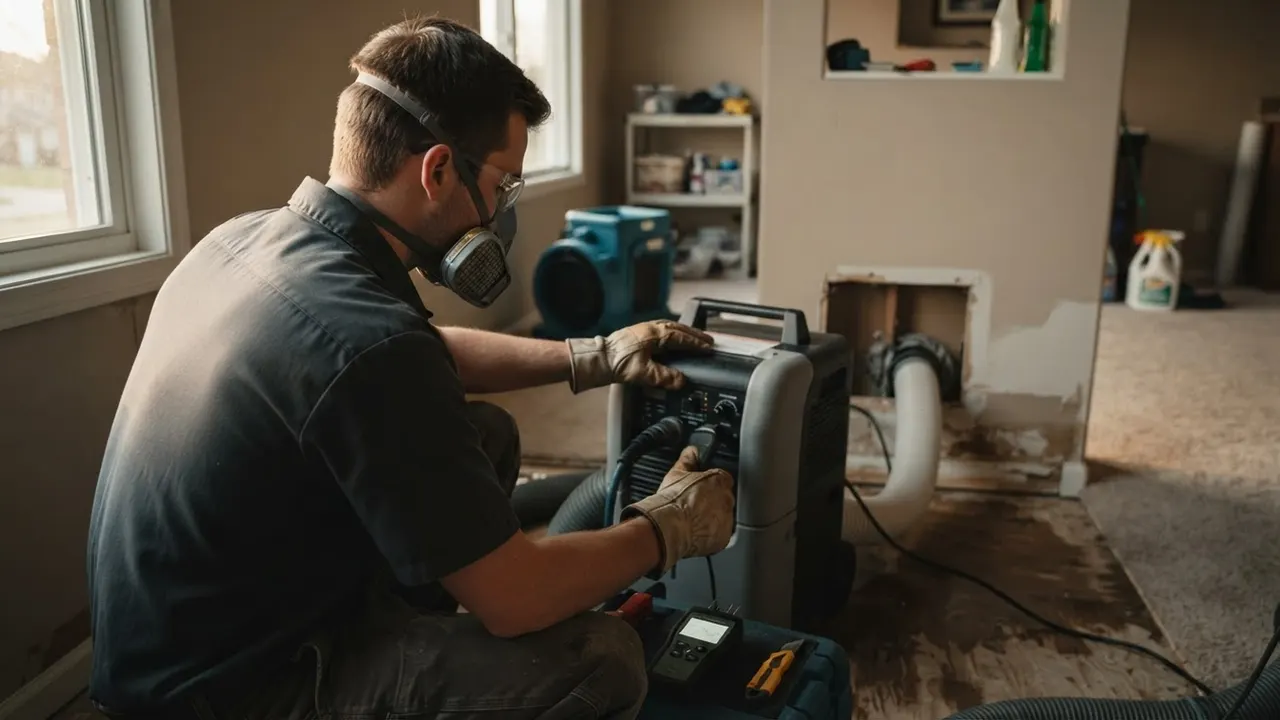
Air movers and dehumidifiers are positioned to support evaporation and moisture collection. We explain the equipment locations, expected sound, and access needs before leaving it in place. Follow-up checks show whether readings are improving and whether equipment placement needs adjustment.
Cleaning and Repair Planning
We clean suitable surfaces and identify materials that need removal or replacement after drying. If drywall or insulation is damaged, we explain the affected area and how repairs fit into the restoration sequence. Your plan reflects observed conditions rather than a generic room-by-room package.
Water Damage Restoration Hopkins MN: the Work
A plain-language look at what Water Damage Restoration involves and when it is needed.
water damage restoration Hopkins MN is a property recovery service that removes water, dries affected materials, and repairs damage after leaks or flooding. We inspect the source and affected rooms, extract standing water with a wet/dry vacuum or pump, then map moisture in drywall, flooring, and framing with a moisture meter. Air movers and a dehumidifier support controlled drying; readings guide equipment placement and duration. If materials cannot be dried safely, we remove them and prepare the area for repair. The aim is to address visible water and moisture that has traveled behind finishes.
Hopkins homes and commercial spaces face frozen pipe bursts, roof leaks, appliance leaks, and basement flooding, especially when winter temperatures stress plumbing or spring storms push water toward foundations. Hopkins Minnesota water damage restoration services start with identifying the source and separating affected materials from dry areas. If you search for emergency water damage restoration in Hopkins MN near me, tell us where water is pooling, when it began, and whether power or sewage is involved. Those details help us plan safe extraction and the first inspection.
What Happens During Restoration
Water damage restoration Hopkins MN follows a practical sequence: assess the source, remove water, dry the structure, clean affected areas, and finish repairs. We explain what we find before moving from one phase to the next. The schedule depends on how far moisture traveled and which materials can be dried in place.
Inspect and Map
We walk through the affected rooms with you, ask when the water started, and check for active leaks or safety concerns. A moisture meter helps map damp materials; an infrared thermometer and thermal imaging camera can guide closer inspection. This first visit often takes 30 to 90 minutes, depending on access and the size of the affected area. We identify urgent containment needs and explain the next step.
Stop and Extract
We address the water source when it is within the restoration work, or coordinate around a plumbing or roofing repair when needed. A sump pump or wet/dry vacuum removes standing water; sewage or contaminated water requires controlled handling and protective measures. Extraction often takes several hours for a localized loss, while widespread basement flooding takes longer. We move contents away from wet flooring and protect unaffected spaces.
Set Drying Equipment
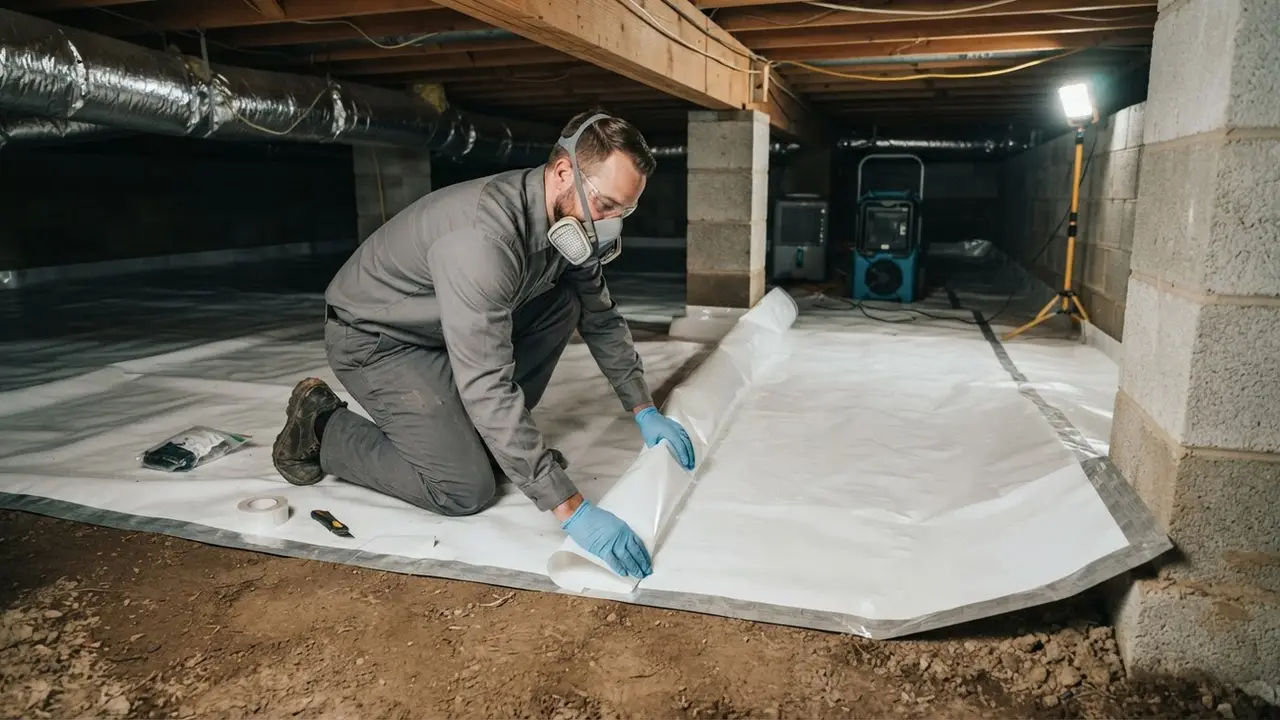
After extraction, we position air movers and dehumidifiers to circulate air and collect moisture. We use plastic sheeting when containment helps keep dust or damp air from spreading into clean rooms. You will see equipment in place and receive an explanation of noise, access, and electrical needs. Drying commonly lasts 3 to 5 days, but readings and material type determine when equipment can come out.
Clean and Check
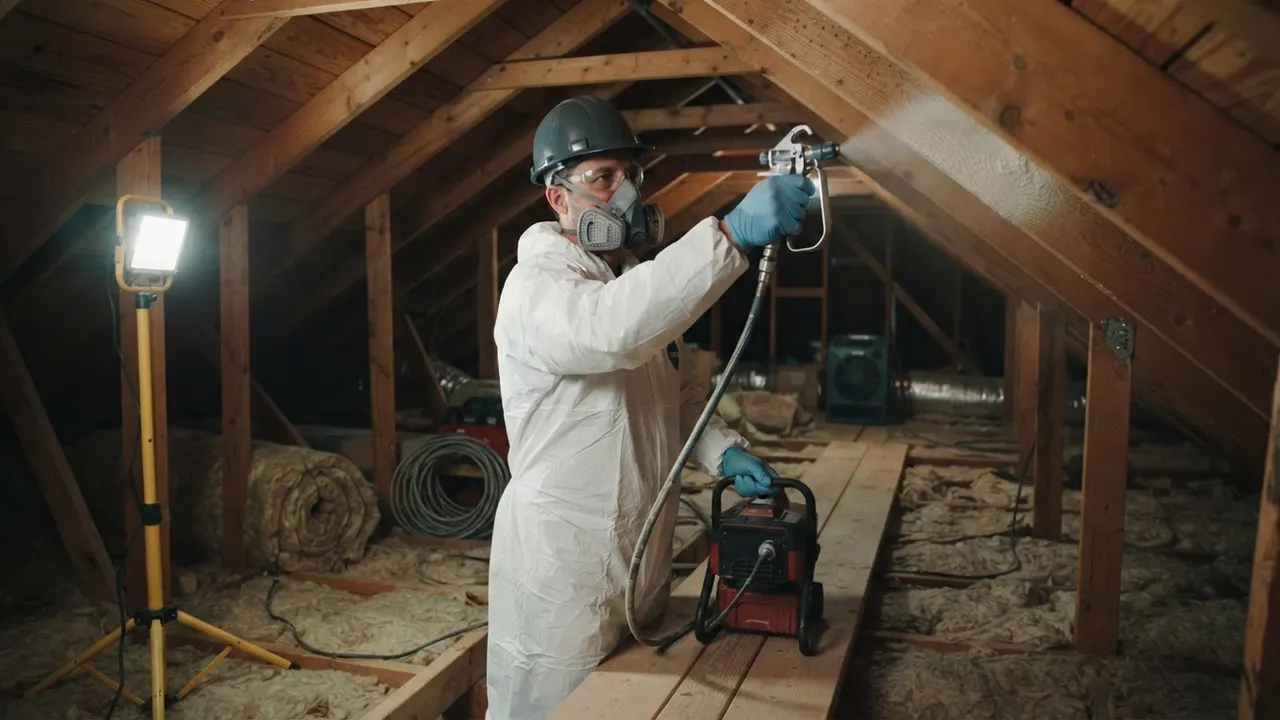
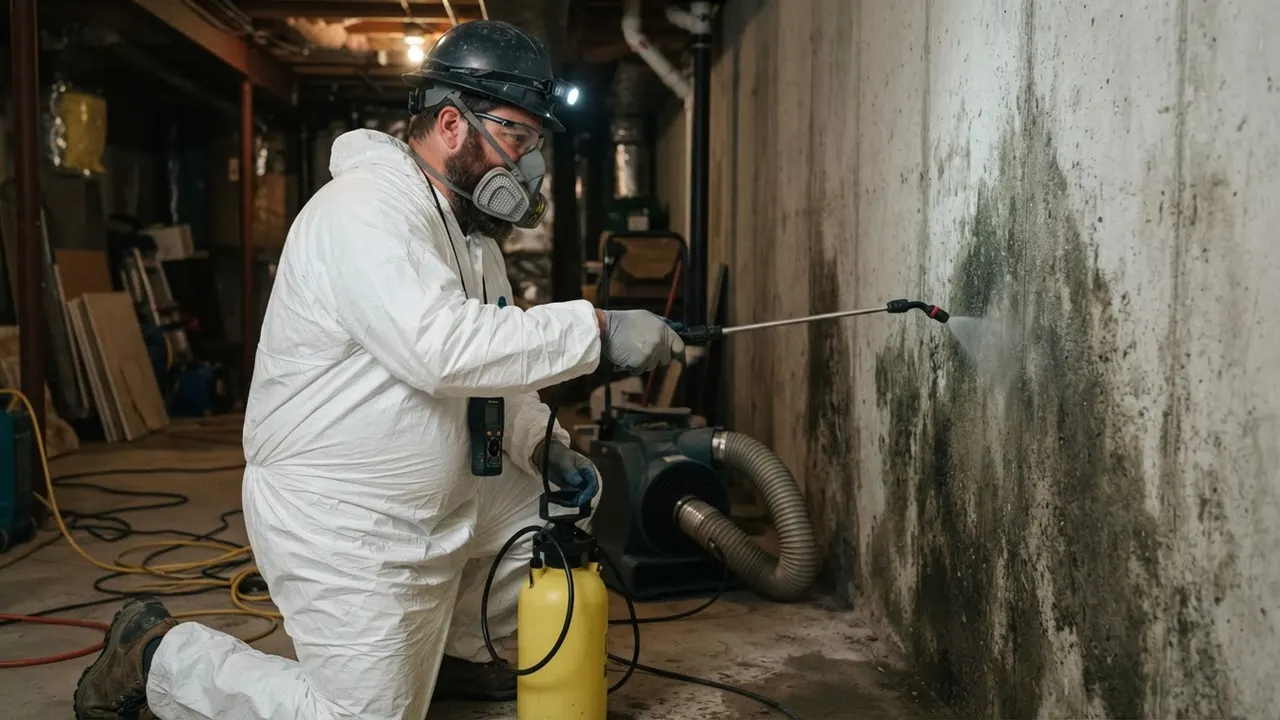
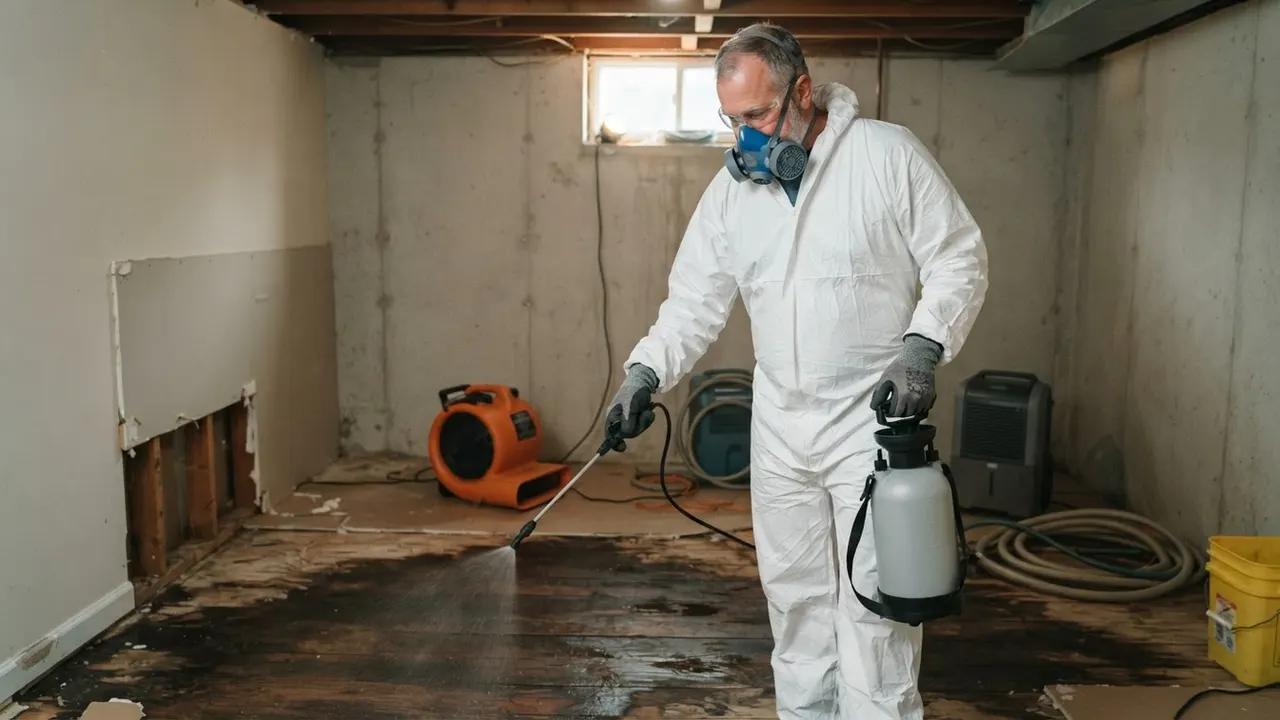
We clean affected surfaces with methods suited to the material and water category, then recheck moisture readings as drying progresses. Where appropriate, an antimicrobial spray is applied according to its label and the condition of the surface; it does not replace removal of unsalvageable material. We document readings and adjust equipment when a wall cavity or flooring assembly remains damp. You get progress updates and a clear next action.
Repair and Restore
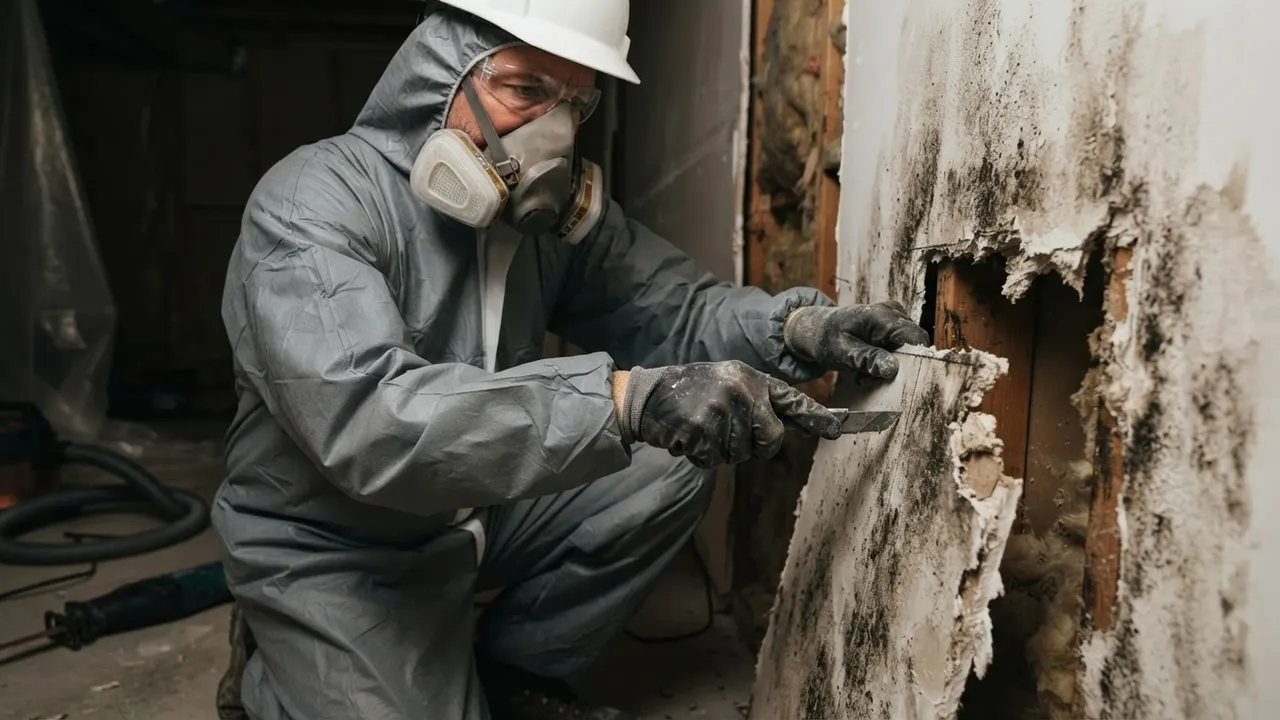
After the structure reaches an appropriate dry condition, we remove or prepare damaged materials and complete agreed restoration work. That may include replacing drywall or insulation, applying sealant at a repaired area, and coordinating finish work. The timeline varies: a contained room can take several days to dry and additional days for repairs, while larger losses take longer. We review the completed area with you before closing the job.
Tools and Drying Methods
Move across a circle, or focus it and press Enter, for an illustrative thermal view of the photograph.
Thermal Imaging Camera
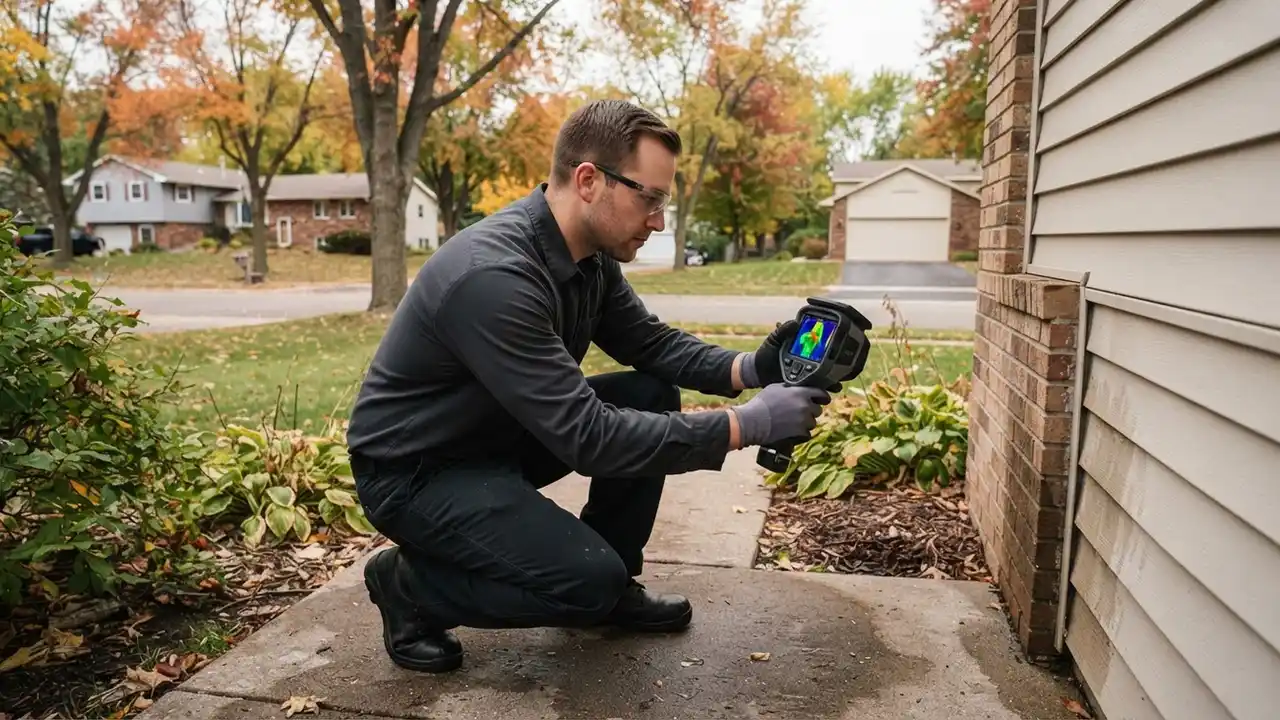
We use temperature patterns to identify areas that deserve closer moisture checks; the camera guides inspection but does not replace direct readings.
Moisture Meter
This tool checks moisture in accessible building materials and helps track whether drying conditions are changing over follow-up visits.
Air Mover
Air movers circulate air across wet surfaces to support evaporation; placement is adjusted to the room and the materials being dried.
Dehumidifier
A dehumidifier collects moisture from the air as wet materials release it, supporting controlled structural drying in enclosed spaces.
HEPA Vacuum
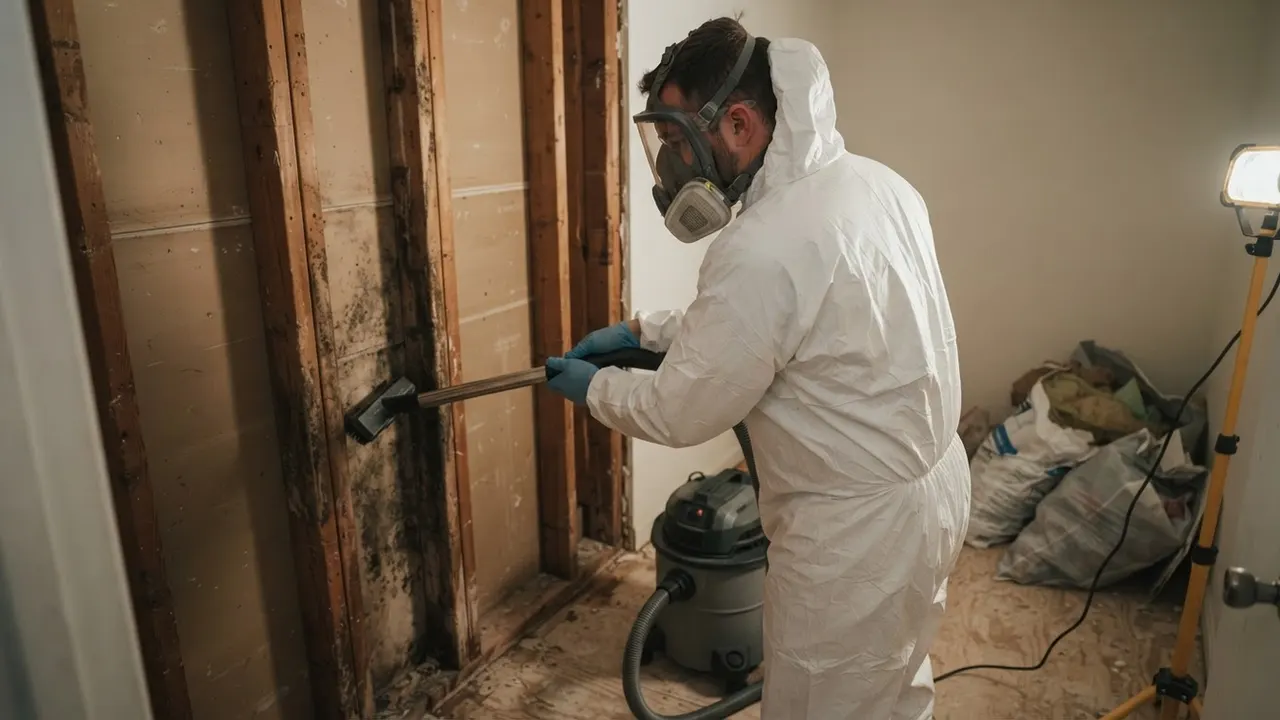
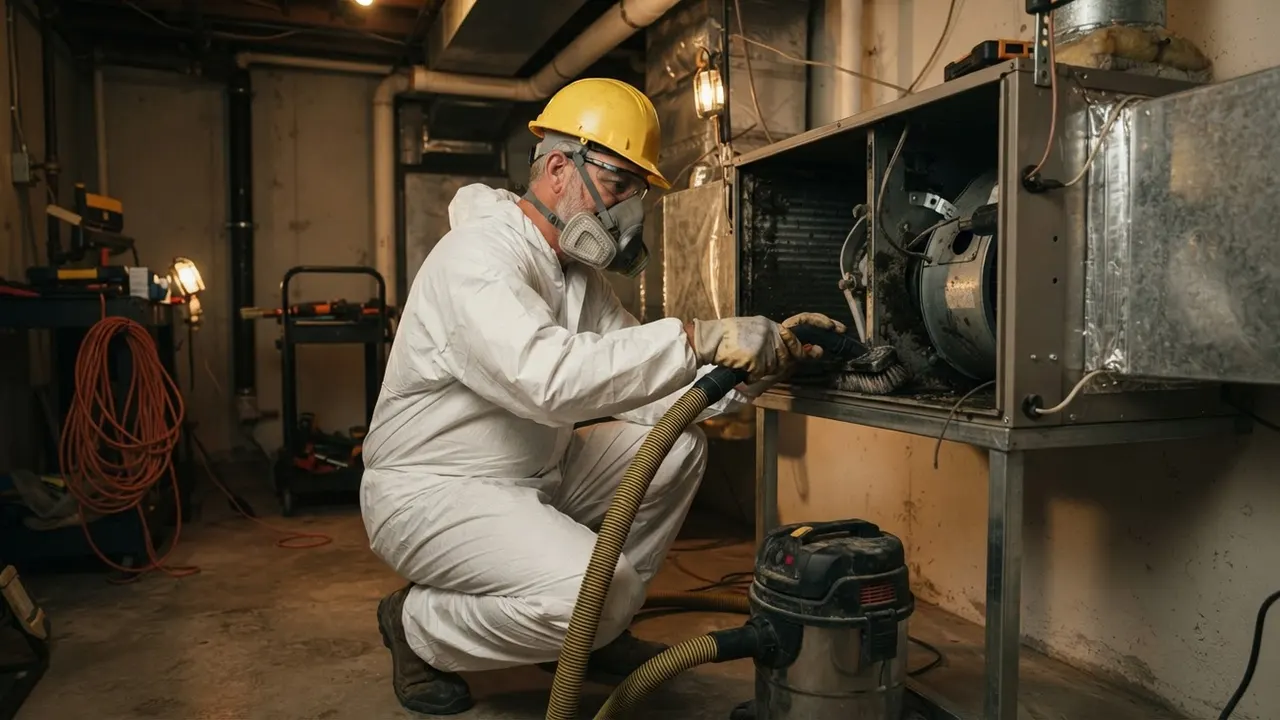
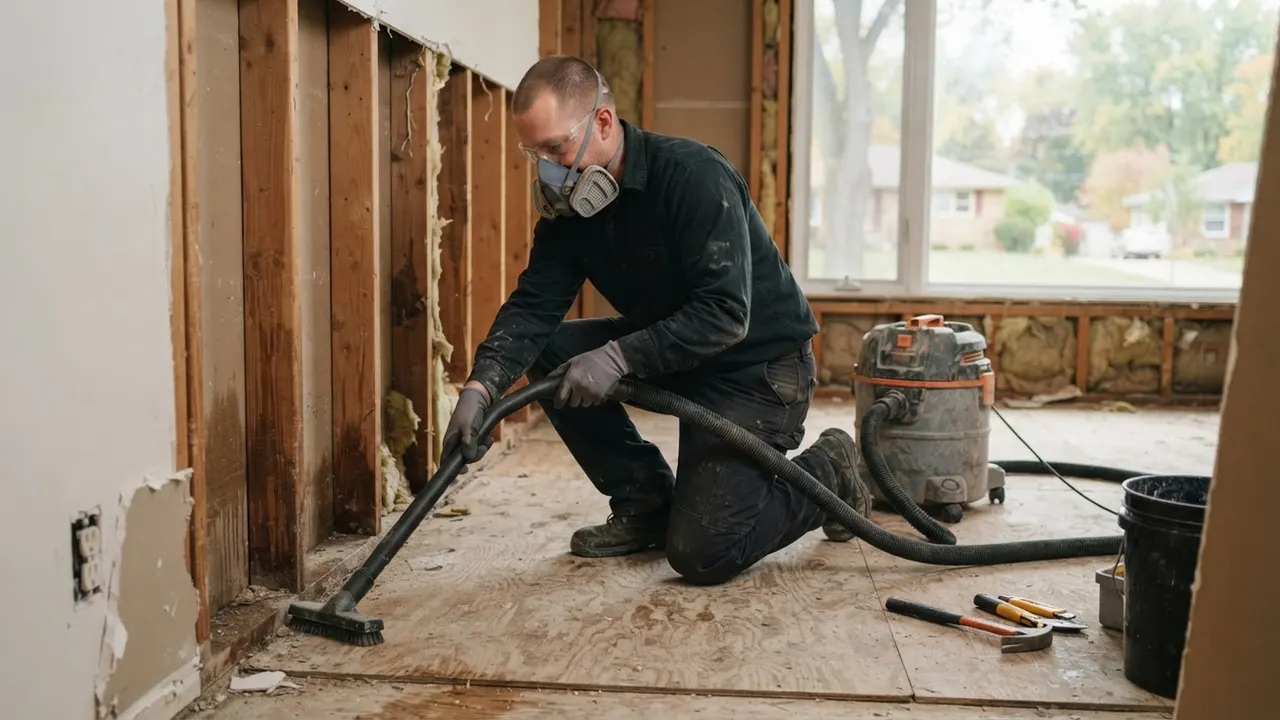
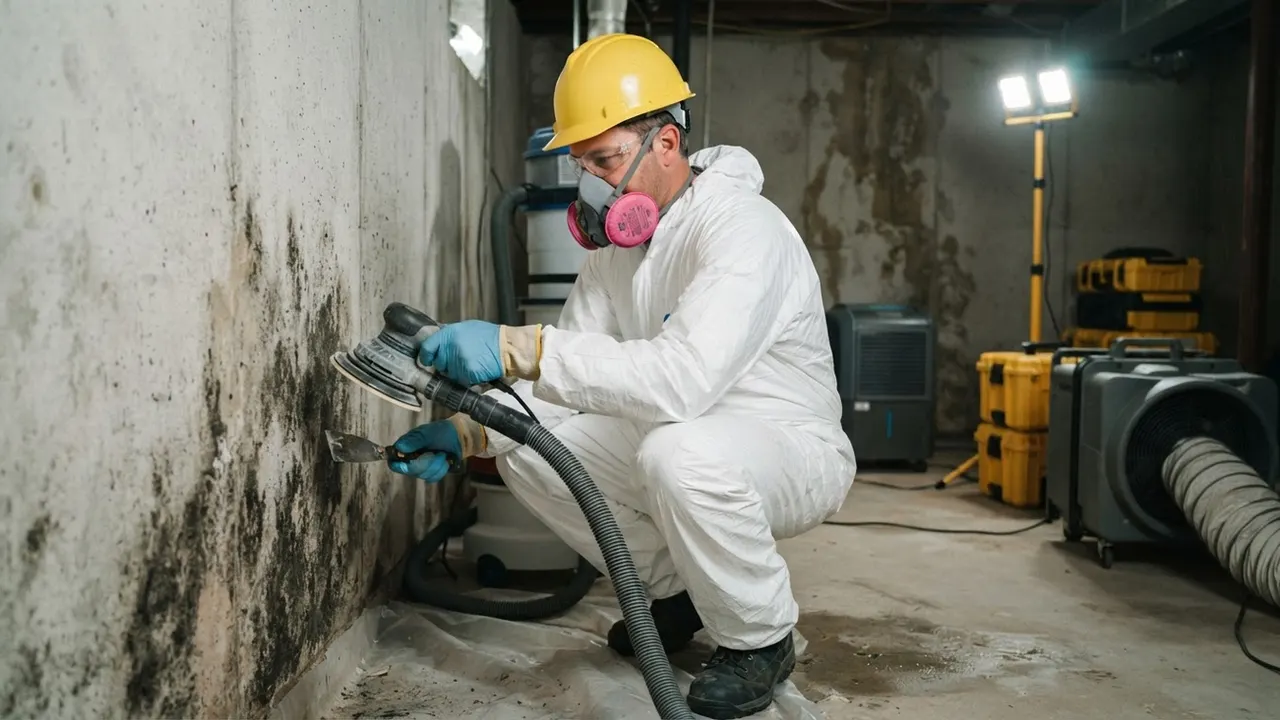
A HEPA vacuum collects fine particles during suitable cleanup work and helps keep dust from spreading beyond the active work area.
Thermal views are illustrative, generated from the photographs.
Methods
Phoenix Restoration Equipment
This equipment brand includes restoration drying systems used for water mitigation; selection depends on the affected area and site conditions.
IICRC water restoration principles
We assess water category, affected materials, and the extent of migration before selecting extraction and drying steps. The work proceeds from source control to water removal, cleaning, monitoring, and repair planning. This sequence helps match the response to the loss rather than relying on the same equipment setup for every property.
Moisture mapping and monitoring
We record readings at relevant surfaces and compare them during the drying period. A reading is useful only in context: material type, location, and nearby unaffected areas matter. We use the pattern to adjust equipment or investigate a cavity, then explain what the readings mean for the next stage.
Containment and surface protection
We use barriers such as plastic sheeting when they help separate the work area from occupied or unaffected rooms. Equipment and contents are positioned to preserve access where practical. For contaminated water or dusty removal tasks, containment and cleanup methods are selected to reduce cross-contamination and protect the surrounding property.
Documented repair planning
Photos, moisture notes, and observed material conditions help connect mitigation to repair. We identify what was extracted, what was dried, and what needs removal or replacement. If an insurance claim is involved, these records give you organized information to discuss with your carrier without implying a coverage decision.
When to Call for Restoration
A Pipe Bursts Overnight in a Hopkins Home and Water Reaches the Basement Ceiling Below.
We start by checking whether water is still flowing and which rooms are affected. After the plumbing source is stopped, we extract water, inspect the ceiling and adjoining wall, and set drying equipment where readings show moisture. We document materials that need opening or replacement and explain the sequence before repair work.
Outcome: You get a mapped affected area, water removed, and a drying plan that accounts for both the basement and the room above.
Spring Rain Enters a Lower-Level Room Near Excelsior Boulevard and Dampens Stored Boxes and Carpet.
We remove standing water, separate wet contents from dry items, and check the carpet, pad, and lower wall for moisture. If water entered through the foundation, we note the likely entry area while restoration proceeds. We dry salvageable materials and identify items or finishes that require replacement.
Outcome: The room is cleared for drying, contents are sorted by condition, and the next steps address both damage and the observed entry point.
A Commercial Appliance Line Leaks After Closing and Affects Flooring Near an Occupied Office.
We coordinate access with the property contact, isolate the wet area, and move equipment or contents that block extraction. Moisture readings guide placement of air movers and dehumidifiers, while protected routes help keep unaffected work areas accessible. We document the condition for the property file.
Outcome: The affected zone is contained and drying begins with a record of impacted materials, helping management plan room access and repairs.
A Storm Damages a Roof in Hopkins and Water Appears as a Ceiling Stain the Next Morning.
We inspect the stain and nearby ceiling, check for damp insulation or framing, and help limit further exposure once temporary roof protection is appropriate. After the source is secured, we extract any pooled water and dry affected materials. We explain what can remain and what needs repair.
Outcome: You know whether the damage extends beyond the visible stain, and the interior can dry before replacement finishes are installed.
Downtown HopkinsBlake Road CorridorMainstreet
Water Damage Work Across Hopkins
Hopkins buildings range from older homes with finished basements to apartments and commercial spaces with shared walls, utility rooms, and layered flooring. That variety changes how water travels and how we set up drying. A leak in a second-floor unit, for example, can affect a ceiling below before it reaches the floor surface.
During Minnesota winters, frozen plumbing can release water behind cabinets; spring storms and thaw periods can expose basement seepage or roof leaks. Our Hopkins Minnesota water damage restoration services begin with the source and the building layout, then move to extraction and moisture checks. We serve Hennepin County and work across residential and commercial properties, including 55343 and 55305.
We keep the process grounded in site readings, material condition, and the repair needed to return the space to use.
Downtown Hopkins: Mixed-use buildings can have shared walls and stacked floors, so we check rooms above and below the visible water mark.
Blake Road Corridor: Basement and utility-room leaks can affect stored contents and lower wall finishes; we map the full wet perimeter before drying.
Mainstreet: Commercial interiors need clear access planning, especially when a leak affects customer areas or shared building services.
Interlachen: Homes with finished lower levels benefit from checks behind baseboards and around flooring transitions after seepage or plumbing leaks.
Winter freezes place stress on exposed or poorly insulated plumbing: A burst line can release water inside a wall or cabinet and continue unnoticed. We check the likely pipe route and adjoining rooms, then coordinate extraction and drying after the source is stopped.
Spring thaw and heavy rain can expose basement entry points: Water can collect at the floor edge, soak carpet pad, or enter through a foundation opening. We remove standing water, inspect lower materials, and document conditions that point to recurring entry.
IllustrativeThe thermal view is generated from the photograph. It is not a measurement. Drag the handle, or use the arrow keys once it is focused.
Basement Pipe Leak Recovery
Before: A frozen pipe leaked into a finished basement, soaking carpet and the lower part of a drywall wall. Boxes blocked part of the perimeter, and the homeowner could see water but not how far it had traveled. The room smelled damp, and the source had only recently been stopped.
After: We extracted pooled water, moved contents to a dry staging area, and checked the wall and floor edge with a moisture meter. Air movers and a dehumidifier ran for 4 days, with readings reviewed during follow-up. Wet drywall and insulation were identified for removal before the finish repair plan was set.
Keep stored items several inches off basement floors and check plumbing enclosures before deep freezes. After a leak, move contents away from the wall and report when the water began so inspection can follow the likely path.
Appliance Leak in a Kitchen
Before: A refrigerator supply line leaked beneath the kitchen flooring and cabinet toe-kick. The surface showed a small darkened area, but the underlayment and cabinet base felt soft. The homeowner had shut off the line and placed towels over the visible water.
After: We removed remaining water, checked the adjoining flooring and cabinet base, and set drying equipment in the affected area. Moisture readings were tracked over 3 days. The repair plan separated salvageable flooring from damaged underlayment and identified the cabinet section that needed replacement.
Inspect appliance hoses and connections periodically, especially after moving a refrigerator or dishwasher. If a new stain or soft spot appears, stop the water source and avoid covering the area with rugs until it has been checked.
Storm Water at the Ceiling
Before: After a storm, a ceiling stain appeared below a roof leak near an exterior wall. Paint had begun to bubble, and the occupant was unsure whether the insulation above was wet. Water entry had stopped temporarily, but rain was forecast again.
After: We checked the ceiling and nearby wall, documented the affected finish, and coordinated drying after temporary roof protection was in place. A moisture check found a limited wet area beyond the stain. Drying equipment ran for 3 days before the damaged ceiling section was prepared for repair.
After roof repairs, check the ceiling and upper wall during the next rainfall. Keep the affected area clear and report new staining promptly; repeated wetting can enlarge damage and complicate finish repairs.
Problems We Solve After Water Intrusion
A small leak can hide behind a cabinet, while a basement flood can affect belongings, finishes, and framing at once. Hopkins water damage restoration addresses the source, the wet materials, and the repair path. If you are comparing an affordable water damage restoration services Hopkins MN option, look for a plan that explains measurements and material decisions, not just extraction.
Water trapped beneath flooring after a quiet appliance leakMoisture can swell flooring and underlayment, loosen adhesive, and spread into nearby cabinets before the surface looks seriously damaged. We trace the affected footprint from the appliance connection into adjacent flooring and cabinet bases. After extraction, we check accessible materials and decide whether drying in place is practical or removal is needed. We then document the affected area and explain repair sequencing so you are not left guessing what lies beneath the visible stain.
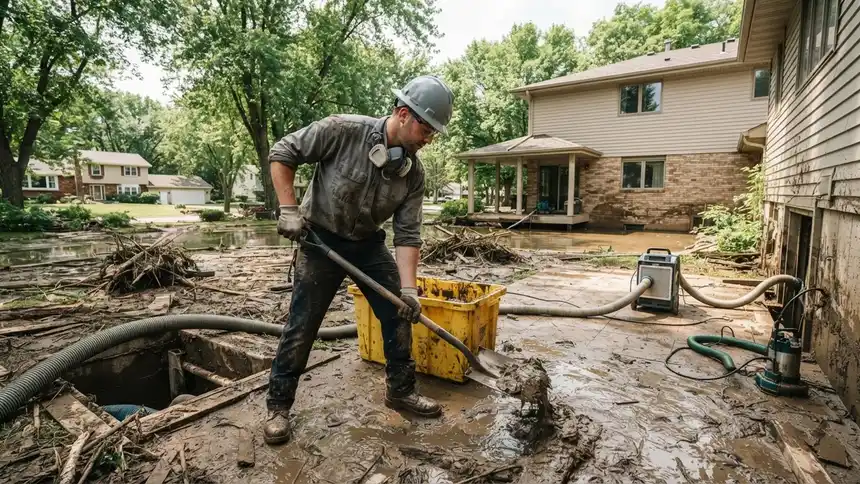
Basement flooding after a sump or drain problemStanding water can soak stored belongings, lower drywall, and insulation; persistent dampness can lead to odor and material deterioration. We remove standing water with equipment sized to the conditions, separate salvageable contents, and inspect the lower wall perimeter. A sump pump issue or drain backup also needs its source addressed. Once the water is out, we dry the structure, track readings, and outline which finishes can be restored.
A frozen pipe burst inside a wall or ceilingWater can travel along framing and appear far from the break, leaving hidden wet insulation or ceiling material that continues to sag. We locate visible spread, check adjoining rooms, and coordinate with the plumbing repair that stops the leak. Extraction and drying follow, with targeted inspection around the pipe route. If drywall must be opened to reach wet insulation, we explain the reason and protect nearby areas during the work.
Roof leak that keeps wetting interior finishesRepeated water entry can stain ceilings, weaken drywall, and dampen insulation, while each storm adds moisture to the same area. We document the ceiling and nearby wall conditions, help limit further entry through appropriate temporary protection, and dry materials after the roof opening is secured. We check for moisture beyond the stain line and identify finishes that need repair. This keeps cleanup connected to the source rather than treating the mark alone.
Practical Recovery, Room by Room
Water damage affects more than the wet spot you see. Our team tracks moisture into adjoining walls, floors, and contents, then explains what needs drying, cleaning, or removal. You get a clear sequence of work, daily equipment checks where needed, and a path from water removal to repairs without vague promises.
Find Hidden Moisture
A thermal imaging camera helps us locate temperature patterns that point to damp areas behind finishes; a moisture meter confirms readings in accessible materials. We check the room edges, baseboards, and nearby cavities instead of treating only the visible puddle. That targeted inspection helps prevent missed wet spots from complicating residential water damage restoration Hopkins Minnesota.
Control the Drying
We place air movers and a dehumidifier to move moisture out of wet building materials and into the air for collection. Equipment placement depends on the room layout and measured moisture, not a one-size setup. We record readings and adjust airflow as the structure dries, so you can see whether conditions are improving.
Protect Salvageable Items
We separate affected belongings from wet surfaces, identify items that need specialized cleaning, and keep the work area organized. For a small appliance leak, that can mean moving furniture, lifting removable rugs, and protecting dry contents with plastic sheeting. A tidy staging area makes restoration easier and reduces avoidable contact with damp materials.
Plan Repairs Clearly
Once drying is complete, we identify damaged drywall, insulation, trim, or flooring that needs repair or replacement. Our team can organize the restoration sequence and document visible damage for your records. For estimates involving an insurance claim, Xactimate may be used to itemize work; the actual repair plan follows the conditions found on site.
Field Knowledge That Guides the Work
Our team uses established water mitigation practices to make decisions from site conditions rather than guesswork. Training such as IICRC WRT covers water restoration principles, while IICRC ASD addresses applied structural drying.
IICRC WRT training informs water extraction, material assessment, and restoration sequencing.
IICRC ASD principles guide air movement, dehumidification, and structural drying decisions.
Moisture readings are tracked at affected surfaces and checked again during drying.
Service ZIP Codes.
A list like this tells people straight away whether you cover their street. Not listed? Call and ask: it only takes a minute.
A washing machine hose let go while we were out, and water reached the hallway and the room below. The crew checked the baseboards and flooring with a moisture meter, then set air movers and a dehumidifier. They explained what the readings meant and came back to check progress. We appreciated knowing which flooring needed attention before repairs started.
After a winter pipe burst, the basement carpet was soaked and the wall near the laundry area felt damp. The team extracted the water, moved boxes away from the wet area, and checked the wall instead of stopping at the carpet. They kept us updated as drying continued and showed us the areas that were ready for repair.
A roof leak affected a ceiling and part of a shared office wall after a storm. The crew protected the work area, documented the damage, and used drying equipment while we arranged the roof repair. Their photos and notes helped us track the affected rooms, and the team explained when the wet materials could be addressed.
Water Damage Restoration Questions
Typical 2026 pricing depends on water category, affected square footage, materials, access, and whether demolition or reconstruction is needed. We inspect the damage, explain the work, and provide upfront pricing before proceeding. Emergency extraction, sewage contamination, and moisture inside multiple walls increase labor and equipment needs. Keep photos and any leak details for your records.
Most drying phases take 3 to 5 days, while complete restoration can take 1 to 3 weeks. Water damage restoration in Hopkins Minnesota takes longer when moisture reaches wall cavities, insulation, or multiple floors, or when replacement materials must be installed. We check moisture readings during drying and adjust equipment as conditions change. A small, accessible leak may finish sooner; a flooded basement with damaged finishes requires extraction, drying, cleaning, and repair in sequence.
Insurance often covers sudden, accidental water damage, but coverage depends on your policy and the cause. Water damage repair Hopkins MN after a burst pipe may be treated differently from gradual seepage, neglected maintenance, or floodwater. Contact your insurer promptly, take photos, and keep receipts or restoration records. We can document affected areas and describe work performed, but your carrier determines coverage, deductibles, and claim decisions.
Choose a Hopkins contractor who inspects hidden moisture, explains the drying plan, and documents the work. Ask how the team tracks moisture, handles contaminated water, protects unaffected rooms, and coordinates repairs. For a basement loss, a basement water damage restoration company Hopkins MN should explain how it checks walls, flooring, and stored contents rather than only pumping out visible water. We can walk you through those steps and discuss the conditions at your property.
Water spreading through a room needs a clear first step. Call Hopkins Water Damage Company at (833) 546-4116 and tell us what happened, where water is showing, and whether the source is still active. Our team will discuss the next practical action and arrange an inspection.
Call Hopkins Water Damage Company at (833) 546-4116 to describe a leak, fire, mold concern, or basement water problem. We connect you with independent companies serving Hopkins, Minnesota, including ZIP codes 55343 and 55305. Tell us the property type, affected area, and whether the source is still active so the provider can understand what help you need.