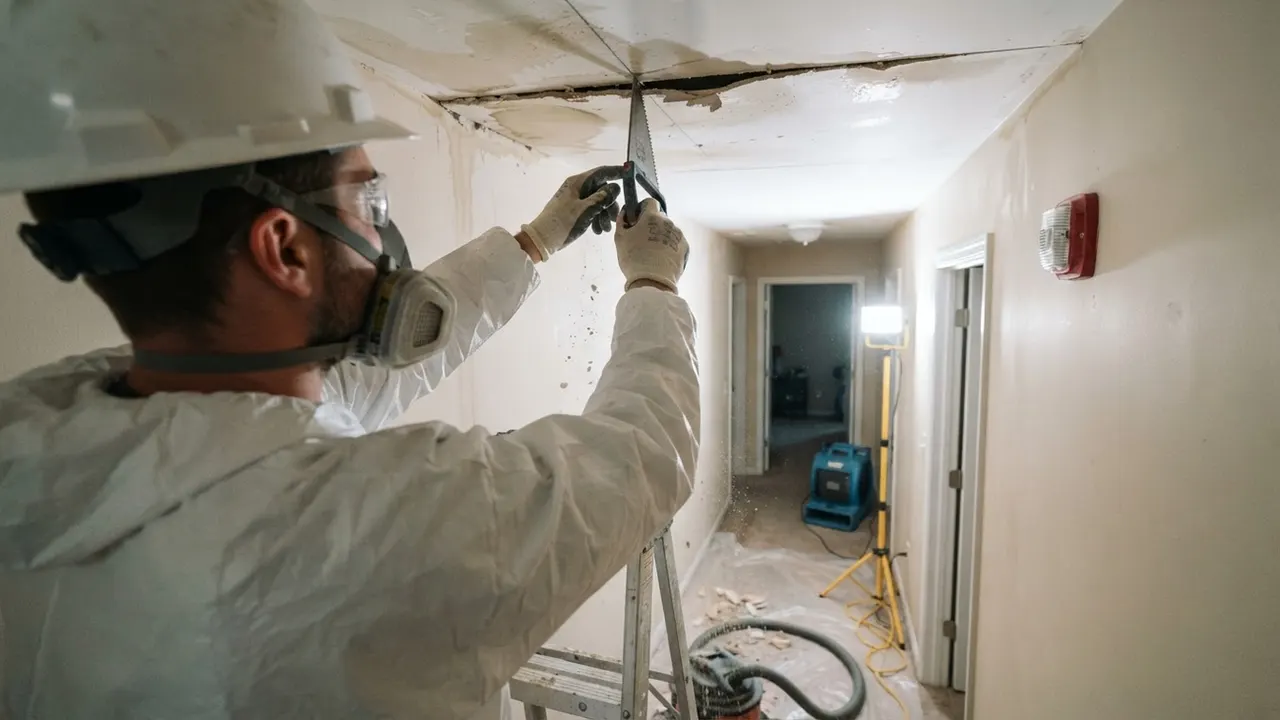
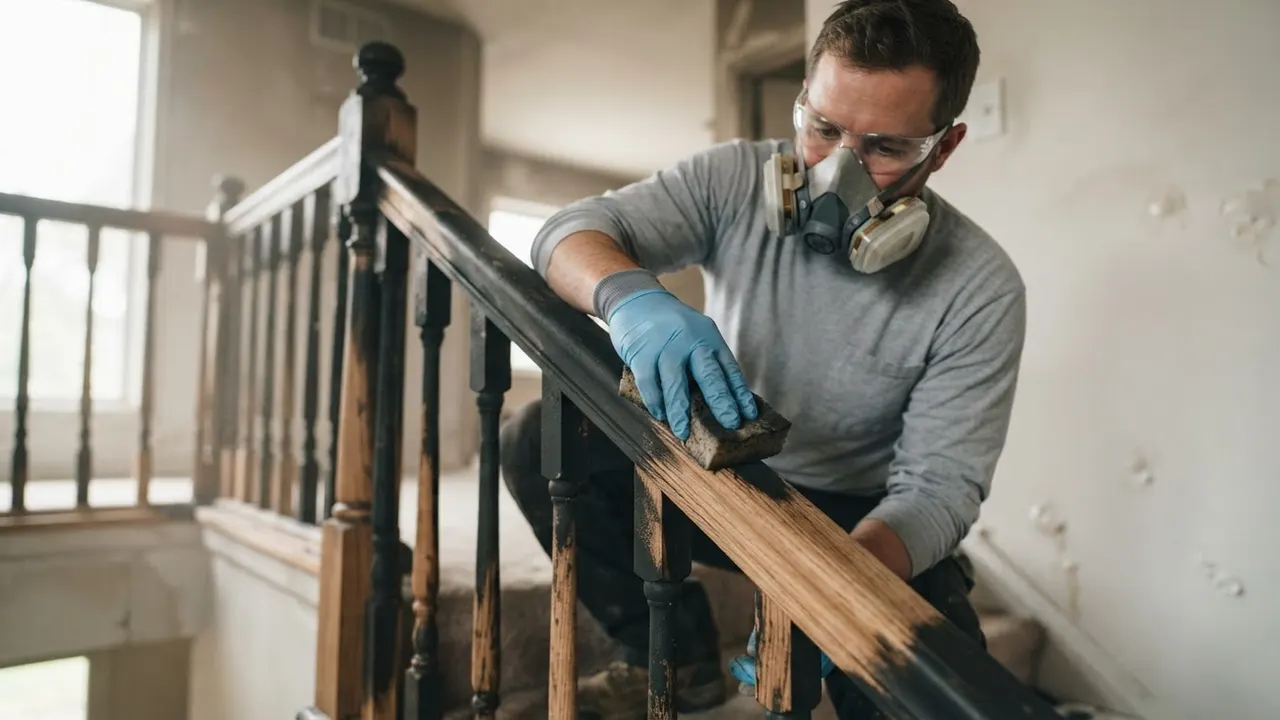
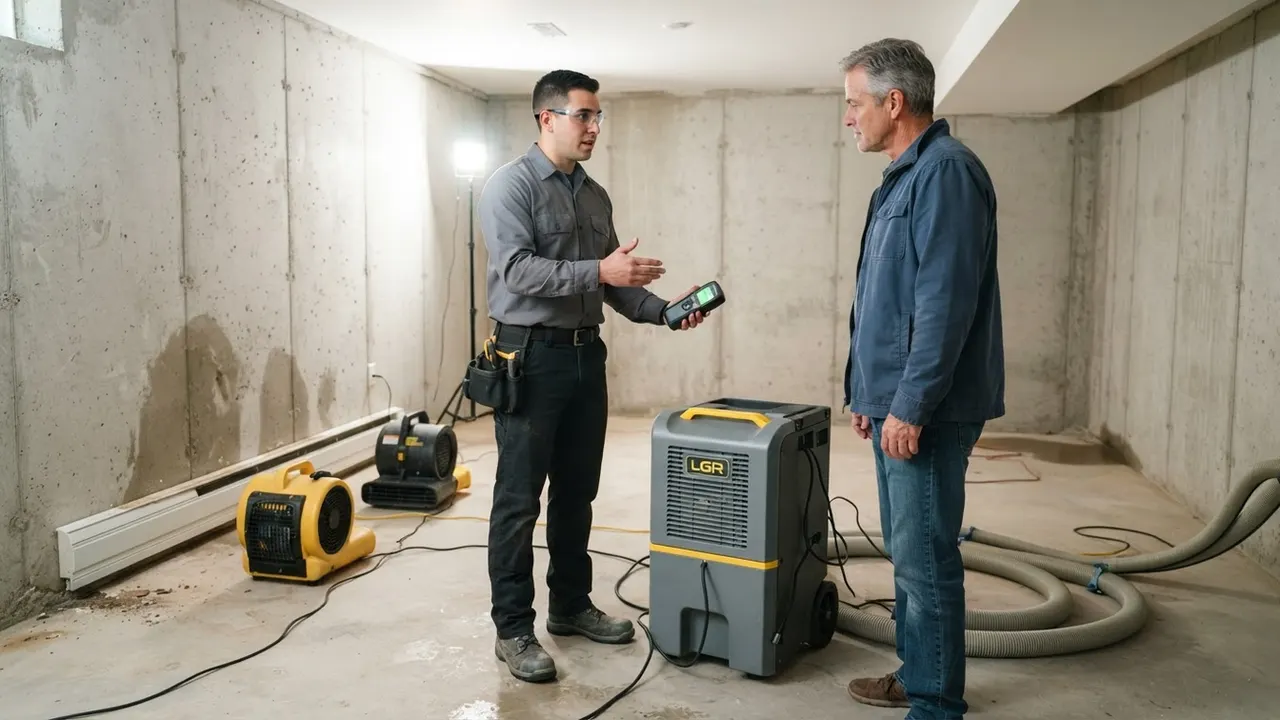
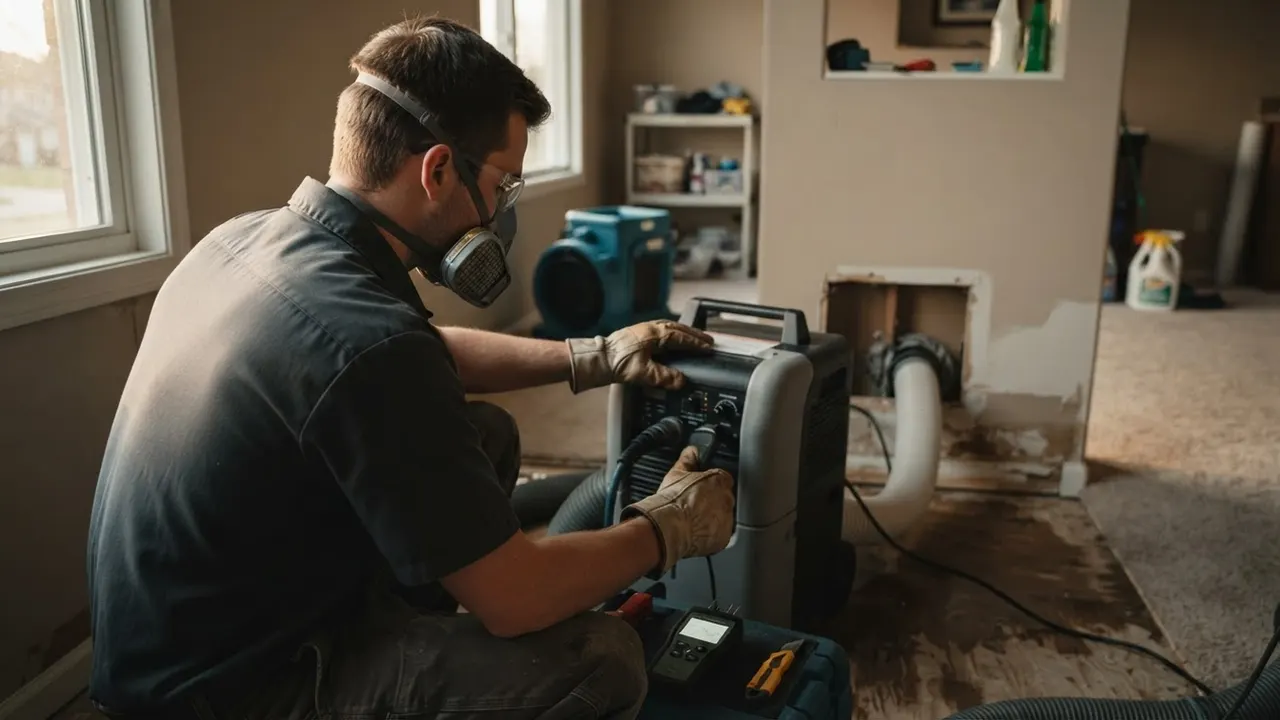
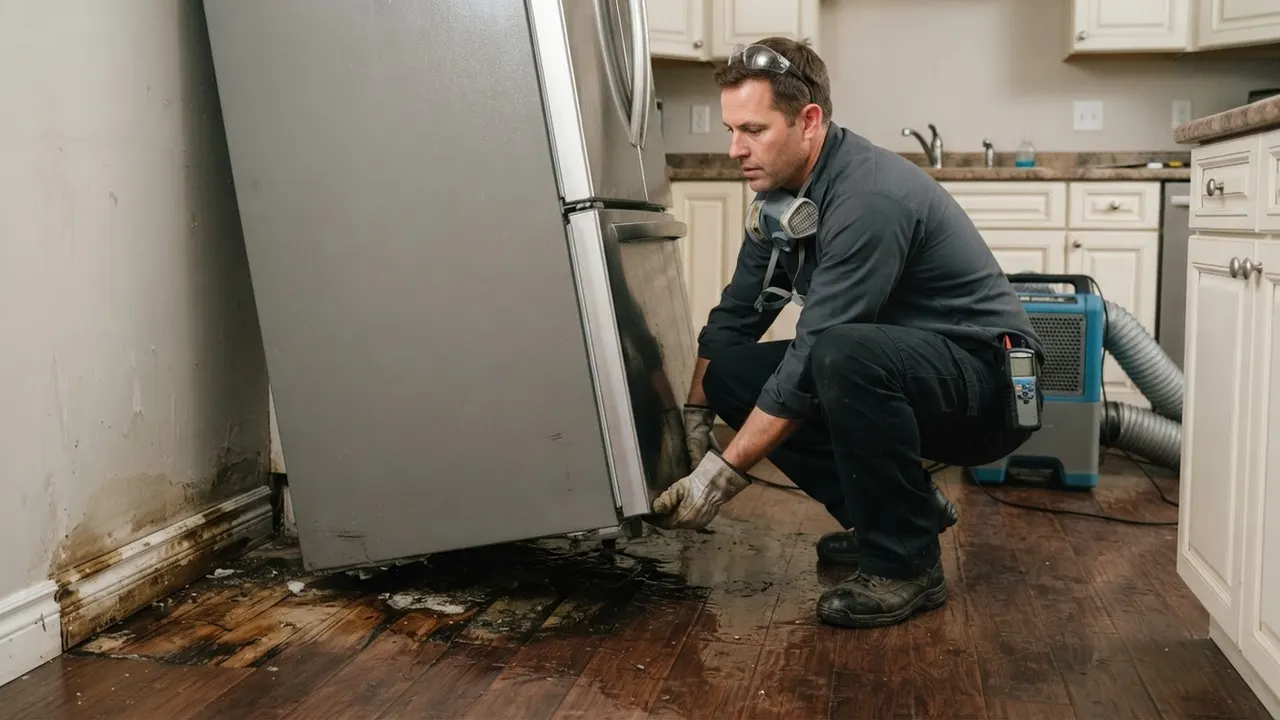
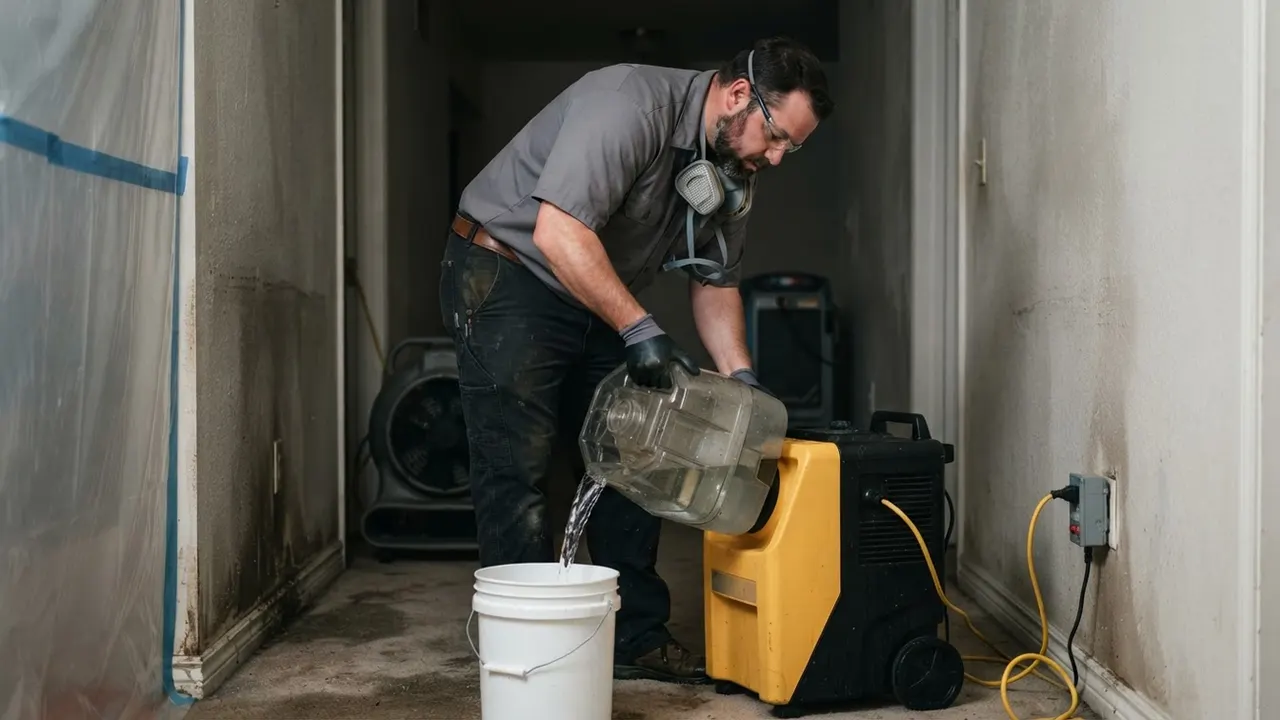
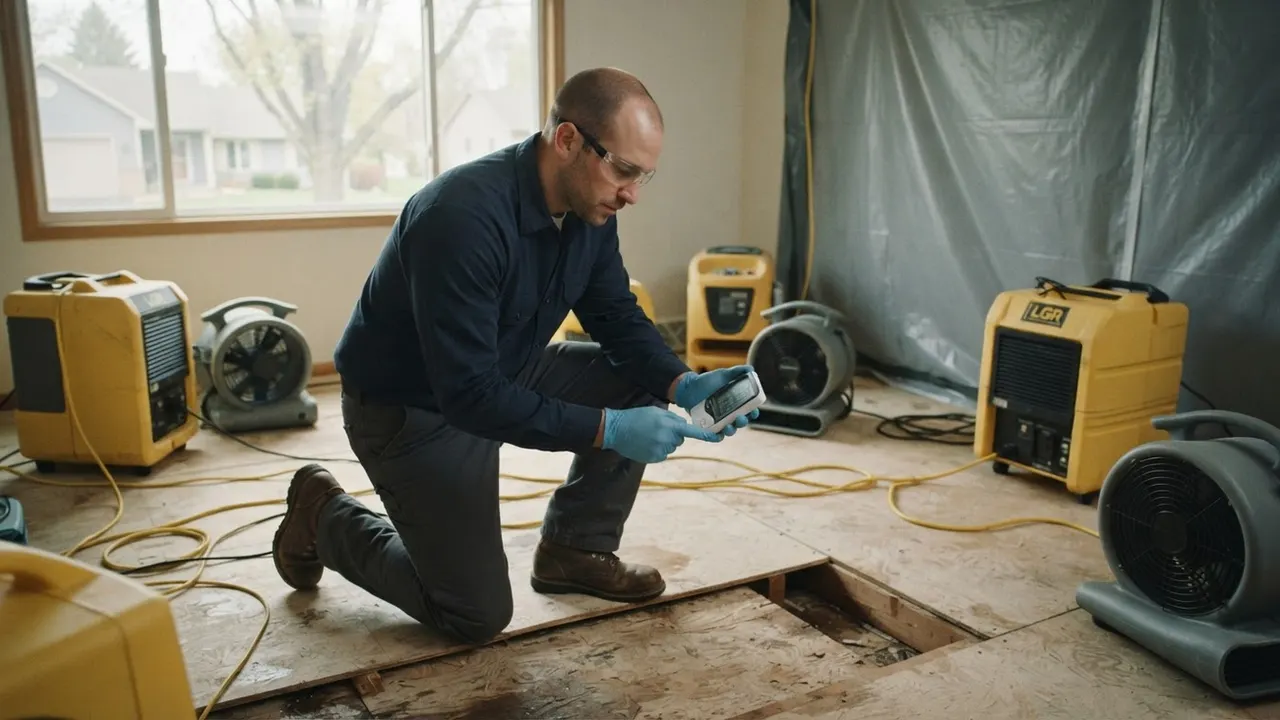
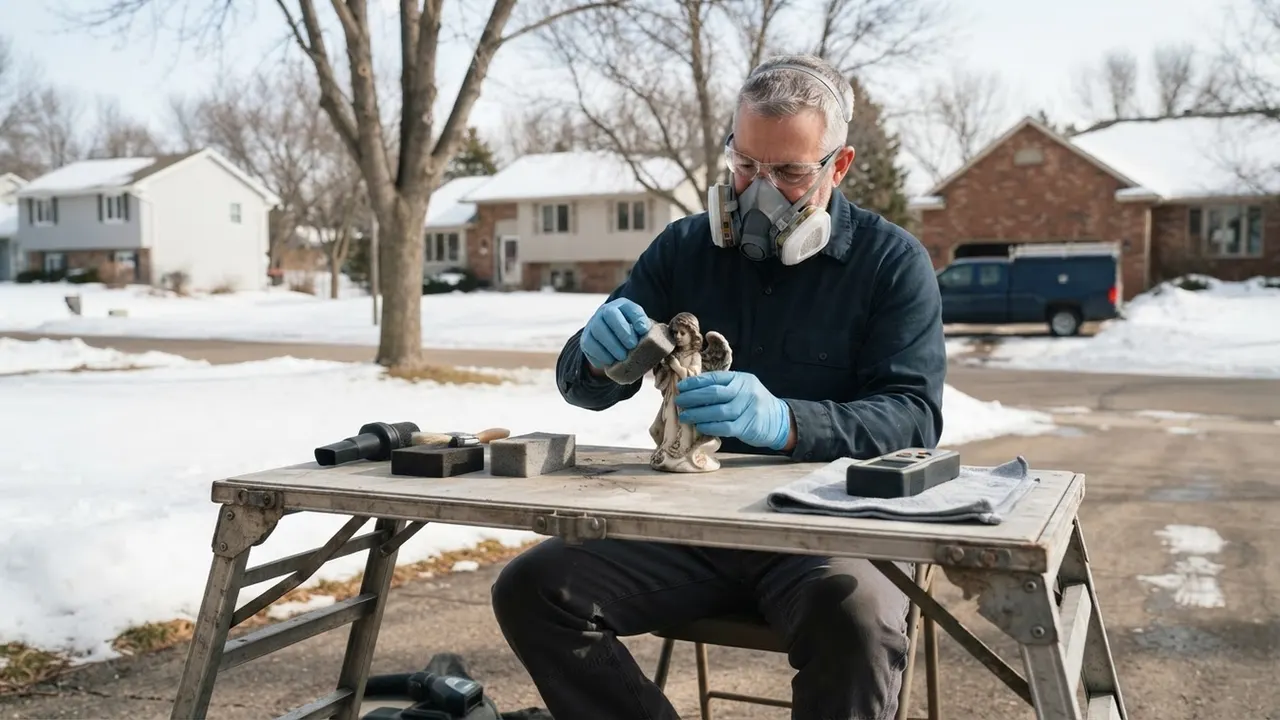
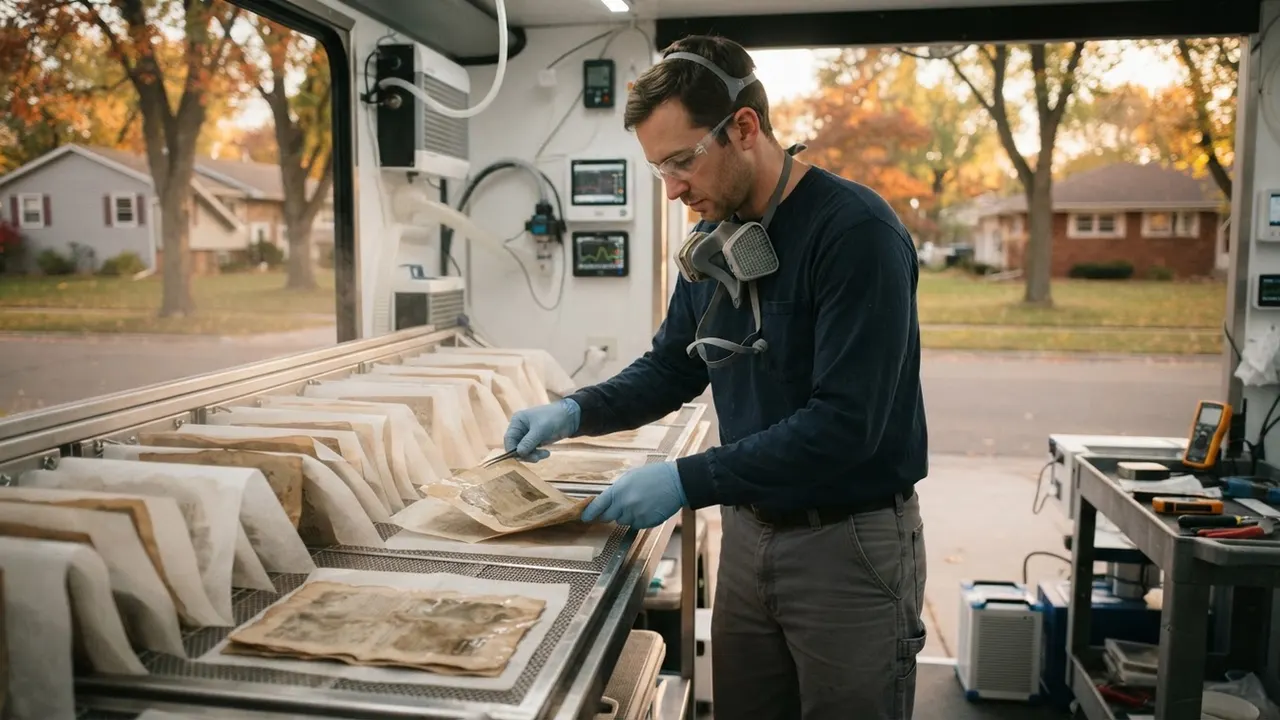
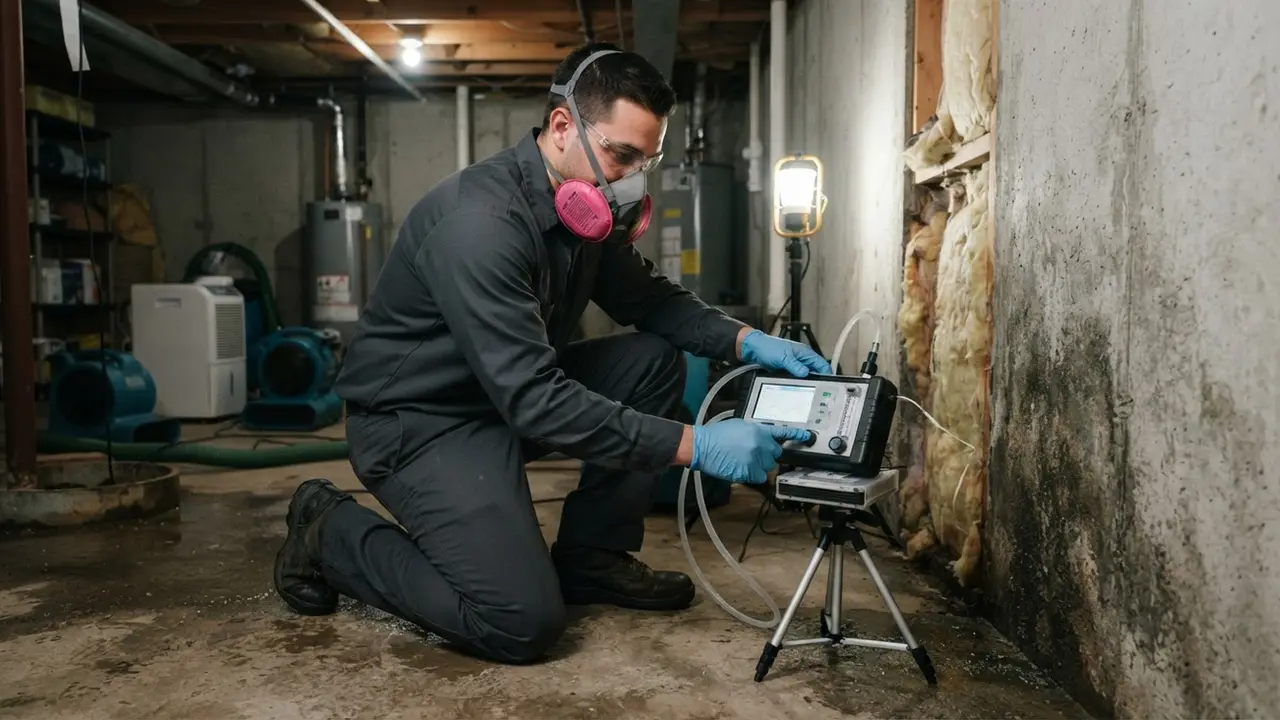
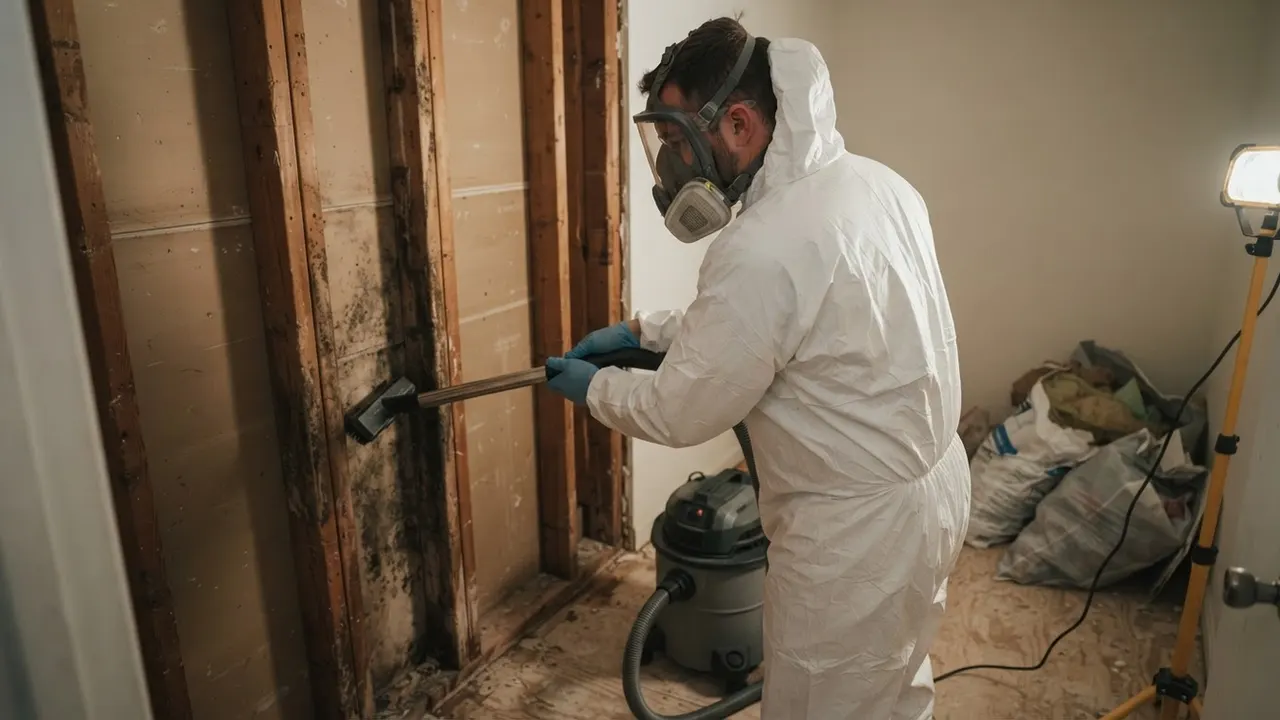
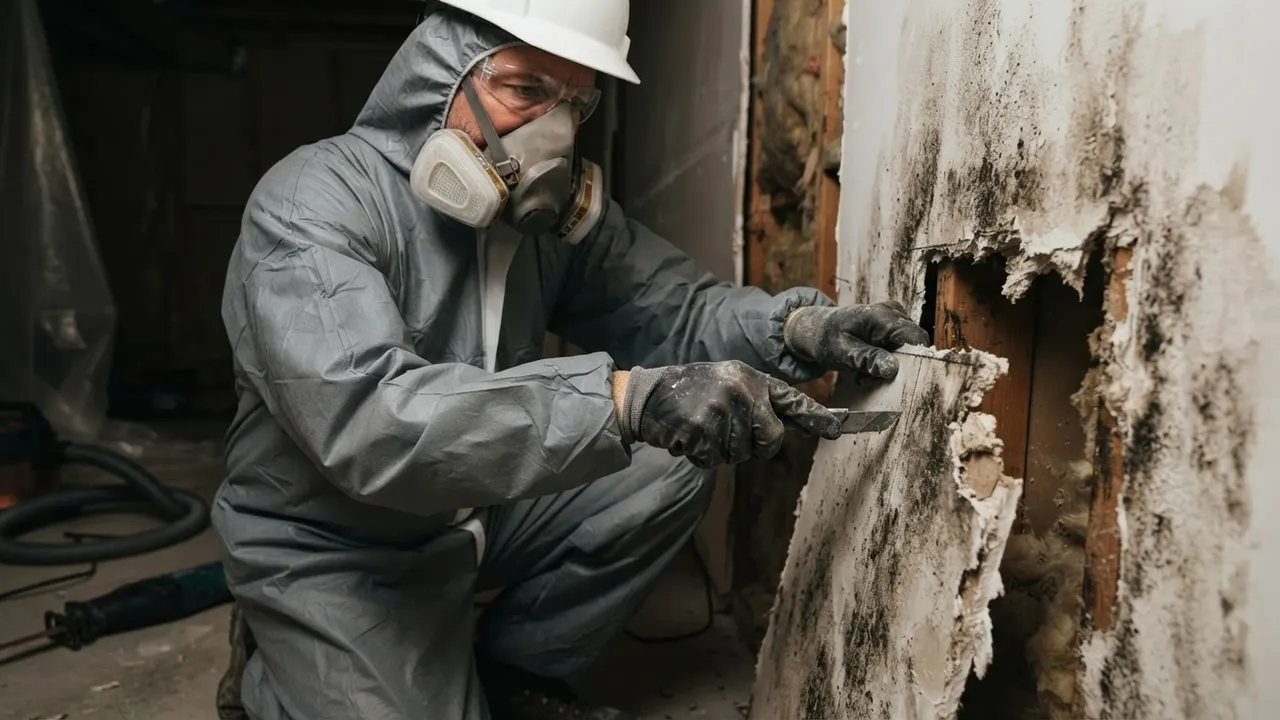
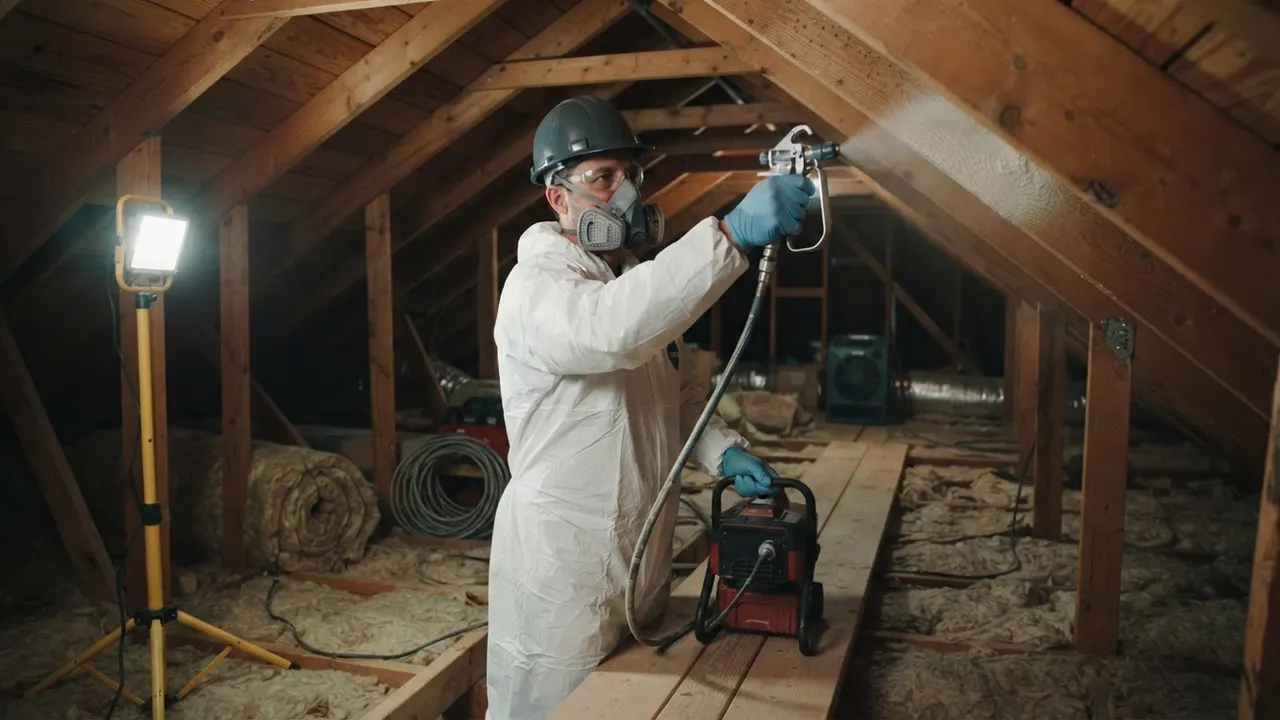
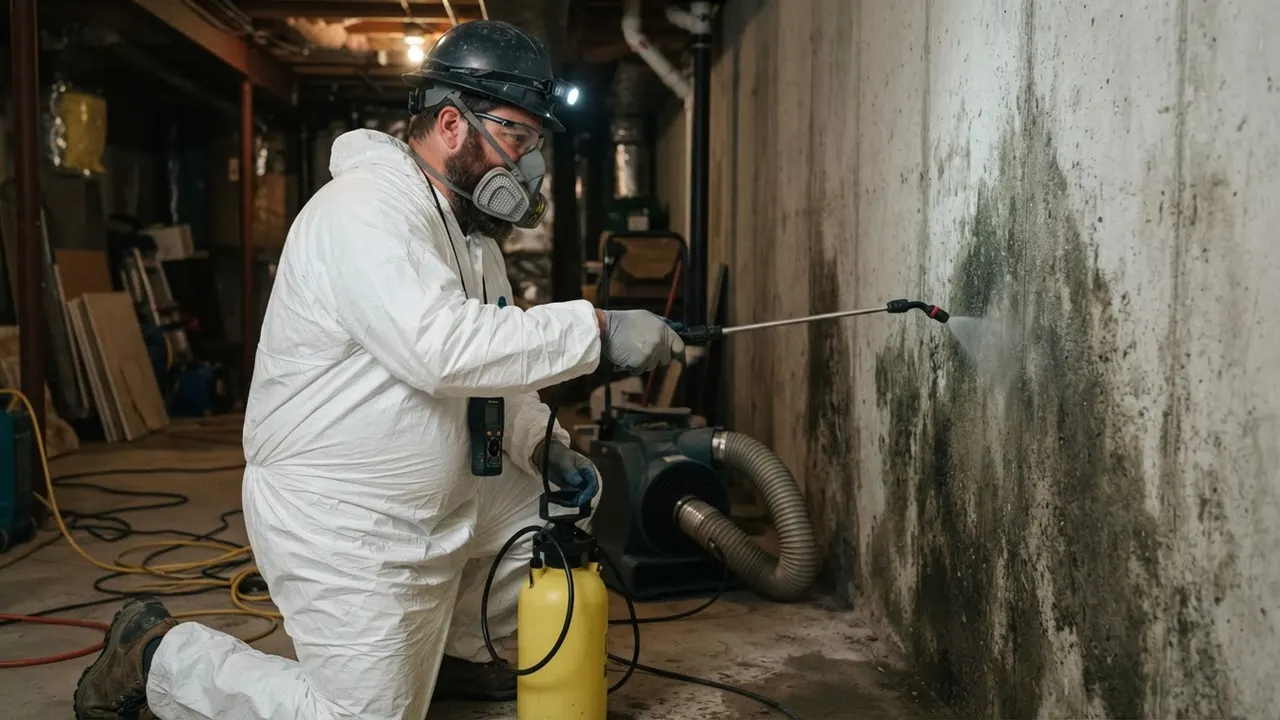
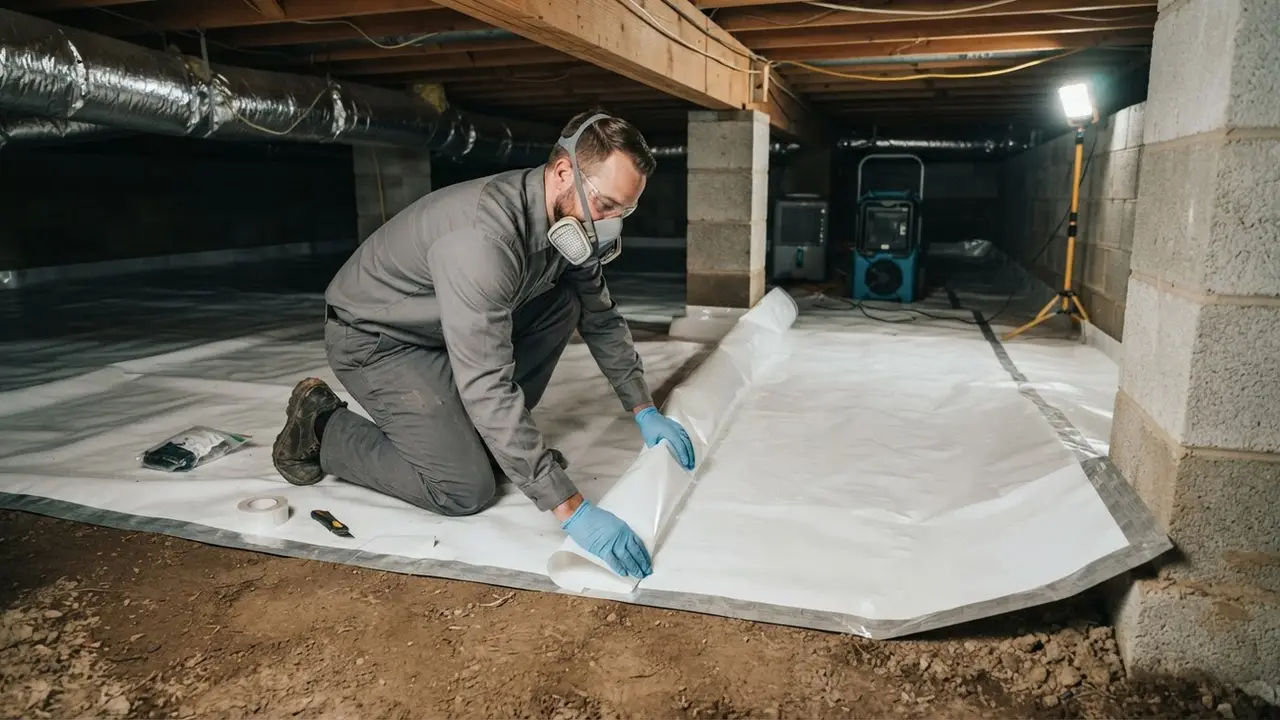
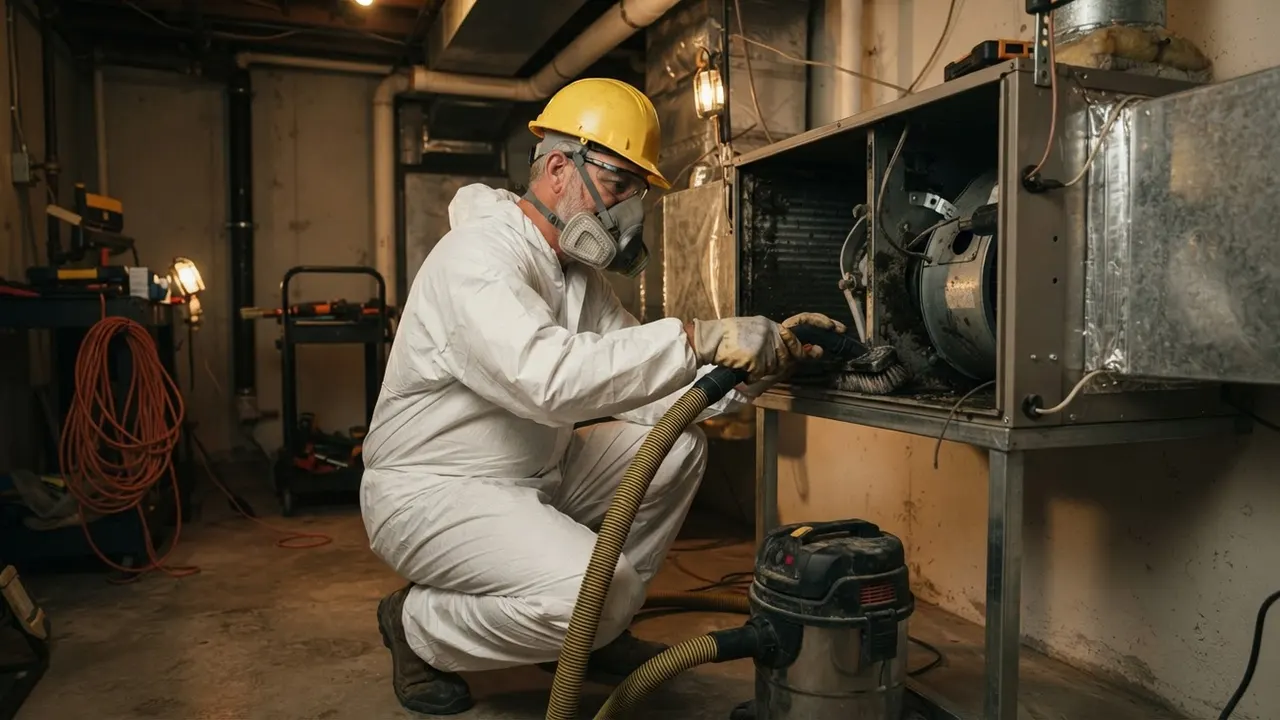
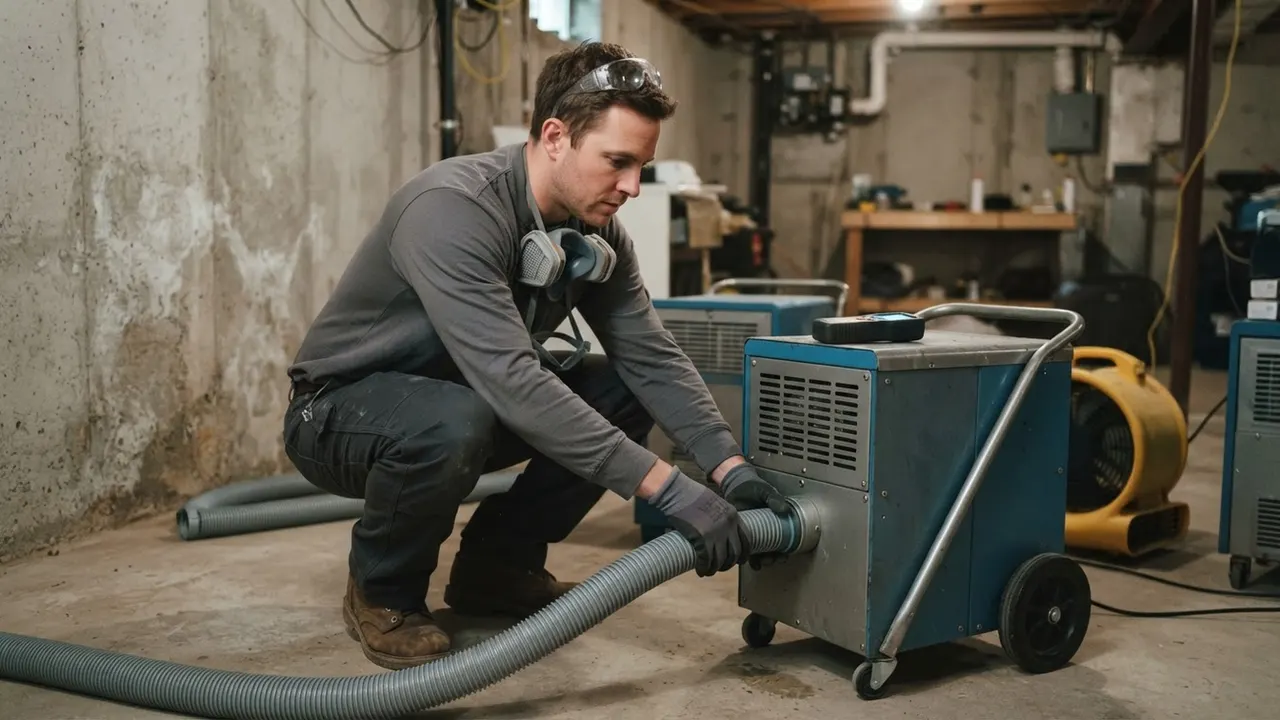
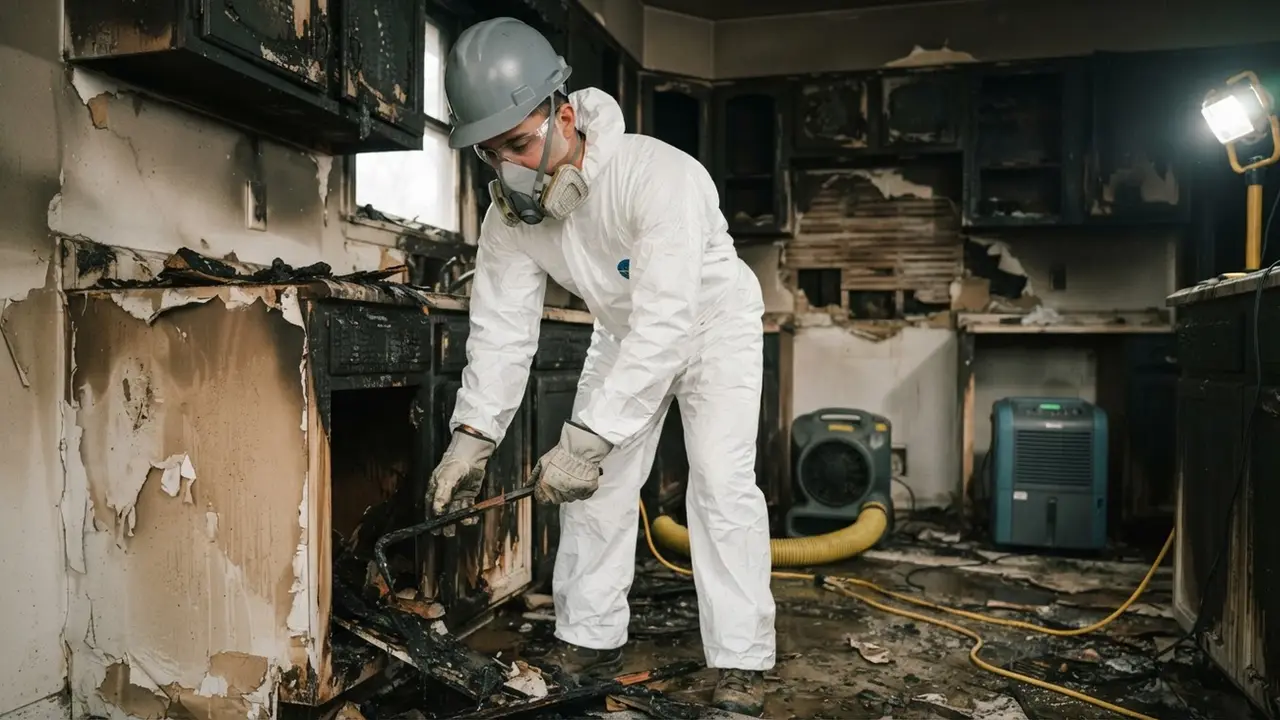
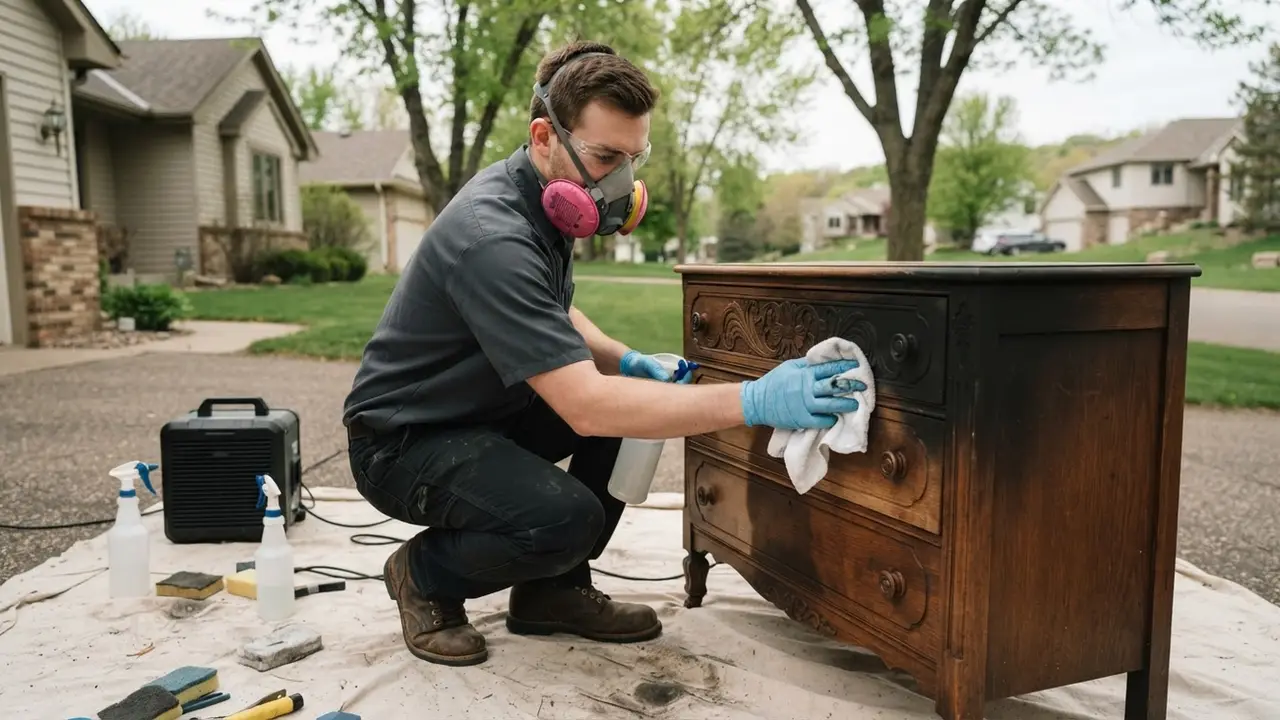
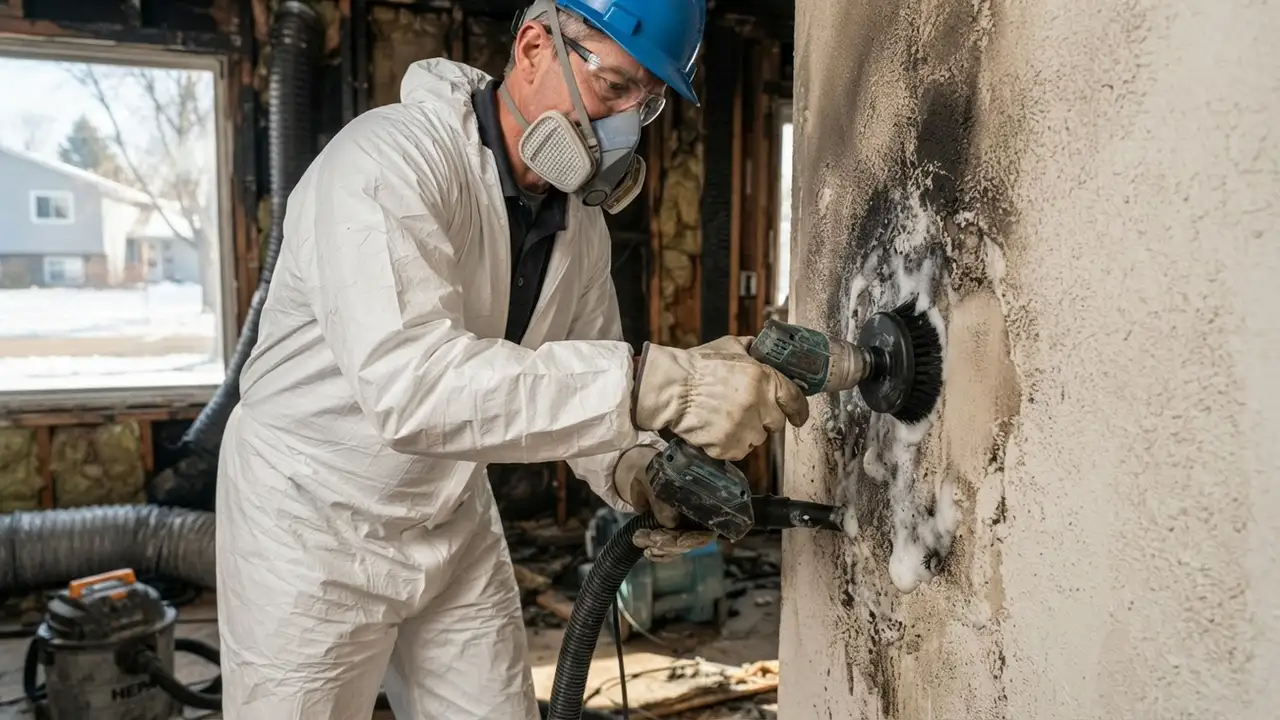
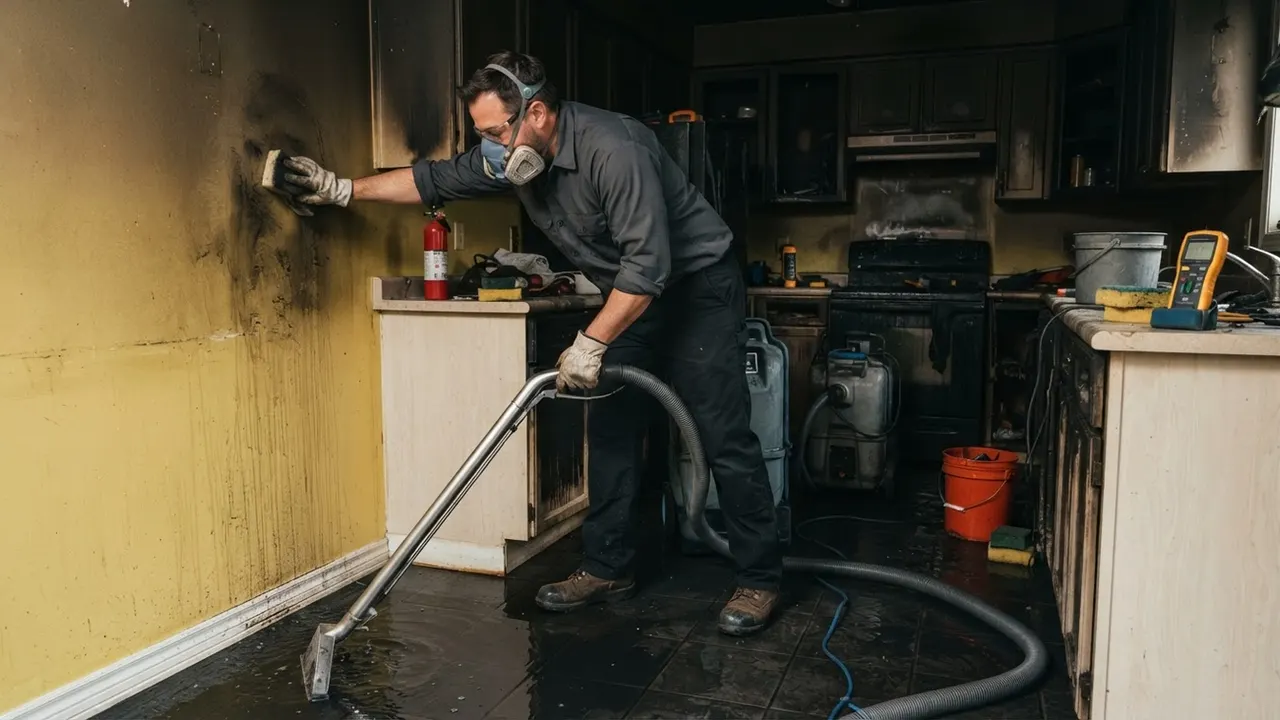
Roof leak water damage repair Hopkins MN helps homeowners and property managers address water entering through shingles, flashing, vents, or roof valleys before it spreads into insulation and ceilings. We trace the moisture, extract standing water, and dry affected materials, then explain what needs repair. If a storm or thaw has left a stain, a soft ceiling, or attic dampness, our local team can help you plan the next steps.
Protected surfacesNearby floors and belongings covered
Recorded readingsMoisture checks documented during drying
Clear work zoneEquipment placed around room use
Explained findingsLeak path reviewed with you
What Roof Leak Repair Includes
Roof leak water damage repair covers inspection of the interior moisture path, water extraction where needed, drying, cleaning, and preparation of affected materials for restoration. We also document visible damage and moisture checks. Permanent roof construction, electrical work, and extensive rebuilding are separate trades when the job requires them. We explain how those tasks fit into the sequence so you can address the entry point and the indoor damage without confusing one for the other.
Moisture Source Assessment
We inspect stained ceilings, nearby walls, and accessible attic spaces to trace where water traveled. Moisture readings help distinguish the visible mark from the full affected area. We note active dripping, insulation condition, and roof details that need attention.
Water Removal and Protection
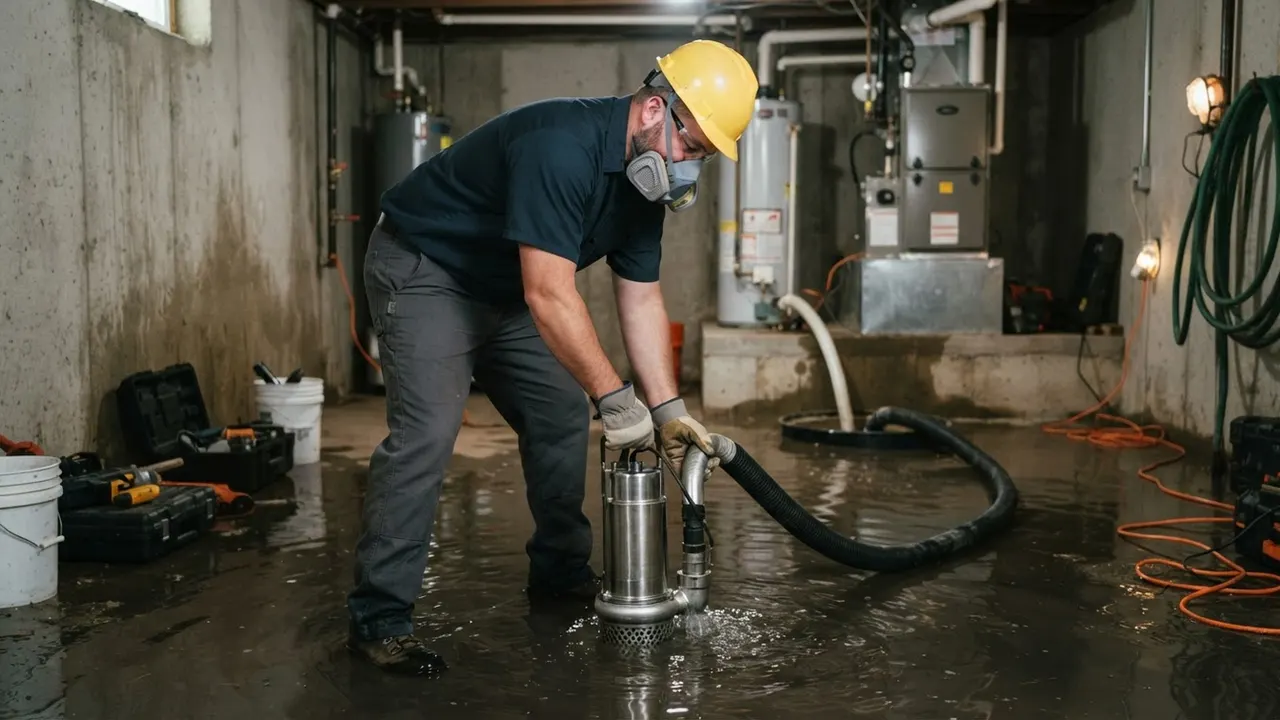
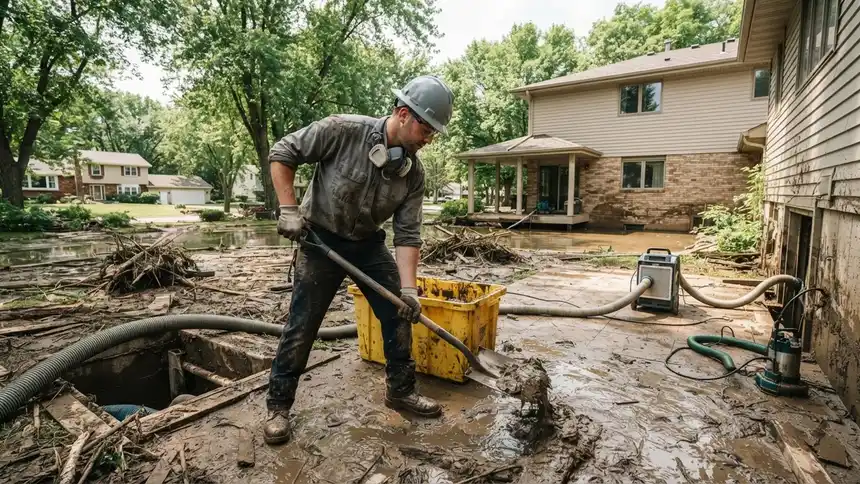
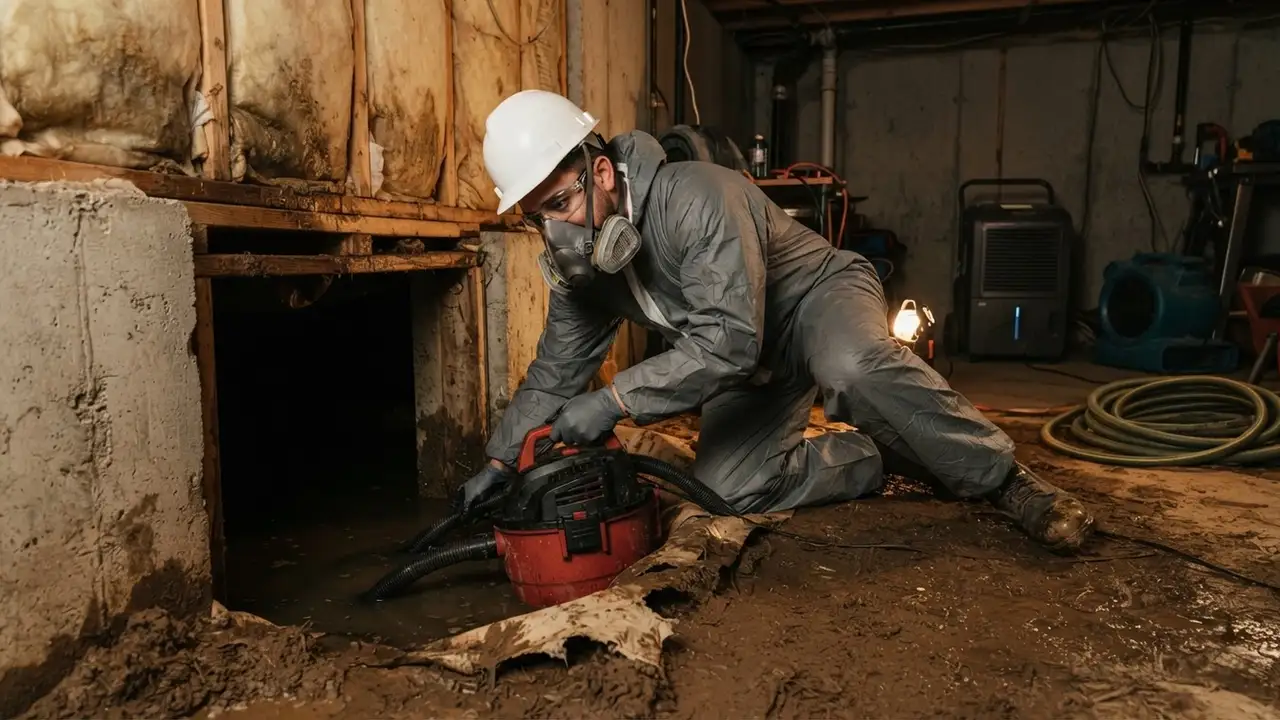
We extract accessible standing water and protect nearby belongings and finishes. Plastic sheeting can isolate the work area, while a wet/dry vacuum removes water from suitable surfaces. If the ceiling is bulging, we assess the hazard before disturbing it.
Controlled Structural Drying
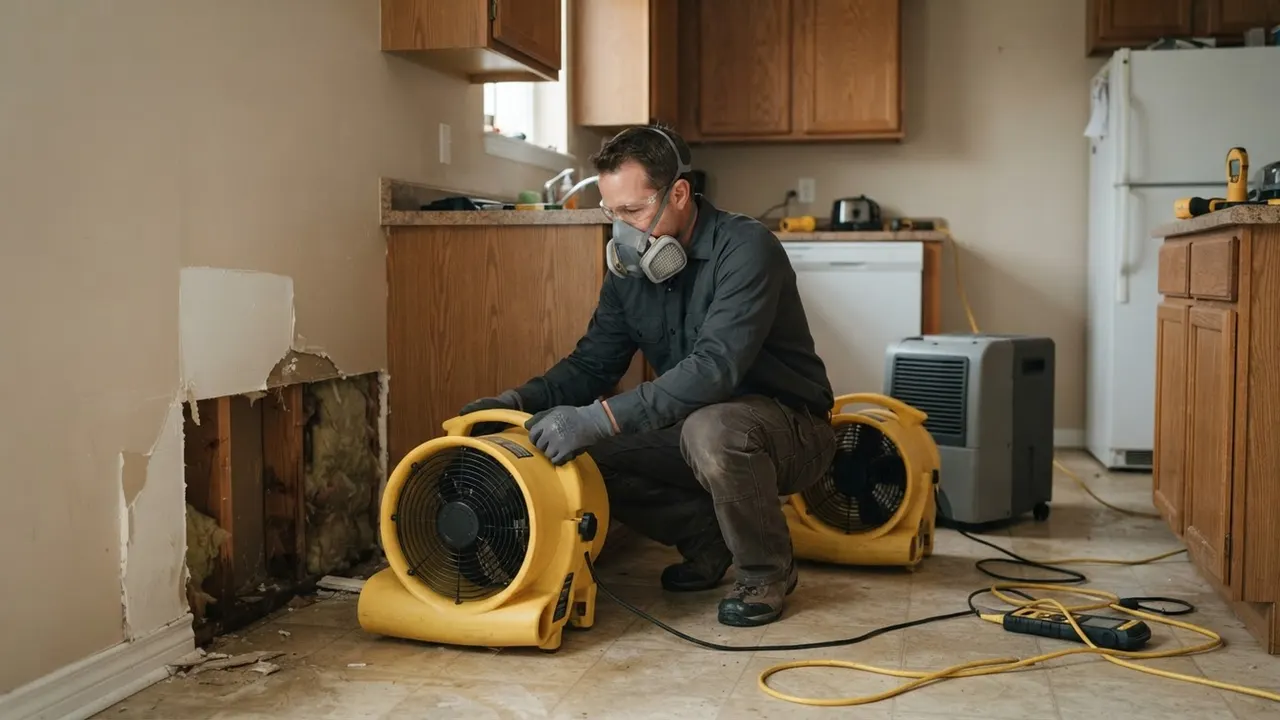
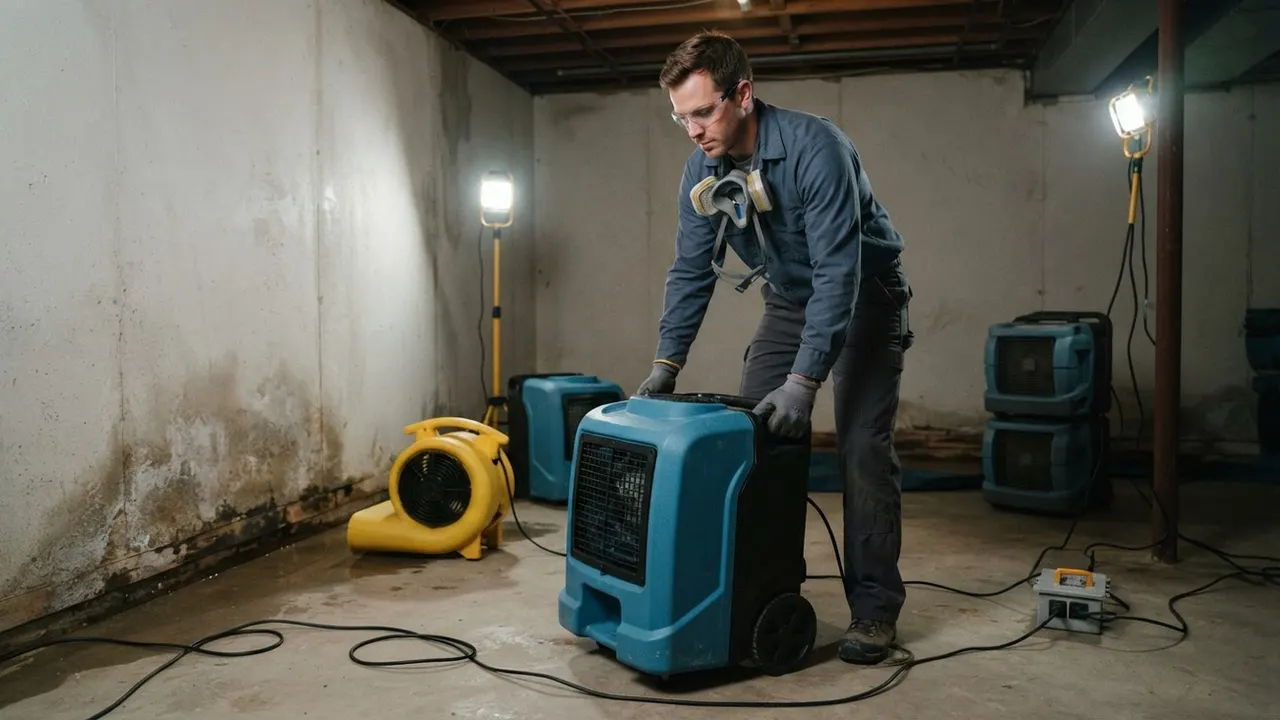
Air movers and a dehumidifier support drying when wet materials can be retained. We place equipment according to the room layout and check progress with repeat readings. The goal is to dry affected assemblies before closing walls or replacing ceiling finishes.
Affected Material Removal
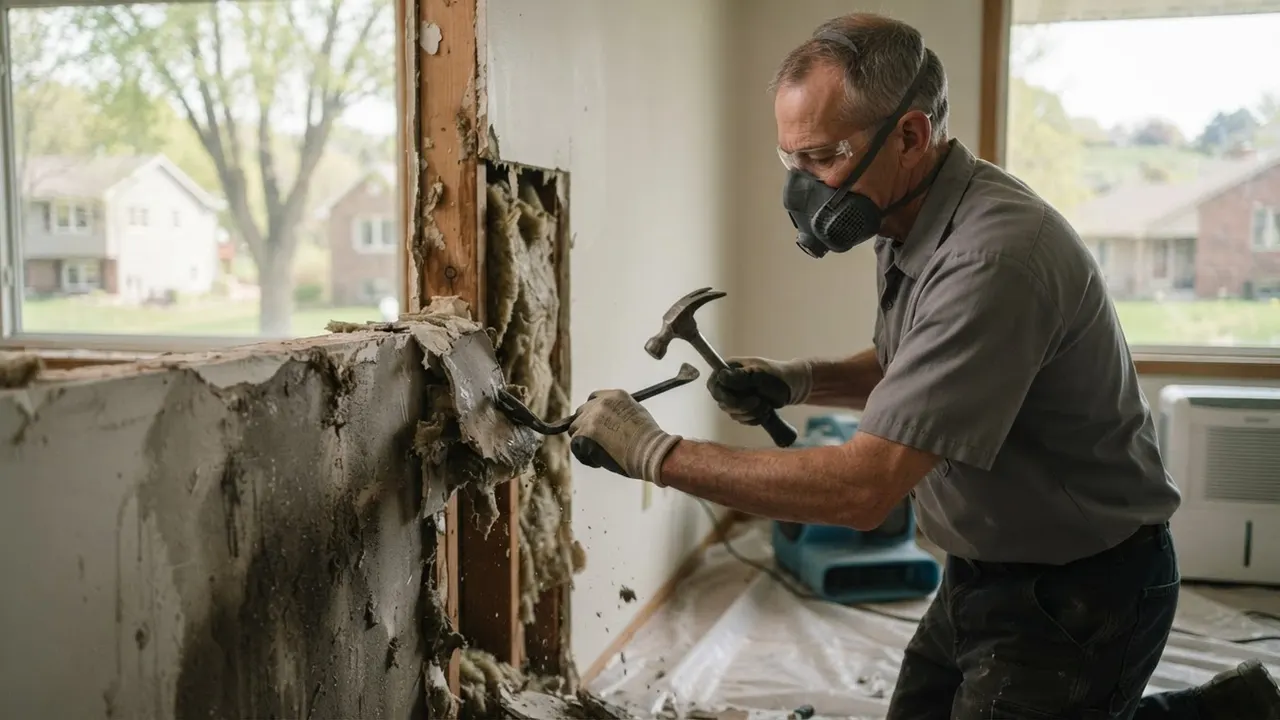
Saturated drywall or insulation that cannot be dried safely may need removal. We identify the affected boundary, contain debris, and clean exposed areas. Replacement begins only after the moisture source is controlled and the remaining structure is ready.
Cleaning and Job Records
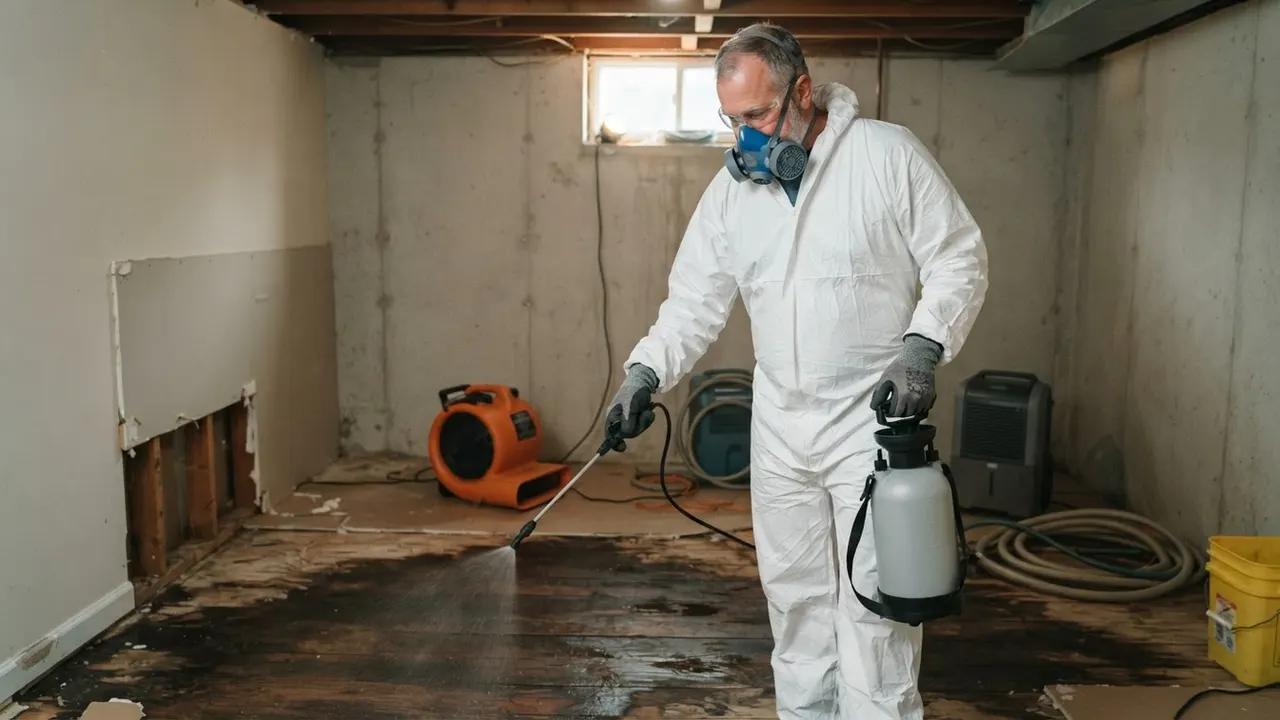
We clean the work zone and document relevant conditions with photographs and moisture readings. Antimicrobial spray is used when appropriate to the surface and job conditions. You receive a practical record of the areas checked and the work completed.
Homes and Businesses.
The approach is the same for a home and a business. What changes is the access, the schedule and who needs the paperwork.
Homes and Rentals
We protect occupied rooms while checking ceilings, attic access, and nearby belongings. You get a clear explanation of wet materials and the drying steps.
Bedroom ceiling stains after rain
Damp attic insulation during thaw
Drips near a ceiling fixture
Business Properties
We map affected rooms and place equipment around daily operations. Property managers receive documented findings to coordinate drying and interior repairs.
Office ceiling leak after storms
Water above retail displays
Shared corridor ceiling damage
Roof Leak Water Damage Repair Hopkins MN
A plain-language look at what Roof Leak Water Damage Repair involves and when it is needed.
Roof leak water damage repair Hopkins MN is a property restoration service that identifies moisture from a roof opening, removes water, and dries or repairs affected building materials. We check the ceiling, attic, insulation, framing, and nearby walls rather than treating a stain as the whole problem. A thermal imaging camera helps locate temperature patterns associated with moisture, while a moisture meter checks materials directly. We protect furnishings, extract water where needed, and set drying equipment based on the affected area and readings.
Hopkins homes and commercial buildings face roof leaks after wind-driven rain, heavy snow, freeze-thaw cycles, and ice buildup near eaves or roof penetrations. A small entry point can wet insulation and travel along framing before appearing indoors. Our roof leak repair Hopkins MN work connects the visible ceiling damage to the moisture path, so you are not left repainting over an unresolved leak. For a roof leak water damage repair in Hopkins MN near me, the first priority is controlling active water and documenting what is wet.
Dry the affected structure after controlling the roof entry, then verify moisture before rebuilding.
What it is
Inspection, water removal, drying, and interior restoration for damage caused by a roof leak.
When needed
After ceiling stains, attic dampness, dripping, or wet insulation linked to roof entry.
What to expect
Moisture checks, protected work areas, drying equipment, and documented follow-up.
What to Expect During Service
Roof leak water damage repair Hopkins MN follows a practical sequence: stop additional water entry, locate the wet materials, remove water, dry the structure, and prepare for repairs. We explain each step as we work.
Inspect and Document
We walk through the affected rooms and attic, ask when the leak appeared, and look for stains, soft surfaces, and active dripping. A thermal imaging camera and moisture meter help map the affected area. The initial inspection often takes 30 to 90 minutes, depending on access and how many rooms show signs of water.
Inspect
Map moisture
Document
Control Incoming Water
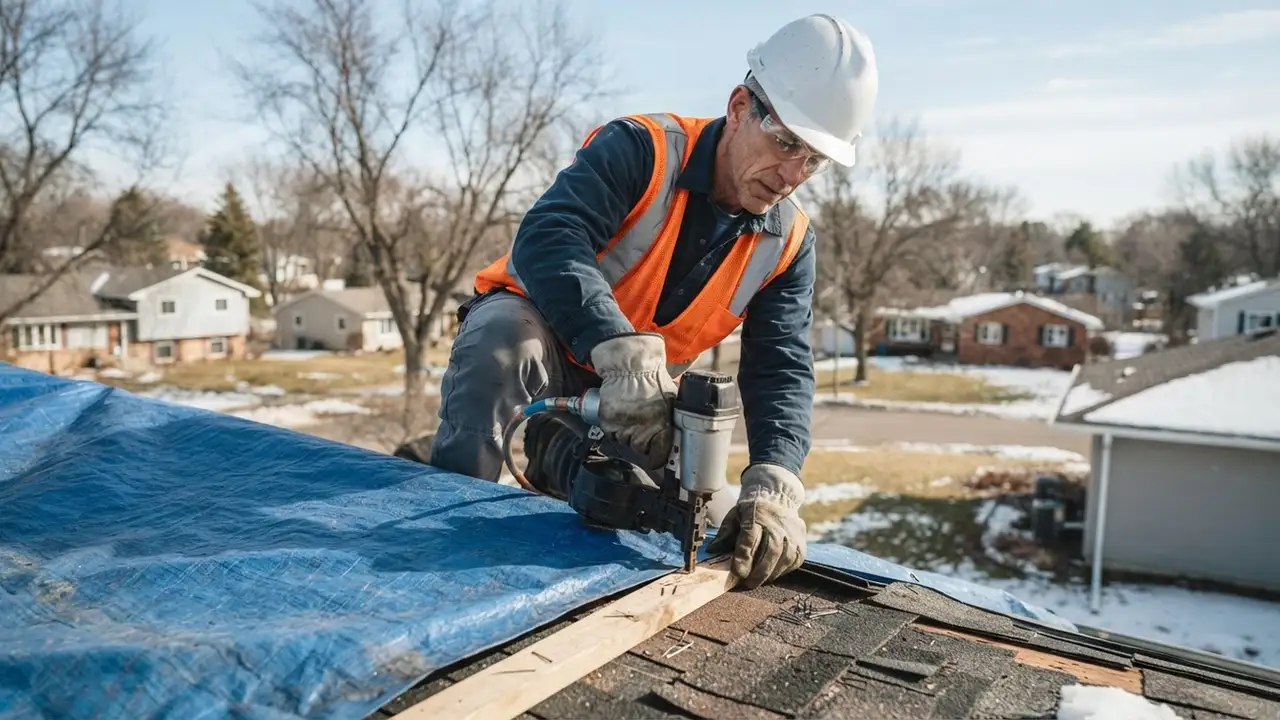
If water is still entering, we identify the likely roof opening and discuss safe temporary protection, such as a tarp or a contained catch area. Roof repairs and restoration are related but distinct tasks; we make the interior safe while the roof opening is addressed. During winter, we also check for recurring meltwater paths.
Control entry
Protect room
Coordinate roof
Extract and Protect
We remove standing water with a wet/dry vacuum or extraction equipment, move belongings out of the work zone, and cover nearby surfaces with plastic sheeting. If ceiling material is bulging, we assess it before opening anything. You will know which items need protection and which wet materials require removal.
Extract water
Cover contents
Check ceiling
Dry and Monitor
We place air movers and a dehumidifier to circulate air and remove moisture from the room. Our team records readings and adjusts equipment rather than relying on a fixed run time. A small, contained area may dry in a few days; wet insulation, multiple rooms, or cool conditions can extend the process.
Set equipment
Track readings
Adjust airflow
Prepare for Repairs
After drying targets are met, we identify materials ready for restoration and those that need replacement, such as saturated insulation or damaged drywall. We clean the work area and explain the sequence for patching, priming, and finish work. You receive photo documentation and a record of moisture checks.
Confirm drying
Plan repairs
Clean area
Tools and Drying Methods
Move across a circle, or focus it and press Enter, for an illustrative thermal view of the photograph.
Thermal Imaging Camera
We use thermal patterns to guide inspection toward areas that may hold moisture. It helps focus direct checks; it does not replace a moisture meter or confirm water on its own.
Moisture Meter
This instrument measures moisture in accessible materials such as drywall and framing. We compare readings across affected and unaffected areas to guide equipment placement and track drying.
Air Mover
Directed airflow helps evaporate surface moisture from suitable materials. We position air movers to move air across affected areas without scattering debris or disrupting the work zone.
Dehumidifier
A dehumidifier removes moisture from room air as wet materials release it. This supports controlled drying in enclosed rooms and helps the team monitor changing conditions.
HEPA Vacuum
A HEPA vacuum captures fine dust during cleanup around affected areas. We use it where appropriate to keep debris from spreading as materials are cleaned or removed.
Thermal views are illustrative, generated from the photographs.
Methods
Moisture mapping
We identify visible damage, check adjacent materials, and mark areas requiring further drying or removal. Readings are compared with unaffected reference points, then repeated during the job. This process helps prevent both undersized repairs and unnecessary removal of dry materials.
Controlled structural drying
We use airflow and dehumidification based on the affected materials, room conditions, and moisture readings. Equipment is adjusted as the structure dries rather than left without follow-up. The process continues until the materials meet appropriate drying goals for the work.
Contained material removal
When drywall or insulation cannot be dried safely, we isolate the work area and remove only the affected material needed for access and cleanup. We protect nearby contents and clean exposed surfaces. Rebuilding follows after the roof source is controlled and the structure is ready.
When to Call for Roof Leak Help
Storm Ceiling Leak
A wind-driven storm leaves a wet ceiling in a home near Mainstreet Hopkins.
We check the stain, surrounding drywall, and accessible attic area to see how far water traveled. If water is still entering, we discuss temporary protection and coordinate the interior work with roof repair. We extract standing water, protect nearby contents, and set drying equipment where readings show it is needed.
Outcome: You know which materials are affected, what must dry, and what roof work needs to happen before the ceiling is rebuilt.
Snowmelt Eave Drip
Snowmelt reveals a recurring drip along the eaves of a Blake Road home.
We inspect the attic and ceiling below the leak, check insulation and framing, and document wet areas. Our team dries retained materials and identifies where material removal is necessary. We also explain how the roof opening and interior restoration must be sequenced to prevent another round of water damage.
Outcome: The indoor moisture is addressed while the source receives attention, reducing the chance of rebuilding over damp insulation.
Office Roof Leak
A property manager finds water across an office ceiling near Excelsior Boulevard.
We map each affected room, protect furniture and equipment, and keep the work zone controlled. Extraction and drying equipment are placed to limit disruption to adjacent spaces. We record readings and share the restoration sequence so building repairs can be coordinated with normal operations.
Outcome: The manager gets clear information about affected rooms, equipment placement, and the point at which finish repairs can begin.
Attic Moisture
A small attic leak appears after a freeze-thaw cycle in The Highlands.
We check for damp insulation, ceiling discoloration, and moisture along accessible roof framing. A moisture meter helps separate a dry stain from active dampness. We remove or dry materials according to their condition and document the work before the ceiling is closed.
Outcome: Hidden moisture is identified early, giving you a chance to address the affected area before it spreads into finished rooms.
Downtown HopkinsBlake Road CorridorShady Oak
How Roof Leak Work Runs in Hopkins
Roof leak water damage repair Hopkins MN must account for cold-weather moisture, changing roof conditions, and the variety of homes and commercial properties across the city. In November and through winter, snow accumulation, ice at eaves, and freeze-thaw cycles can make a small roof weakness show up as an attic drip or ceiling stain.
Spring storms and wind-driven rain can expose flashing and roof penetrations that held through colder weather. We check the indoor water path first, then coordinate drying with safe roof access and temporary protection. In older interiors, plaster, layered ceilings, and concealed insulation can change how we inspect and dry a room.
Our roof leak repair Hopkins MN approach uses direct moisture checks rather than assuming every stain is still wet. If you are looking for ceiling water damage repair from roof leak Hopkins MN, tell us which room is affected, when the mark appeared, and whether it changes after rain or thaw. We serve homes and businesses across Hennepin County, including Downtown Hopkins and the Blake Road Corridor.
Downtown Hopkins: Older buildings and mixed-use properties can have concealed ceiling layers. We check accessible cavities and nearby rooms before deciding how far drying should extend.
Blake Road Corridor: Homes and businesses in this area can have varied roof designs and room layouts. We protect occupied spaces while checking ceilings and attic access.
Shady Oak: After wind-driven rain, water can enter around roof details and travel along framing. We compare the indoor stain with attic and wall readings.
Interlachen: Seasonal snow and thaw can reveal damp insulation before a ceiling stain becomes obvious. We inspect the attic when access is safe and available.
Freeze-thaw cycles reopen weak roof details during winter.: Water may enter during a thaw and freeze again near eaves or roof penetrations. We look for recurring moisture patterns and coordinate drying with temporary roof protection so new water does not undo interior work.
Wind-driven rain reaches flashing and roof penetrations.: A leak can travel sideways along framing before appearing in a room. We inspect beyond the visible stain, check accessible attic materials, and document the path rather than treating only the spot where water emerged.
We walk through the affected rooms and explain what we find.
We protect nearby surfaces and set up the work area.
We check drying progress and review the next repair steps.
From Problem to Finished Result.
IllustrativeThe thermal view is generated from the photograph. It is not a measurement. Drag the handle, or use the arrow keys once it is focused.
Storm-Damaged Bedroom Ceiling
Before: A storm left a spreading brown stain across a bedroom ceiling in Hopkins. The paint looked dry, but the attic insulation above it was damp and the stain grew after each rainfall. Furniture sat below the affected area, and the homeowner did not know whether the ceiling needed immediate removal or could be dried.
After: We traced the moisture into the attic, protected the room, and removed saturated insulation from the affected section. Air movers and a dehumidifier ran while readings were checked over several days. Once the area was dry, the homeowner had a clear repair boundary for replacing insulation and finishing the ceiling.
After the roof repair, check the attic after the next heavy rain and again during spring thaw. Keep gutters clear and note any new discoloration. A quick look at flashing and roof penetrations can catch recurring entry before another ceiling stain develops.
Recurring Eave Leak After Thaw
Before: A recurring drip appeared near an outside wall each time snow began to melt. The ceiling paint had softened, and dampness extended toward a closet. The room had not flooded, but the repeated wetting left a musty odor and raised concern about insulation hidden above the ceiling.
After: We checked the ceiling and accessible attic, mapped the damp area, and removed material that could not be dried in place. The remaining surfaces were dried with directed airflow and dehumidification. Follow-up checks confirmed the work area had improved before the homeowner arranged finish repairs.
Keep roof drainage paths clear and watch the eaves during thaw periods. If the same spot becomes damp again, report the change promptly and avoid painting over it. Recurring moisture deserves another inspection of both the roof entry and the interior path.
Office Leak After Heavy Rain
Before: Water entered an office ceiling near Excelsior Boulevard after heavy rain. Two rooms had stains, and one desk and several boxes were at risk. Staff needed the space available, but the property manager had no record of how far the water had traveled or whether the ceiling cavity remained wet.
After: We moved and protected contents, contained the work area, and checked both rooms for moisture. Extraction and drying equipment addressed the affected ceiling areas, while readings documented progress. The manager received a clear record of the work and a practical point at which ceiling repairs could proceed.
Inspect the repaired roof area after significant rain and check ceilings in both affected rooms. Keep stored boxes and electronics away from known leak paths until repairs are complete. Report any new odor, bubbling paint, or soft drywall before the area is refinished.
Stop Roof Leak Damage From Spreading
Roof leaks can leave water hidden above a ceiling long after the visible drip stops. We find the affected materials, control moisture, and plan the right repair sequence. Acting early can limit the area that needs removal and help prevent persistent dampness.
Growing ceiling stainA ceiling stain keeps growing after each rainstorm.Repeated wetting can weaken drywall, discolor paint, and carry water into wall cavities. The original roof opening may be small while the interior damage expands. We inspect the ceiling and accessible attic, trace moisture with direct readings, and identify whether the damage follows framing or a roof penetration. We extract water and dry retained materials after the entry point is controlled. You get a documented repair path rather than another coat of paint over an active problem.
Wet attic insulationWet insulation is hidden above the finished ceiling.Damp insulation can hold moisture against roof framing and delay drying. If it stays wet, odors and mold growth can develop even when the room below feels comfortable. We check accessible attic insulation and surrounding framing, then determine whether material can be dried or should be removed. Airflow and dehumidification are arranged for the affected area. Once readings improve, we explain what is ready for replacement and what still needs monitoring.
Fixture-area drippingWater drips near a ceiling light or electrical fixture.Moisture around electrical components raises a safety concern, and a sagging ceiling can fail without warning. Continued dripping also spreads damage to flooring and contents. We help isolate the immediate work area, avoid disturbing an unsafe ceiling, and assess visible water movement. If water is near a fixture, you should avoid touching it and contact an electrician or shut off the circuit only when safe. We then extract water and dry materials after the hazard is addressed.
Lingering musty odorA musty attic smell remains after a roof leak.Odor can indicate damp insulation, framing, or concealed materials that did not dry fully. Covering the smell without finding the moisture leaves the underlying issue in place. We inspect accessible attic surfaces, check moisture levels, and look for visible growth or wet materials. Our roof leak water damage cleanup Hopkins Minnesota service removes unsalvageable material and dries retained areas. Cleaning and appropriate treatment follow the source control, not the other way around.
Dryer Rooms, Clearer Next Steps
A dry, documented structure is ready for sound interior repairs.
Find Hidden Moisture
Water often travels beyond the visible ceiling ring. We check adjacent drywall, insulation, and framing, then compare moisture readings across affected and dry areas. That helps us identify the real drying boundary instead of removing material based only on appearance. You get a clearer picture of where work is needed.
Limit Material Loss
Prompt extraction and controlled drying can preserve materials that remain sound. We use air movers and a dehumidifier where readings support their placement, then recheck the area as it dries. A 24- to 72-hour drying window is common for contained wet materials, though the actual schedule follows measured conditions.
Reduce Mold Conditions
Wet drywall and insulation left damp create conditions for mold growth. We remove materials that cannot be dried safely, clean retained surfaces, and use an antimicrobial spray when appropriate. This gives you a practical path from active leak to a dry, clean space without covering damp materials with paint.
Keep the Repair Organized
Photos, moisture readings, and a clear sequence of work help you understand what happened and what remains. We coordinate drying and interior restoration around the roof repair, since closing the opening is essential before rebuilding. You can see the difference between temporary protection, structural drying, and finish repairs.
What You Receive
Clear records you can keep and share.
Photo Log
Images of visible damage and work areas
Reading Record
Moisture checks recorded during drying
Work Summary
Tasks completed and areas addressed
Equipment Log
Drying equipment placement and follow-up
Roof Repair and Restoration Differ
The roof opening must be controlled; interior restoration removes water and dries affected building materials.
Water Control
Limits additional entry from above.
Temporary roof protection
Roof defect repair
Storm opening assessment
Interior Drying
Addresses moisture already inside.
Water extraction
Material moisture checks
Airflow and dehumidification
Finish Restoration
Prepares dry areas for rebuilding.
Affected material removal
Surface cleaning
Ceiling repair preparation
Materials and Surfaces
Drywall
Insulation
Roof framing
Ceilings
Painted walls
Flooring
Attic surfaces
Contents
Service ZIP Codes.
A list like this tells people straight away whether you cover their street. Not listed? Call and ask: it only takes a minute.
After a storm, a brown ring spread across our bedroom ceiling and the attic insulation felt damp. The crew checked above the stain, showed us the moisture readings, and set air movers for the room. They explained what needed to dry before patching. We appreciated having the leak path documented instead of simply painting over the mark.
Snowmelt started dripping near a light fixture, so we called before opening the ceiling. The team protected the floor, checked the attic, and found wet insulation beyond the visible spot. They removed the affected material and tracked drying over the next few days. The clear photos made it easier to understand why the repair area extended past the stain.
A roof leak affected two offices after heavy rain, and we needed the rooms back in use. The crew contained the work area, extracted water, and placed drying equipment without blocking the corridor. They recorded readings and explained when the ceiling could be repaired. We had a straightforward sequence to coordinate with our roofer.
Roof Leak Repair Questions
Typical 2026 pricing in Hopkins depends on water volume, access, wet insulation, ceiling removal, and drying duration. Roof repairs are usually a separate cost. We inspect the affected area, explain the work, and provide upfront pricing before restoration proceeds.
Move belongings, contain drips, and arrange safe temporary roof protection as soon as possible. Do not stand beneath a bulging ceiling or climb onto a wet, icy roof. If water is near a light fixture, avoid touching it and shut off the affected circuit only if you can do so safely. We locate the moisture path, extract water, and dry affected materials before finish repairs.
Coverage depends on your policy, the cause of the leak, and whether damage resulted from a sudden event or ongoing maintenance issue. Many policies distinguish storm damage from gradual wear, so report the loss promptly and keep photos, receipts, and repair records. We document visible conditions and moisture findings to help you communicate the damage. Your insurer makes the coverage decision.
Choose a Hopkins provider that checks hidden moisture, documents the drying process, and clearly distinguishes interior restoration from roof repair. Ask how the team measures wet materials and confirms drying progress. Hopkins Water Damage Company evaluates affected ceilings, attic areas, and insulation, then explains the next steps. For roof leak water damage restoration near me Hopkins Minnesota searches, local response and clear documentation matter.
Tell us where water entered, when you noticed it, and whether the ceiling is still wet. We will assess the affected area, explain the drying steps, and help you arrange the next move. Call Hopkins Water Damage Company at (833) 546-4116.
Call Hopkins Water Damage Company at (833) 546-4116 to describe a leak, fire, mold concern, or basement water problem. We connect you with independent companies serving Hopkins, Minnesota, including ZIP codes 55343 and 55305. Tell us the property type, affected area, and whether the source is still active so the provider can understand what help you need.