Signs of Hidden Water Damage Behind Walls After a Storm
Storm water can travel behind siding and drywall before a stain appears. Spot warning signs, check safely, and know when to bring in a restoration team.
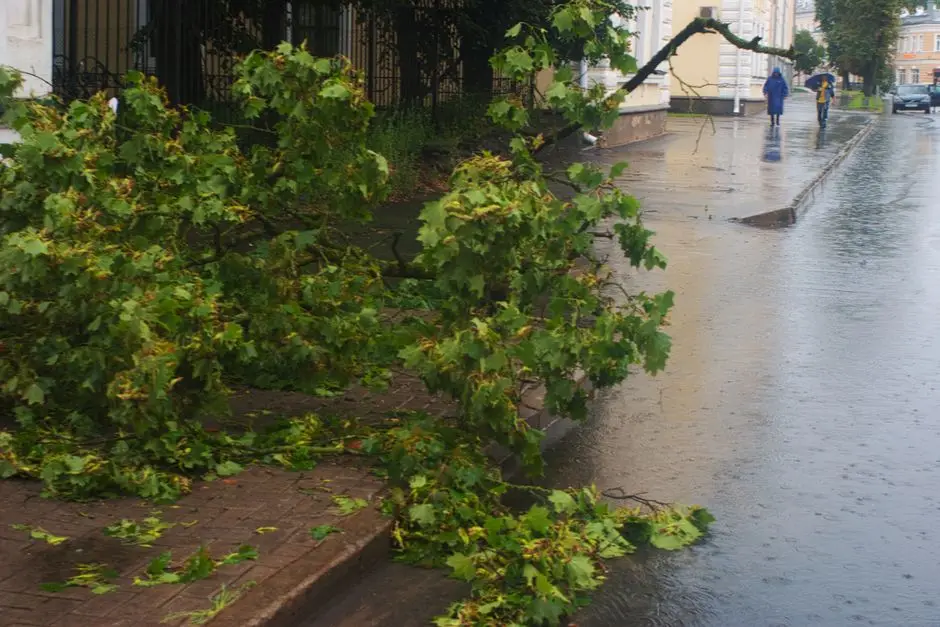
Signs of hidden water damage behind walls after a storm in Hopkins MN include a musty odor, fresh stains, bubbling paint, soft drywall, and trim that has begun to swell. You may also hear unexplained dripping or find a damp patch that returns after you wipe it away. These clues often appear days after wind-driven rain or roof damage lets water travel into a wall cavity.
We'll explain where storm water enters, how to inspect without opening walls, which warning signs need prompt attention, and when our team can help dry and repair affected materials. The earlier you catch moisture, the less time it has to damage insulation, framing, and finishes.
Signs of hidden water damage behind walls after a storm in Hopkins MN is a set of visible, tactile, and odor clues that indicate storm water has entered wall materials and needs inspection and drying. You do not need to see a puddle for water to be causing damage.
What Hidden Storm Water Damage Looks Like Behind Walls
Hidden storm water damage behind walls in Hopkins, Minnesota, is moisture trapped between the finished wall and its framing after rain or wind-driven water gets indoors. Water can enter at a roof edge, a window opening, siding joints, or a wall penetration, then run down inside the cavity and show up far from the entry point.
A stain near the floor does not prove that water entered at floor level. Gravity often carries it downward, while framing and insulation can redirect it sideways. That is why a small mark beneath a window or ceiling corner deserves attention after a severe storm.
Our broader water damage restoration, fire damage, mold removal, water proofing Hopkins MN work starts by finding the moisture path, not just covering the mark. We check the affected area, identify materials that need drying or removal, and address the source so the problem does not return.
What Are the Signs of Hidden Water Damage Behind Walls in Hopkins MN?
The clearest signs of hidden water damage behind walls in Hopkins MN are new discoloration, musty odor, peeling paint, swollen trim, soft drywall, and a change that continues after the storm has passed. Look for patterns that appear or worsen over 24 to 72 hours.
Check the rooms directly below rooflines and around exterior openings first. A clean-looking wall can still hide damp insulation, so compare suspicious areas with nearby dry surfaces and note whether the condition changes.
- Stains or rings: Yellow, tan, or brown patches may grow or darken as moisture reaches the paint surface.
- Surface changes: Blistered paint, loose wallpaper, bubbling tape seams, or a wall that feels unusually cool can signal moisture.
- Soft or swollen materials: Press gently on baseboards and drywall; sponginess, crumbling edges, or a gap at the trim needs a closer look.
- Odor or sound: A persistent earthy smell or faint dripping after the rain stops deserves attention, especially near a ceiling or exterior wall.
One clue by itself is not proof. Several signs in the same area-or a new symptom that appears after every rainfall-make a storm-related leak more likely.
How to Check for Storm Water Damage Safely
You can check for storm water damage in Hopkins, Minnesota, by documenting visible changes, checking nearby exterior surfaces, and using a household hygrometer to compare room humidity without cutting into the wall. A reading above 60% relative humidity indoors is a useful reason to investigate, though it does not confirm moisture inside a wall.
Start with a flashlight and take dated photos from the same angle. Record the storm date, the room, and whether the mark or smell changes over the next day. Avoid pushing hard on soft drywall or drilling holes; wet electrical wiring and concealed piping can make DIY opening unsafe.
- Look above and beside the symptom: inspect the ceiling line, window frame, roof-facing wall, and any nearby pipe or vent.
- Check outside from the ground: note missing shingles, loose flashing, damaged siding, blocked downspouts, or water collecting beside the foundation.
- Keep the area ventilated and move belongings away from damp surfaces; do not aim a heater at wet drywall.
A pinless moisture meter can help compare a suspect area with a dry section of the same wall. Readings depend on the material and meter, so a single number is not a reliable diagnosis. Our water damage restoration Hopkins MN process uses moisture readings alongside visual inspection to determine where drying is needed.
Why Hopkins Storms Can Push Water Into Wall Cavities
Storm water reaches walls in Hopkins, Minnesota, through roof and siding openings, failed window seals, overflowing gutters, and foundation gaps, with wind direction often affecting which side of a home gets hit. Heavy rain can overwhelm drainage quickly when downspouts discharge next to the foundation or soil slopes toward the house.
Freeze-thaw weather adds another local complication. In late fall and winter, ice and snow can obstruct drainage routes; during spring thaw, melting snow and rain can keep soil saturated around lower walls. A wall that stayed dry in ordinary rain may show a problem during a long, wind-driven storm.
Homes in older parts of Hopkins can have a mix of original materials and later repairs. A replacement window, patched siding, or roof flashing detail may create a weak transition even when the rest of the exterior looks sound. Water can also travel along a stud or header before it reaches the interior finish.
If the damage includes water entering through the roof, our roof leak water damage repair Hopkins MN service addresses the wet interior materials as well as the affected roof area. Stopping the entry and drying the cavity are both important; repairing only the visible stain leaves the cause in place.
Common Mistakes That Let Hidden Moisture Spread
Common mistakes after a storm in Hopkins, Minnesota, include painting over a stain, assuming a dry surface means a dry wall, and waiting for mold or a large patch to appear before investigating. A surface can feel dry while insulation and framing behind it remain damp.
Do not seal a suspicious area with fresh caulk or paint before you know where the water entered. A cosmetic cover can hide a growing stain and slow evaporation. Likewise, a household fan can move air across the wall but cannot reliably dry a closed cavity.
- Do not remove wet drywall near outlets or switches while power remains on.
- Do not mix bleach with other cleaners or spray chemicals into a wall opening.
- Do not assume a musty odor is harmless because no mold is visible; concealed growth can start on damp paper or wood.
- Do not discard damaged materials before photographing the area if you plan to document the loss for insurance.
For moisture that has reached the lower level, a qualified water damage restoration in Hopkins MN inspection can help connect basement symptoms with exterior drainage, foundation entry, or water moving down a wall cavity. Keep the location link natural to the local problem: lower-level dampness often becomes noticeable after sustained rain or snowmelt.
When to Call a Professional in Hopkins
Call a water damage professional in Hopkins, Minnesota, when a wall is soft, a stain continues to grow, water is near an outlet, or a musty smell persists for more than 24 to 48 hours after the storm. Visible dripping, a bulging ceiling, or water near electrical equipment needs immediate attention.
Our team uses moisture meters and, where useful, thermal imaging to map suspicious areas before deciding whether a small inspection opening is necessary. We trace the water source, protect nearby belongings, and dry affected materials with air movement and dehumidification. Drying may take several days; the material, cavity access, and amount of water determine the timeline.
For a storm flood or water intrusion affecting multiple rooms, our storm flood damage cleanup Hopkins MN work focuses on removing water, documenting affected areas, and getting the structure dry. We explain the recommended steps and pricing up front before work begins.
Professional storm water damage detection Hopkins MN is especially worthwhile when the damage is concealed, recurring, or close to wiring. Hopkins Water Damage Company can inspect the wall, identify the likely entry point, and help you decide what needs drying or repair without guessing from the stain alone.
Frequently Asked Questions
How Do I Know If a Storm Caused Hidden Water Damage in Hopkins Minnesota?
A new stain, musty smell, bubbling paint, or soft drywall appearing within 1 to 3 days of a storm suggests storm-related damage. Compare dated photos, check the exterior above the area, and note whether symptoms worsen after rain. A moisture inspection can confirm whether water remains behind the wall.
Does Hidden Water Damage Need Professional Repair in Hopkins MN?
Professional repair is advisable if drywall feels soft, moisture is near electrical components, or symptoms persist beyond 24 to 48 hours. A technician can locate damp materials, dry the cavity, and determine whether damaged drywall or insulation needs removal. Small, dry surface marks with no other signs still deserve monitoring.
Who Can Inspect for Hidden Water Damage Near Me in Hopkins?
Hopkins Water Damage Company inspects storm-related moisture in walls, ceilings, and lower levels. We use visual checks and moisture-measuring tools to locate affected materials, then explain the drying or repair steps. If water is actively entering or near electricity, keep clear and arrange prompt help.
Can a Wall Be Wet Without Showing a Stain?
Yes. Insulation and framing can hold moisture before it reaches paint or drywall paper, so an odor, cool patch, or elevated meter reading may appear first. Check after the storm and again over the next 48 hours; continuing symptoms call for a closer inspection.
How Long Does Storm-Damaged Drywall Take to Dry?
Drying often takes 3 to 5 days with suitable airflow and dehumidification, but saturated insulation or a closed wall cavity can extend the process. We monitor moisture rather than relying on a fixed number of days. Wet, swollen, or crumbling drywall may need removal instead of drying in place.
Get Help With Water Damage Restoration, Fire Damage, Mold Removal, Water Proofing in Hopkins
If a storm has left a stain, odor, or soft spot behind your wall, we can inspect the area, locate trapped moisture, and help prevent further damage. Call Hopkins Water Damage Company at (833) 546-4116 to discuss water damage restoration, fire damage, mold removal, and water proofing in Hopkins.