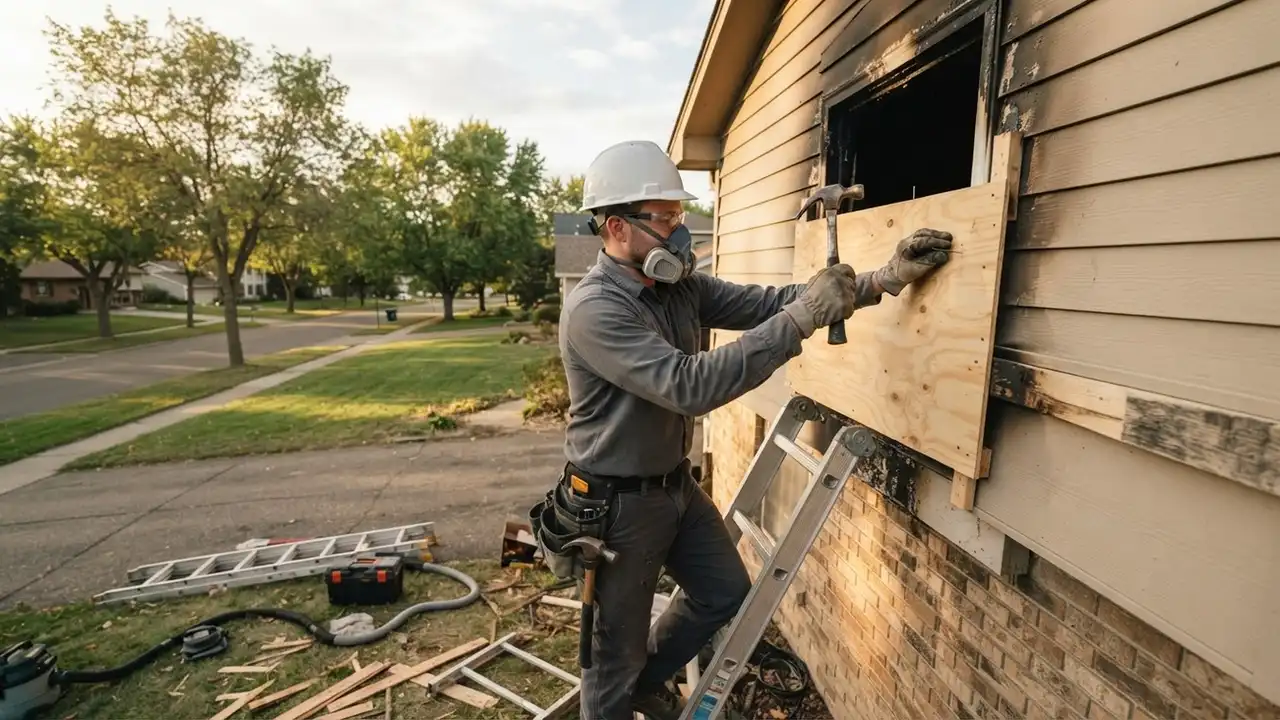
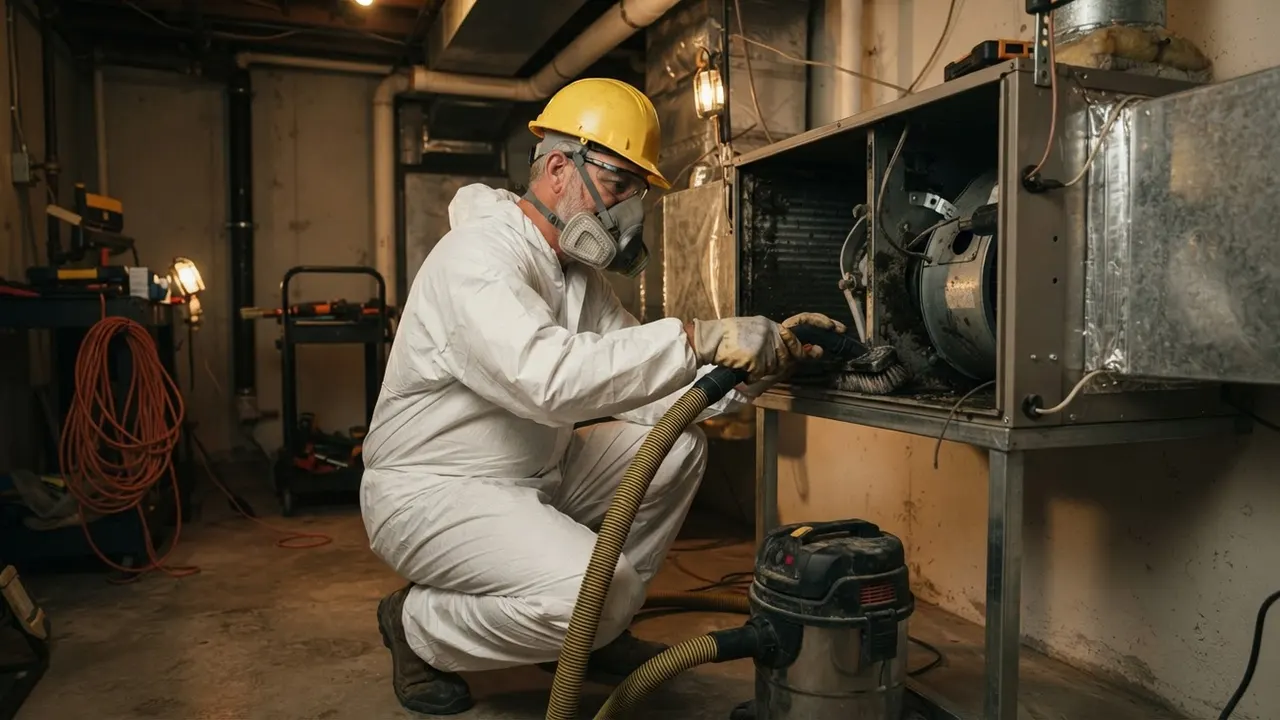
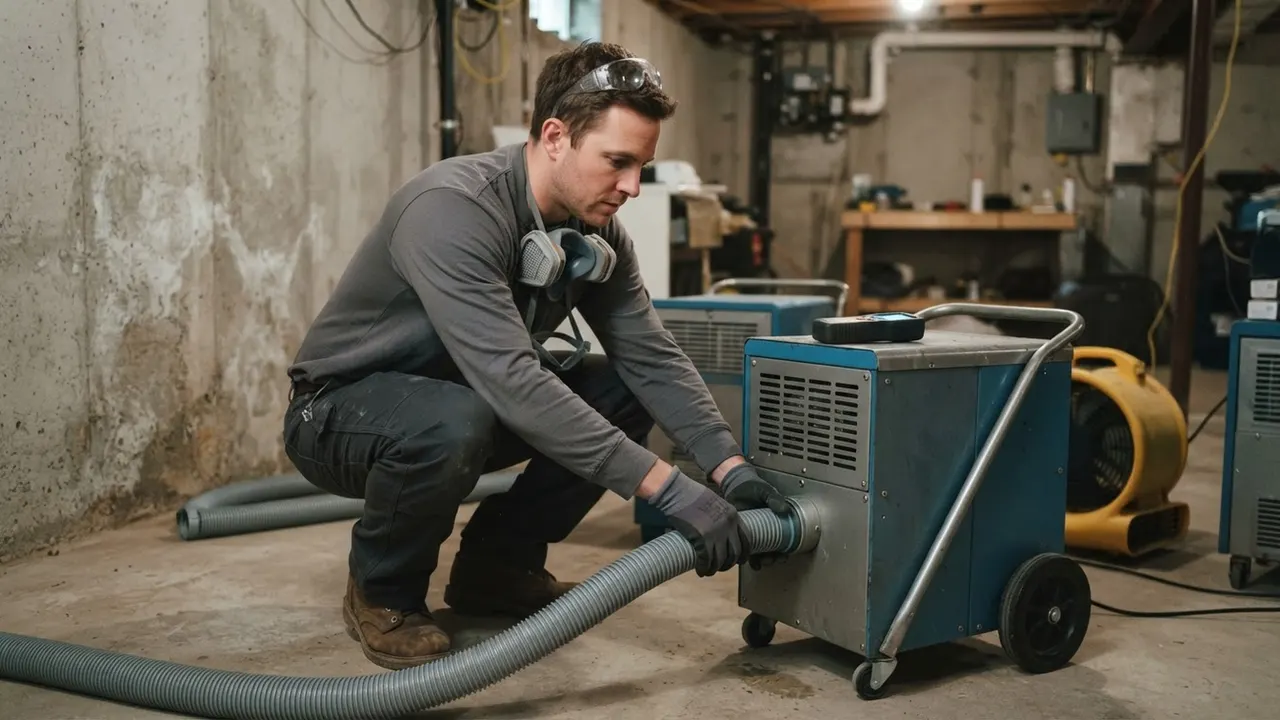
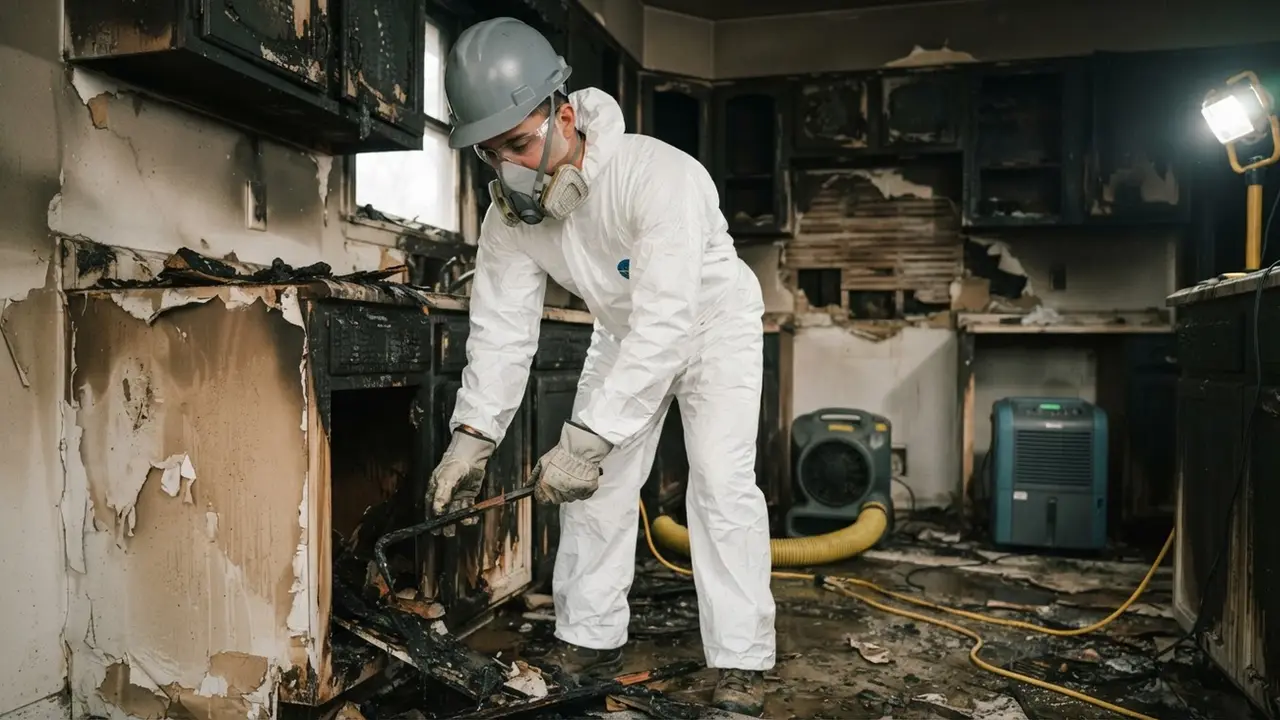
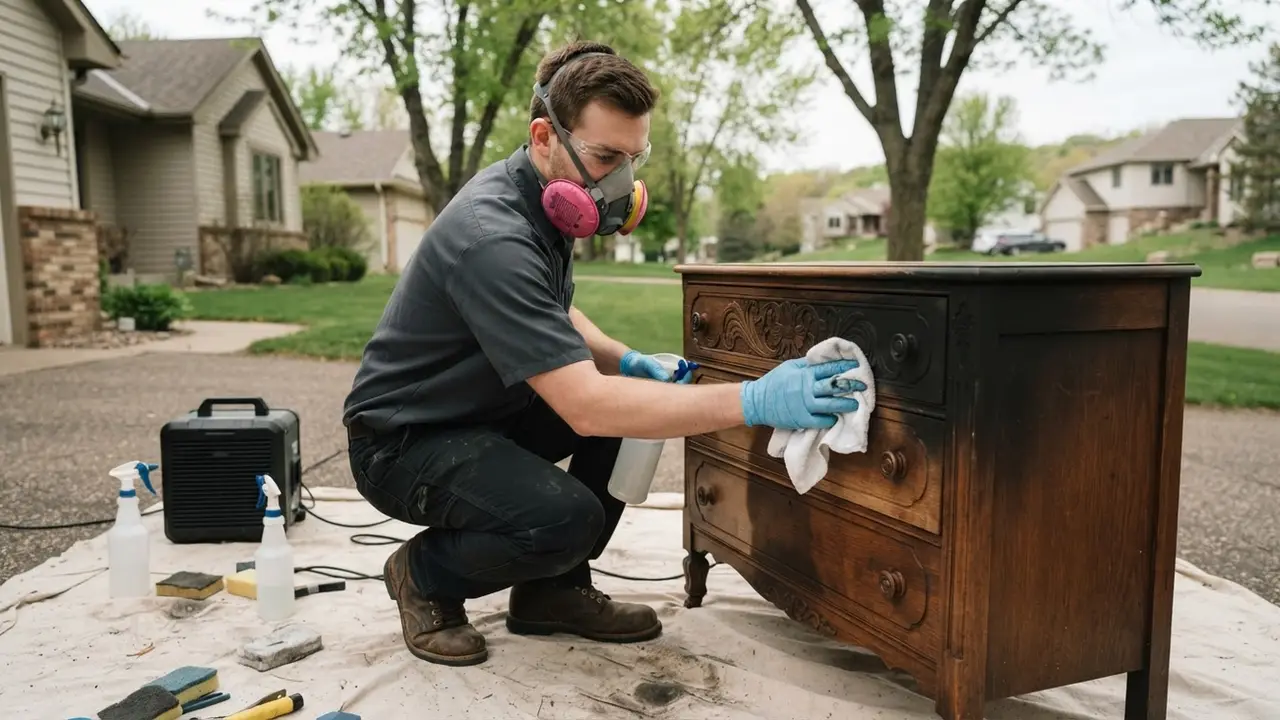
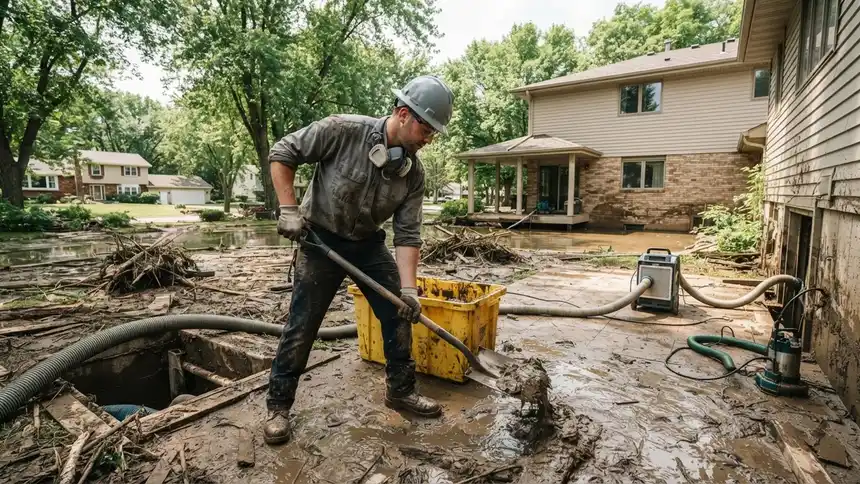
Board-up and roof tarping Hopkins MN helps homeowners, tenants, and property managers protect a damaged building from rain, wind, trespass, and further loss. We secure broken windows and doors, cover roof openings, and explain the next practical steps. For emergency board-up Hopkins MN, call our team after storm damage, fire, a fallen limb, or sudden impact so exposed areas are stabilized before the next round of weather.
Our service covers an on-site check of the damaged opening, practical measurements, and temporary protection for accessible windows, doors, or roof sections. We document visible conditions and review the result with you. Permanent roofing, window replacement, structural reconstruction, and interior drying are follow-up work, not the temporary cover itself; if water entered, we explain which restoration step fits the damage.
Opening Assessment
We inspect the damaged window, door, or roof section and check nearby material for loose edges or visible instability. You learn which opening presents the immediate exposure and what area the temporary cover will address.
Measured Protection
We measure the opening and select panels or tarp material suited to its size and surrounding surface. Attachment points are chosen with the condition of the frame or roof edge in mind, rather than relying on visibly weak material.
Work-Area Protection
We keep people clear of the immediate work zone and protect nearby contents where practical. Plastic sheeting can help limit dust or debris during setup, particularly around interior window openings or damaged ceiling areas.
Temporary Installation
We install a temporary cover that closes the exposed area and directs water away from the opening where the structure allows. We then check the edges and visible attachment points before reviewing the result with you.
Photos and Next Steps
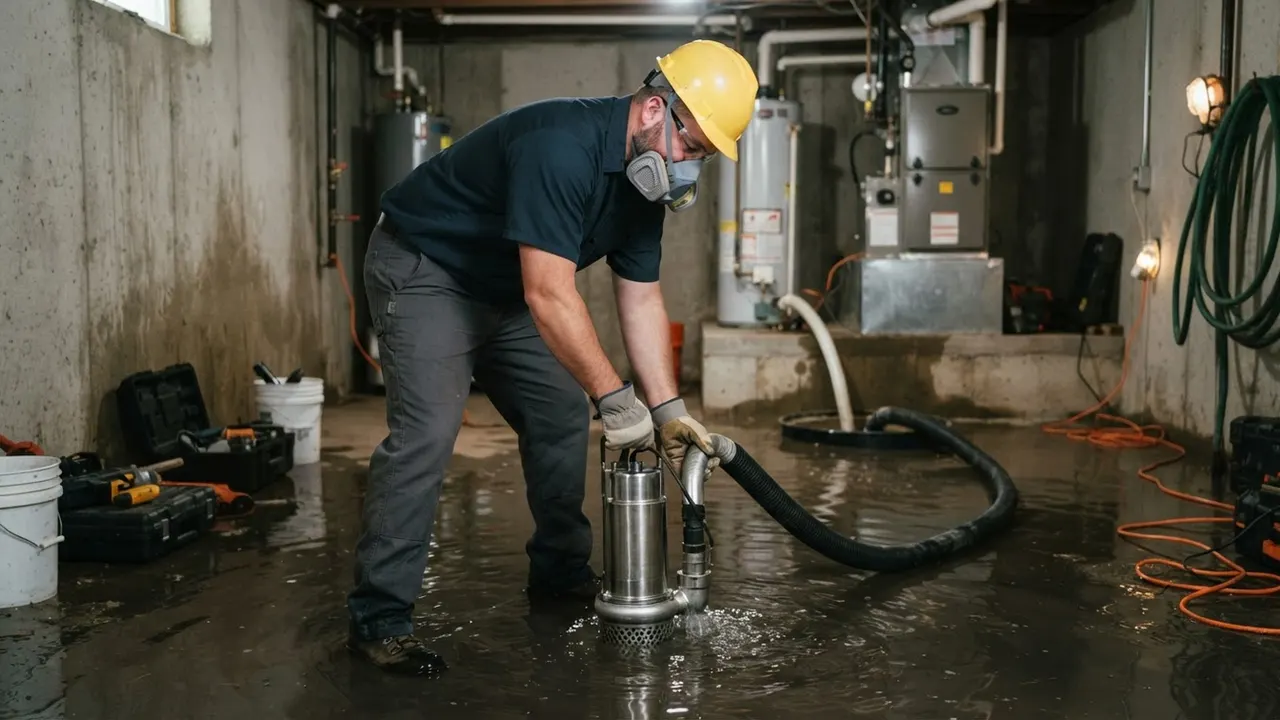
We take photos of the damaged area and the completed protection, then explain remaining permanent repairs. If water is visible indoors, we discuss whether extraction, moisture checks, or structural drying should follow.
Homes and Businesses.
The approach is the same for a home and a business. What changes is the access, the schedule and who needs the paperwork.
Homes and Rentals
We secure exposed windows, doors, and roof sections while keeping your household clear of loose glass and active work. We explain what remains for permanent repair.
Storm-broken bedroom window
Roof opening above a ceiling
Fire-damaged exterior door
Shops and Properties
We work around entrances, tenants, and active business areas, keeping the work zone distinct from public access. We document the protected opening for your repair coordination.
Broken storefront glazing
Storm-damaged flat roof
Exposed rental unit entry
Board-Up and Roof Tarping Hopkins MN Explained
A plain-language look at what Board-Up and Roof Tarping Services involves and when it is needed.
Board-up and roof tarping Hopkins MN is an emergency property-securing service that covers damaged openings and roof sections to reduce exposure after a storm, fire, impact, or break-in. We inspect the affected area, identify unstable edges, and install suitable temporary protection using measured panels, fasteners, and weather-resistant sheeting. The aim is to keep precipitation and unauthorized entry out while permanent repairs are arranged. We also note visible water paths and photograph the protected area, giving you a clear record of the immediate work and any damage that needs follow-up.
Hopkins properties face winter freeze-thaw cycles, heavy snow, and spring storms that can turn a small roof opening into soaked insulation or damaged drywall. A frozen pipe burst can also force emergency access through a wall or window, while a roof leak can spread into an attic before it is noticed. Our Hopkins Minnesota roof tarping services address the exterior opening first, then help you identify whether water extraction or structural drying is needed. If you searched for board-up and roof tarping services in Hopkins MN near me, our local crew can discuss the damage and the safest first steps.
Temporary protection closes exposed openings while permanent repair and interior restoration are planned.
What it is
Temporary panels or tarps cover damaged windows, doors, and roof openings.
When needed
Use it after storm, fire, impact, or break-in damage exposes a building.
What to expect
We inspect, measure, protect the opening, document the work, and review next steps.
What to Expect on Site
Board-up and roof tarping Hopkins MN follows a practical sequence: check immediate hazards, measure the opening, protect the work area, install temporary coverage, and review the result with you. A small window opening can take about 1 to 2 hours; roof access, multiple openings, or debris can extend the visit.
Check Hazards
We start by asking what happened and whether anyone is injured or still inside the affected area. On arrival, we look for unstable glass, sagging ceiling material, downed electrical lines, and unsafe roof access. If a hazard is outside our work, we explain the boundary and direct you to the appropriate emergency service before setting up.
Hazard check
Access review
Work boundary
Measure Damage
We measure the opening and inspect the surrounding frame, roof edge, or siding for material that will not hold a temporary cover. You see which areas need immediate protection and which are damaged but stable. For roof work, access conditions, pitch, and the location of sound attachment points determine the safe setup.
Opening size
Frame condition
Roof access
Protect the Area
Before cutting or fastening materials, we move or cover nearby belongings where practical and keep people clear of the work zone. Plastic sheeting can protect interior finishes from dust or loose debris. We stage panels and tools so that the route through your home or business stays controlled and the work area remains organized.
Protect contents
Clear the area
Stage materials
Install Temporary Cover
We fit and fasten the selected panel or tarp to sound surrounding material, taking care not to rely on loose trim or visibly weakened framing. Roof covers are positioned to shed water rather than channel it into the opening. The work commonly takes 2 to 4 hours for a straightforward single-area job; larger or difficult-access sites take longer.
Fit cover
Secure edges
Check attachment
Review and Document
We inspect the attachment points and edges, take completion photos, and walk you through what is protected and what still needs permanent repair. You receive practical next steps for monitoring the area after rain or a thaw. If water entered the building, we discuss drying checks and whether a dehumidifier or other restoration work is appropriate.
Take photos
Review cover
Explain next steps
Tools and Field Methods
Move across a circle, or focus it and press Enter, for an illustrative thermal view of the photograph.
Moisture Meter
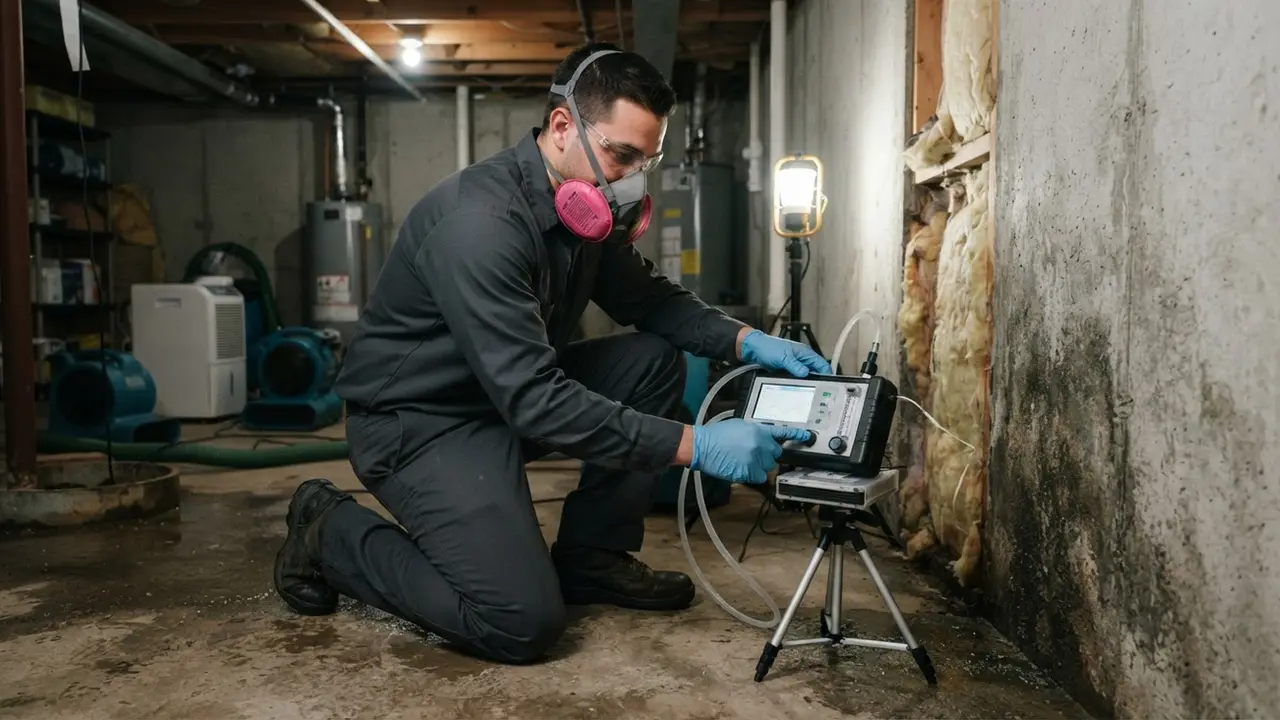
We use a moisture meter to check accessible materials near a leak or opening and help identify where drying assessment should focus.
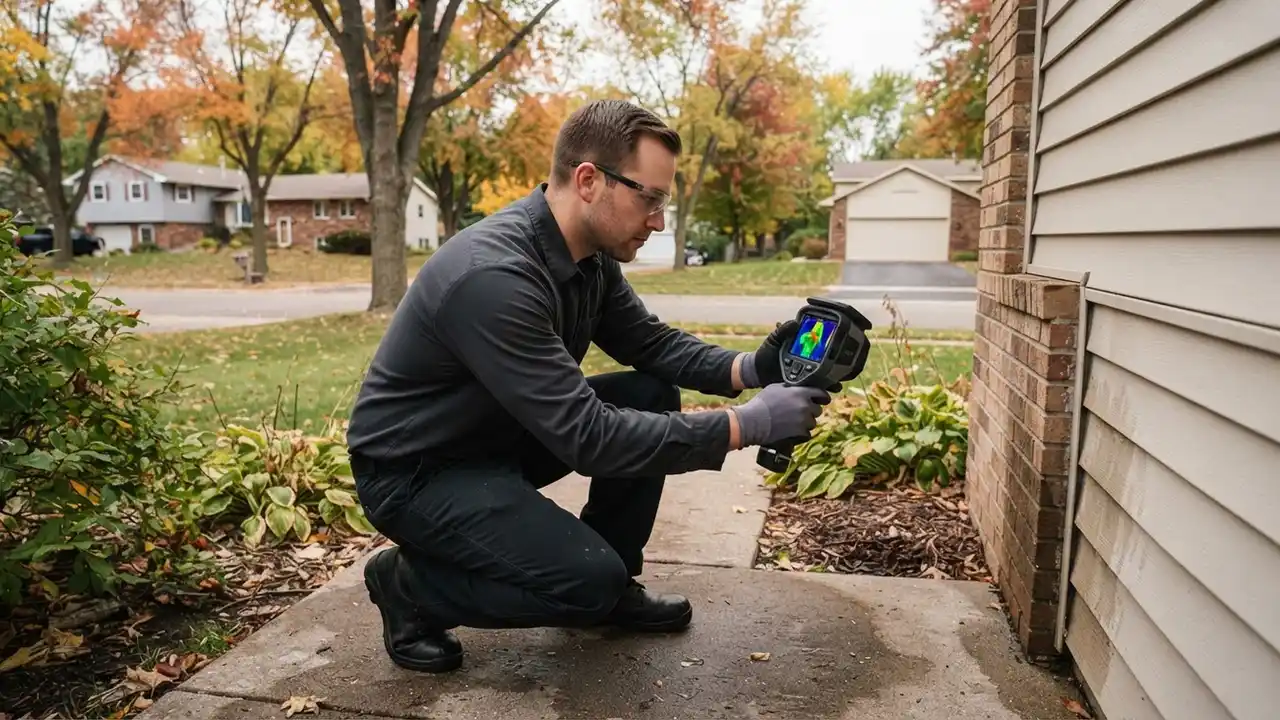
Thermal Imaging Camera
A thermal imaging camera can help locate temperature patterns associated with moisture behind accessible surfaces; findings are checked rather than treated as proof by themselves.
Plastic Sheeting
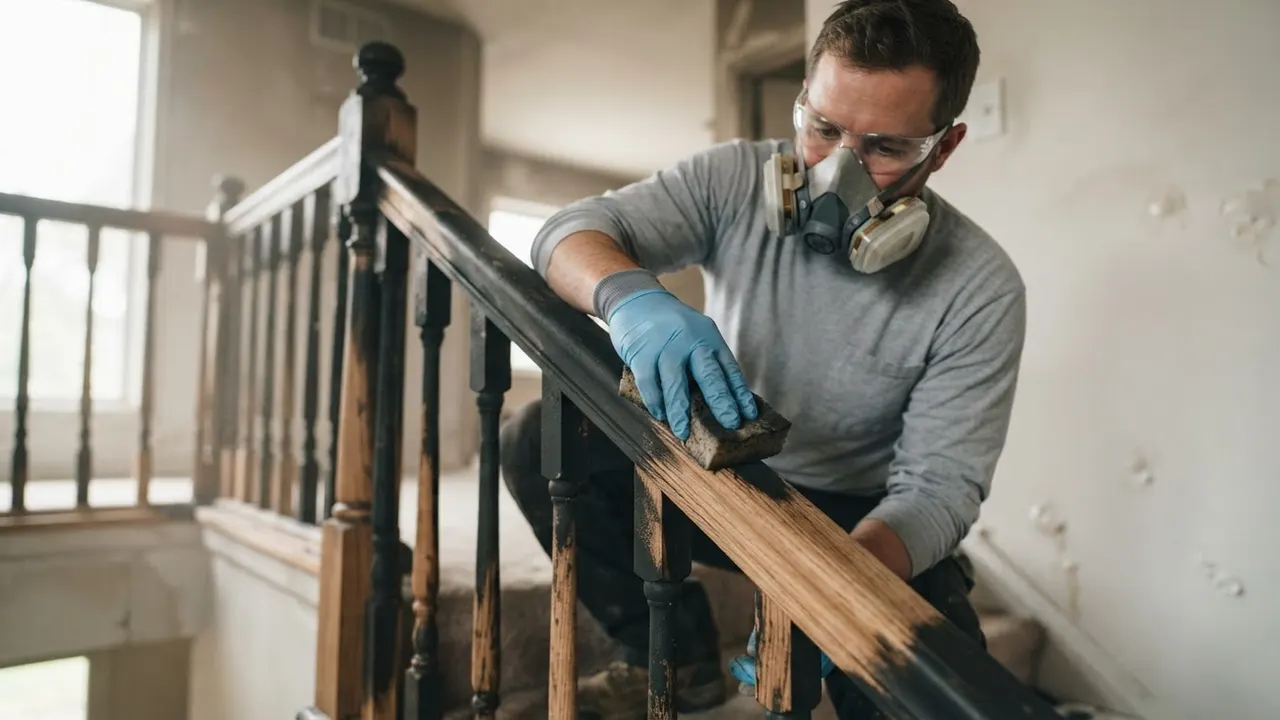
Plastic sheeting protects nearby contents and finishes from loose debris during setup and helps isolate the immediate work area.
Air Mover
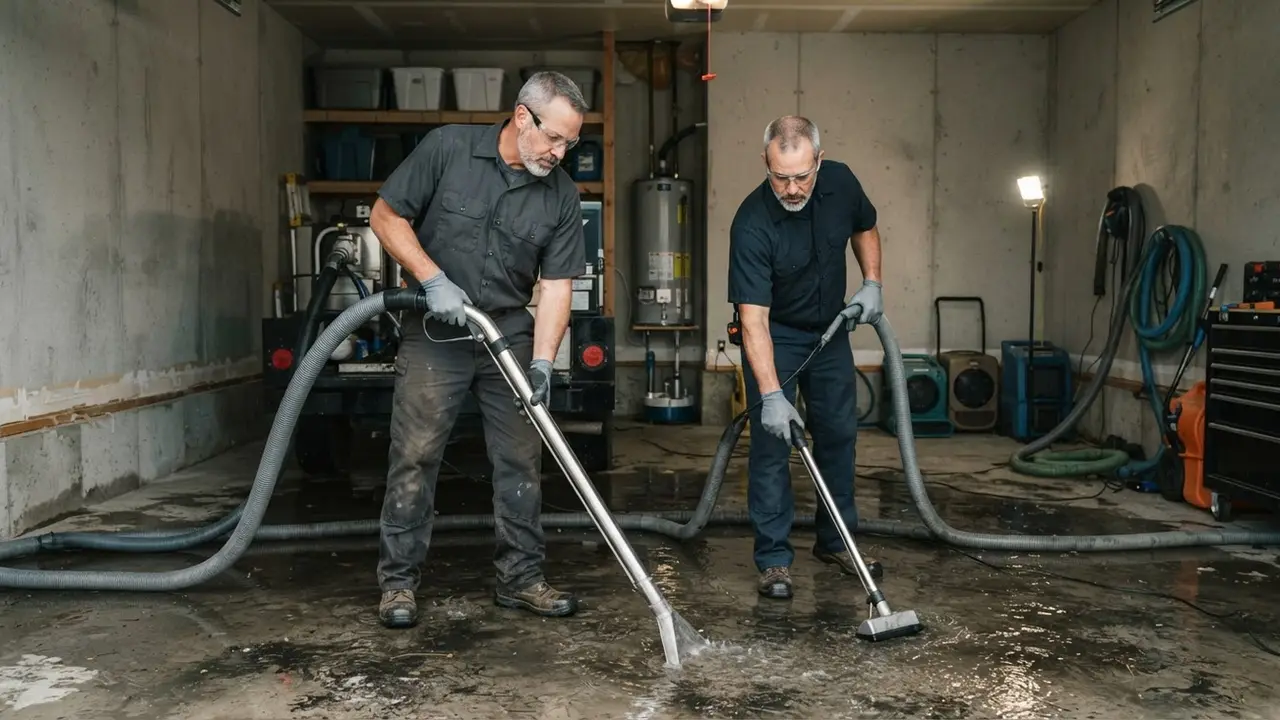
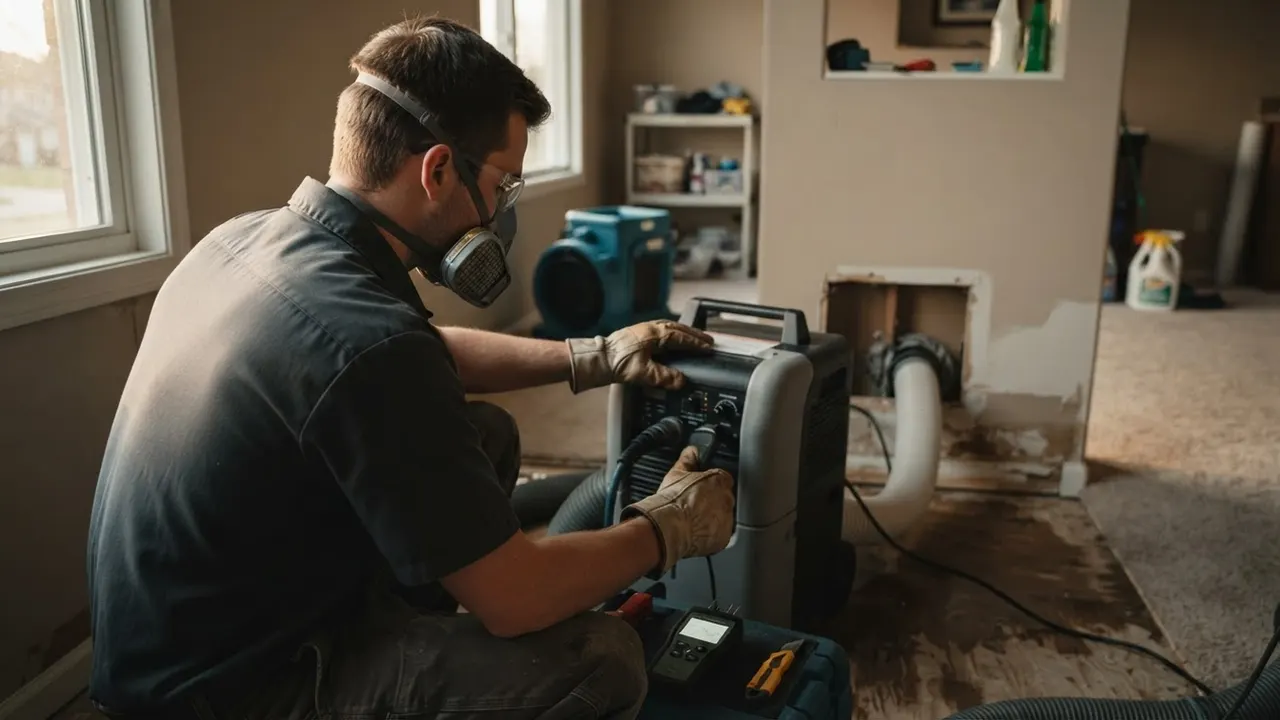
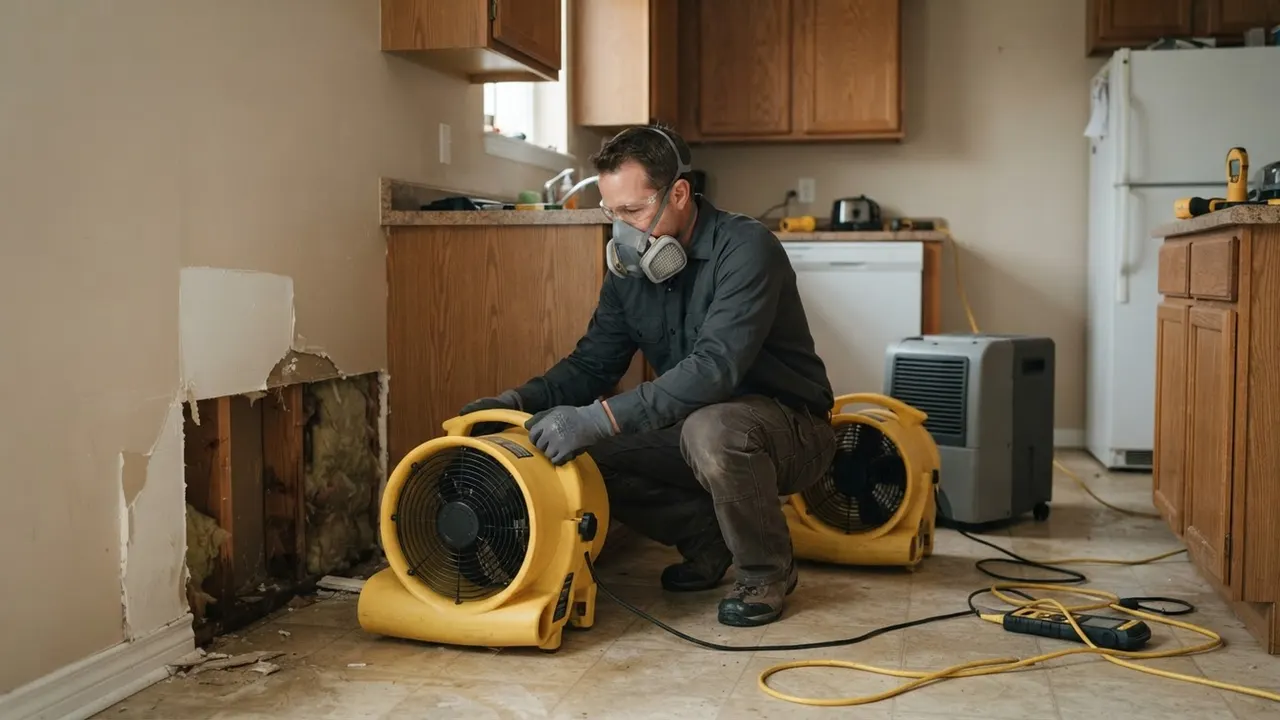
After the opening is secured, an air mover may support drying work by directing air across affected materials as part of a measured restoration plan.
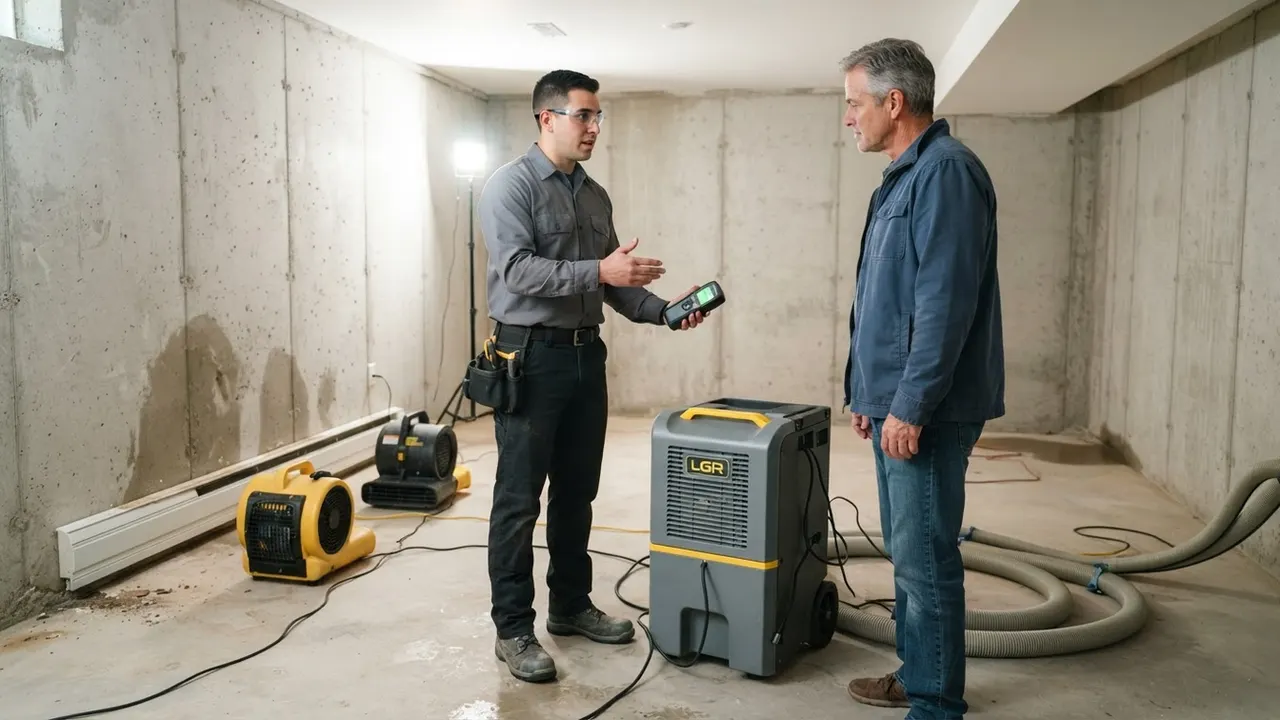
Dri-Eaz Dehumidifier
A Dri-Eaz dehumidifier can be used during follow-up structural drying when moisture checks show that indoor materials need controlled drying.
Thermal views are illustrative, generated from the photographs.
Methods
Opening-first stabilization
We address the path that lets weather or unwanted access into the building before moving to secondary restoration concerns. The sequence starts with hazard checks, follows with measurements and cover installation, and ends with a review of the protected area. Interior drying is planned separately when water has already entered.
Water-shedding tarp placement
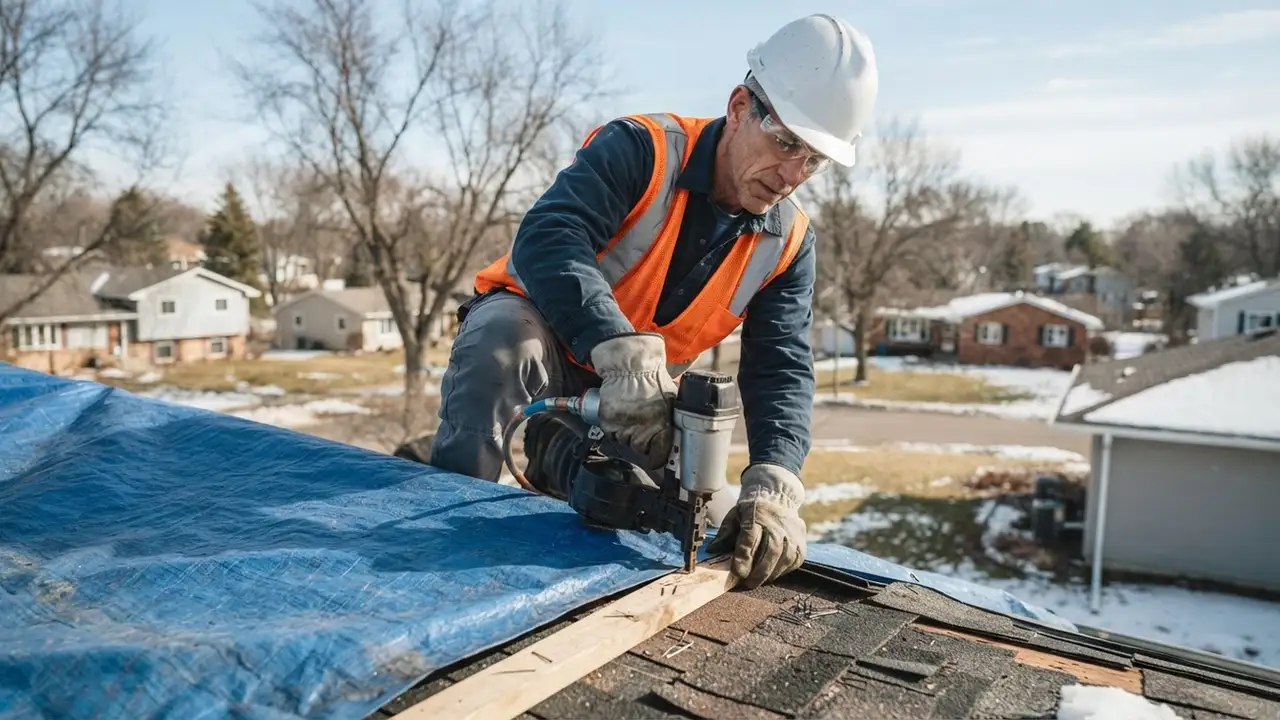
For roof openings, we position the tarp to shed water away from the damaged area and use attachment points supported by sound surrounding material. Roof pitch, edges, and access conditions guide the setup. We do not treat a temporary tarp as a substitute for repairing the roof.
Documented visual inspection
We photograph the opening and completed cover, note visible material damage, and explain what should be checked next. Where moisture is suspected, accessible materials can be checked with appropriate instruments. The record helps you communicate the condition to a property manager, insurer, or repair contractor.
When to Secure an Opening
Roof Storm Damage
A spring storm tears shingles from a Hopkins home near the Excelsior Boulevard Area.
We check the roof access and damaged edges, locate sound attachment areas, and cover the exposed section with a temporary tarp. We also look for water marks in the attic or upper ceiling and photograph the visible conditions so you can coordinate a permanent roofing repair.
Outcome: The roof opening is temporarily covered, reducing direct exposure to the next rainfall while you arrange lasting repairs.
Frozen Pipe Opening
A frozen pipe bursts in a Mainstreet Hopkins home and leaves an exterior wall opening.
We assess the opening and surrounding framing, then fit a temporary panel to reduce weather entry and unwanted access. We keep the work area clear of wet materials and note visible water migration. After the opening is protected, we discuss extraction and drying for affected rooms.
Outcome: The exposed wall is covered, and you have a clear next step for addressing water-damaged finishes and contents.
Storefront Impact
A vehicle impact breaks a storefront window along the Blake Road Corridor.
We inspect the glass and frame, mark the work area, and install a fitted board over the opening. We document the storefront before and after securing it, then explain any frame damage that could affect permanent glazing replacement. The temporary panel helps protect the business interior while repairs are arranged.
Outcome: The storefront is closed off from weather and casual entry, giving the property manager a documented handoff for glass replacement.
Fire Opening
A small kitchen fire damages a roof edge and breaks a window in a Hopkins residence.
We review safe access, identify the exterior openings, and secure them in a sequence that keeps people away from unstable areas. We record the protection and distinguish it from smoke cleanup or structural repair. If suppression water is present, we point out visible wet areas for restoration follow-up.
Outcome: The exterior openings are temporarily protected, letting fire cleanup and permanent repair planning proceed with fewer weather-related complications.
Mainstreet HopkinsBlake RoadShady Oak
How the Work Fits Hopkins Properties
Board-up and roof tarping Hopkins MN must account for changing weather and the building around the opening. In November, freezing temperatures and snow make slick access and water entry urgent concerns; spring storms and summer wind can also tear roofing or break glazing. We check the roof edge, frame, and nearby materials before selecting a temporary attachment method.
Older homes and storefronts along Mainstreet may have different trim and framing than newer properties near Shady Oak, so the opening itself guides the setup. Our emergency roof tarping Hopkins MN work prioritizes a safe route to the damaged area, then checks for visible water paths into ceilings or walls.
For emergency roof tarping near me Hopkins Minnesota property owners can call to describe the opening, building height, and any hazards. We serve Hennepin County, including Hopkins addresses in ZIP codes 55343 and 55305. After securing the exterior, we explain whether permanent roofing, window replacement, or interior drying should follow.
Mainstreet Hopkins: Storefront openings may involve wide glass panes and public walkways, so we keep pedestrians clear while measuring and covering the damaged area.
Blake Road: Homes and commercial properties near Blake Road can have different roof access and parking conditions; we plan material staging to keep the work route controlled.
Shady Oak: Tree limbs and wind-driven debris can damage roof edges or windows near wooded areas, making a check for loose surrounding material important.
Downtown Hopkins: Closely spaced buildings and active sidewalks call for careful placement of panels, debris control, and clear separation between the work zone and passersby.
Freeze-thaw cycles can loosen roof edges and trap water: Repeated freezing and thawing can widen a damaged seam or leave ice near access points. We assess the opening and safe footing before positioning temporary protection, then explain what requires permanent repair once conditions allow.
Heavy snow can complicate roof access and tarp placement: Snow adds weight and can hide damaged shingles, weak edges, or slick surfaces. We evaluate whether the roof can be reached safely and avoid treating an unsafe climb as routine work.
We walk through the opening and explain the immediate hazards.
We protect nearby contents and set up a controlled work area.
We check the cover, document the work, and review next steps.
From Problem to Finished Result.
IllustrativeThe thermal view is generated from the photograph. It is not a measurement. Drag the handle, or use the arrow keys once it is focused.
Storm-Damaged Roof Section
Before: A windstorm removes shingles and damages the roof edge above an upstairs bedroom. Rain has begun marking the ceiling, and loose material makes the opening difficult to assess from the ground. The homeowner needs the weather path covered without mistaking temporary protection for a finished roof repair.
After: We check safe access, cover the exposed section, and photograph the opening and completed tarp. The homeowner sees which roof area is protected and where the ceiling shows visible water impact. The temporary cover limits direct entry while a roofer assesses the permanent repair.
After heavy rain or a major thaw, look from a safe location for displaced edges or new ceiling stains. Do not climb onto the roof to inspect the tarp; arrange a professional check if the cover appears loose.
Broken Storefront Glazing
Before: A vehicle impact breaks a large storefront pane near Mainstreet Hopkins. Glass remains along the frame, and the open entrance exposes merchandise and the interior to wind and rain. The property manager needs a way to secure the opening before the glazing contractor can replace the pane.
After: We establish a clear work area, check the frame, and install a measured temporary board. Photos record the opening and the completed cover. The business can restrict access to the affected area and coordinate glass replacement without leaving the storefront fully exposed.
Keep customers and staff away from the temporary panel and check it visually from inside during routine opening procedures. Arrange permanent glazing repair and report any movement or water entering around the frame.
Fire-Damaged Exterior Opening
Before: A kitchen fire breaks a window and damages nearby trim. Smoke residue remains indoors, and the open window leaves the room exposed to weather. The homeowner needs the exterior opening secured before cleaning and interior repair can proceed.
After: We inspect the opening and surrounding frame, install a fitted temporary panel, and document the protected area. The homeowner can distinguish the board-up from the separate smoke cleanup and repair work. The opening is closed off while restoration planning continues.
Keep the work area clear and avoid removing the panel before permanent window work is scheduled. If rain appears indoors or the panel shifts, contact the service team and arrange an inspection from a safe position.
Problems Emergency Protection Can Solve
If your home or business has an exposed opening, board-up and roof tarping services in Hopkins MN near me can help address the immediate risks. We close the weather path, reduce unwanted access, and identify visible water damage that needs attention after the opening is secured.
Roof water entryRain entering through a storm-damaged roof openingWater can spread into insulation, ceiling finishes, and framing, enlarging the repair area with each rainfall or thaw. We inspect the roof opening and surrounding material, then position a temporary tarp to shed water away from the exposed section. We document the coverage and point out visible interior staining or dampness. You can then arrange permanent roof repair and, if needed, drying for affected building materials.
Broken windowBroken window glass leaving a room open to weatherWind-driven rain, cold air, and unauthorized entry can affect the room and nearby belongings while sharp fragments remain hazardous. We check the frame and loose glass, establish a safe work area, and fit a measured panel over the opening. We clear immediate hazards where safe and record the result. The temporary board keeps the opening covered while you arrange glazing replacement and any interior cleanup.
Fire openingFire-damaged doors and windows exposed overnightAn open building can admit precipitation and unwanted entry, while debris or weather complicates the fire restoration work already underway. We identify accessible exterior openings and secure them with temporary panels or covers appropriate to the surface. We coordinate the work zone around fire debris and explain which areas are protected. Your restoration team can then proceed with cleaning and repair planning in a more controlled building.
Wet insulationWet insulation below an opening after repeated leaksMoisture trapped above a ceiling can stain finishes, damage framing, and create conditions that support mold growth if drying is delayed. We close the exterior entry point first, then look for visible indicators such as staining or softened drywall. A moisture meter can check accessible materials as part of the next assessment. We explain when structural drying or further inspection should follow so the source and interior impact are both addressed.
Practical Protection After Damage
A secured opening helps limit weather entry while permanent repairs are arranged.
Block Weather Entry
A secured roof opening helps keep rain, melting snow, and wind-driven debris away from framing and insulation. We fit the cover to the damaged section and check its edges and attachment points before leaving. After a storm, even a small gap can direct water into a ceiling cavity, so closing the path promptly matters.
Secure Broken Windows
Our window board-up Hopkins Minnesota work covers broken glazing and exposed frames with fitted panels that reduce entry and weather risks. We clear loose fragments from the immediate work area when safe, protect nearby finishes, and document the opening. This is especially useful after a break-in or a branch impact that leaves glass unstable.
Limit Secondary Damage
Temporary protection helps reduce the chance that an open roof or wall keeps feeding water into a building. We look for visible staining, damp insulation, and water paths near the opening, then explain whether drying equipment should follow. A moisture meter can help check accessible materials without guessing from surface appearance alone.
Create a Clear Record
Photos and a straightforward work summary help you track what was damaged, what we covered, and what needs permanent repair. We note the opening dimensions and the materials used, then identify visible concerns that deserve follow-up. These records can support your conversations with a property manager or insurance representative.
What You Receive
Clear records you can keep and share.
Photo Record
Images of the opening and completed temporary cover.
Work Summary
A concise record of protection installed.
Area Notes
Visible damage and follow-up concerns observed.
Next Steps
A summary of repair or drying needs discussed.
Temporary Protection Versus Repair
A tarp or board closes an exposed opening; permanent repair restores the damaged roof, window, frame, or interior materials.
Exterior Opening
The immediate exposure is covered and documented.
Broken glazing
Missing roof material
Damaged entry
Interior Impact
Water or debris inside needs separate assessment.
Wet drywall
Damp insulation
Affected contents
Permanent Repair
A lasting fix replaces or repairs damaged building materials.
Roof repair
Window replacement
Structural work
Common Materials
Roof tarp
Plywood
Fasteners
Plastic sheeting
Sealant
Drywall
Insulation
Panel cover
Service ZIP Codes.
A list like this tells people straight away whether you cover their street. Not listed? Call and ask: it only takes a minute.
A windstorm broke the large front window at our Downtown Hopkins home. The crew checked the loose frame, covered the opening, and took photos before leaving. They also pointed out water on the sill that we had not noticed. The room was protected before the next rain, and we knew what needed permanent repair.
A branch damaged the roof over one of our rental units near Blake Road. The team explained how they would secure the tarp and kept residents away from the work area. They photographed the roof opening and showed me the completed cover. That made it easier to coordinate the roofer and communicate with the tenant.
After a small kitchen fire, we had a broken window and smoke in the house. The crew boarded the window, cleared the immediate work area, and documented the opening. They were clear about what the temporary panel did and did not fix. We could then focus on arranging the remaining fire cleanup.
Frequently Asked Questions
Typical 2026 pricing in Hopkins changes with opening dimensions, roof pitch, materials, debris, and the number of areas. We identify the work needed and explain the price before proceeding. Permanent roofing, glazing, and interior restoration are separate repair work.
A single accessible window can often be boarded in about 1 to 2 hours after the crew begins work. Multiple openings, unstable framing, or debris can add time, and roof access requires a safety check first. For same day board-up Hopkins MN, call (833) 546-4116 and describe the opening, building type, and immediate hazards so we can discuss the response.
Many property policies cover reasonable emergency measures that prevent further damage, but coverage depends on your policy, cause of loss, and deductible. Photograph the damage before work if it is safe, keep the service record and receipts, and contact your insurer promptly. Our emergency board-up and roof tarping in Hopkins Minnesota can be documented with photos and a description of the temporary protection performed.
Choose a Hopkins provider that checks hazards, explains the temporary method, documents the work, and distinguishes emergency protection from permanent repair. Ask how the crew will secure your specific opening and whether roof access is safe. Our team serves Hopkins, Minnesota, and can discuss your situation by phone at (833) 546-4116 before you decide on the next step.
Board-up and roof tarping Hopkins MN can help limit exposure after a storm, fire, or impact. Our team will discuss the opening, immediate hazards, and next step with you. Call Hopkins Water Damage Company at (833) 546-4116 to describe what happened and arrange service.
Call Hopkins Water Damage Company at (833) 546-4116 to describe a leak, fire, mold concern, or basement water problem. We connect you with independent companies serving Hopkins, Minnesota, including ZIP codes 55343 and 55305. Tell us the property type, affected area, and whether the source is still active so the provider can understand what help you need.