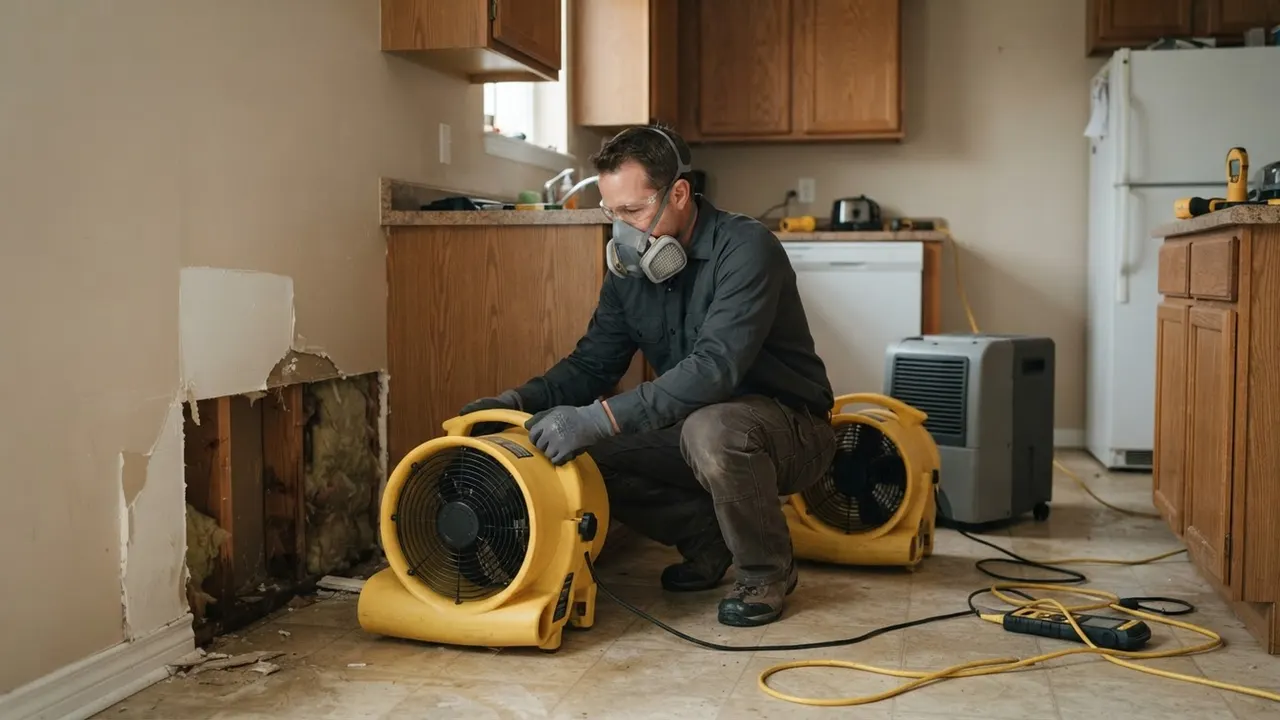
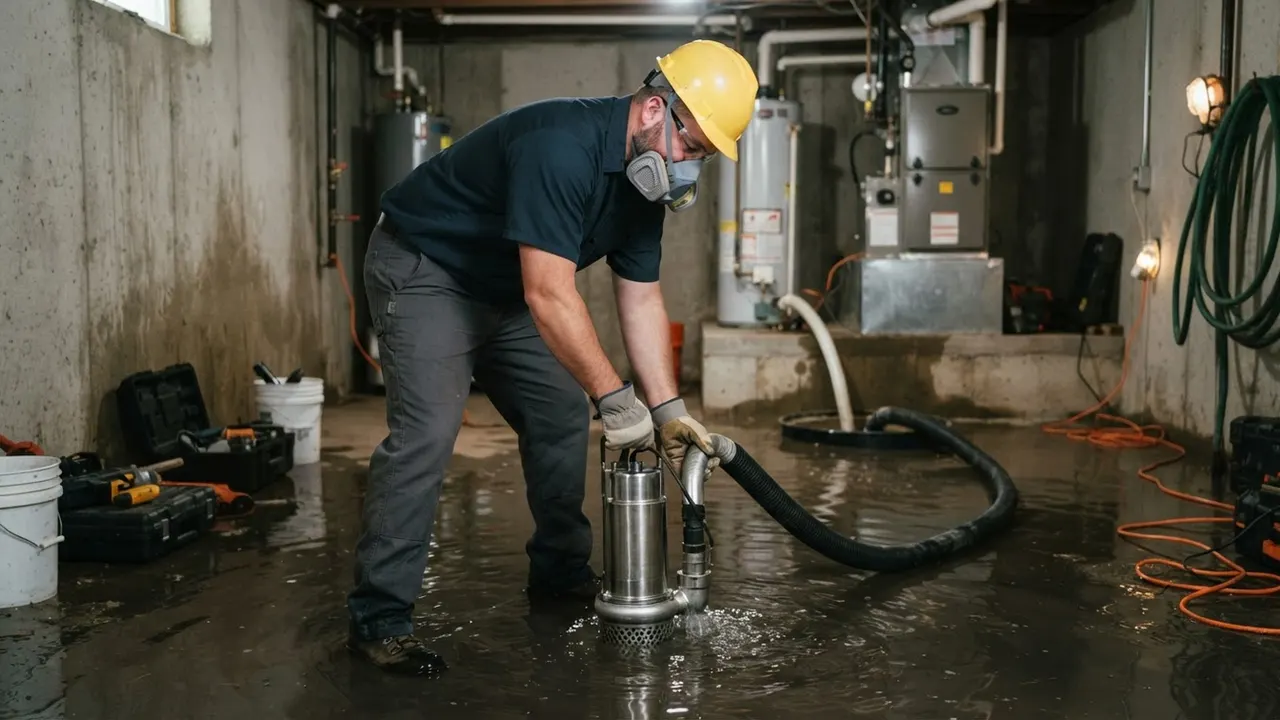
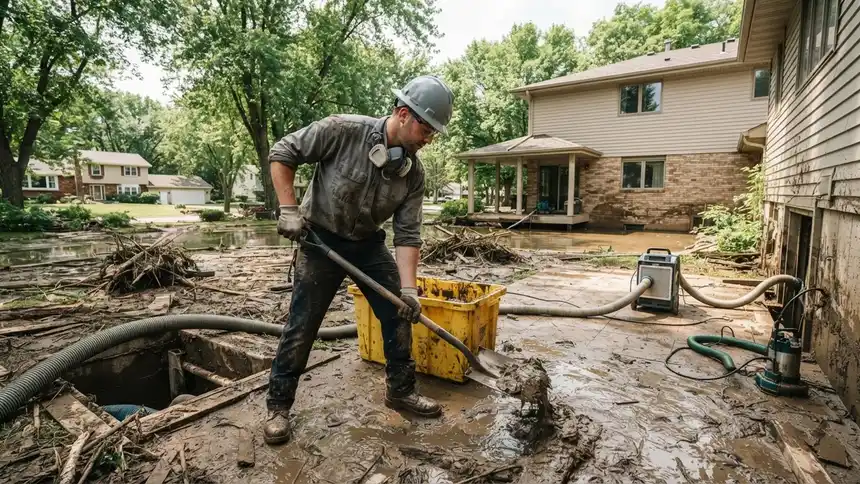
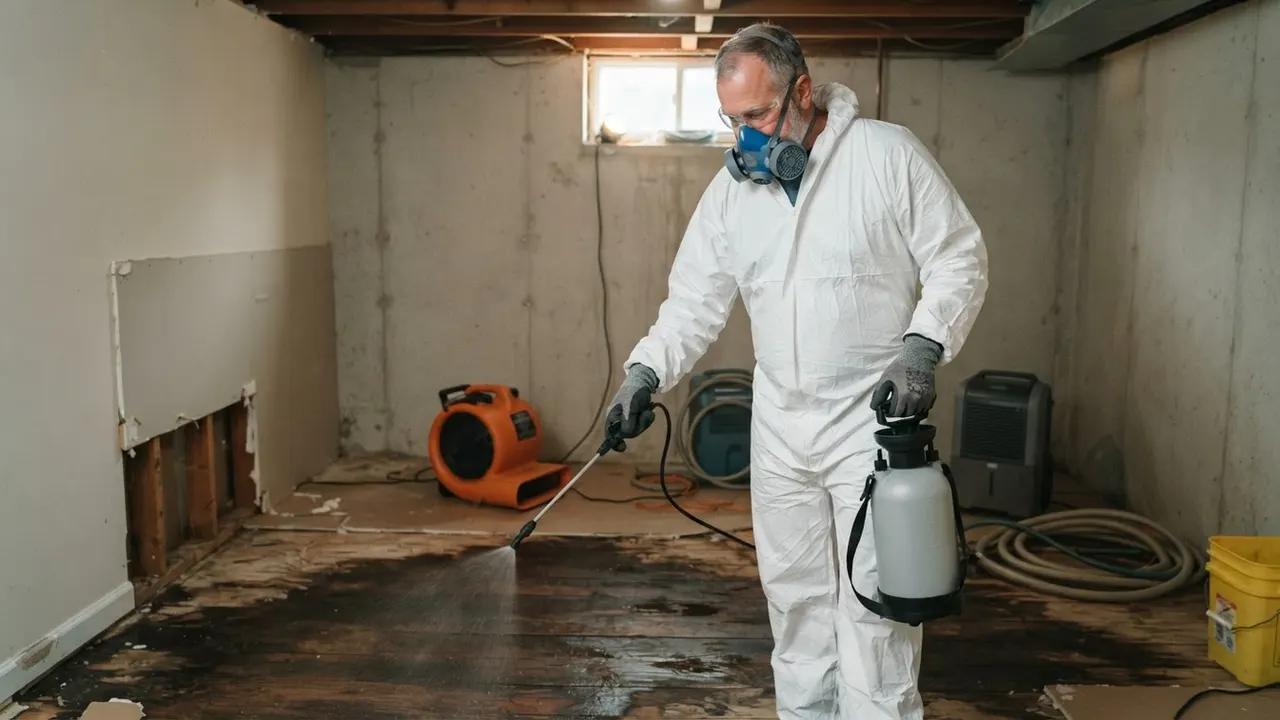
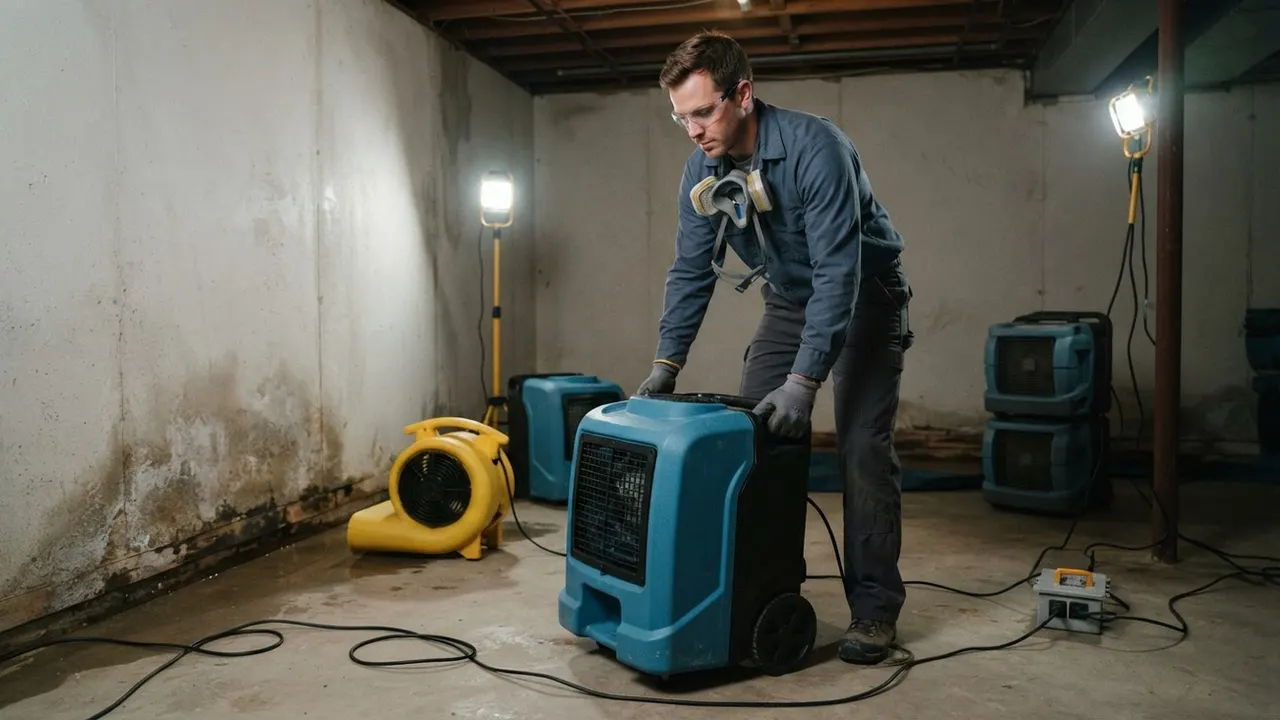
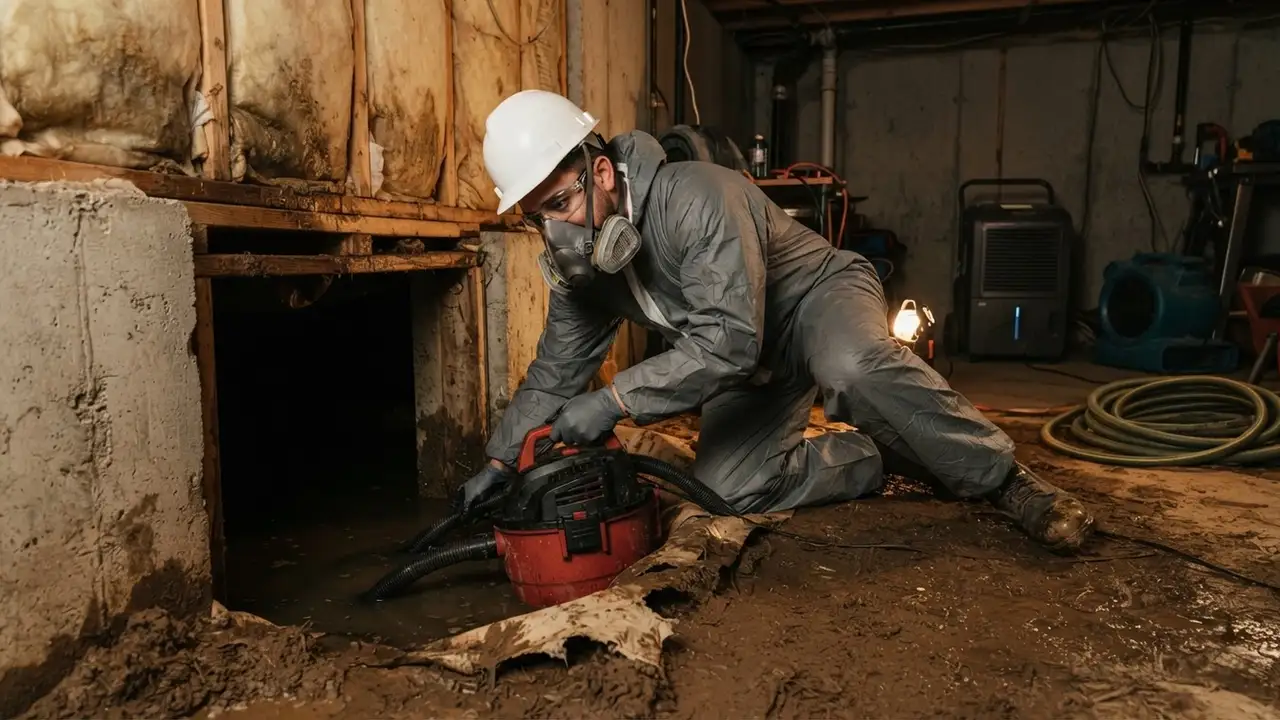
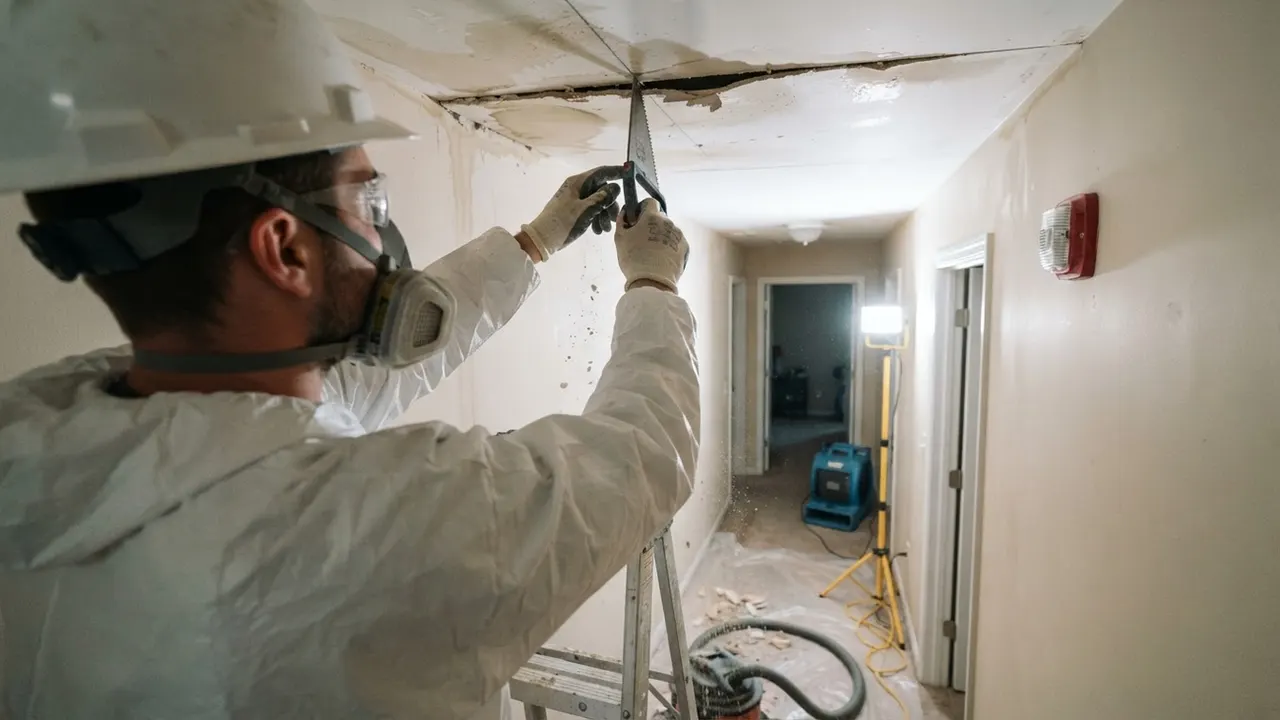
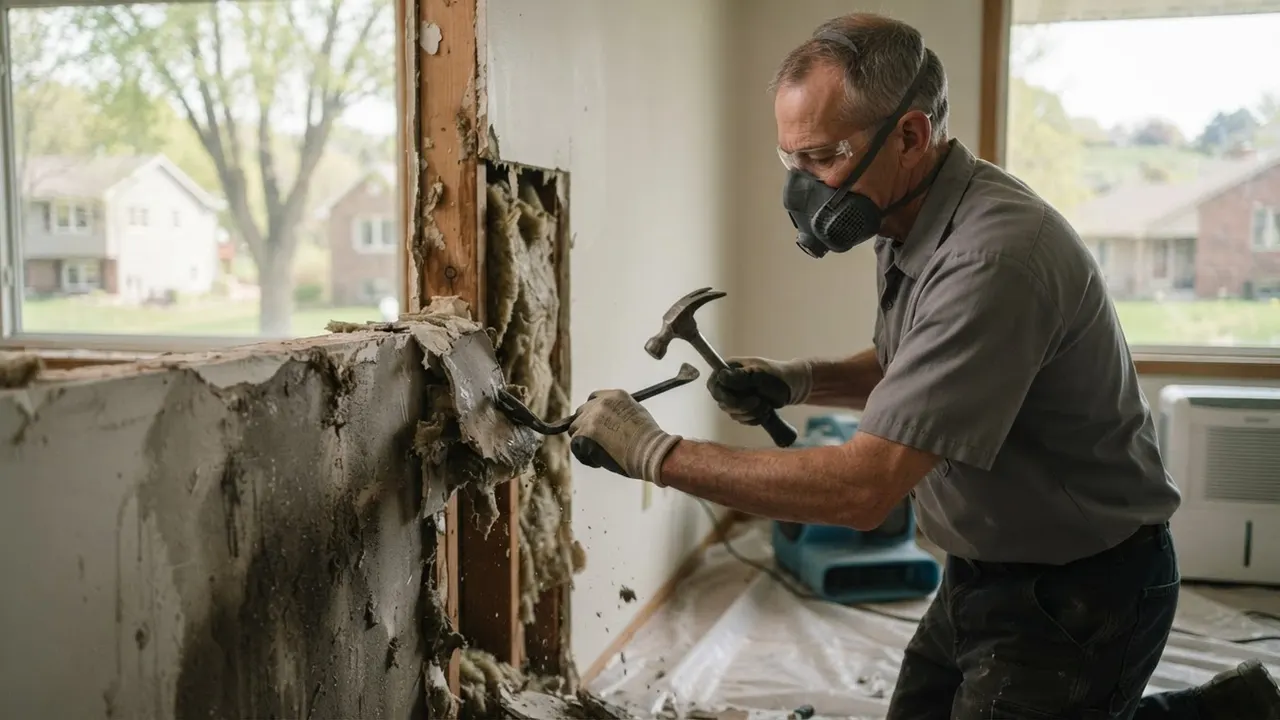
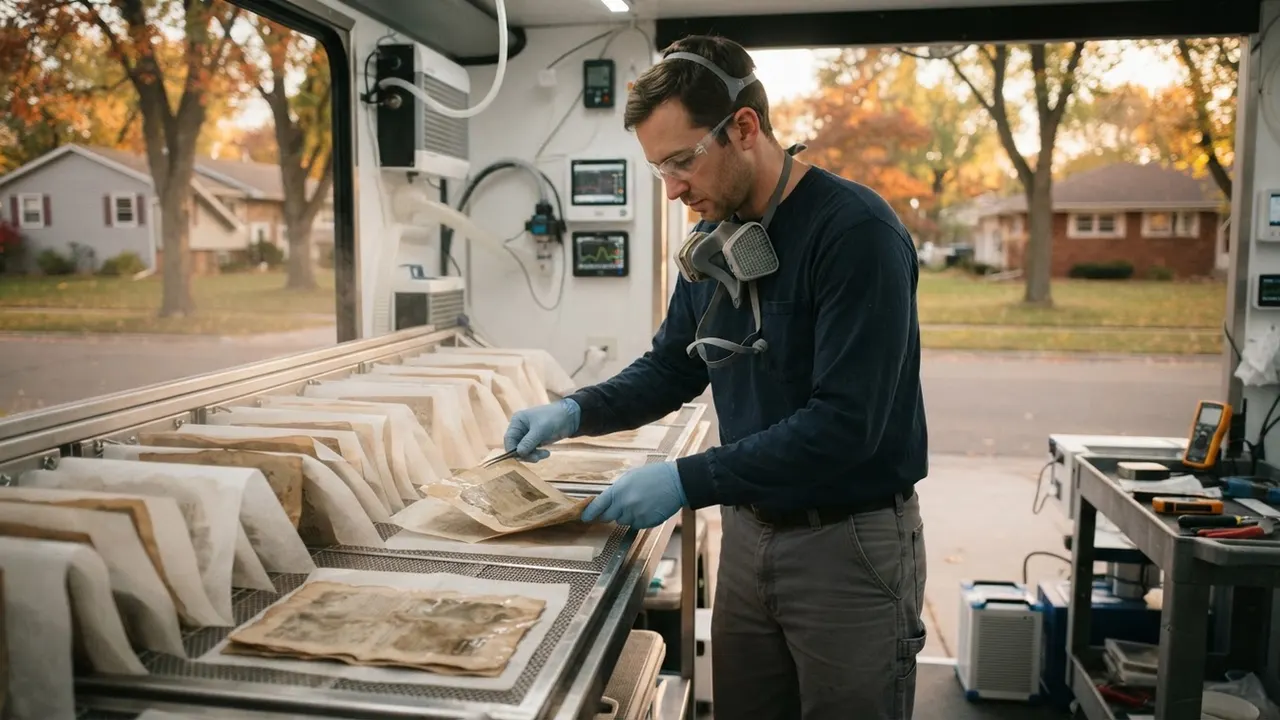
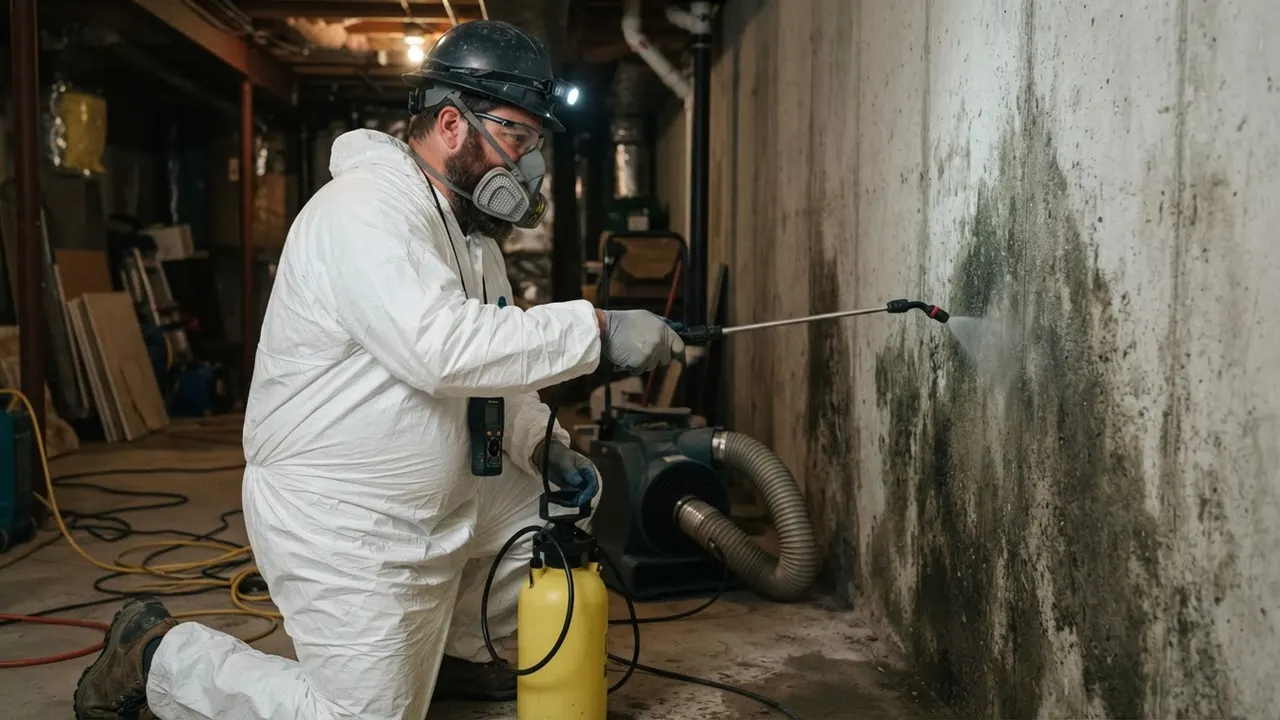
Mold removal and remediation Hopkins MN helps homeowners and property managers address visible growth, musty odors, and damp building materials. Our team traces the moisture source, contains affected areas, removes damaged material when needed, and dries the structure. For mold remediation Hopkins MN, call when a leak, basement seepage, or winter pipe burst leaves drywall or insulation wet; prompt action limits spread and helps protect the rest of your property.
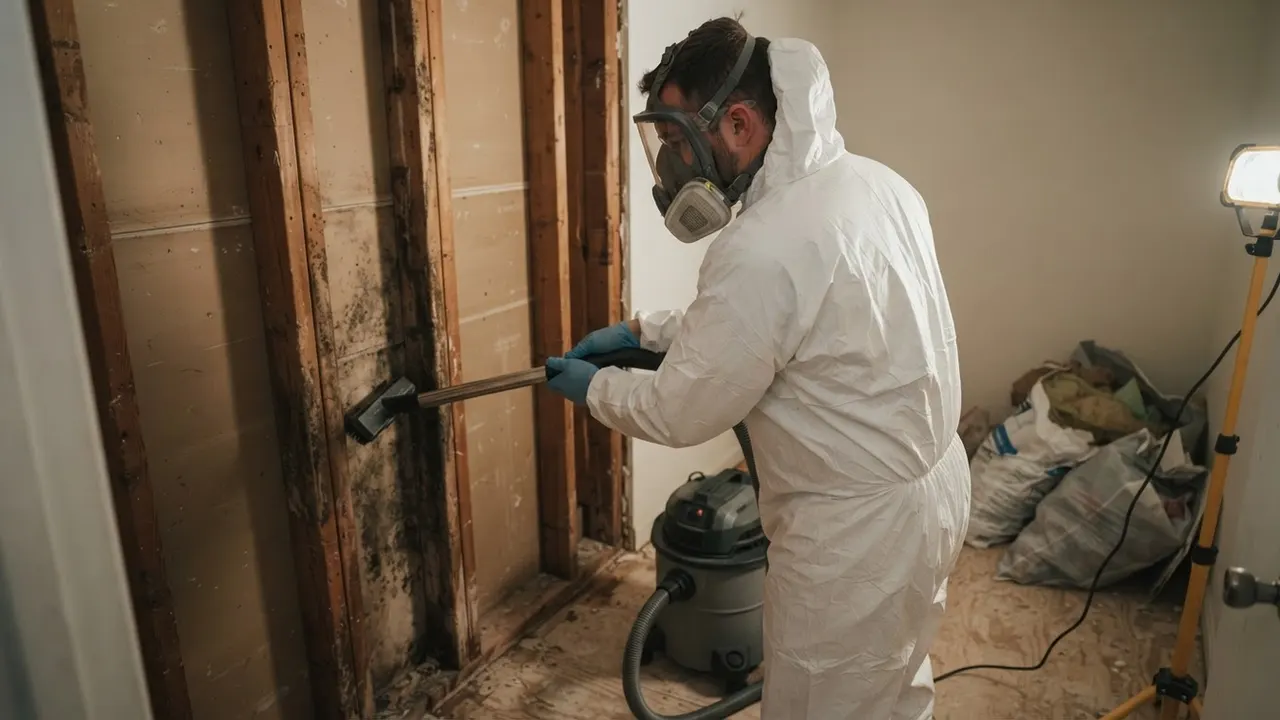
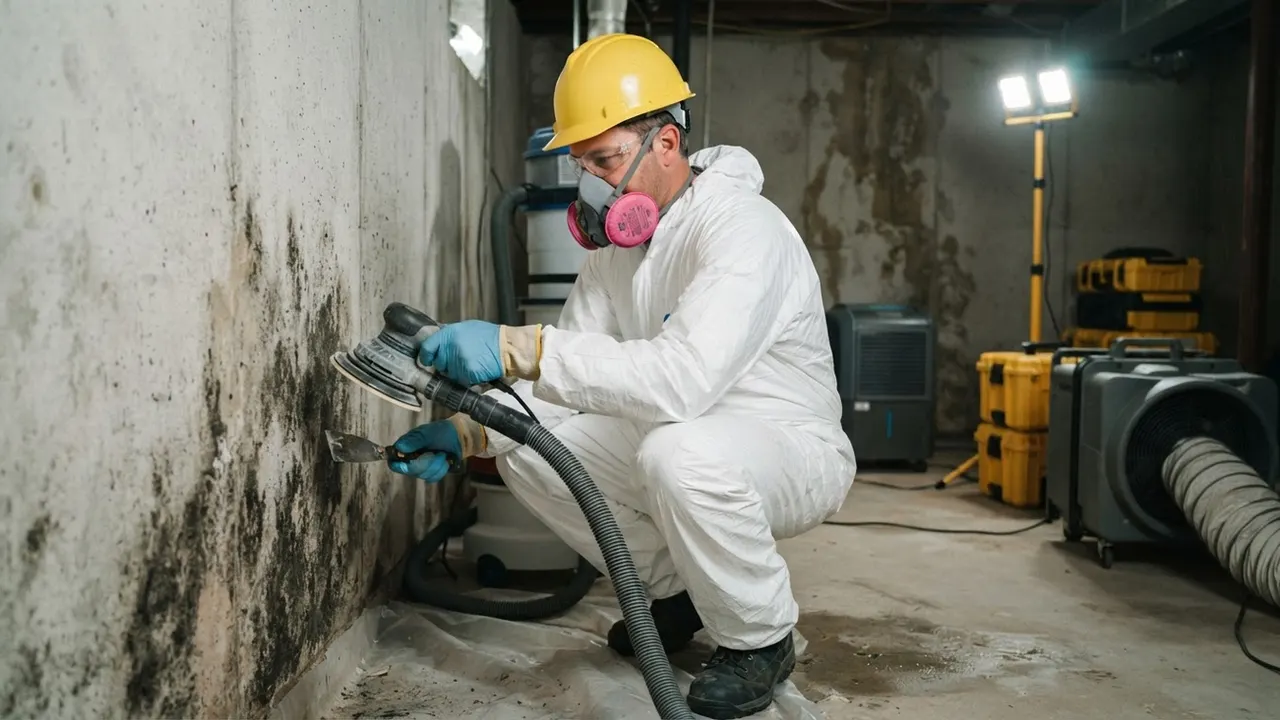
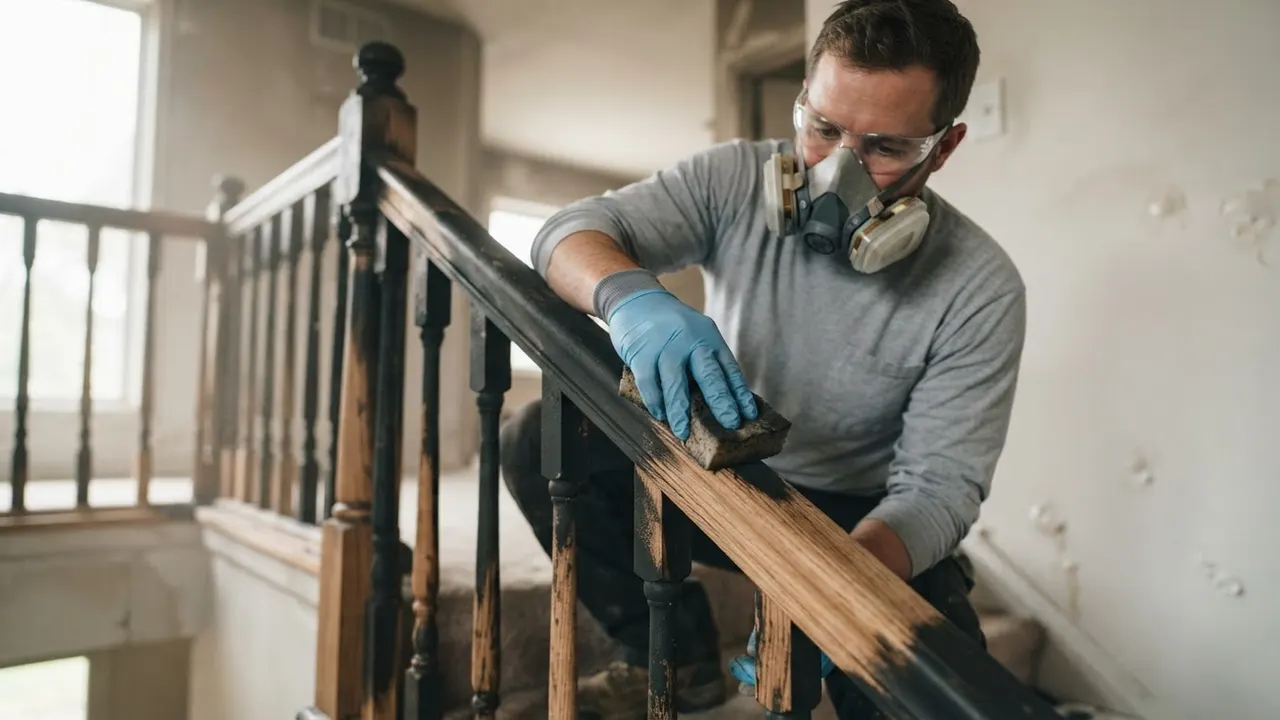
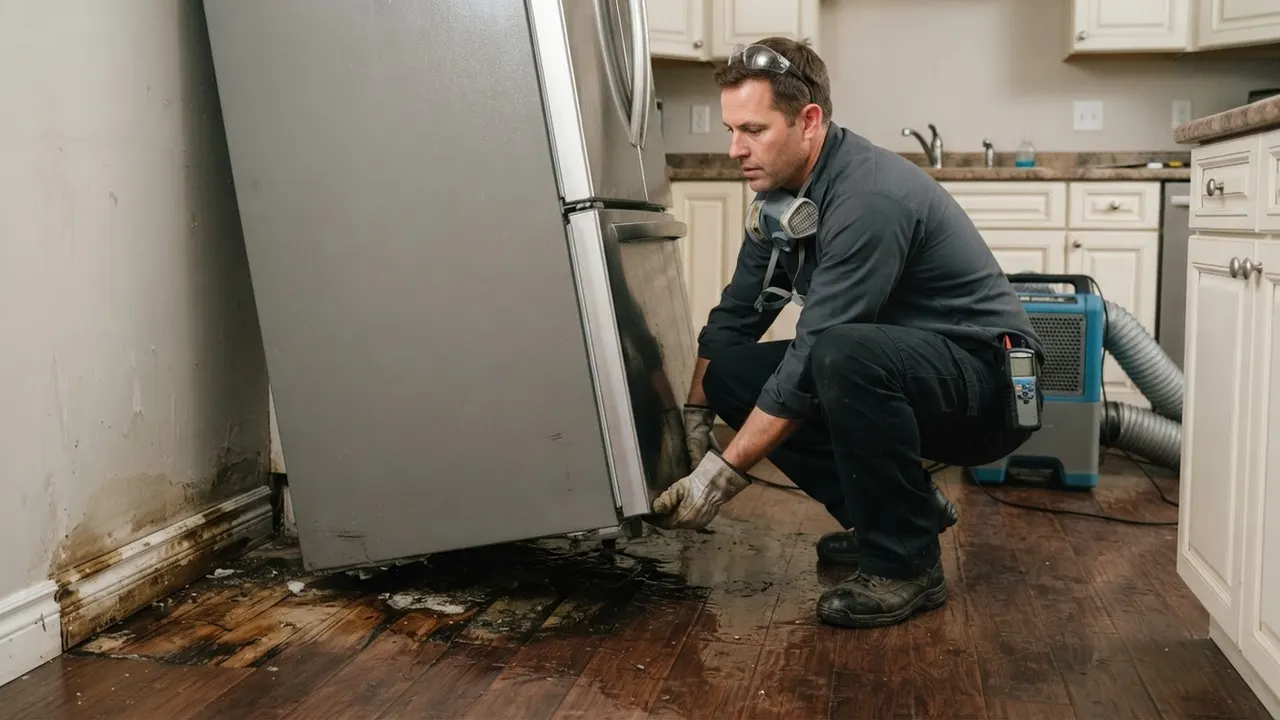
Protected surfacesNearby finishes covered before removal
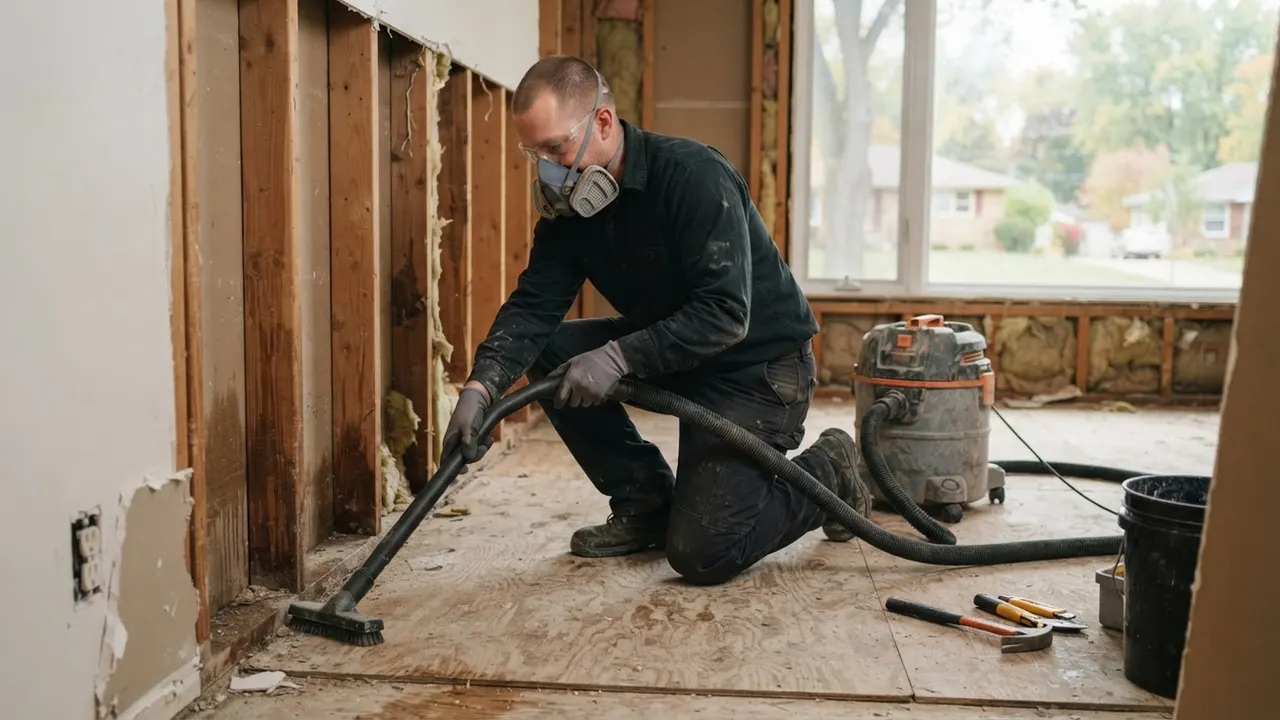
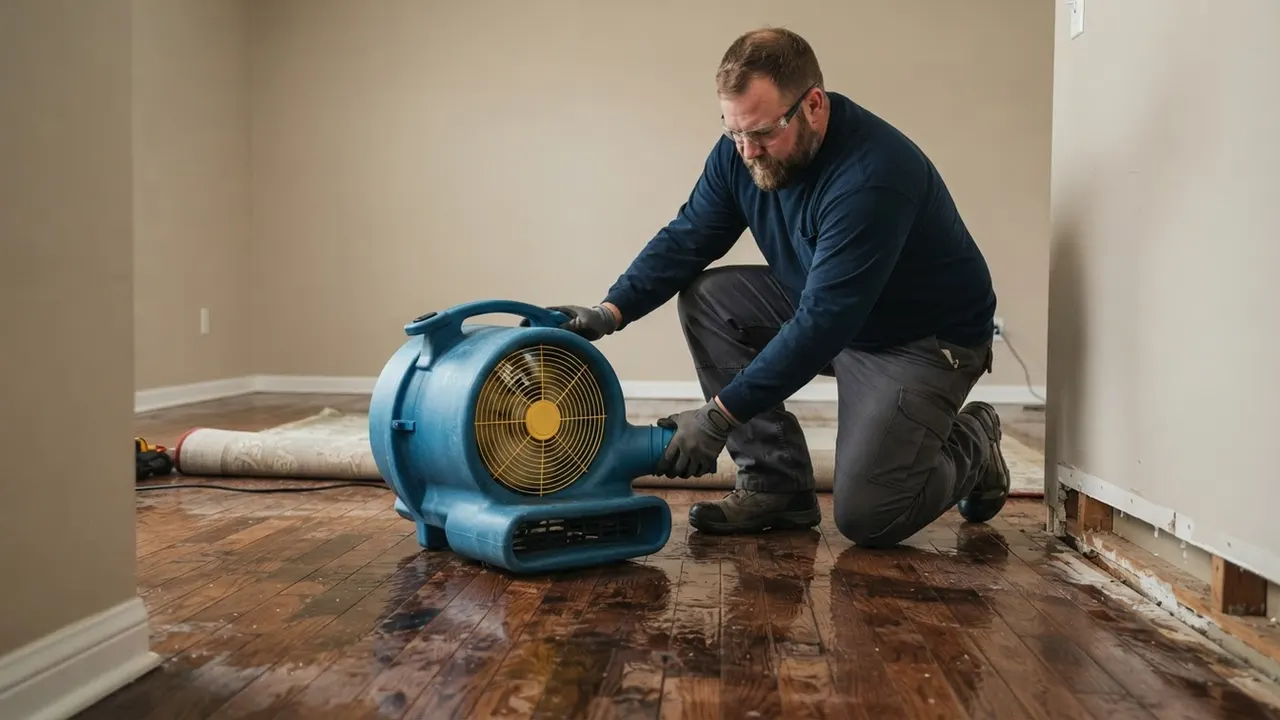
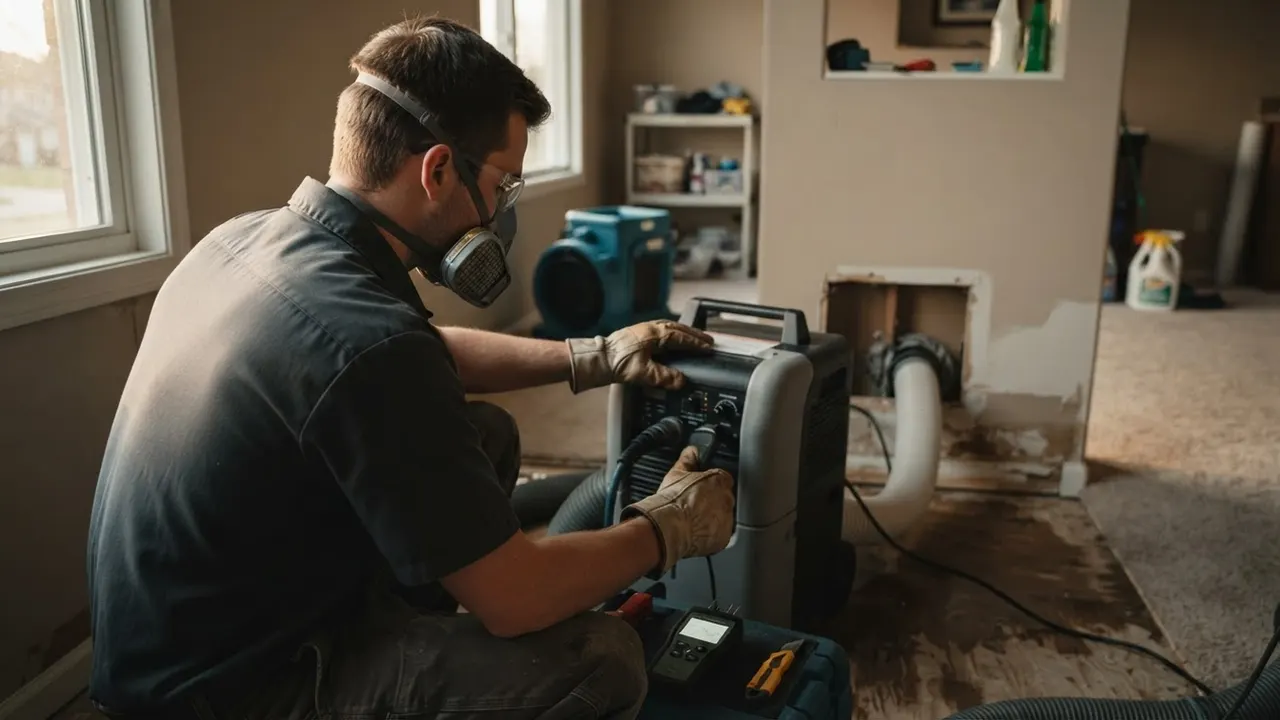
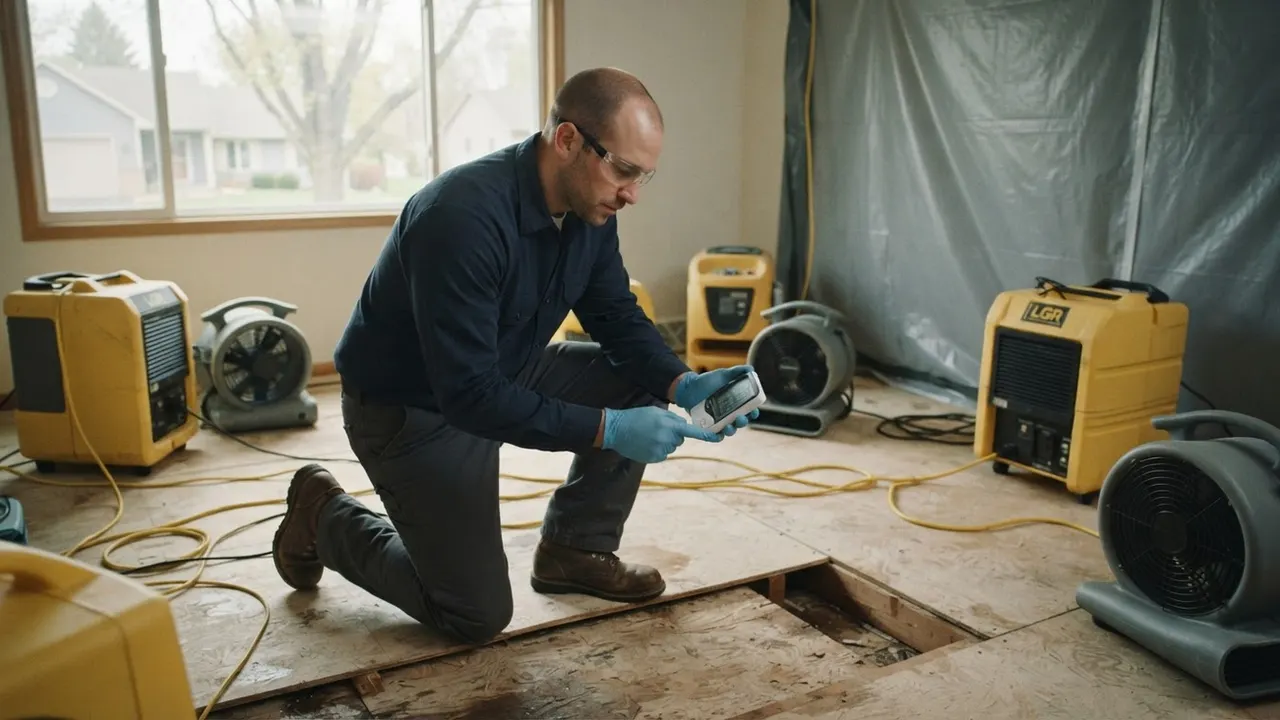
Measured moistureReadings compared with dry areas
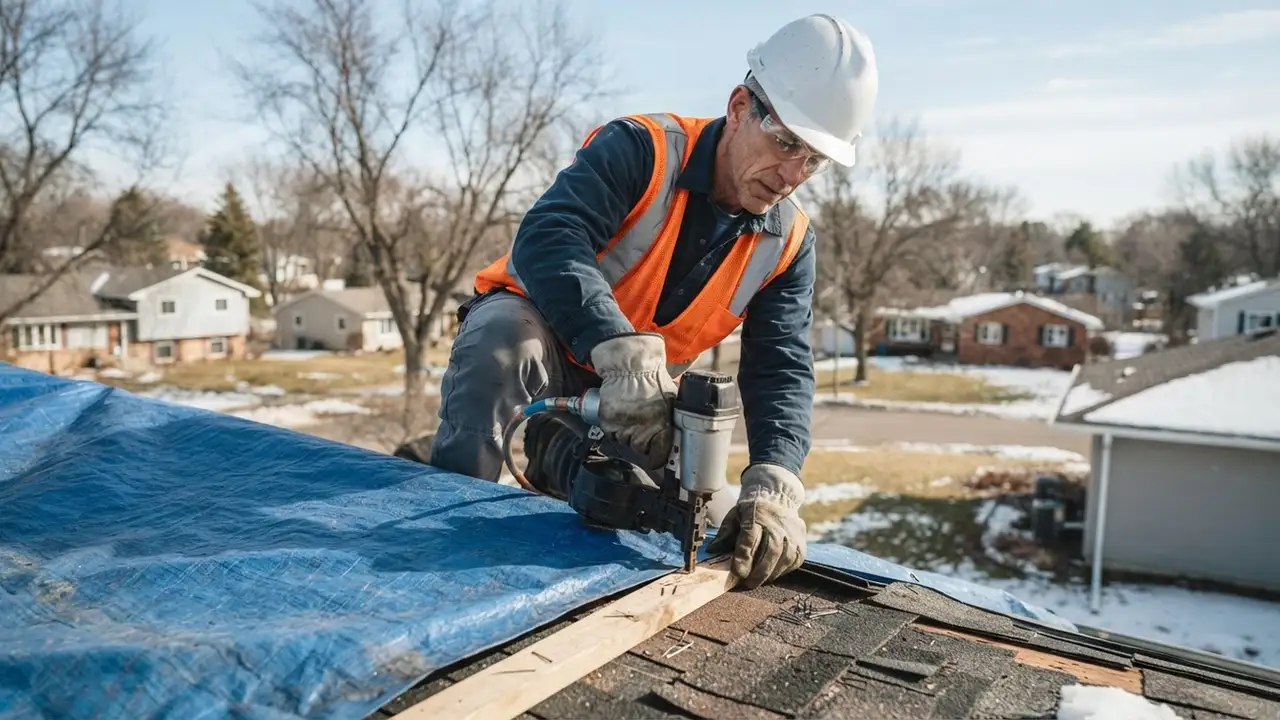
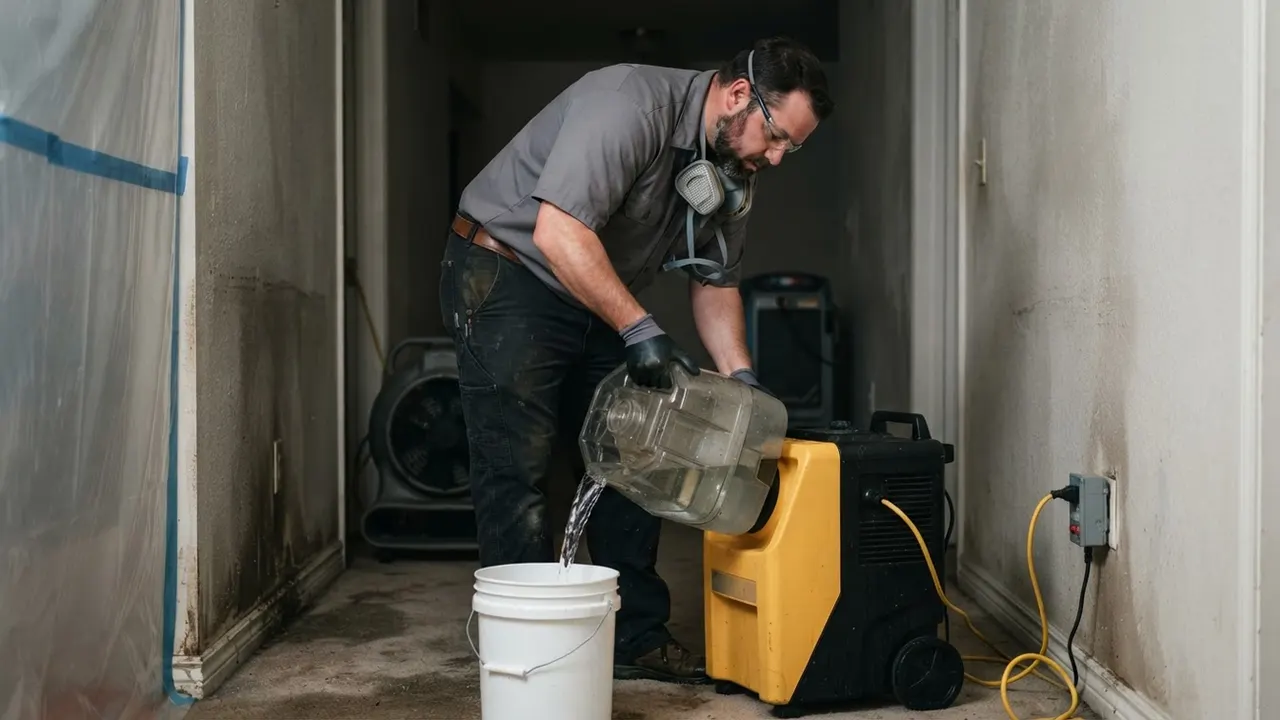
Controlled debrisWork materials kept within containment
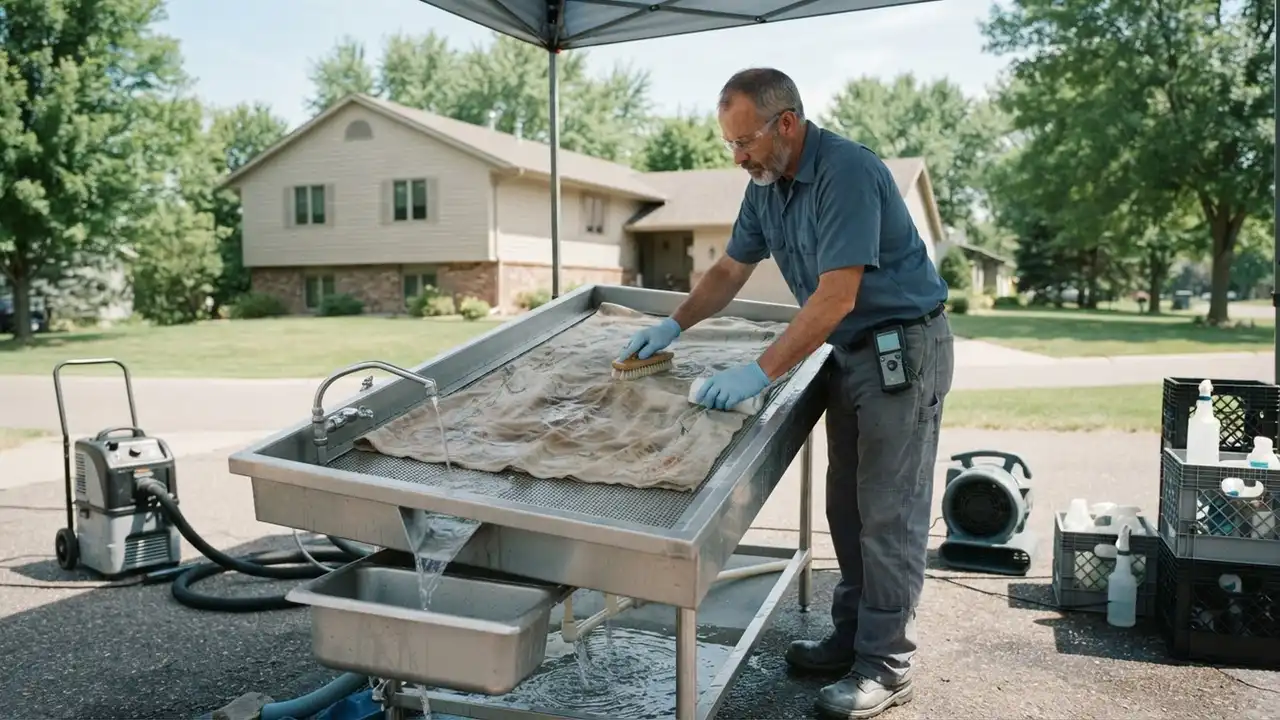
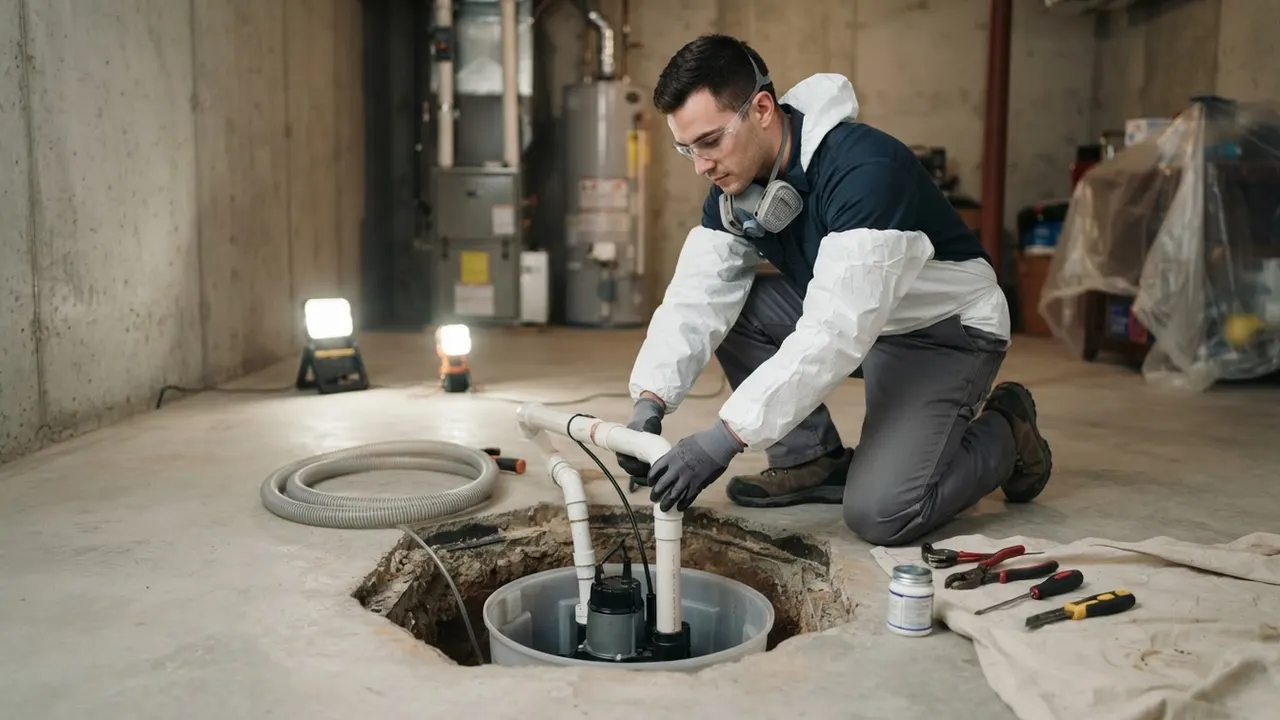
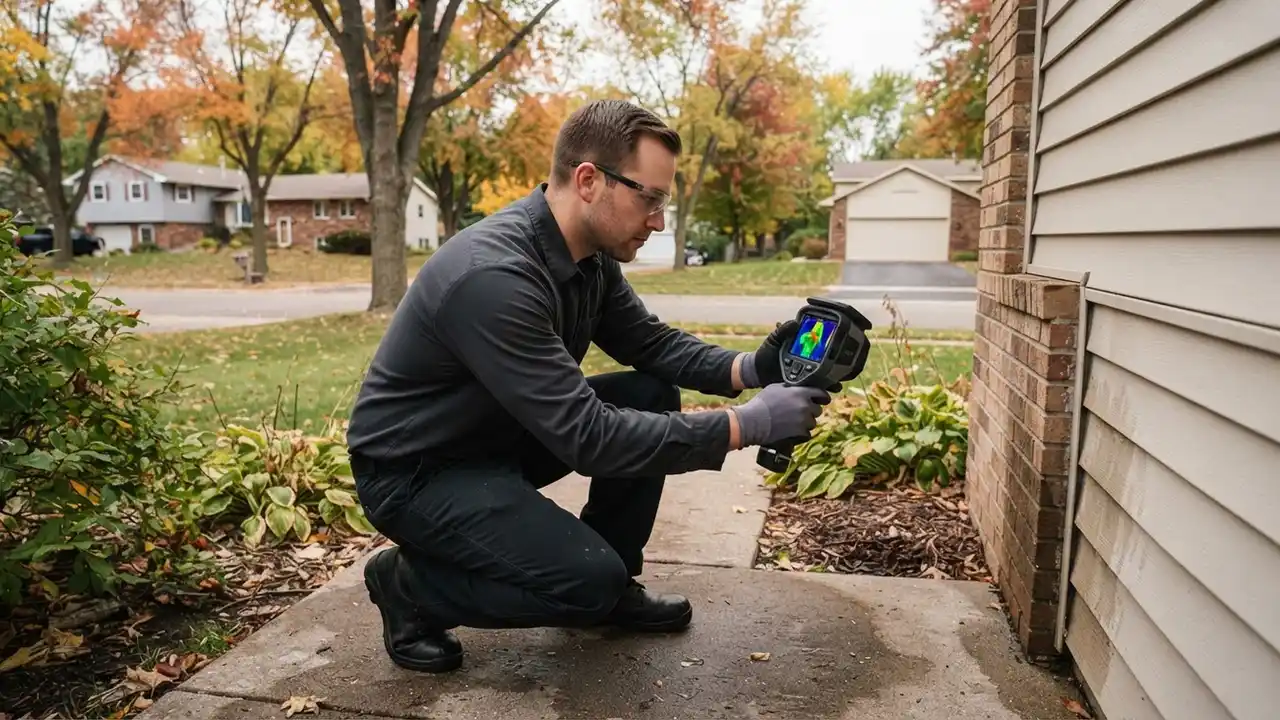
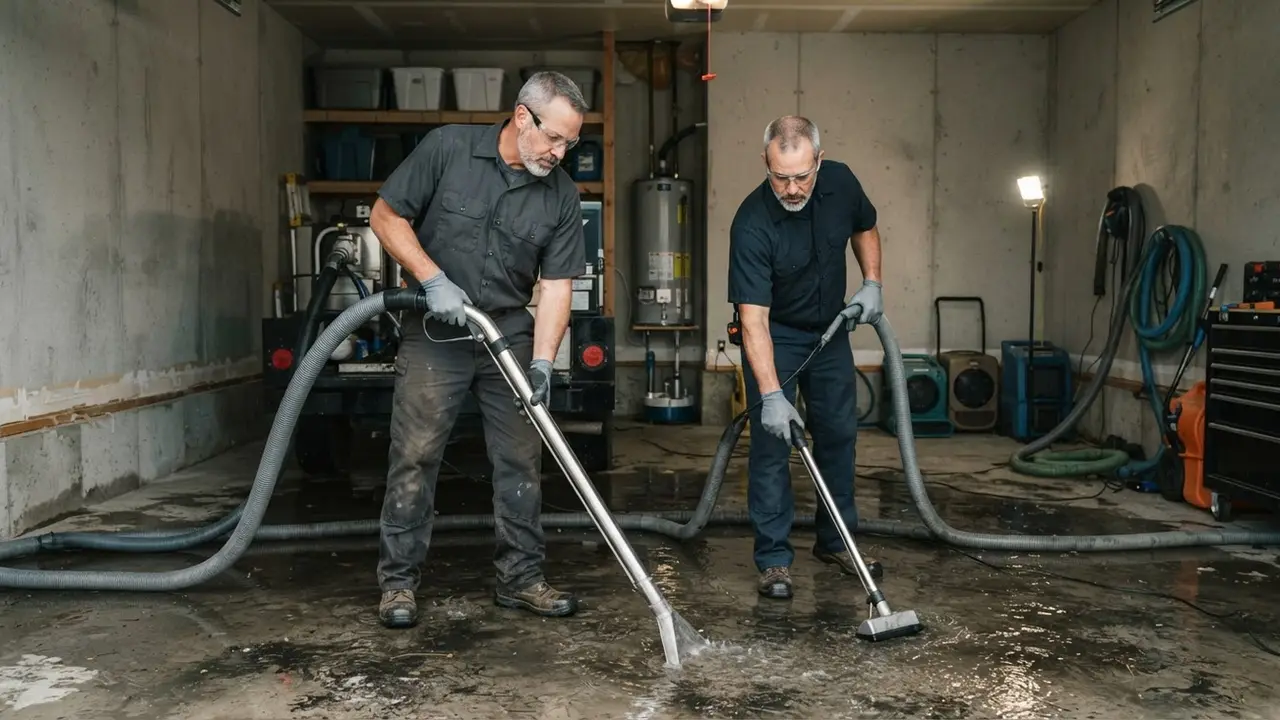
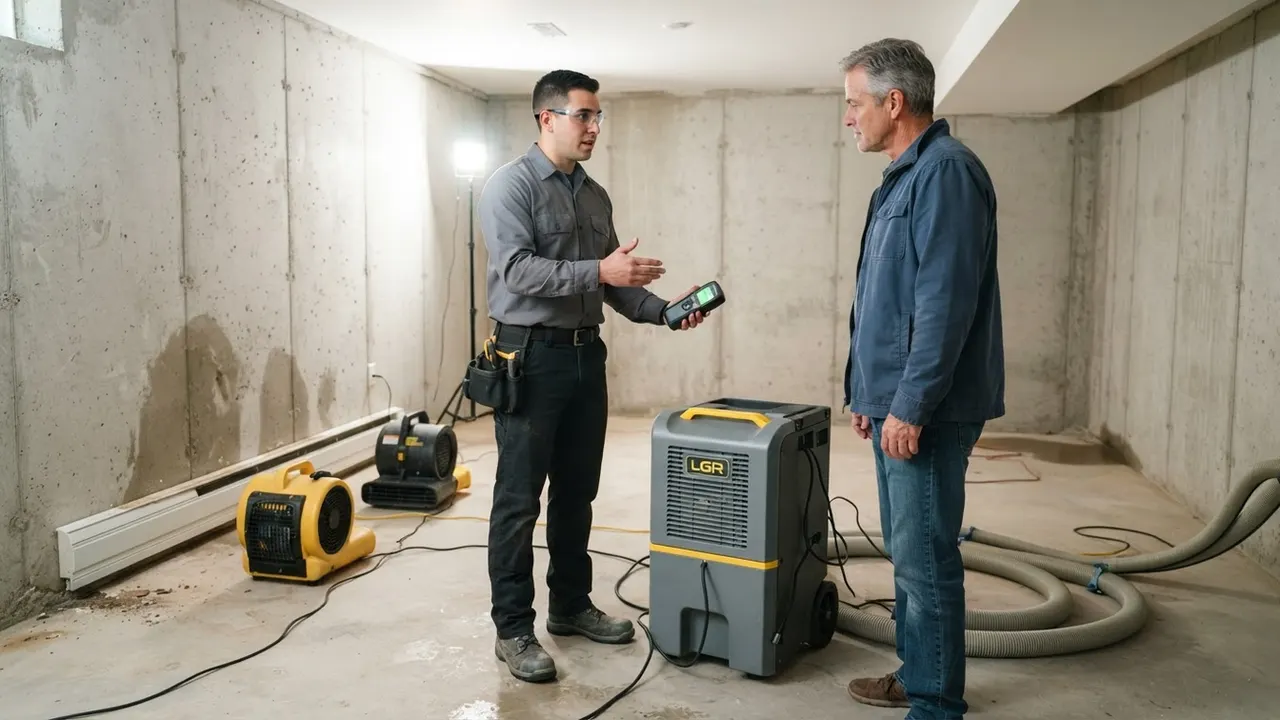
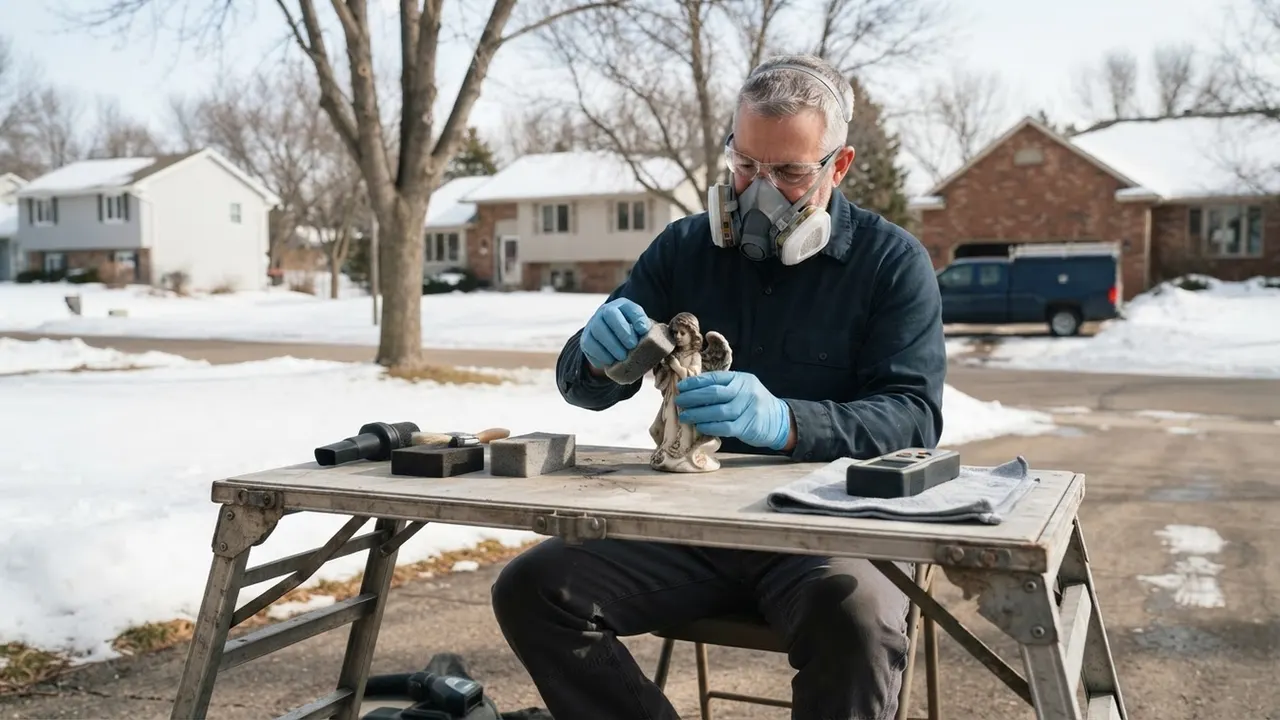
Clear walkthroughFindings reviewed before cleanup
What's Included in Remediation
A mold project covers inspection of visible and moisture-affected areas, work-zone protection, removal or cleaning of affected materials, and drying where needed. We explain the steps that apply to your property and document work as it proceeds. Testing, plumbing or roof repairs, major reconstruction, and specialized contents restoration are separate services when the conditions call for them.
Moisture Assessment
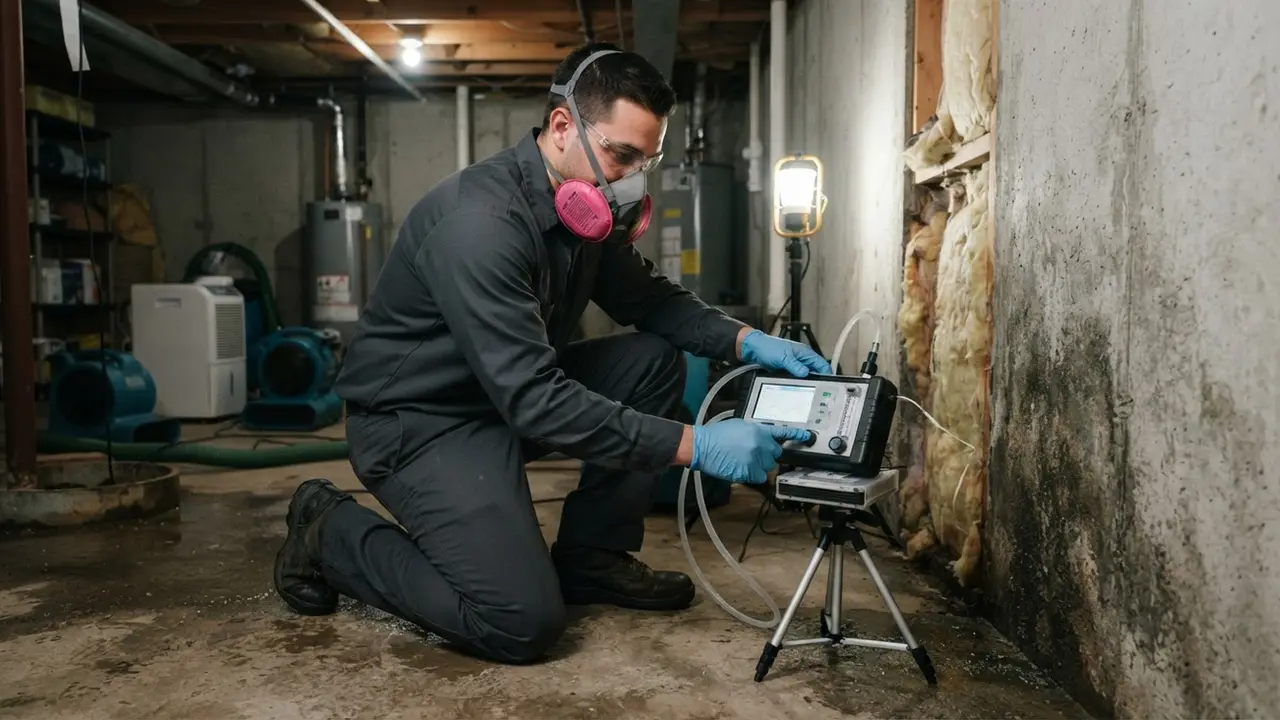
We inspect the reported area and nearby materials, looking for water paths, dampness, and visible growth. A moisture meter helps compare affected surfaces with dry reference areas. The findings guide containment and removal decisions rather than relying on the size of a stain alone.
Work-Area Protection
We protect nearby belongings and establish a contained work zone suited to the affected area. Plastic sheeting and filtered air equipment can help manage dust during removal. You will know which rooms remain accessible and where technicians need a clear path.
Material Removal or Cleaning
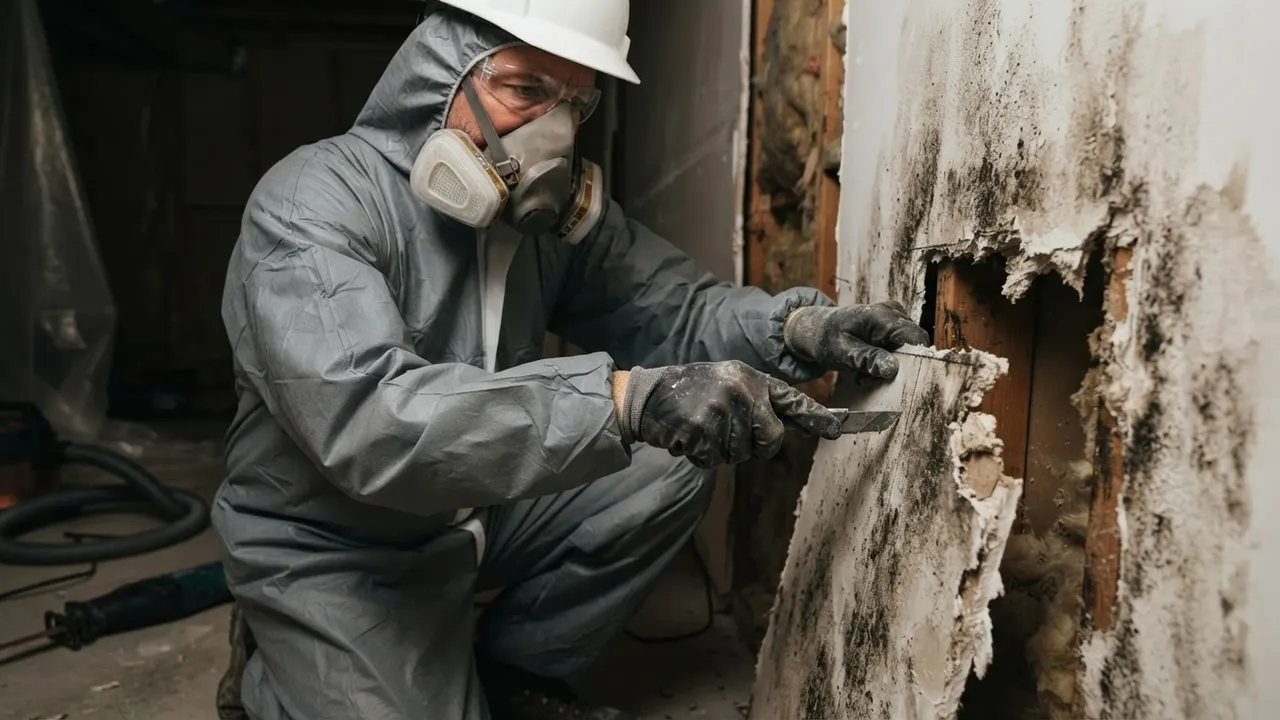
Porous materials that cannot be effectively cleaned may need removal, while sound, cleanable surfaces are treated with material-appropriate methods. We use controlled handling and HEPA vacuuming to collect fine debris. The goal is to remove affected material without unnecessary demolition.
Structural Drying
Air movers and dehumidifiers help dry framing, subfloors, and other affected materials after the moisture source is controlled. We monitor readings during the process and adjust equipment placement. Drying duration depends on material depth, access, and the amount of water involved.
Work Documentation
We record the affected areas, materials removed, cleaning steps, and relevant moisture readings. Photos help show conditions before and after work. These records give you a practical summary for your own files or a discussion with a property manager or insurer.
Homes and Businesses.
The approach is the same for a home and a business. What changes is the access, the schedule and who needs the paperwork.
Homes and Rentals
We help homeowners and tenants address visible growth, musty odors, and damp materials without spreading debris into nearby rooms. You will know what we inspect and how we protect the work area.
Basement wall damp after rain
Laundry leak beneath cabinets
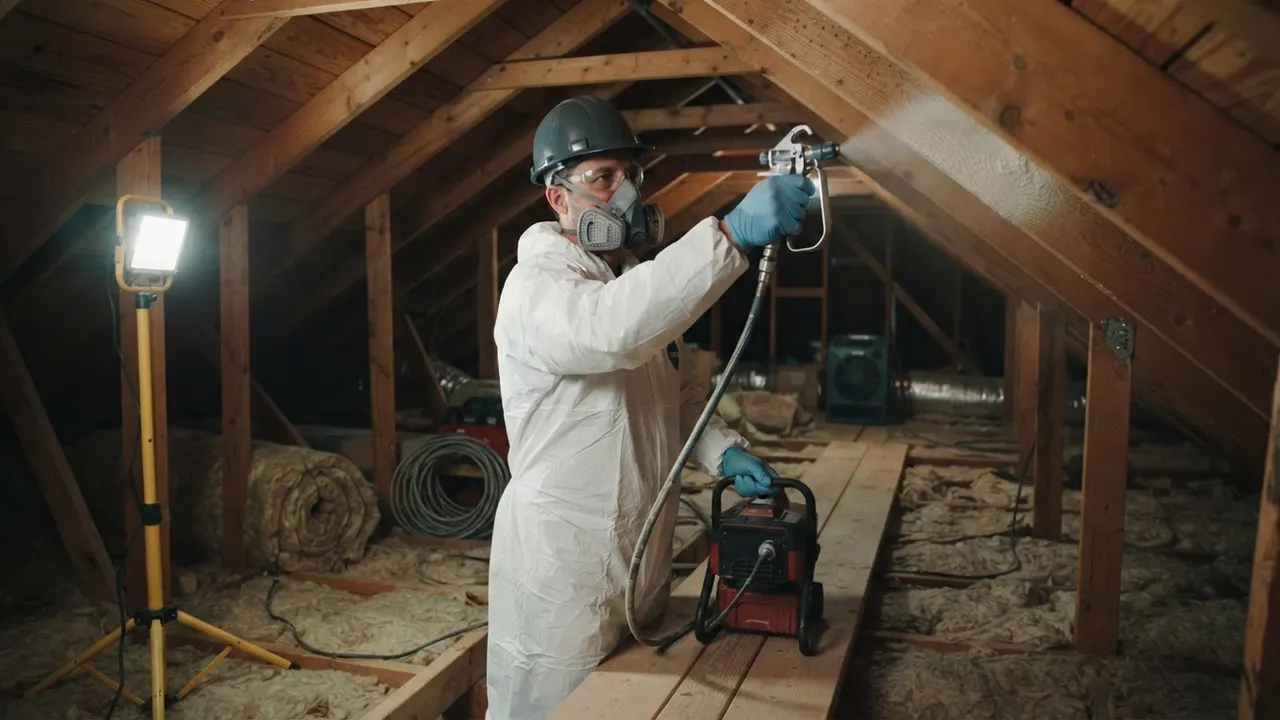
Attic insulation wet from roof leak
Workplaces and Buildings
We coordinate with owners and property managers to isolate affected rooms and keep the cleanup sequence understandable. You can plan access around removal, drying equipment, and follow-up checks.
Office ceiling leak
Rental-unit bathroom growth
Retail storage-room musty odor
Mold Removal and Remediation Hopkins MN
A plain-language look at what Mold Removal and Remediation involves and when it is needed.
Mold removal and remediation Hopkins MN is a property restoration service that identifies moisture, contains affected areas, and removes or treats contaminated materials when growth develops. We inspect surfaces and concealed spaces, then use a moisture meter and thermal imaging camera to map dampness beyond what you can see. The work can include controlled removal of drywall or insulation, HEPA vacuuming, cleaning compatible surfaces, and structural drying. Simply spraying a stain does not solve the problem if a leak or trapped moisture remains.
Hopkins homes and commercial buildings can develop mold after a slab leak, frozen pipe burst, roof leak, appliance leak, or basement flooding. Damp crawl spaces and HVAC condensation also deserve attention, especially when a musty smell returns after cleaning. Our Hopkins Minnesota mold removal services begin by locating the water source and checking how far moisture traveled. If you are searching for mold removal and remediation services in Hopkins MN near me, we can explain the inspection and practical next steps.
Remove affected growth, correct moisture, and dry materials before closing the space.
What It Is
A controlled process to address mold, affected materials, and the moisture conditions supporting growth.
When to Call
Call after visible growth, recurring musty odor, or a leak that left building materials damp.
What to Expect
Inspection, containment, cleaning or removal, measured drying, and a review of findings.
What to Expect During Cleanup
Mold remediation Hopkins MN follows a practical sequence: inspect, contain, remove or clean, dry, and verify. We explain what we find before work moves forward, protect unaffected rooms, and keep you informed about equipment noise and access. A small affected area can take a day or two; larger or concealed moisture problems require more drying and repair time.
Inspect and Trace
Mold removal and remediation Hopkins MN starts with a walk-through and moisture assessment. We ask when the odor or staining began, check likely leak paths, and use a moisture meter to compare affected materials with nearby dry areas. The first visit often takes 30 to 90 minutes, depending on access and the number of rooms.
Walk-through
Moisture check
Source review
Protect and Contain
We move or cover nearby belongings, establish a work boundary, and use plastic sheeting where appropriate. A negative air machine can help control airborne particles during removal, while an air scrubber filters the work zone. Setup commonly takes one to three hours, with room access limited while containment is active.
Protect surfaces
Set boundary
Control airflow
Remove and Clean
Our technicians remove materials that cannot be effectively cleaned, such as badly affected porous insulation or drywall, and bag debris for controlled disposal. Sound surfaces are cleaned with methods suited to the material; HEPA vacuuming captures fine residue. The work may take several hours or longer when growth extends behind cabinets or finishes.
Remove damage
Clean surfaces
Collect debris
Dry the Structure
After cleaning, we place air movers and a dehumidifier to move moisture out of the structure. We check readings at least daily on active drying jobs and adjust equipment placement as materials respond. Drying often takes two to five days, but dense framing, cool rooms, and hidden cavities can extend that period.
Place equipment
Track readings
Adjust airflow
Verify and Review
We take final moisture readings, review the treated area with you, and explain remaining repairs or prevention steps. If testing is part of the project, its purpose and sampling plan are discussed separately from visual cleanup. You receive job documentation showing affected areas, work performed, and drying information.
Final readings
Review photos
Discuss repairs
Tools and Work Methods
Move across a circle, or focus it and press Enter, for an illustrative thermal view of the photograph.
Thermal Imaging Camera
Moisture Meter
Readings help compare damp materials with unaffected reference areas and track drying progress in compatible materials.
HEPA Vacuum
A HEPA vacuum collects fine debris from cleaned surfaces and helps keep settled particles from being redistributed during final cleanup.
Negative Air Machine
When site conditions call for it, this equipment helps maintain controlled airflow within a contained work area during material removal.
Dri-Eaz Dehumidifier
A dehumidifier removes moisture from the air while air movers promote evaporation from damp building materials during structural drying.
Thermal views are illustrative, generated from the photographs.
Methods
Moisture-source tracing
We follow visible water paths, compare moisture readings, and check nearby plumbing, exterior walls, and overhead spaces. A thermal image can guide closer inspection, but direct moisture measurements and physical assessment inform decisions. The source must be controlled before drying and cleanup can produce a lasting result.
Contained material removal
We isolate the work area based on its size and location, protect adjacent surfaces, and remove materials that cannot be effectively cleaned. Debris is handled to limit dust movement, then the exposed area is HEPA vacuumed and inspected. The aim is controlled removal, not broad demolition.
Measured structural drying
After water entry is stopped and surfaces are cleaned, we position air movers and dehumidification to address damp framing and other materials. Readings are tracked over time and compared with unaffected areas. Equipment is adjusted as drying progresses, and the findings guide when the space is ready for repair.
When to Call for Remediation
Frozen Pipe
A frozen pipe bursts overnight in a Hopkins home and wets a bedroom wall.
We start by locating the wet area and confirming the plumbing leak is controlled. Water is extracted, affected drywall is assessed, and containment is set before any mold cleanup. If materials stayed damp and growth is present, we remove or clean the affected area and dry the framing.
Outcome: You get a documented path from leak response to cleanup, with the wall opened only as needed and drying readings reviewed before repairs.
Basement Seepage
A basement corner near Mainstreet smells musty after repeated rain and sump pump activity.
We inspect the floor-wall joint, stored items, and accessible wall materials, then check moisture levels. If growth is present, we protect belongings, contain the work area, and clean or remove affected materials. We also identify whether the moisture points to seepage or another source.
Outcome: The affected corner is cleaned and dried, and you understand which water-entry issue needs attention to help prevent recurrence.
Roof Leak
A Blake Road rental unit has a ceiling stain beneath a roof leak.
We assess the ceiling and attic side to determine whether insulation or framing remains wet. After the roof opening is addressed, we remove unsalvageable material, contain cleanup, and dry the cavity. Photos and readings help the property manager coordinate the ceiling repair.
Outcome: The repair team receives a clear handoff, and damp materials are not concealed behind a new ceiling before drying is checked.
Appliance Leak
A dishwasher leak leaves swelling cabinets and a musty odor in a Hopkins kitchen.
We check beneath the cabinet and flooring, identify the extent of wet material, and stop active water entry. We remove damaged porous materials as needed and dry the subfloor. If mold is visible, we contain and clean the affected area before repair work.
Outcome: You know which cabinets or flooring can remain, which materials need removal, and whether the subfloor has reached dry readings.
Downtown HopkinsMeadowbrookBlake Road Corridor
Mold Work Across Hopkins, Minnesota
Hopkins properties face freeze-thaw cycles, winter pipe failures, spring rain, and humid summer conditions that can expose weak points in basements, roofs, and crawl spaces. Older finishes can hide a slow leak behind a wall; newer homes can still develop condensation around cold surfaces or HVAC components.
Our mold remediation Hopkins MN work starts with the actual moisture path, not assumptions based on the neighborhood or building age. In Hennepin County, we see basement dampness, appliance leaks, roof leaks, and frozen pipe bursts that leave insulation or drywall wet. We use moisture readings to map the affected area, protect nearby rooms, and select removal or drying methods based on material condition.
For professional mold remediation in Hopkins Minnesota, share whether the issue followed a storm, plumbing failure, or ongoing odor. We serve ZIP codes 55343 and 55305, and coordinate the cleanup sequence with the needs of your home, rental, or commercial space.
Downtown Hopkins: Older mixed-use buildings can have concealed plumbing paths and layered finishes; we inspect adjoining rooms when a stain or musty odor appears.
Meadowbrook: Basement corners and lower-level storage areas deserve moisture checks after heavy rain, especially when dampness returns near the same wall.
Blake Road Corridor: For rentals and commercial spaces, we coordinate containment and access so occupants can avoid the active work zone during removal and drying.
Shady Oak: A roof leak or pipe failure can affect insulation and wall cavities; we check beyond the first visible stain before planning cleanup.
Subfreezing winter temperatures increase the risk of burst plumbing lines: Water can travel inside walls before a ceiling or baseboard shows damage. We trace the wet path, inspect nearby cavities, and dry materials after the broken line is controlled.
Spring rain can expose basement seepage and foundation entry points: Repeated dampness at a floor-wall joint can affect stored belongings and porous finishes. We assess the materials and distinguish a cleanup need from a recurring water-entry problem.
We walk through the affected rooms and explain what the inspection can show.
We protect nearby surfaces and set up the work area for controlled removal.
We review readings, photos, and practical next steps with you.
From Problem to Finished Result.
IllustrativeThe thermal view is generated from the photograph. It is not a measurement. Drag the handle, or use the arrow keys once it is focused.
Basement Wall After Seepage
Before: A Hopkins homeowner noticed a musty smell after rain and found dark spotting along a basement wall. The lower drywall felt soft, and stored boxes sat against the affected area. A quick surface cleaning had not stopped the odor because the wall cavity remained damp.
After: We isolated the work area, removed the affected drywall and insulation, and dried the exposed framing. Moisture readings fell from 22 percent in the wet framing to 12 percent at the final check, compared with nearby dry material. The homeowner received photos and a clear repair handoff.
Keep boxes several inches off basement walls and check the same corner after heavy rain. Address recurring seepage promptly, and avoid closing the wall until repairs are complete and framing readings remain comparable to dry reference areas.
Laundry Leak Under Cabinets
Before: A slow appliance leak in a Meadowbrook home went unnoticed for several days. The cabinet toe-kick had swollen, flooring edges were damp, and a musty smell lingered in the laundry area. The visible damage covered less space than the moisture readings suggested.
After: We mapped the wet area, removed unsalvageable toe-kick material, and set drying equipment at the subfloor. The affected area measured about 28 square feet; after three days, readings were within 2 percentage points of nearby dry flooring. The homeowner could plan cabinet repairs with the source corrected.
Check appliance connections and the cabinet base for fresh swelling or discoloration. After a leak, move stored items, stop the water source, and arrange drying before odor or visible growth develops.
Attic Roof Leak Cleanup
Before: A roof leak near Shady Oak left a ceiling stain and damp attic insulation after a storm. The occupants could smell a musty odor but could not see the affected roof-deck area from the living space. Wet insulation concealed the extent of the problem.
After: After the roof opening was protected, we removed affected insulation, cleaned compatible framing, and dried the attic area. The work zone covered approximately 45 square feet, with moisture readings checked daily over four days. Photos documented the exposed deck and the condition before repair.
After storms, look for new ceiling marks and check accessible attic areas for damp insulation. Keep roof repairs current and investigate odors early, before a small leak wets a wider section of the roof deck.
Resolve the Moisture Behind Growth
Mold is often a visible symptom of a leak, condensation, or slow drying. We look for the source and the affected materials, then match containment and cleanup to the conditions. If you need same day mold removal Hopkins MN after a fresh leak, call to discuss what is wet and whether water is still entering.
Returning odorMusty odor keeps returning after surface cleaningA recurring smell can indicate damp material behind a finish or beneath flooring. Covering the odor leaves the moisture source and possible growth unaddressed. We inspect likely concealed areas, check moisture levels, and trace the path from the odor to a possible leak or condensation point. If removal is necessary, we isolate the area, remove affected porous materials, and clean compatible surfaces. Then we dry the structure and review readings with you.
Damp basementBasement wall stays damp after heavy rainRepeated dampness can affect stored belongings, baseboards, drywall, and framing. Each wetting cycle increases the chance that mold will establish in porous materials. We assess the wall and floor junction, nearby plumbing, and any visible water entry. Our crew removes standing water when present, measures affected materials, and dries the area. We explain whether mold cleanup or a separate waterproofing repair is needed to address the recurring condition.
Visible growthDark growth appears after a pipe or roof leakColor cannot identify a mold species, and visible growth may not show the full extent of dampness. Delayed cleanup can allow affected material to spread beyond the original stain. We control the leak or coordinate the needed repair, then map moisture around the visible area. Containment, careful removal, and HEPA vacuuming limit debris during cleanup. We check adjacent materials before closing the space, so you know whether drying or additional repair remains.
Wet insulationCrawl space insulation is wet and mustyWet insulation can hold moisture against framing and contribute to persistent odors above the crawl space. Ignoring it can leave structural materials damp. We inspect accessible framing and insulation, identify water or condensation sources, and remove materials that cannot be cleaned. Drying equipment is positioned for the space, with readings used to track progress. We then explain moisture-control steps that fit the crawl space conditions.
A Dry, Cleaner Building
A controlled cleanup addresses growth, moisture, and the materials affected.
Stop the Moisture Cycle
Mold returns when wet materials stay wet. We trace the source, whether it is a plumbing leak, roof entry, or damp foundation, then coordinate drying after the water issue is controlled. A dehumidifier and air mover help reduce moisture in affected framing and surfaces; readings guide when drying equipment can be removed.
Contain the Work Area
Plastic sheeting and controlled access help limit the movement of dust during removal. We protect adjacent rooms and use a HEPA vacuum for fine debris rather than sweeping it into the air. For a contained residential mold removal and remediation Hopkins MN project, this separation keeps the cleanup focused on the affected zone.
Keep Salvageable Materials
Not every stained surface needs demolition. We assess drywall, framing, and belongings individually, then clean and dry materials that remain sound. When removal is necessary, we keep the opening as limited as practical and document what was taken out so you can understand the repair boundary.
Plan the Rebuild Clearly
Once the area is dry and cleaned, you know what repair work remains. We record moisture readings and affected materials, and identify whether mold-resistant drywall or other finish materials are appropriate. That handoff helps you plan restoration without confusing cleanup work with reconstruction.
What You Receive
Clear records you can keep and share.
Photo Log
Images of affected areas and completed cleanup
Moisture Log
Recorded readings from drying checks
Work Summary
Areas addressed and tasks completed
Material Record
Removed materials and observed conditions
Removal Versus Remediation
Removal addresses affected growth or materials; remediation also considers moisture, containment, cleaning, and drying.
Visible Growth
Growth that can be seen on accessible surfaces.
Check the surface
Look for nearby dampness
Assess material condition
Hidden Moisture
Water held in cavities, framing, or insulation.
Trace likely source
Compare moisture readings
Inspect adjacent areas
Remediation Work
A planned cleanup followed by drying and review.
Contain affected zone
Clean or remove materials
Check drying progress
Materials and Surfaces
Drywall
Insulation
Framing
Subfloor
Cabinet base
Ceiling finish
Attic sheathing
Crawl space
Service ZIP Codes.
A list like this tells people straight away whether you cover their street. Not listed? Call and ask: it only takes a minute.
A musty smell kept coming back in our basement after we cleaned the wall ourselves. The crew checked behind the baseboard, found damp drywall, and explained why it needed to come out. They contained the work area and left us with moisture readings and photos. We appreciated knowing what was being removed and what could stay.
A small washing-machine leak had spread under the laundry-room flooring before we noticed it. Hopkins Water Damage Company measured the wet area, set up drying equipment, and found mold along the cabinet edge. The team kept the doorway protected and showed us the readings at follow-up. The room no longer has the persistent damp odor.
We called after a roof leak left a ceiling stain and a musty smell in a rental unit. The technicians checked the attic side, removed affected insulation, and documented the drying. Their explanation made it easier to schedule the ceiling repair without closing the cavity too soon. The work area was kept separate from the tenant's belongings.
Mold Remediation Questions
Price depends on affected area, access, material removal, containment, and drying duration. A hidden leak or contaminated insulation can increase labor and disposal. We inspect the conditions and explain upfront pricing before work begins; testing and reconstruction can be separate costs.
Mold removal describes taking contaminated growth or material away; remediation also addresses moisture, containment, cleaning, and drying. Removing a stained section without fixing a leak leaves the cause in place. Our process considers the water source, affected materials, and room conditions, then uses appropriate controls to clean and dry the area. Mold remediation Hopkins MN is the broader service because it targets both the growth and the conditions that support it.
Coverage depends on your policy and what caused the moisture; sudden, accidental water damage is treated differently from long-term seepage or maintenance issues. Contact your insurer promptly and keep photos, invoices, and water-loss records. We can document affected materials and work completed, but your carrier determines coverage. If mold followed a frozen pipe burst or appliance leak, preserve the source details and report the loss.
Choose a Hopkins contractor who investigates the moisture source, explains containment, tracks drying, and documents work rather than only painting over stains. Ask how they protect unaffected areas and what readings confirm drying. Our team handles residential and commercial cleanup, including black mold removal company Hopkins MN searches when visible dark growth needs assessment. Call (833) 546-4116 to describe the affected space and arrange a discussion.
Tell us where you see growth, when the area became damp, and whether a leak is active. We will discuss the affected space and the next step for mold removal and remediation Hopkins MN. Call Hopkins Water Damage Company at (833) 546-4116.
Call Hopkins Water Damage Company at (833) 546-4116 to describe a leak, fire, mold concern, or basement water problem. We connect you with independent companies serving Hopkins, Minnesota, including ZIP codes 55343 and 55305. Tell us the property type, affected area, and whether the source is still active so the provider can understand what help you need.