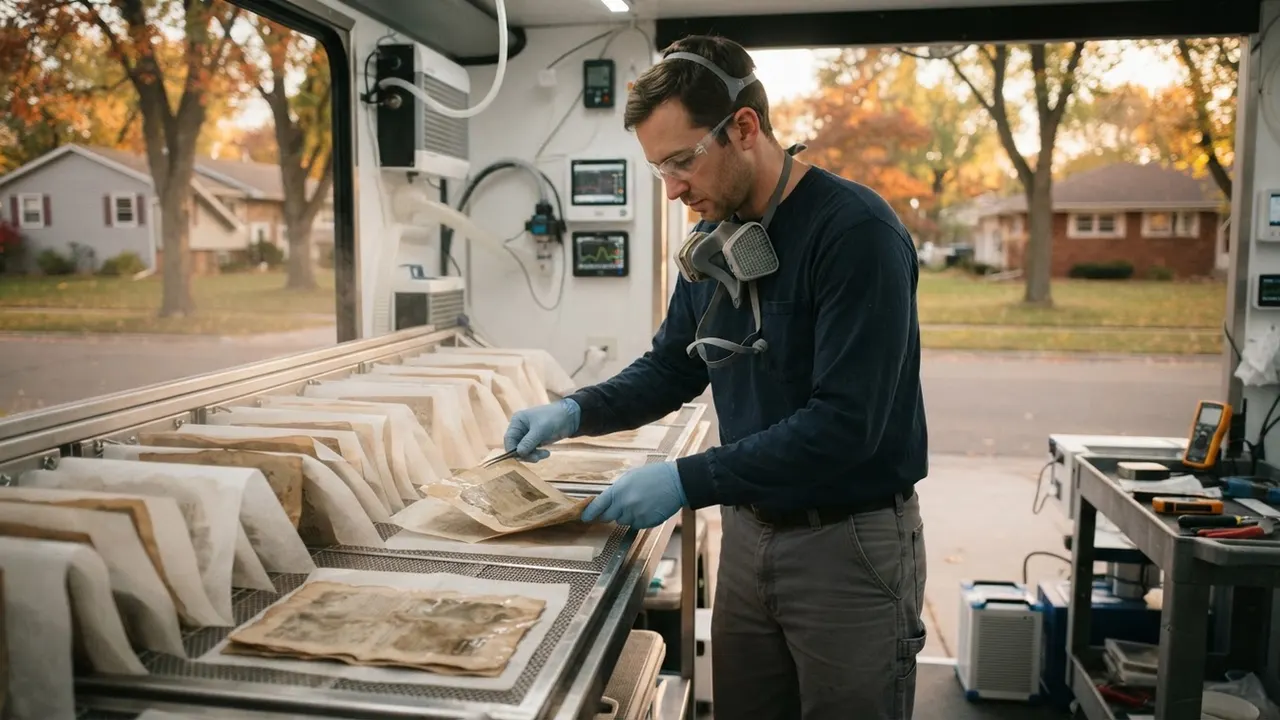
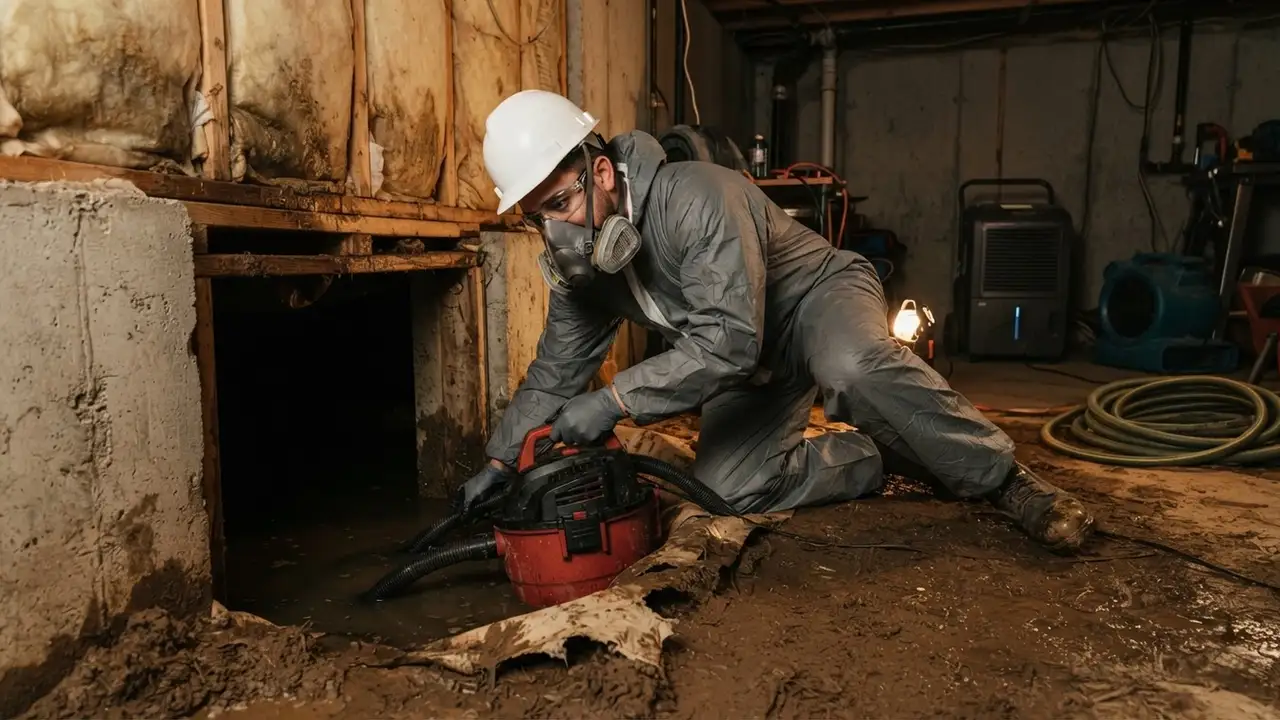
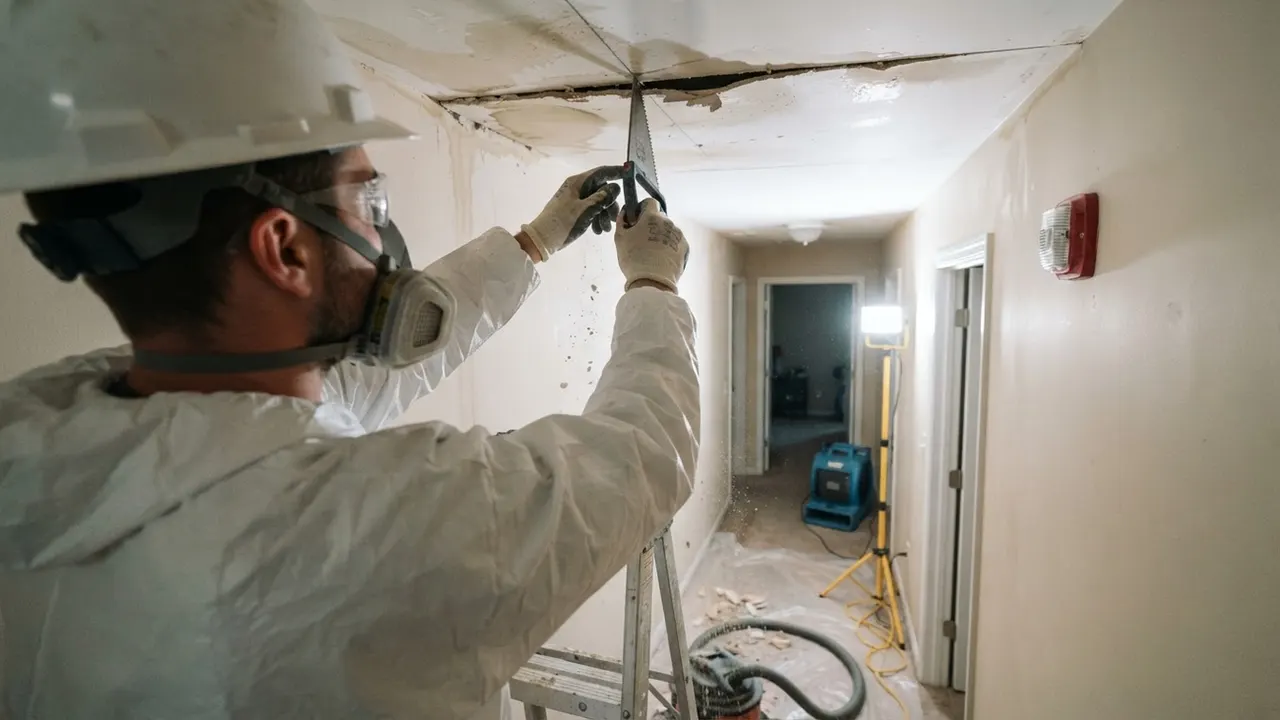
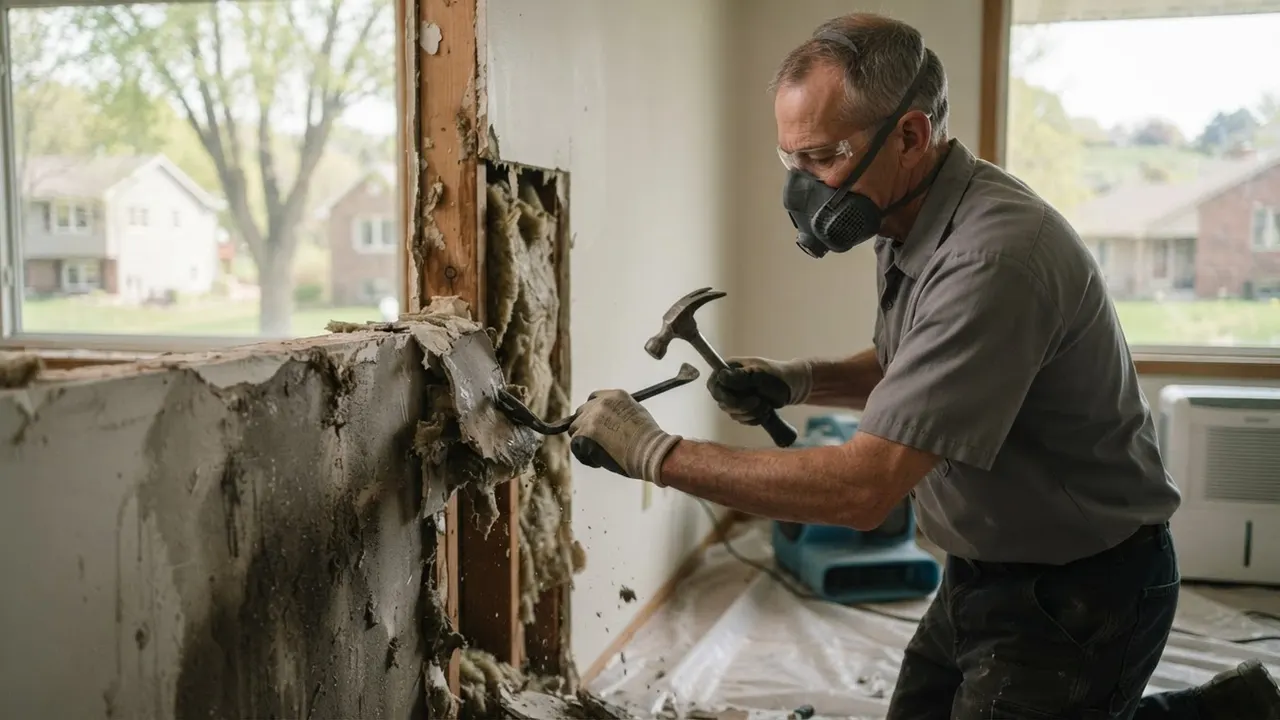
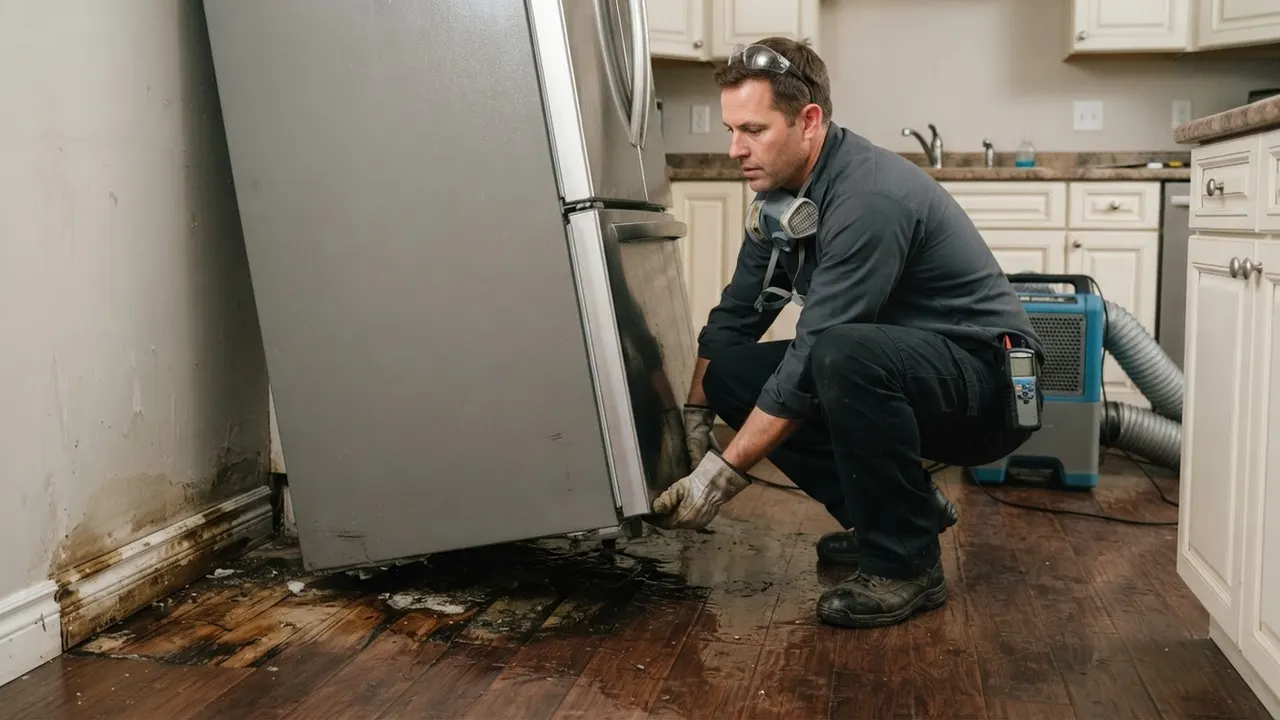
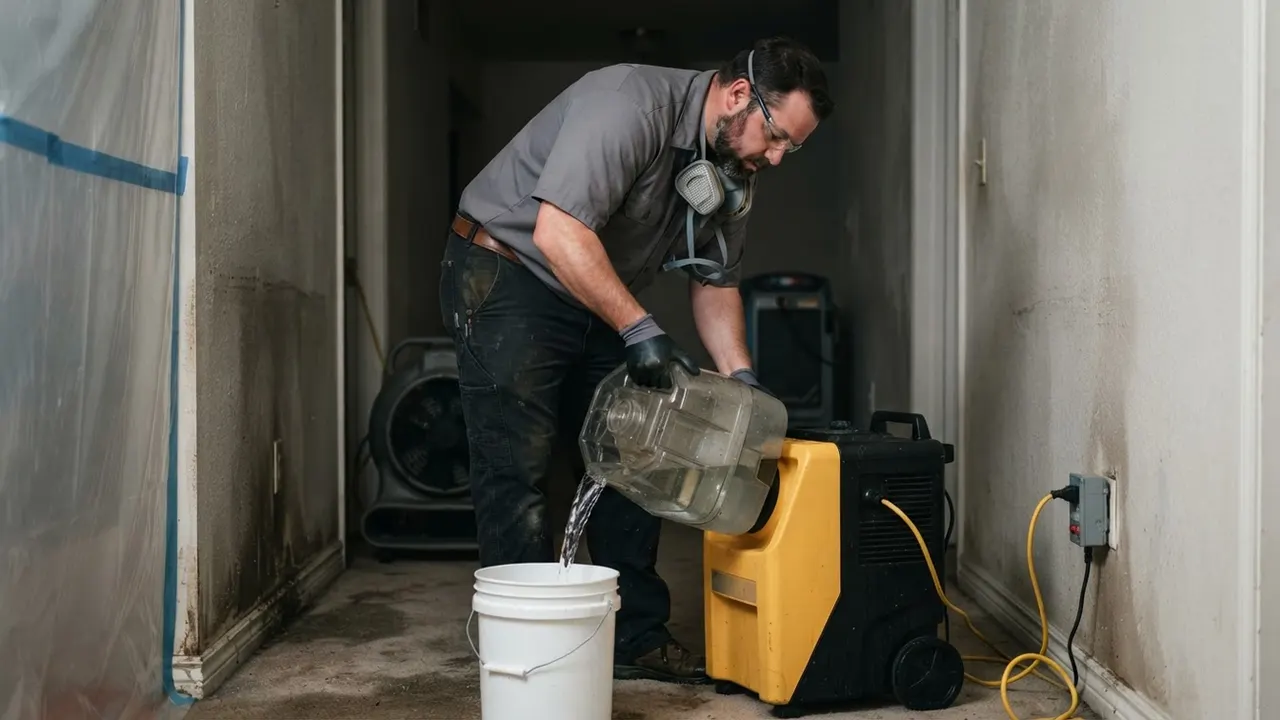
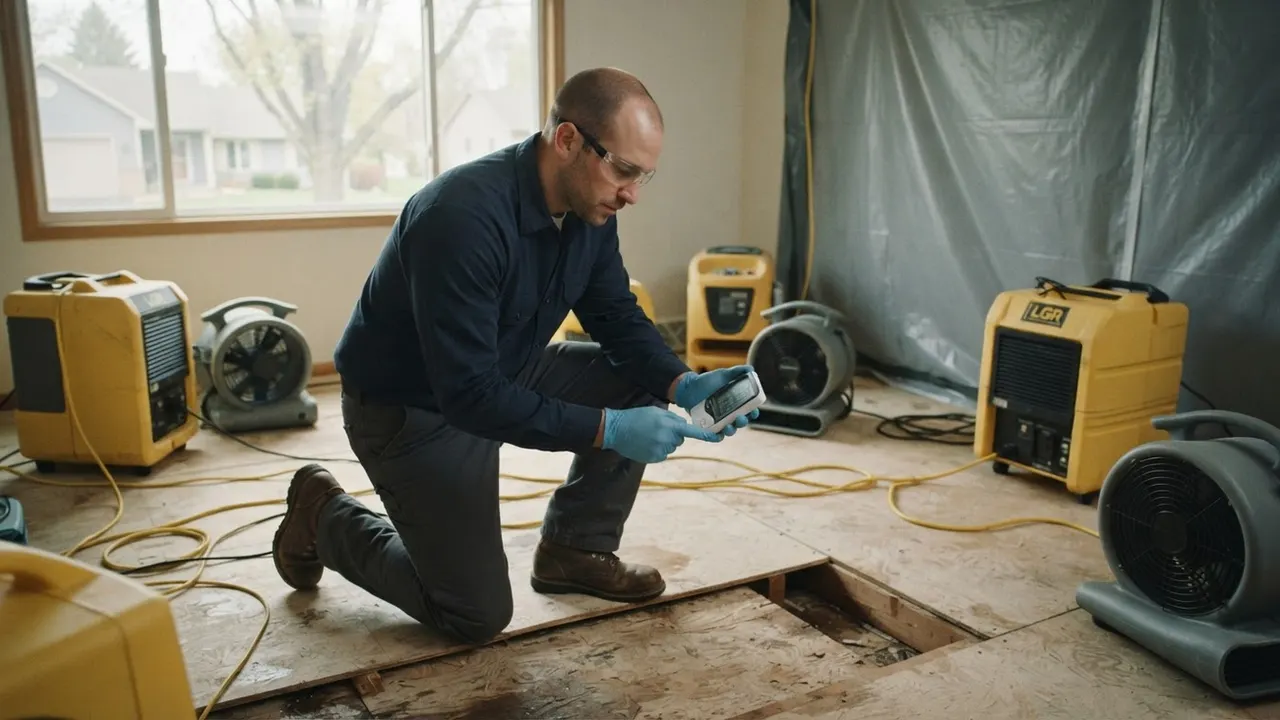
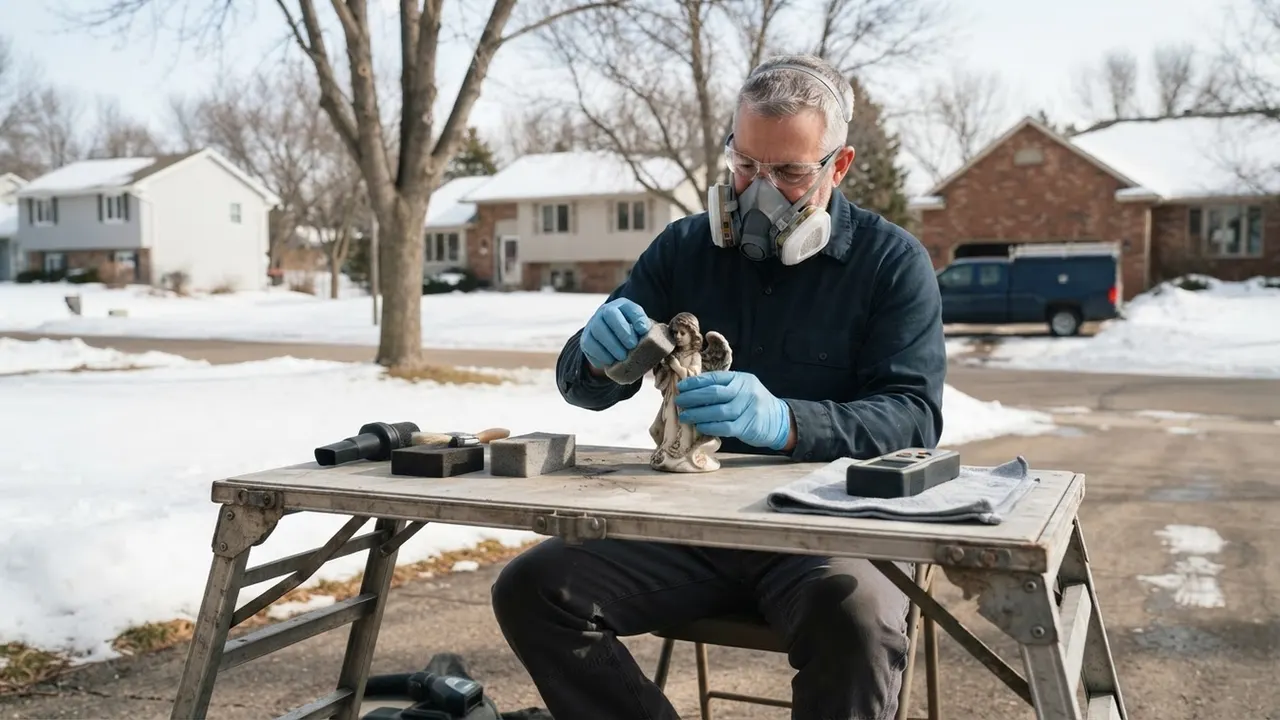
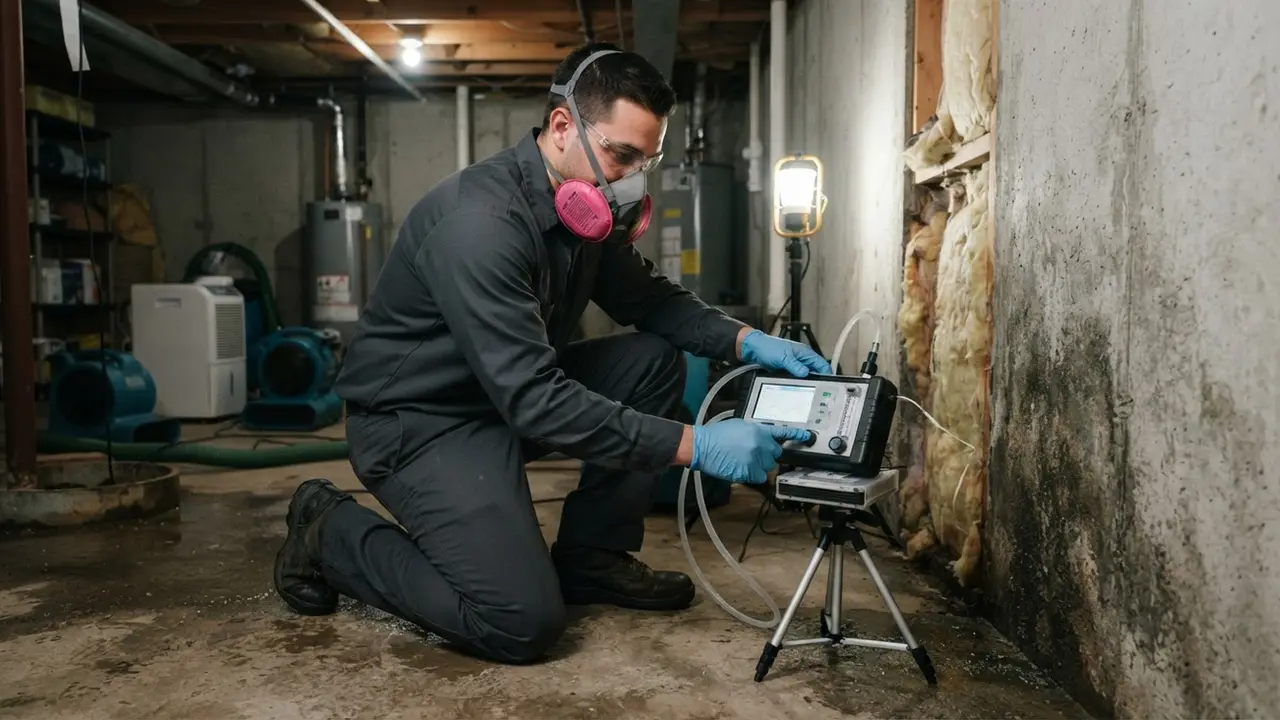
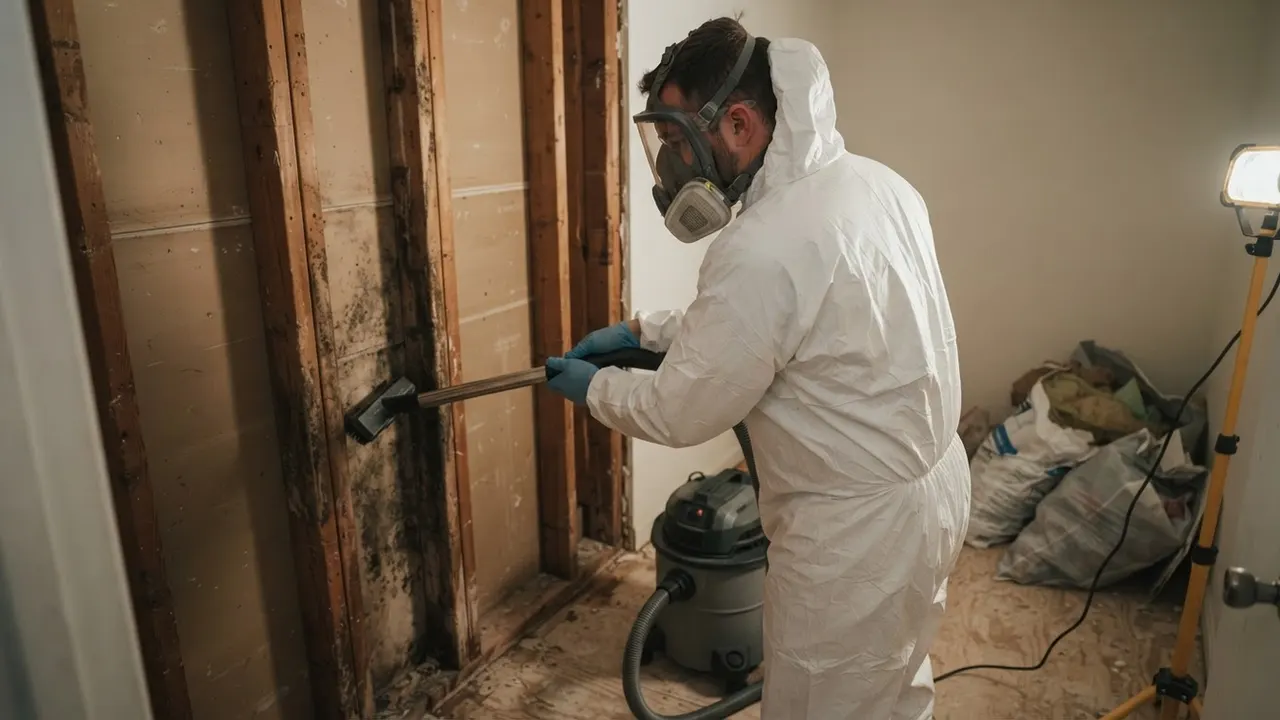
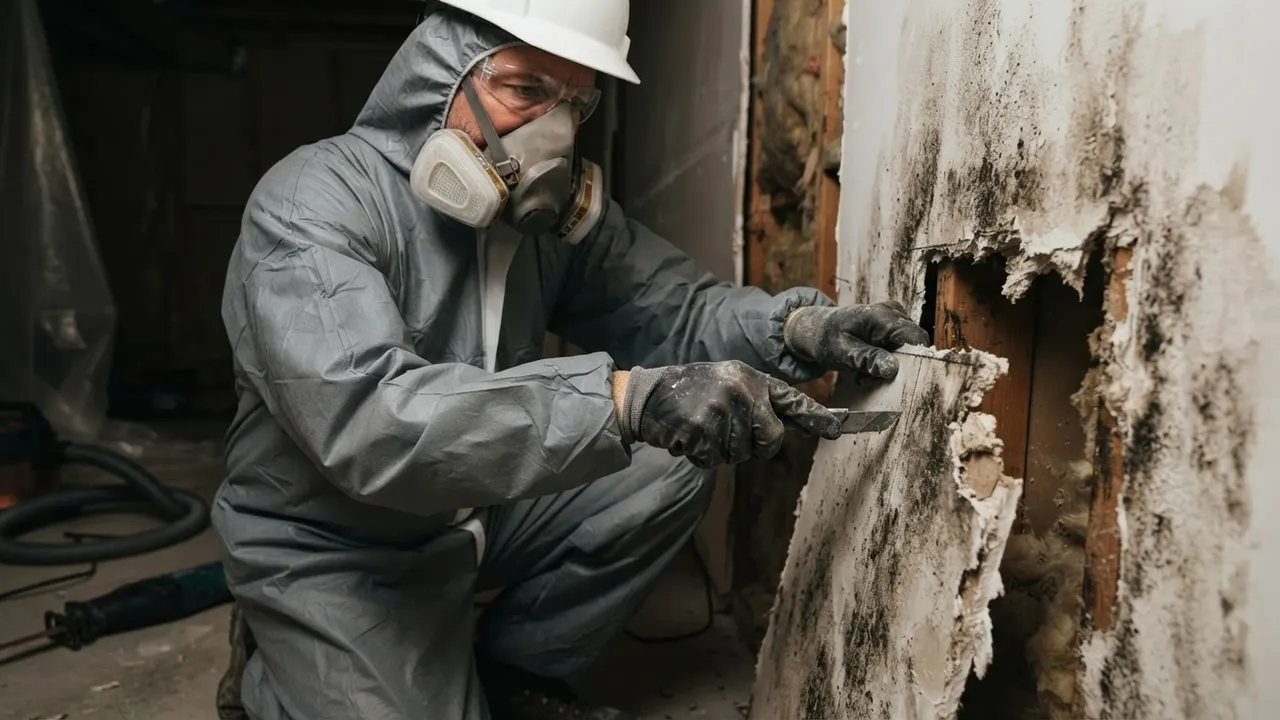
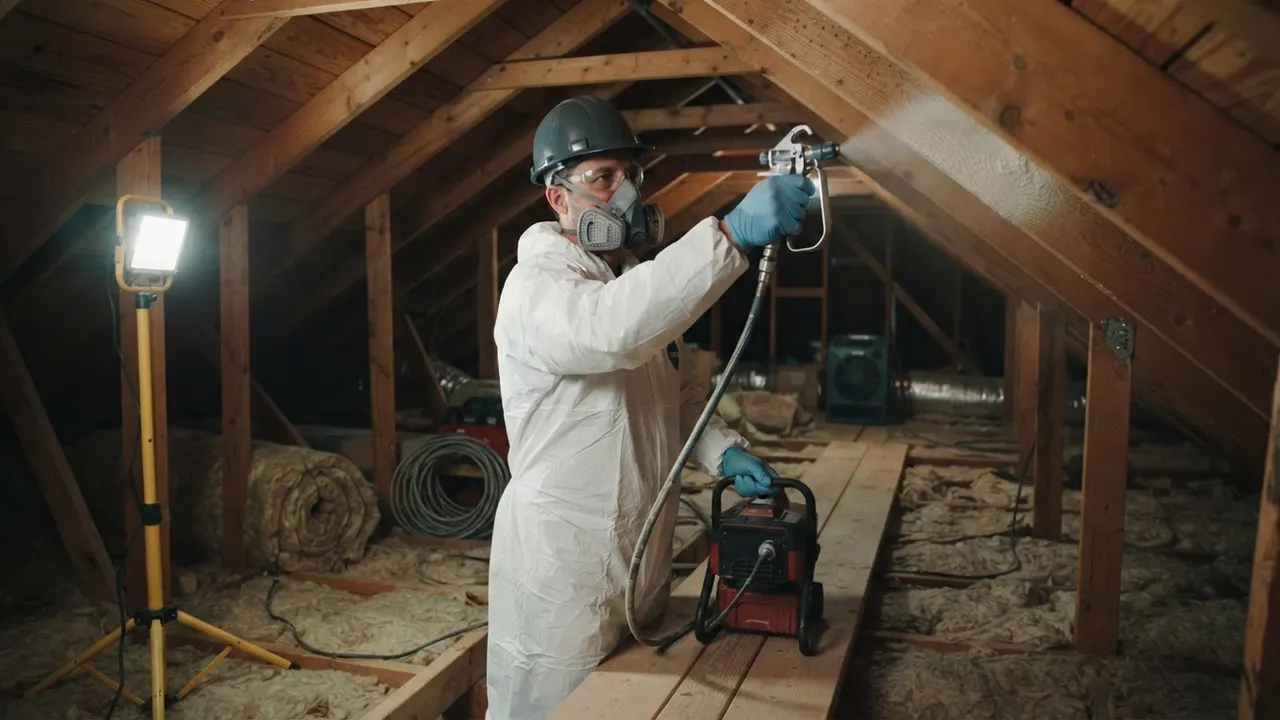
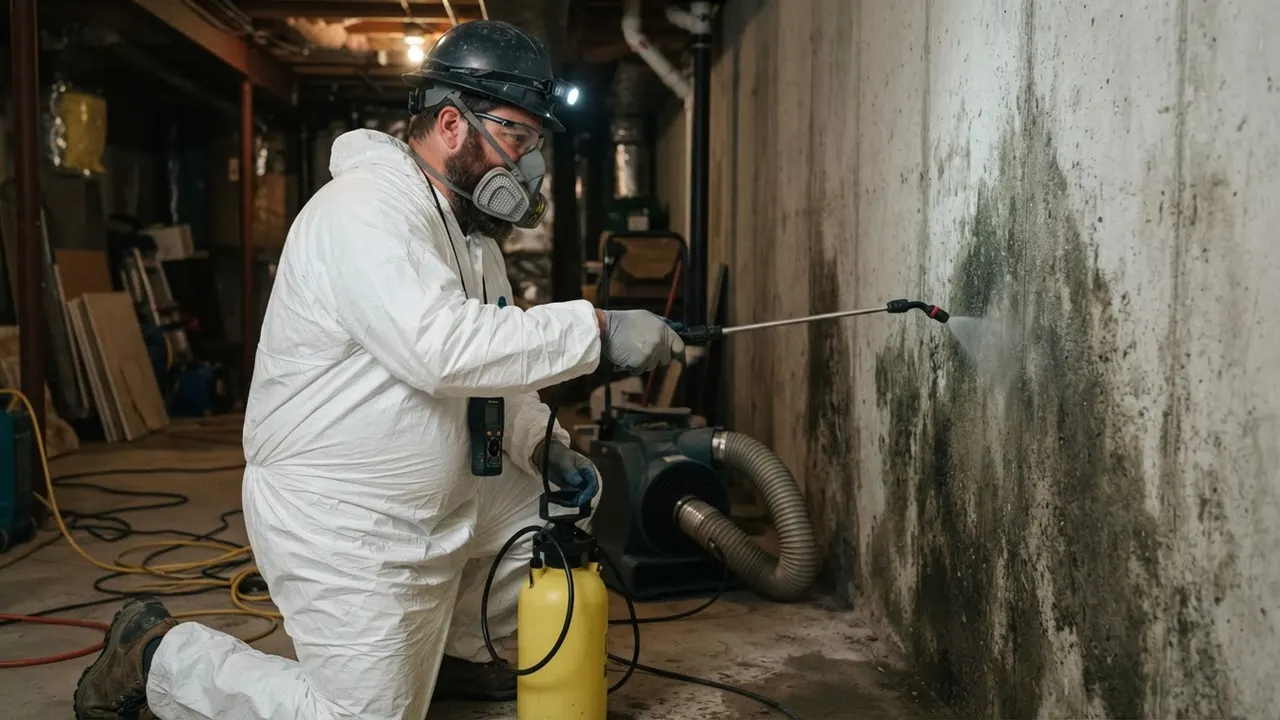
Document drying and restoration Hopkins MN helps homeowners, offices, and property managers protect wet paper records after a pipe break, basement flood, or roof leak. We sort and assess affected files, then select drying or stabilization methods based on paper type, water exposure, and condition. Our document restoration Hopkins MN service focuses on limiting further damage while preserving useful records, photographs, books, and business files.
Paper condition checkBatch labelingRoom moisture scan
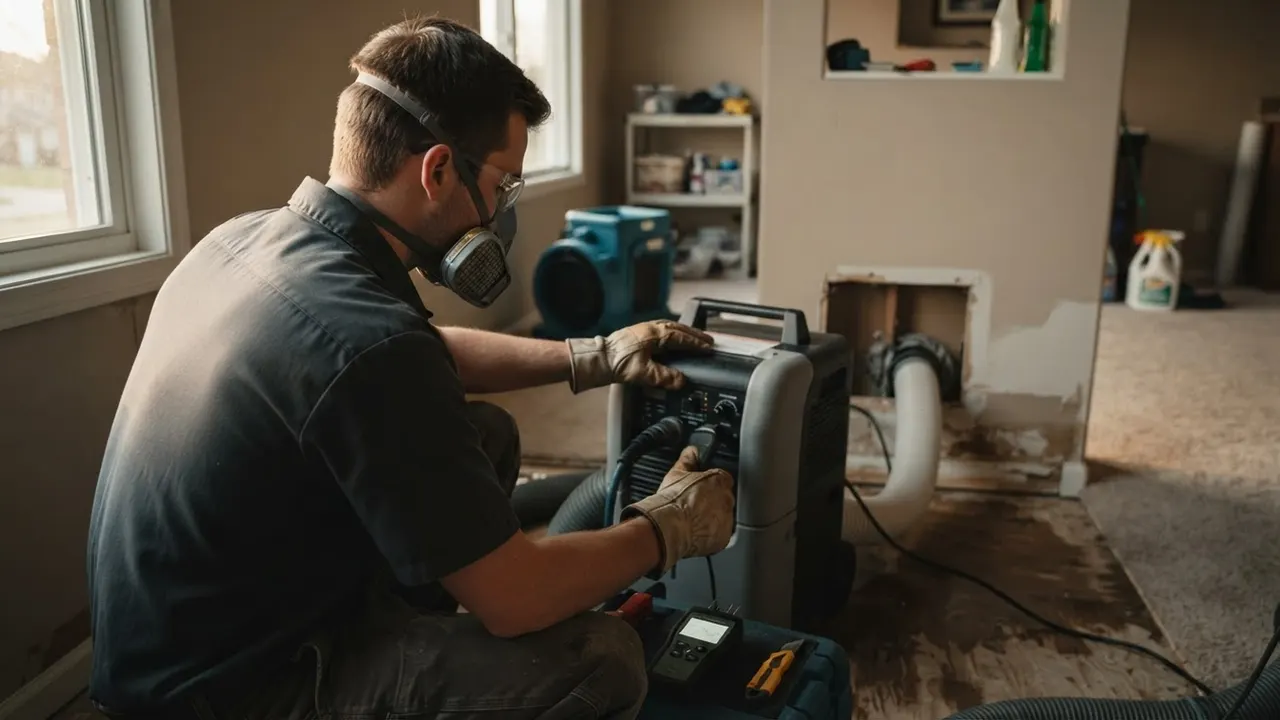
Labeled batchesGroups stay identifiable during handling.
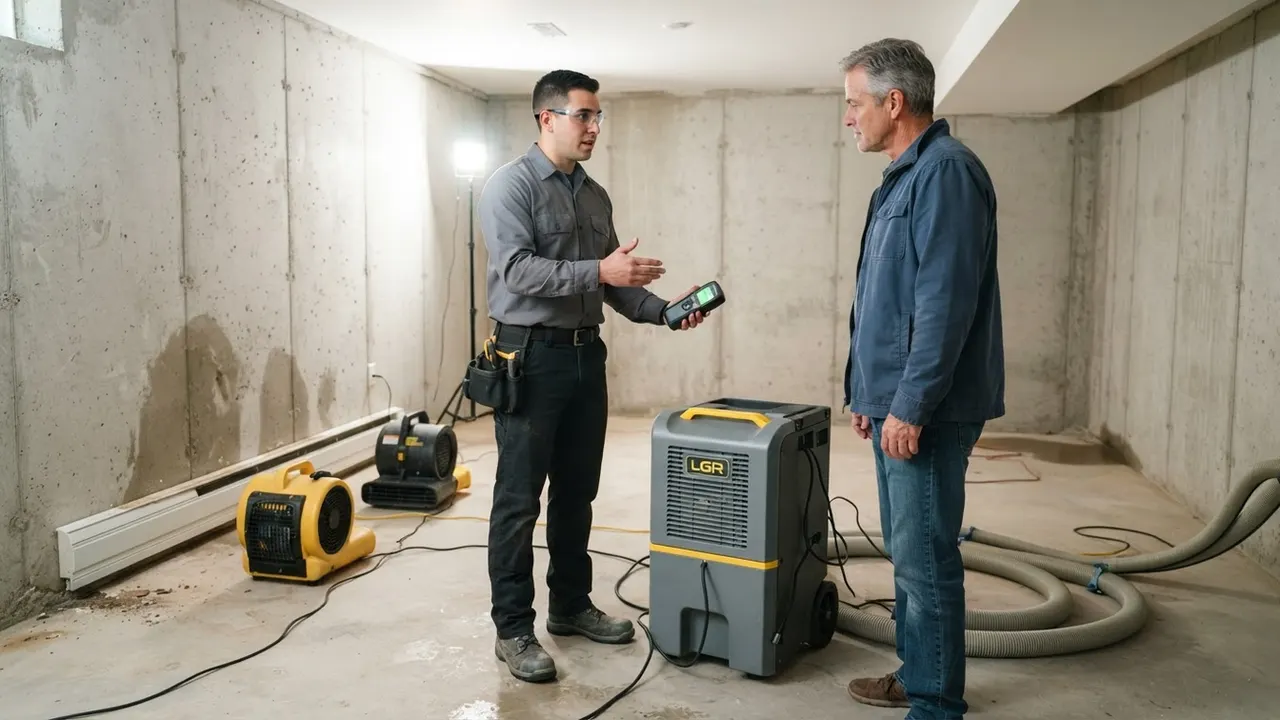
Measured conditionsRoom moisture is checked and recorded.
Protected stagingDry records stay apart from wet items.
Progress notesChanges are recorded through treatment.
What Document Recovery Includes
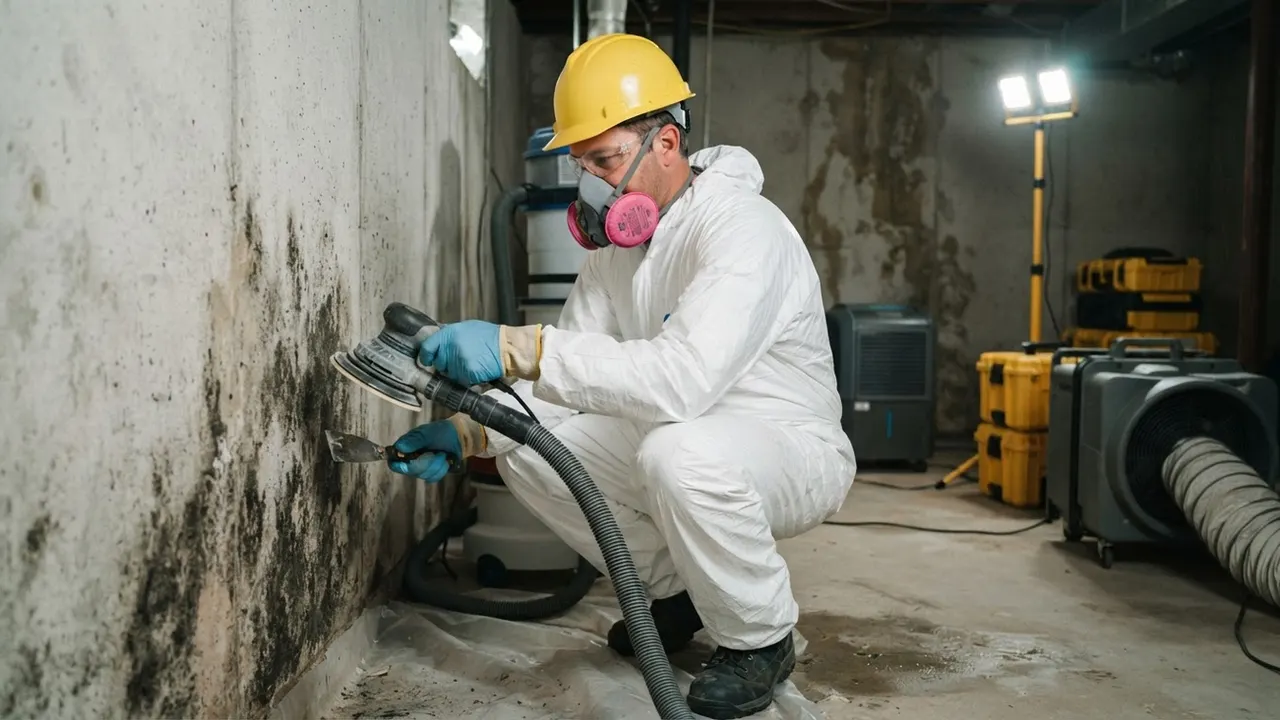
Document drying and restoration covers assessment, sorting, stabilization, drying, and a final condition review for water-affected paper items. The exact method depends on the water source, quantity, paper format, and how long materials remained wet. We explain the process and identify items that need specialist conservation; structural repairs, mold remediation, and unrelated contents cleaning are separate services coordinated when needed.
Condition Assessment
We identify the water source, note visible damage, and group items by format and condition. Your priorities guide the order of handling, while photographs and labels help preserve the connection between records and their original boxes.
Careful Sorting
We separate wet, damp, and unaffected documents where safe, keeping file order intact as much as possible. Bound books, loose sheets, photographs, and thermal paper are assessed separately because each responds differently to moisture and handling.
Stabilization and Drying
We select a suitable approach such as controlled air drying, interleaving, or freezing appropriate materials for later treatment. We monitor progress and avoid unnecessary heat or force that could distort pages, transfer ink, or tear softened paper.
Progress Documentation
We record affected groups, treatment stages, and visible condition changes. This gives you a practical record for internal tracking and insurance discussions, while helping your staff identify recovered files when the collection is returned.
Return and Storage Guidance
After review, we return items organized by their recorded groups and point out any that remain fragile. We discuss dry storage practices and coordinate with room drying so recovered documents are not placed back into a damp area.
Homes and Businesses.
The approach is the same for a home and a business. What changes is the access, the schedule and who needs the paperwork.
Homes and Rentals
We help you protect family papers, photographs, and home-office files after leaks or basement water. We sort affected groups and coordinate the room drying.
Basement boxes after snowmelt
Home office files near a burst pipe
Albums affected by an appliance leak
Offices and Properties
We work with property managers and business owners to identify active records and preserve file order. We coordinate contents handling with cleanup in occupied spaces.
Office files beneath a roof leak
Tenant records in a wet storage room
Archive boxes affected by a pipe break
Document Drying and Restoration Hopkins MN
A plain-language look at what Document Drying and Restoration involves and when it is needed.
document drying and restoration Hopkins MN is a contents recovery service that stabilizes and dries water-damaged paper, books, photographs, and files after leaks or flooding. We begin by separating wet items from dry ones, recording their condition, and identifying priorities such as legal records, personnel files, or family photographs. Clean water exposure differs from sewage contamination, so the source and length of contact guide handling. Controlled air movement, dehumidification, interleaving, and freezing for suitable materials help reduce sticking, distortion, and ink transfer.
Hopkins properties face frozen pipe bursts during Minnesota winters, roof leaks during storms, and basement water intrusion after snowmelt. In Hennepin County, a file room or home office can hold decades of records in a small space, making prompt separation important. Our Hopkins Minnesota document drying services address both household collections and business archives. If you are searching for how to dry out water damaged documents in Hopkins MN, avoid heat and direct sunlight; keep items cool, separate loose sheets only when safe, and contact us for an assessment.
Document recovery starts with careful sorting and a drying method matched to the material.
What it is
A process to assess, stabilize, dry, and organize paper records affected by water.
When you need it
After a leak, flood, pipe break, or other event leaves documents wet or damp.
What to expect
Sorting, condition notes, selected drying methods, progress checks, and an organized return.
Our Recovery Process
Document drying and restoration Hopkins MN follows a clear sequence: assess, sort, stabilize, dry, and return. We tell you what is happening at each step and identify urgent records first. Small batches may be handled on site; extensive or delicate collections need controlled off-site processing.
Assess the Collection
On arrival, we identify the water source, affected rooms, approximate volume, and any contamination concerns. We ask which records are urgent, then photograph the collection and note visible conditions such as swelling, bleeding ink, or stuck pages. The first inspection usually takes 30 to 90 minutes, depending on access and the number of boxes.
Source check
Condition notes
Priority review
Sort and Prioritize
We group materials by condition, format, and importance, keeping wet and dry items apart. You help flag essential business, legal, medical, or family records, while we label containers to maintain order. A typical office box holds hundreds of sheets, so sorting by box or file sequence prevents useful pages from becoming an unidentified stack.
Group by box
Separate materials
Label batches
Stabilize Wet Materials
If a collection cannot be dried promptly, freezing suitable paper can pause deterioration until treatment begins. Document freeze drying Hopkins MN is considered for appropriate batches after assessment, not applied automatically to every paper type.
Stabilize paper
Protect pages
Select method
Dry and Monitor
Our team selects air drying, interleaving, or a controlled drying approach based on the material and water exposure. We monitor room conditions and check for changes during treatment; a basic batch may take 24 to 72 hours, while bound volumes or large archives need longer. We keep you updated on progress and any items needing specialist attention.
Dry in batches
Check progress
Record changes
Review and Return
When drying is complete, we inspect the items for remaining moisture, visible distortion, and legibility, then reassemble them by their recorded groups. You receive the recovered collection with notes on items that remain fragile or require further conservation. We also review the leak or flood response so records return to a dry, stable storage area.
Review condition
Organize return
Discuss storage
Tools and Drying Methods
Move across a circle, or focus it and press Enter, for an illustrative thermal view of the photograph.
Moisture Meter
We use readings on nearby building materials to help determine whether a storage room is ready for recovered files. Paper condition still requires direct visual assessment.
Thermal Imaging Camera
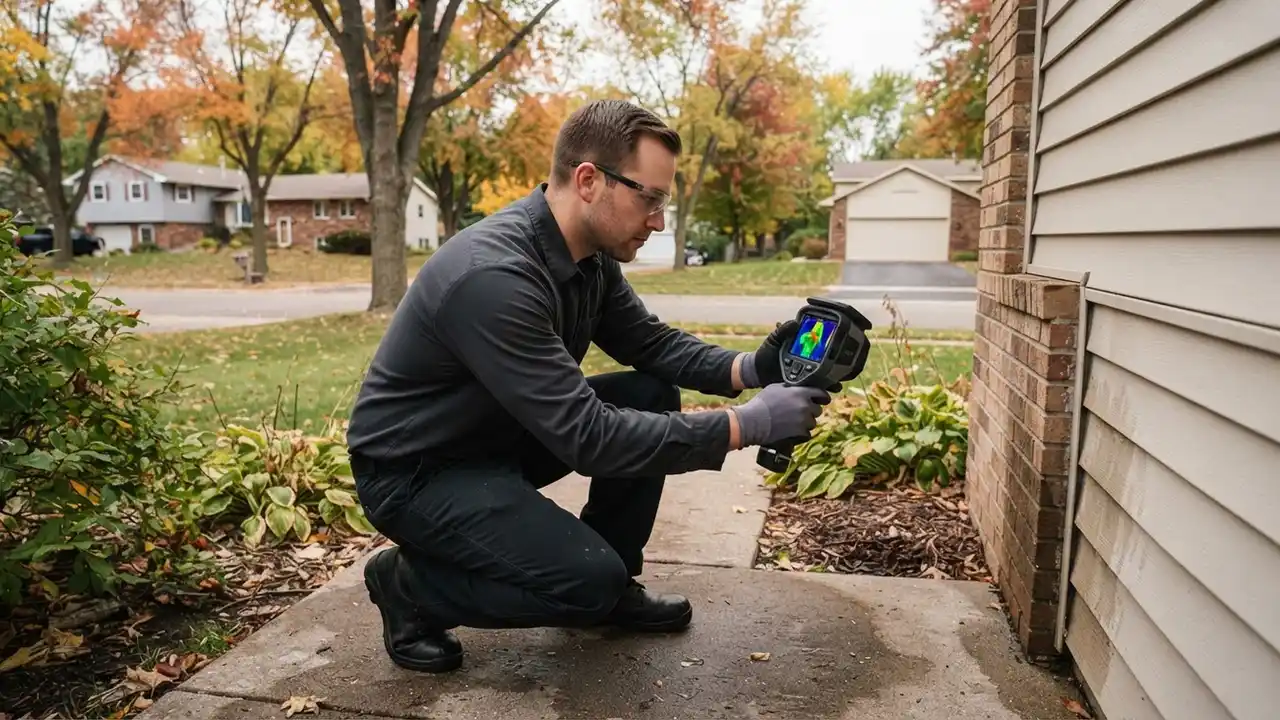
We scan walls and ceilings for temperature patterns that can point to hidden moisture after a leak, then confirm concerns with direct inspection.
Air Mover
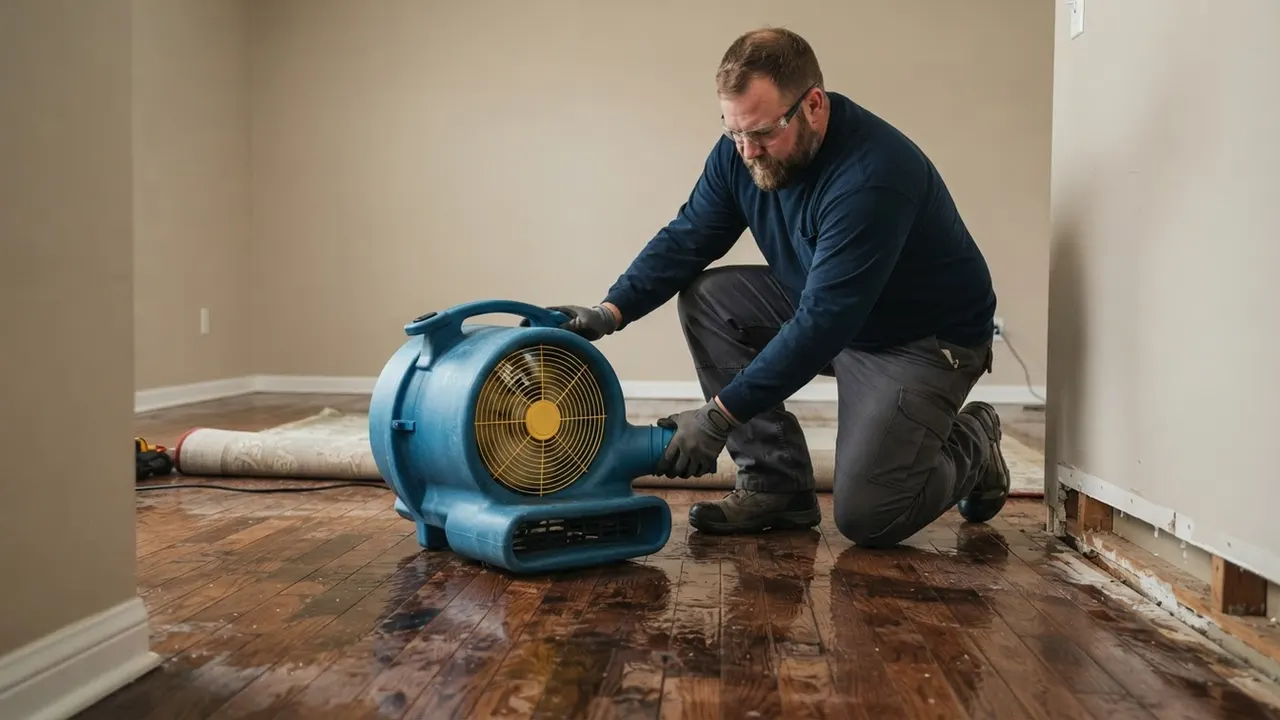
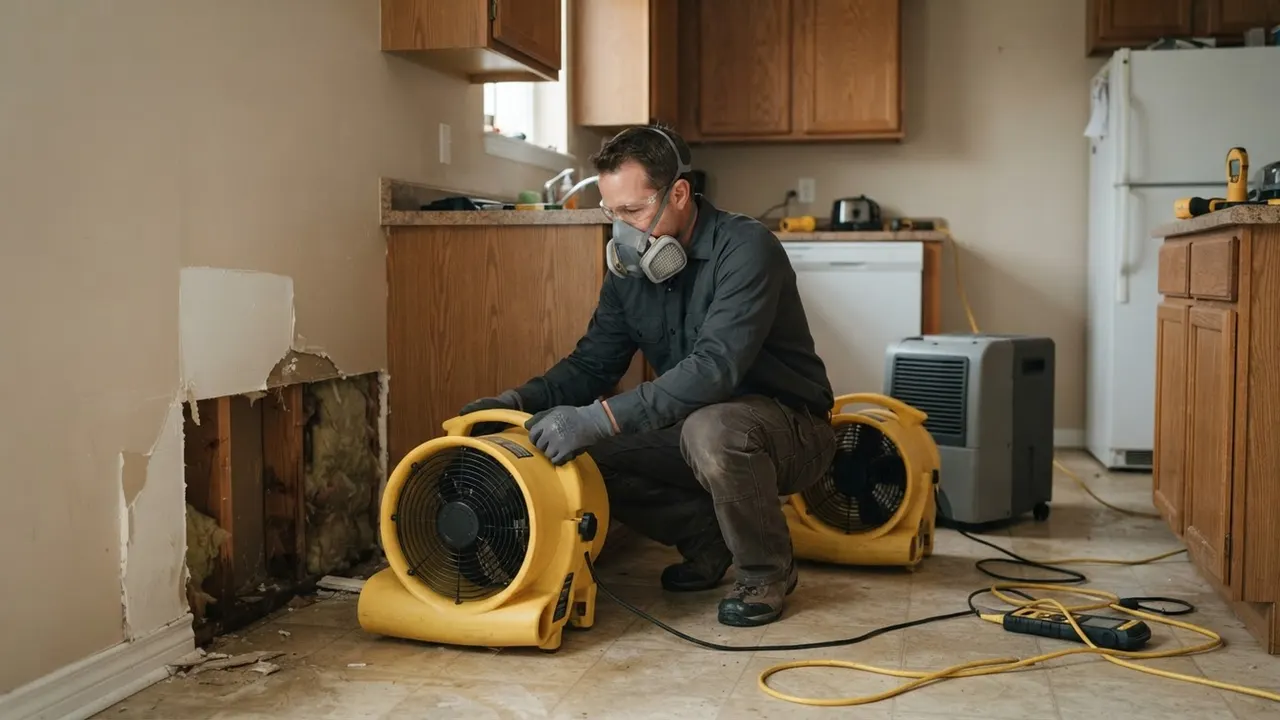
Air movement supports room drying when positioned appropriately. We avoid directing strong airflow at fragile documents, which need handling suited to their condition.
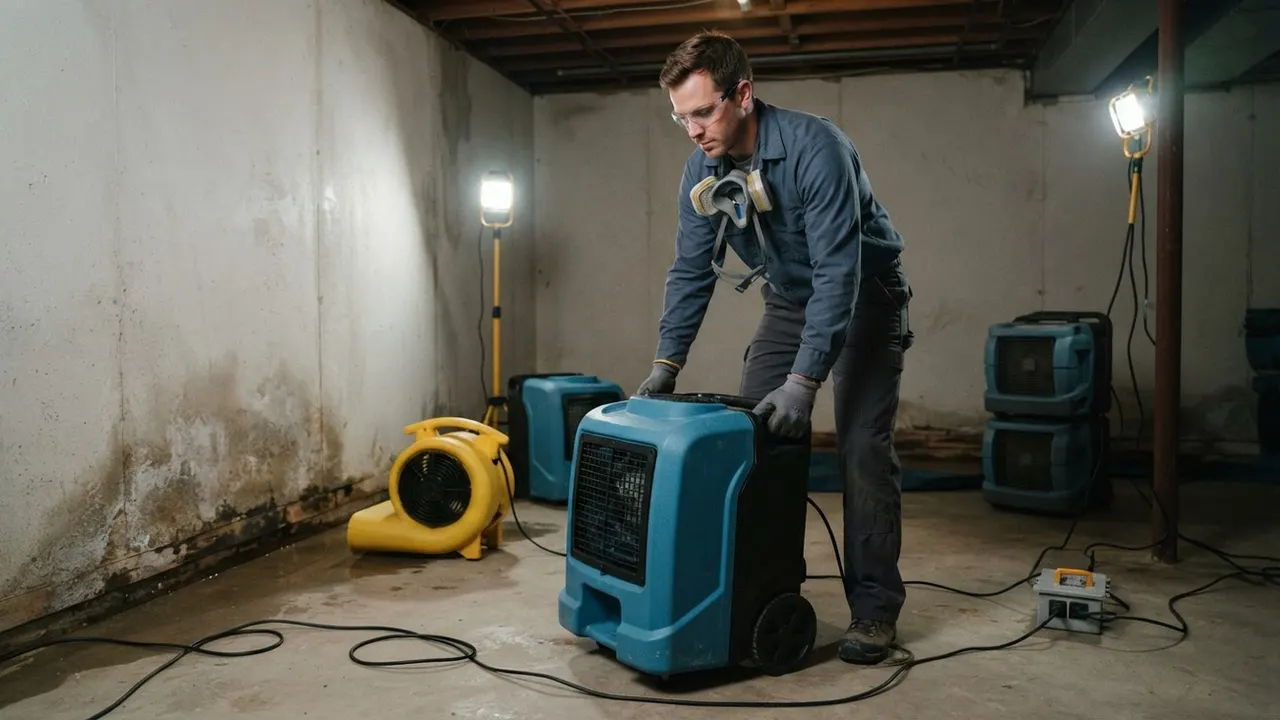
Dehumidifier
A Dehumidifier removes moisture from the surrounding space and supports a stable drying environment while the contents and structure are treated.
HEPA Vacuum
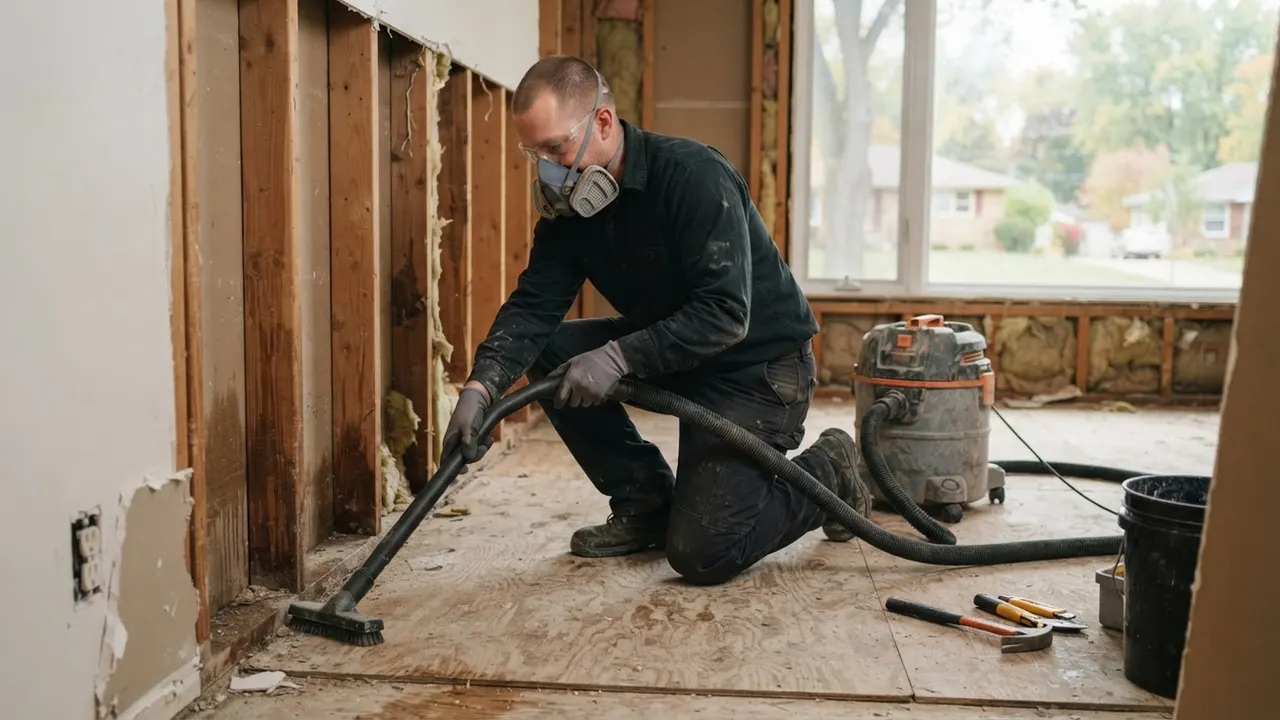
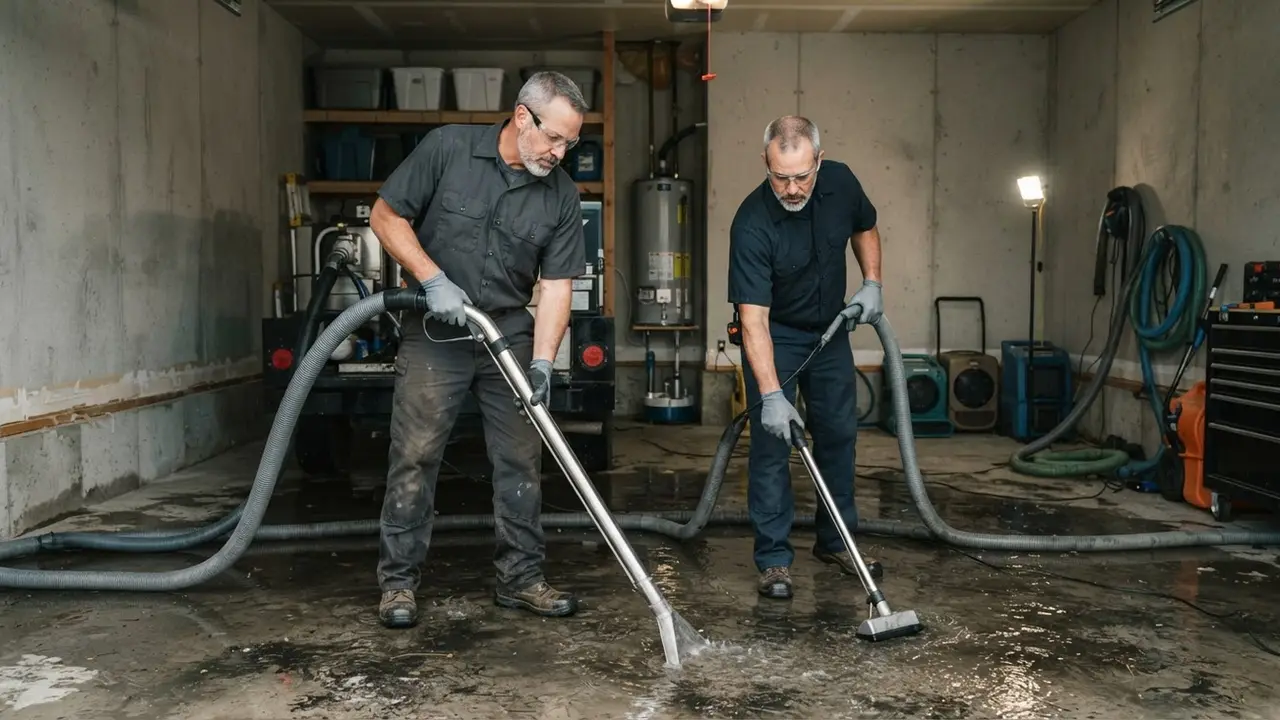
After water or fire cleanup, a HEPA vacuum can capture fine dry debris from suitable surrounding surfaces without sweeping residue into stored materials.
Thermal views are illustrative, generated from the photographs.
Methods
Priority-based sorting
We sort materials by water exposure, format, condition, and your operational needs. A medical file needed for an appointment or an active business folder may move ahead of older archive boxes. Labels and photographs preserve group identity through handling, while contaminated items remain separated from clean records.
Controlled air drying
Suitable loose paper is arranged to allow airflow without excessive heat or direct sun. We use interleaving where appropriate and monitor for sticking, curling, or ink movement. The surrounding room is dried separately, because putting treated documents back into damp air can undo the work.
Freezing for stabilization
Freezing can pause deterioration for suitable wet paper collections when immediate drying is not practical. We assess materials first, since photographs, coated papers, and mixed-media items may need different care. The method creates time for later processing; it does not itself complete document restoration.
Condition and moisture checks
We combine visual inspection with measurements of the room and nearby building materials. A moisture meter or infrared scan helps locate conditions that could affect storage, while direct checks determine whether documents remain damp or fragile. We record changes over the job rather than relying on a single reading.
When to Call for Recovery
Frozen Pipe Files
A frozen pipe bursts overnight and soaks file boxes in a Hopkins home office.
We locate the affected records, separate wet boxes from dry storage, and identify documents you need for work or household administration. We coordinate with pipe-burst cleanup and room drying, then select a paper treatment based on condition and volume.
Outcome: Your priority folders are tracked separately, and the remaining collection moves through a documented recovery process instead of drying in a single compressed stack.
Storm Roof Leak
A storm-driven roof leak drips onto business records near Mainstreet Hopkins.
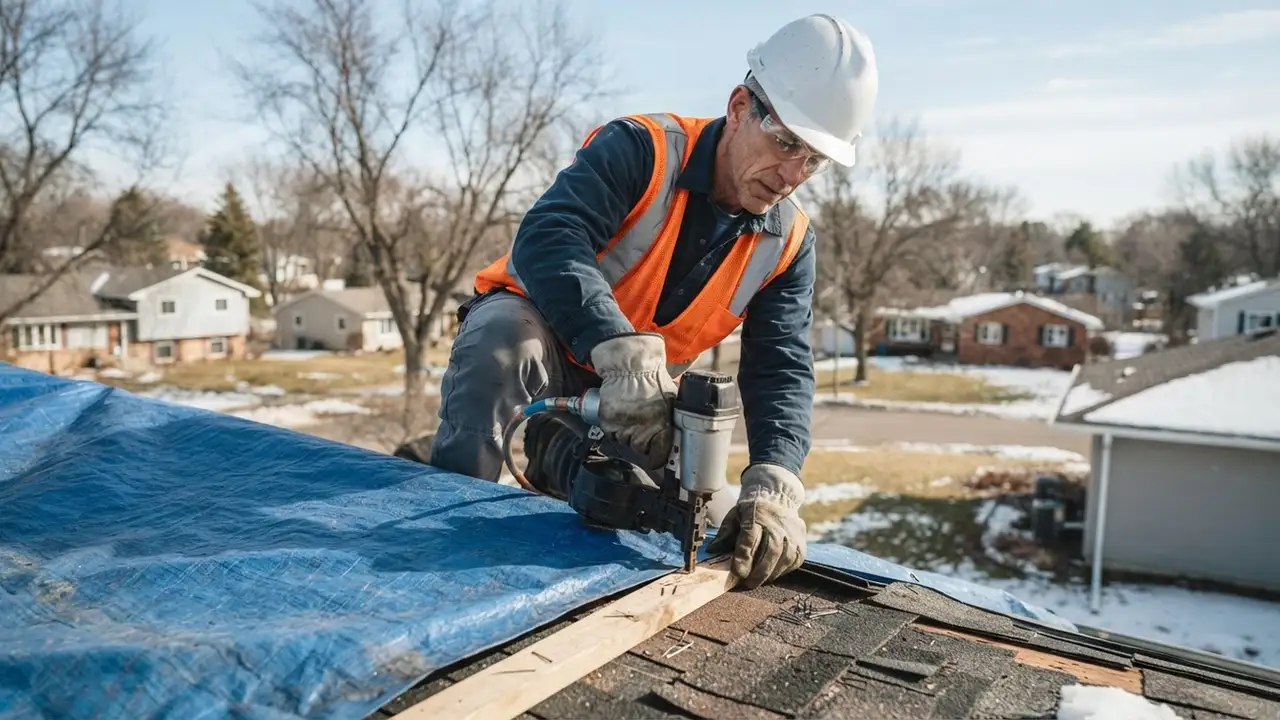
We help protect the file area, photograph affected groups, and arrange handling around roof and interior repairs. Wet and dry documents stay separated, and we coordinate room drying so recovered files do not return beneath an active leak.
Outcome: The business gets an organized view of affected records and a path to retrieve usable files while the building repairs continue.
Basement Collection
A basement flood reaches stored family photographs, books, and paper records.
We assess the water source, isolate affected containers, and sort items by format and condition. The team coordinates with extraction and basement drying, explaining whether air drying, stabilization, or another method fits each group.
Outcome: Family materials are handled as distinct items rather than mixed into general debris, and you know which pieces need additional conservation.
Appliance Leak Archive
A washer leak reaches a small office archive in a Westbrooke property.
We stop the document damage from spreading by separating saturated papers from dry folders and recording the affected groups. We coordinate water extraction and floor drying, then work through the archive in labeled batches.
Outcome: You can track records through the recovery process and return them to a room checked for remaining moisture.
Downtown HopkinsShady OakMainstreet
Document Recovery Across Hopkins
Document drying and restoration Hopkins MN needs to account for cold winters, spring thaw, and heavy rain that can expose roofs, basements, and utility rooms to water. Frozen pipe bursts are a winter concern; after snowmelt, seepage may reach boxes stored against basement walls.
In older homes and mixed-use buildings around Hopkins, storage can share space with mechanical equipment, so we coordinate paper handling with the room's drying plan. Our paper document restoration Hopkins Minnesota service starts with the water source and the collection, not a one-method approach.
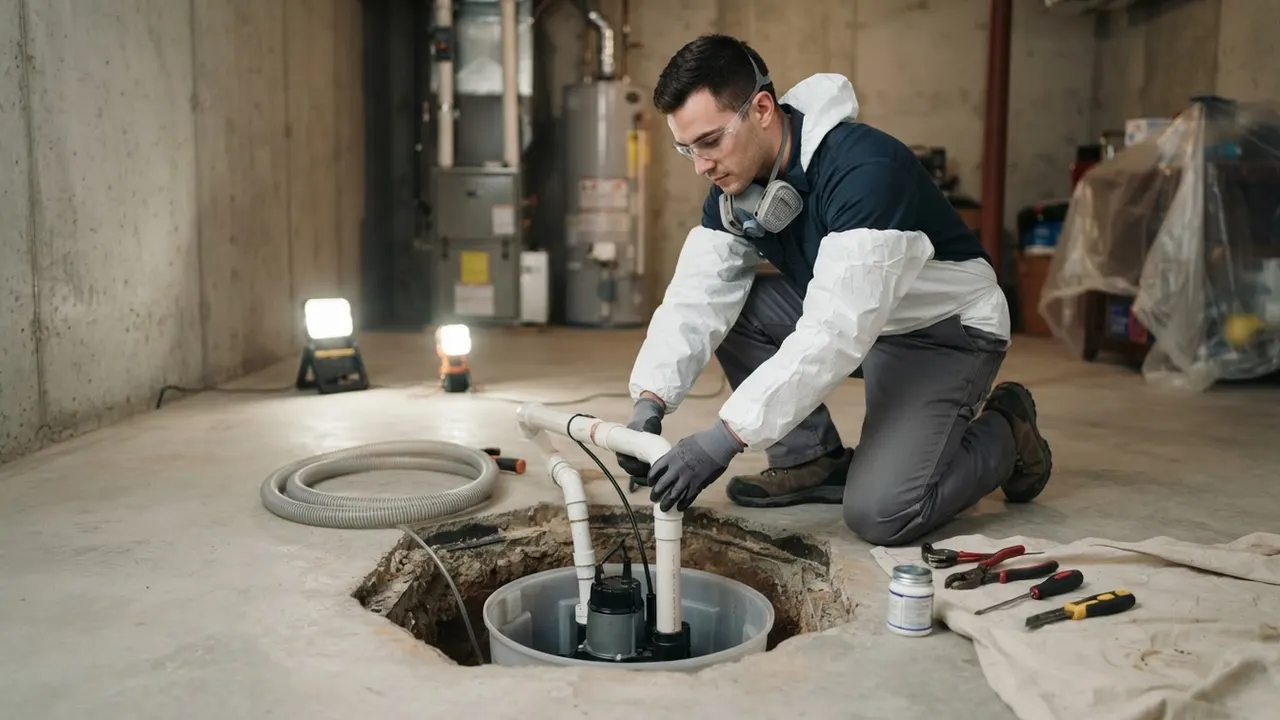
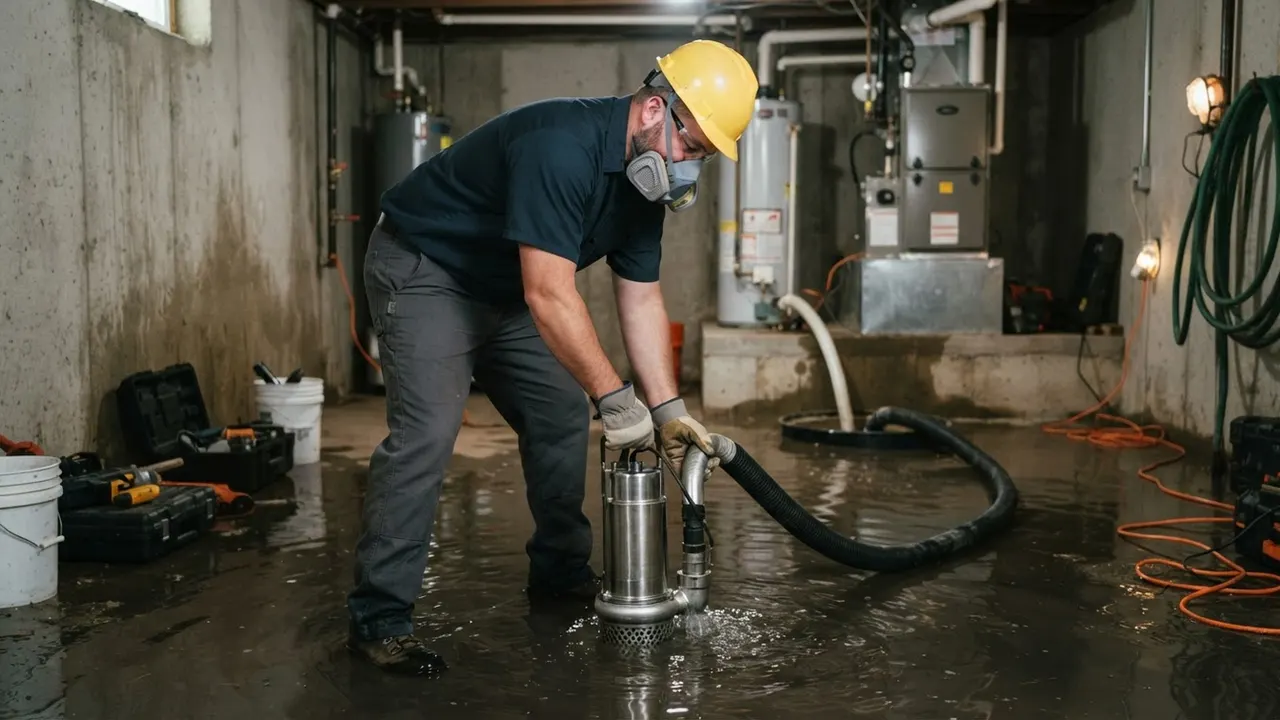
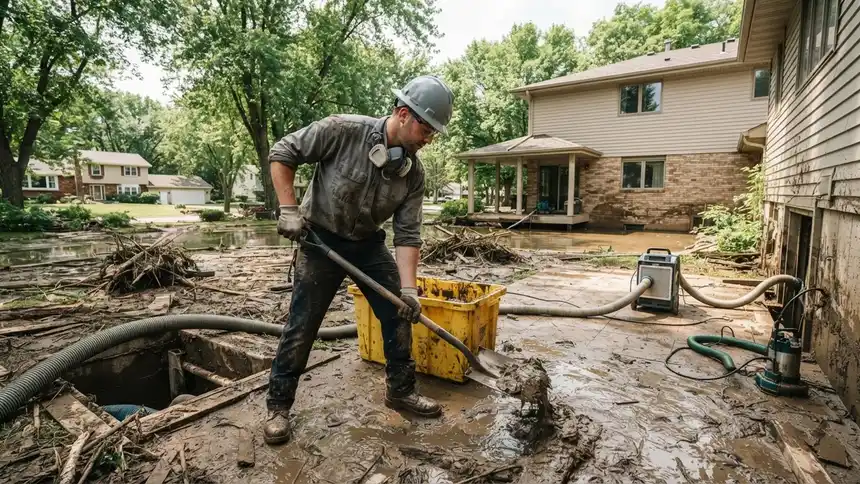
If you are arranging emergency document drying and recovery in Hopkins Minnesota, tell us whether the water came from a clean supply line, a roof, or a backup. We serve Hennepin County, including ZIP code 55343 and ZIP code 55305. Nearby cleanup may involve a sump pump, wet/dry vacuum, or dehumidification, but paper remains separated from structural equipment.
Downtown Hopkins: Mixed-use buildings and office storage can put active files close to utility lines. We sort urgent records first and coordinate handling with interior drying.
Shady Oak: Homes with basement storage can be affected by leaks or seasonal water entry. We separate boxes from damp walls and check room conditions before return.
Mainstreet: Businesses may need access to selected records during cleanup. We label batches clearly and discuss which folders should be prioritized for recovery.
Westbrooke: Home offices and stored family collections need different handling from ordinary household contents. We group records by material and condition before treatment.
Winter freeze-thaw cycles can expose pipes and stored records to sudden leaks: A burst line can soak file boxes before anyone reaches the room. We isolate wet paper promptly, coordinate water removal, and help prevent dry records from being mixed into the affected batch.
Spring snowmelt can raise moisture in basement storage areas: Boxes against a foundation wall may absorb moisture before standing water appears. We assess the collection and the surrounding room, then coordinate drying and recommend moving recovered records to a stable storage location.
We inspect the water source, affected area, and document groups with you.
We separate wet materials, label batches, and protect nearby dry records.
We review progress, organize recovered items, and discuss storage conditions.
From Problem to Finished Result.
IllustrativeThe thermal view is generated from the photograph. It is not a measurement. Drag the handle, or use the arrow keys once it is focused.
Basement File Boxes
Before: A Hopkins homeowner found six boxes of household records and photographs wet after a basement leak. Pages were beginning to stick, and several boxes sat against a damp wall. The family had not separated the contents because pulling pages apart risked tearing them.
After: We grouped the contents by box and format, stabilized the wettest materials, and dried suitable papers in controlled batches. The six boxes remained identifiable, and the family recovered readable records and photographs for review. The basement was dried before items returned.
Store paper at least several inches above the floor and away from foundation walls. Check basement shelving after heavy rain and keep important originals in a separate, elevated location.
Office Roof Leak
Before: A roof leak affected about 12 file folders in a small Hopkins office. Some folders were damp at the edges, while several pages showed early ink transfer. Staff needed a few active records to keep routine work moving.
After: We photographed and labeled the folders, prioritized active files, and dried suitable papers in separated groups. The office received progress notes and recovered folders organized for easier retrieval. Roof protection and room drying proceeded alongside contents work.
Keep active paper files away from exterior walls and ceiling leak paths. After storms, inspect ceilings and shelving for new drips before returning any recovered material.
Photographs After a Leak
Before: Water from an appliance leak reached a box containing roughly 80 family photographs and two small albums. Several prints were damp and beginning to curl, while album pages held moisture between layers.
After: We separated loose prints from bound albums, assessed each group, and used careful stabilization before drying suitable items. The family received the collection organized by its original groupings, with fragile pieces identified for additional conservation review.
Keep photographs in closed storage away from pipes, laundry equipment, and basement floors. Make a digital copy of important images and check storage containers after any nearby leak.
Solve Wet-Document Problems in Hopkins
A soaked box can turn into a stuck, unreadable stack if it sits untouched. Our work focuses on separating the collection, stabilizing paper, and addressing the room conditions that caused the loss. Early sorting also helps you recover the records you need first.
Stuck pagesPages stuck together after a pipe leakAs paper dries in a compressed stack, sheets can bond and tear when pulled apart, taking printed text or handwriting with them. We assess the stack before separating pages, then stabilize suitable materials and select a controlled drying method. We keep batches labeled and prioritize records you need soon. If the pipe leak also wet drywall or insulation, we coordinate structural drying before the collection returns to the room.
Bleeding inkInk bleeding across business filesWater-soluble ink can spread into adjacent pages, making names, figures, and signatures harder to read or impossible to distinguish. We identify affected media and avoid rubbing or applying direct heat. Documents are handled in small, labeled groups, with suitable stabilization selected after inspection. For active files, we discuss priorities with your team so essential records are reviewed before less time-sensitive storage.
Contaminated boxesBasement boxes exposed to contaminated waterSewage or floodwater can introduce contaminants to paper and containers, making ordinary air drying an unsafe or unsuitable choice. We first identify the source and isolate affected boxes from clean contents. The team explains which materials can be assessed for recovery and coordinates with cleanup of the basement. You receive handling guidance for unaffected records and a clear distinction between contaminated and clean groups.
Warped materialsPhotographs and books warped by standing waterPhotographic emulsions and bound pages can distort, stick, or lose surface detail when moisture remains trapped between layers. We assess photographs and books separately from loose office paper, then use handling appropriate to their construction. Document freeze drying Hopkins MN may be considered for suitable collections after evaluation. We identify fragile or irreplaceable items early so you can make informed treatment decisions.
Preserve What Matters Most
Careful stabilization helps keep useful records identifiable and ready for review.
Limit Further Damage
We separate saturated materials from damp and unaffected items, then control moisture around the collection. This reduces prolonged contact that can cause pages to bond or ink to migrate. Document restoration Hopkins MN is most effective when handling starts before paper dries in a compressed stack.
Keep Files Identifiable
Each batch stays organized by box, room, or file group whenever conditions allow. We photograph and label items before moving them, so your team can reconnect recovered pages with their original folders. That structure matters when a business must retrieve records during cleanup.
Choose Methods by Material
Glossy photographs, bound books, thermal receipts, and ordinary office paper react differently to moisture. We assess the media before choosing air drying, interleaving, or freezing for later processing. A Moisture meter helps us check nearby building materials without treating every paper item the same way.
Coordinate the Whole Cleanup
A document loss often shares a cause with wet flooring, drywall, or insulation. We can coordinate paper recovery with water extraction and structural drying, helping you address the source and the contents together. This keeps a basement leak from becoming a second problem after records leave the room.
What You Receive
Clear records you can keep and share.
Photo Log
Images showing affected groups and handling stages.
Batch Record
Labels connecting recovered items to original groups.
Condition Notes
Observed changes and fragile items noted.
Work Summary
Treatment steps and return details.
Drying and Conservation Differ
Drying stabilizes wet records for handling; conservation addresses delicate materials that need specialist treatment.
Basic Drying
Suitable for many loose papers after assessment.
Separate wet and dry groups
Use controlled air movement
Review pages after drying
Stabilization
Slows damage when immediate processing is not practical.
Keep batches identifiable
Assess freezing suitability
Plan later treatment
Materials and Conditions
Loose paper
Bound books
Photographs
Thermal receipts
Water source
Ink condition
Batch labels
Room moisture
Service ZIP Codes.
A list like this tells people straight away whether you cover their street. Not listed? Call and ask: it only takes a minute.
A pipe leaked near our home office and soaked several boxes of family papers. The crew photographed the boxes, separated the wet pages from dry folders, and explained which items needed more time. We got the collection back grouped by box, which made it much easier to put everything away.
A roof leak reached our file room during a storm. The team helped us identify active records first, labeled the affected groups, and coordinated drying with the room cleanup. We could locate key files again without sorting through a pile of loose pages.
Basement water reached a shelf of books and old photographs. The crew checked each group before handling it and gave us clear updates about the drying process. Several photographs and books were returned separated and organized, and we moved the remaining collection to a drier storage area.
Document Recovery Questions
Typical 2026 pricing in this area depends on contamination, paper type, sorting time, and whether freezing or specialized drying is needed. We assess the collection before explaining the work and upfront pricing. Keep wet papers cool and do not use a hair dryer while arranging an inspection.
Many water-damaged documents can be dried and made legible, but complete restoration is not possible for every item. Results depend on paper quality, ink, contamination, and how long materials stayed wet. We assess each group and explain which items are suitable for recovery, which remain fragile, and when a paper conservator is appropriate. Do not force apart pages that have stuck together; that can tear fibers and remove ink.
Coverage depends on your policy, the water-loss cause, and the insurer's contents provisions. Document the affected boxes with photographs, keep receipts or inventories if available, and report the loss promptly. We can provide condition notes and itemized service records for your claim file, but the insurer determines coverage. A sudden pipe break may be treated differently from long-term seepage, so record when you first discovered the damage.
Choose a document recovery provider that assesses the water source, sorts materials carefully, documents handling, and explains limits before treatment. Ask how they manage contaminated water, bound books, photographs, and business records, and whether they coordinate structural drying. Our wet document restoration company Hopkins MN team can assess your collection and discuss a practical recovery plan. For document restoration near me Hopkins Minnesota searches, share the affected location and approximate number of boxes when you call.
Wet files, books, or photographs need careful handling before pages bond or inks bleed. Call Hopkins Water Damage Company at (833) 546-4116 and tell us what got wet, where it is, and whether the source was clean or contaminated water.
Call Hopkins Water Damage Company at (833) 546-4116 to describe a leak, fire, mold concern, or basement water problem. We connect you with independent companies serving Hopkins, Minnesota, including ZIP codes 55343 and 55305. Tell us the property type, affected area, and whether the source is still active so the provider can understand what help you need.