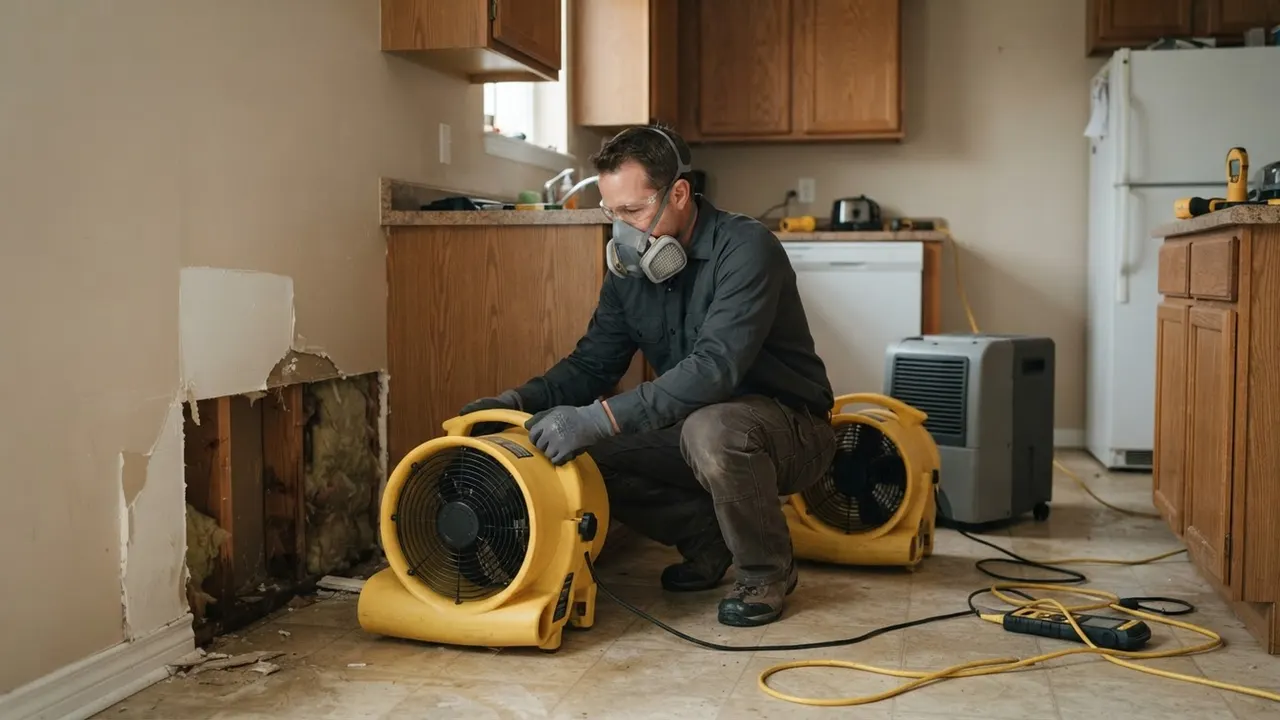
HVAC mold removal Hopkins MN addresses visible or suspected growth in air handlers, drain pans, coils, and accessible ductwork. If musty air returns whenever your system runs, our team traces the moisture source, protects nearby rooms, and explains the cleanup before work begins. We also handle air duct mold removal Hopkins MN when contamination is tied to leaks, condensation, or damp insulation, helping you restore usable airflow without masking the underlying problem.
Protected surfacesWe cover nearby floors and contents.
Measured moistureWe check affected building materials.
Clear closeoutWe review completed work with you.
What HVAC Mold Removal Includes
Our service covers inspection of accessible HVAC components, moisture-source review, protection of the work area, and cleaning or removal suited to affected materials. We document what is visible and explain any related drying or repair needs. Replacement of major HVAC equipment, extensive duct reconstruction, and unrelated plumbing or roof repairs require separate trade work, but we identify those needs when they affect the remediation plan.
Accessible Component Inspection
We inspect the air handler, filter slot, coil area, drain pan, and reachable duct surfaces for visible growth, debris, and moisture. You can show us where odors occur, and we compare those locations with system operation and nearby building conditions.
Work Area Protection
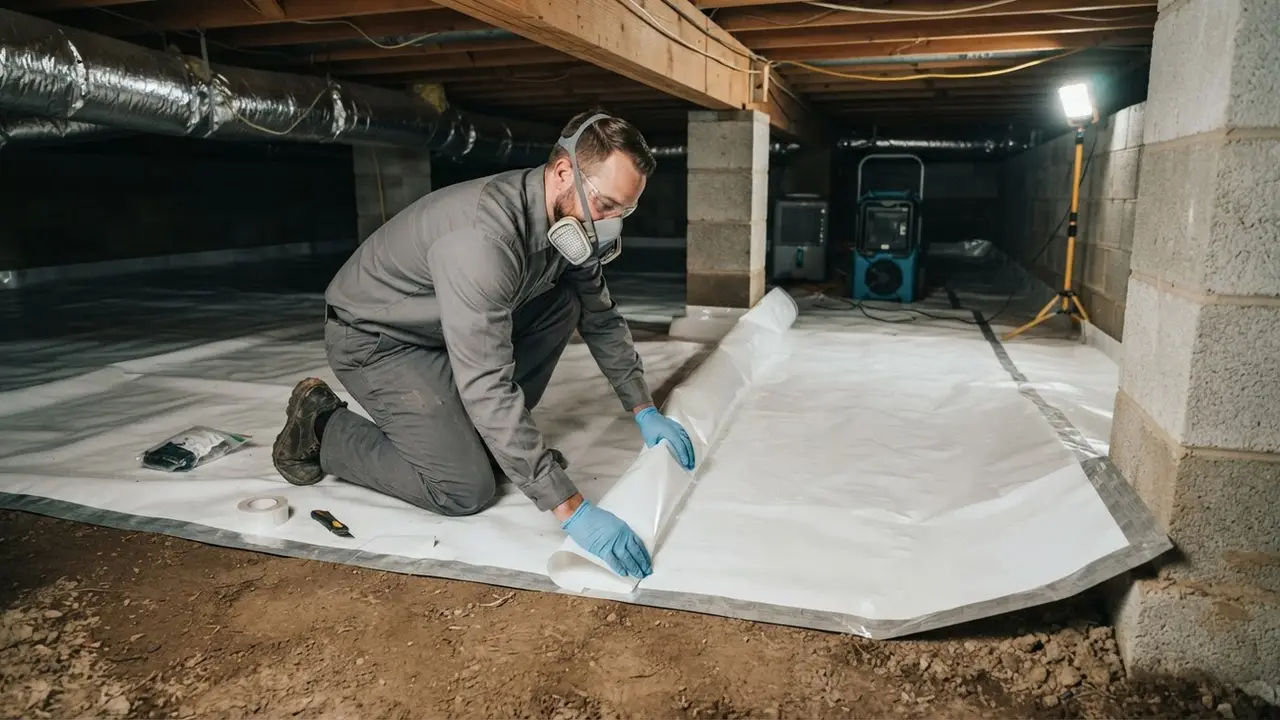
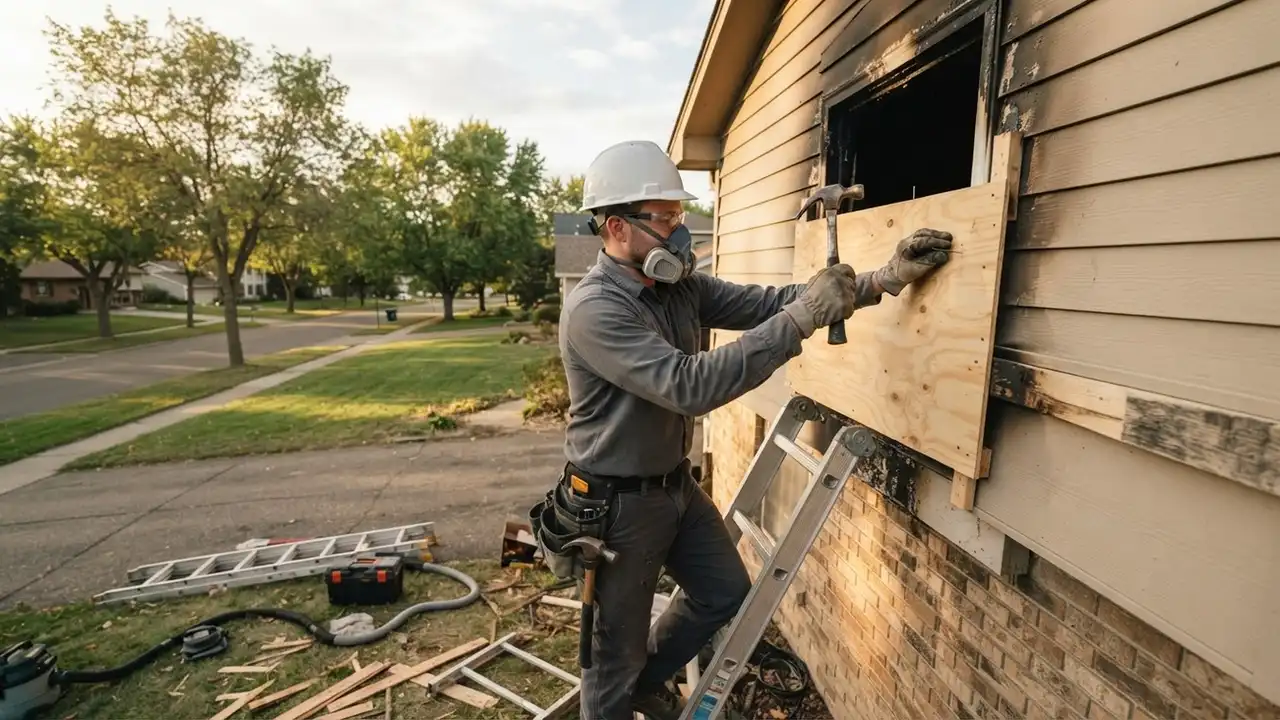
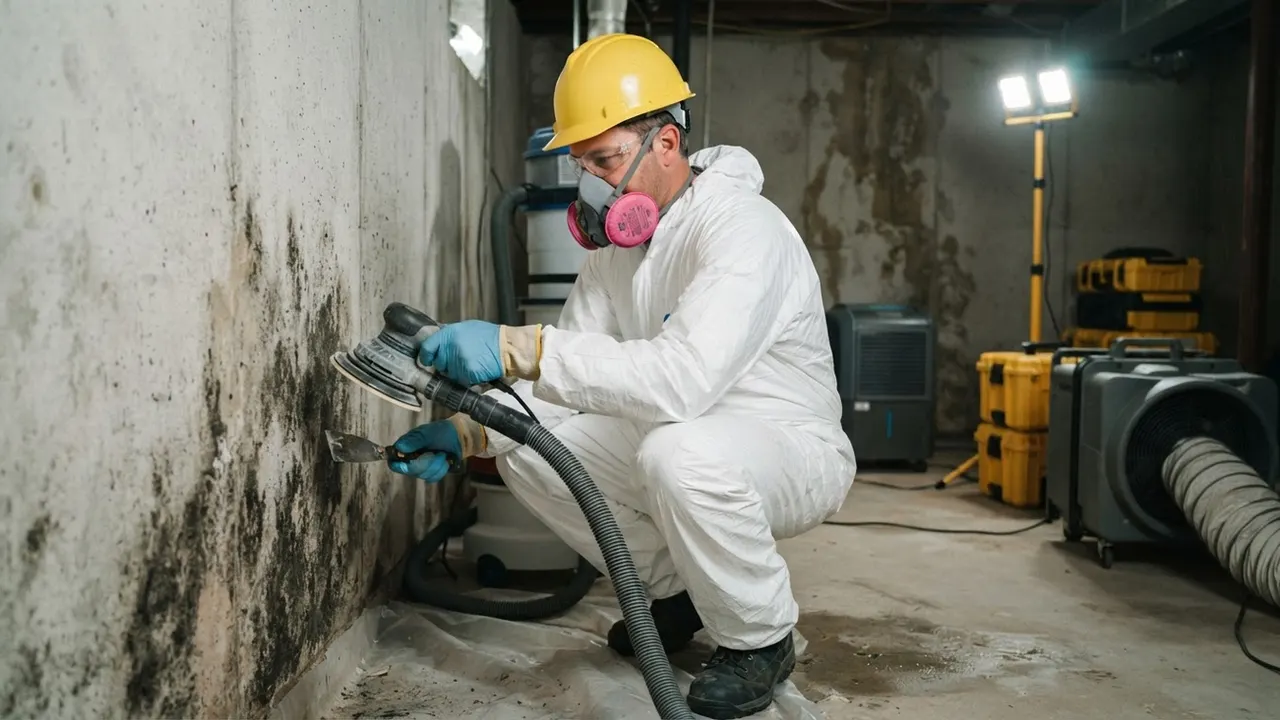
We protect floors and nearby belongings before disturbing contaminated material. Depending on the location, the setup can include plastic sheeting, an air scrubber, or controlled negative pressure. The goal is to keep the cleanup confined to the affected space.
Cleaning and Material Removal
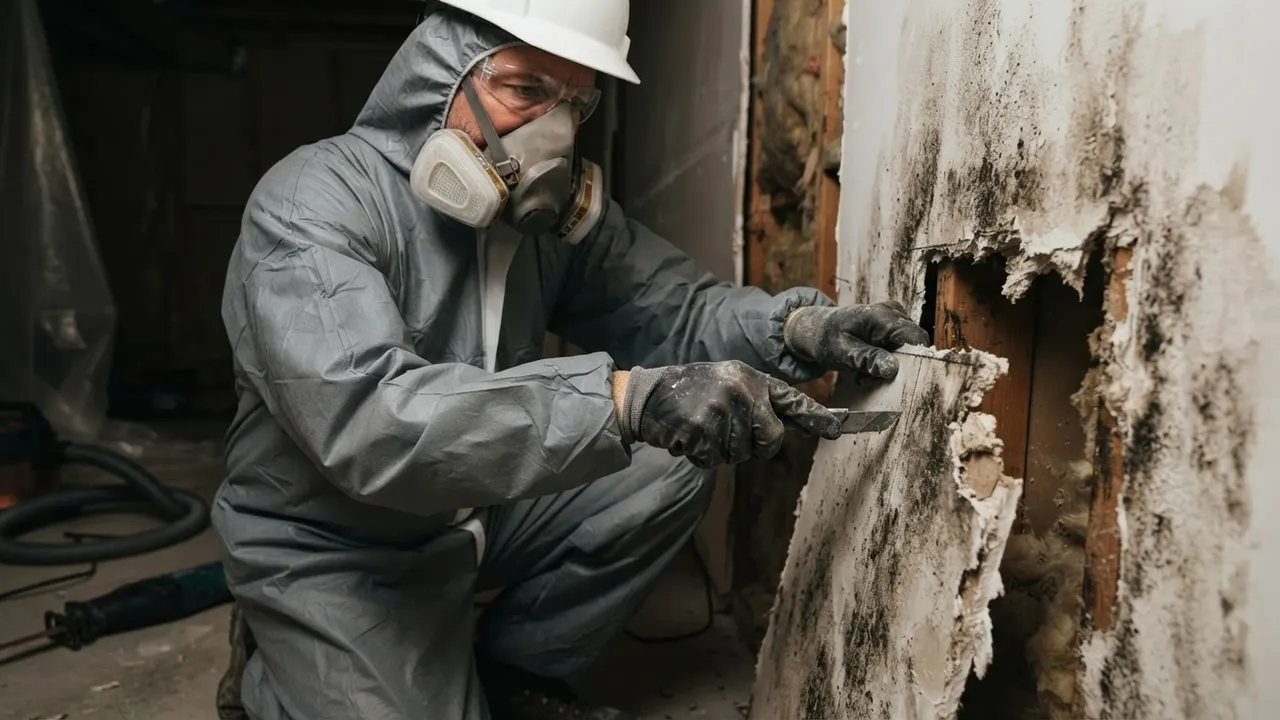
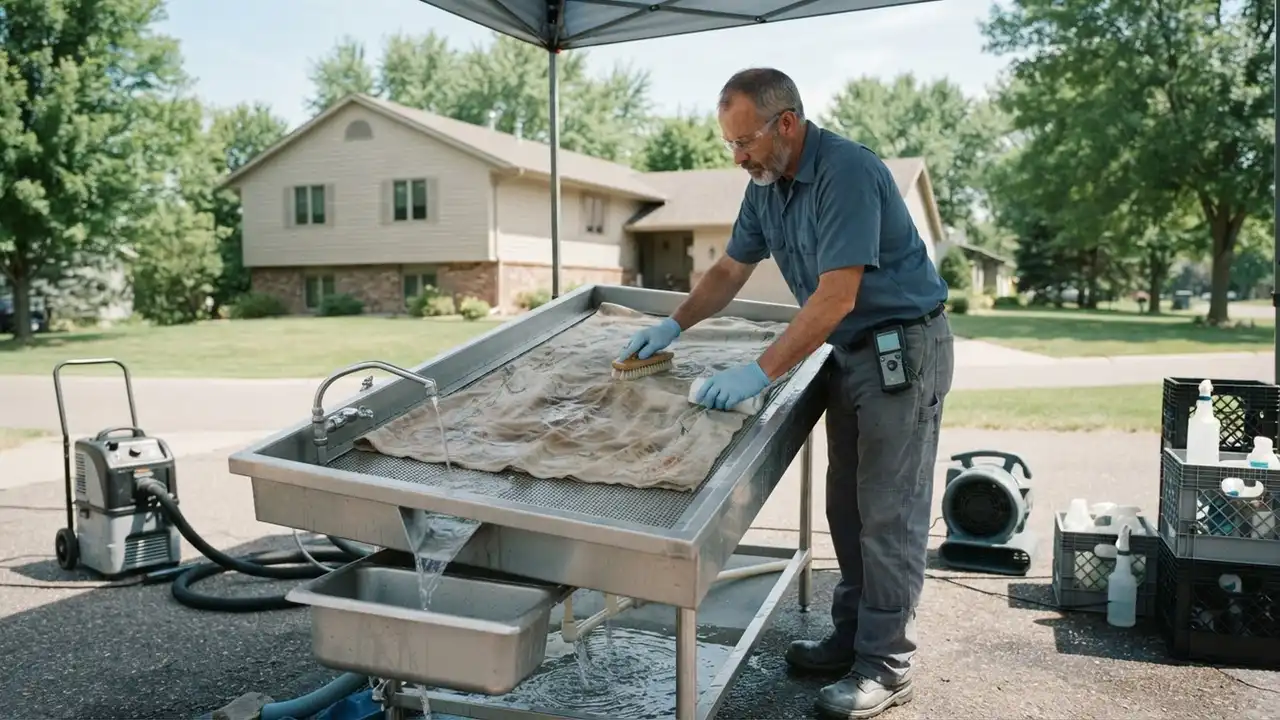
Suitable nonporous HVAC surfaces are cleaned using methods appropriate to their finish and function. Contaminated porous insulation or other material that cannot be effectively cleaned is removed when required. We explain the difference before the work proceeds.
Moisture Source Review
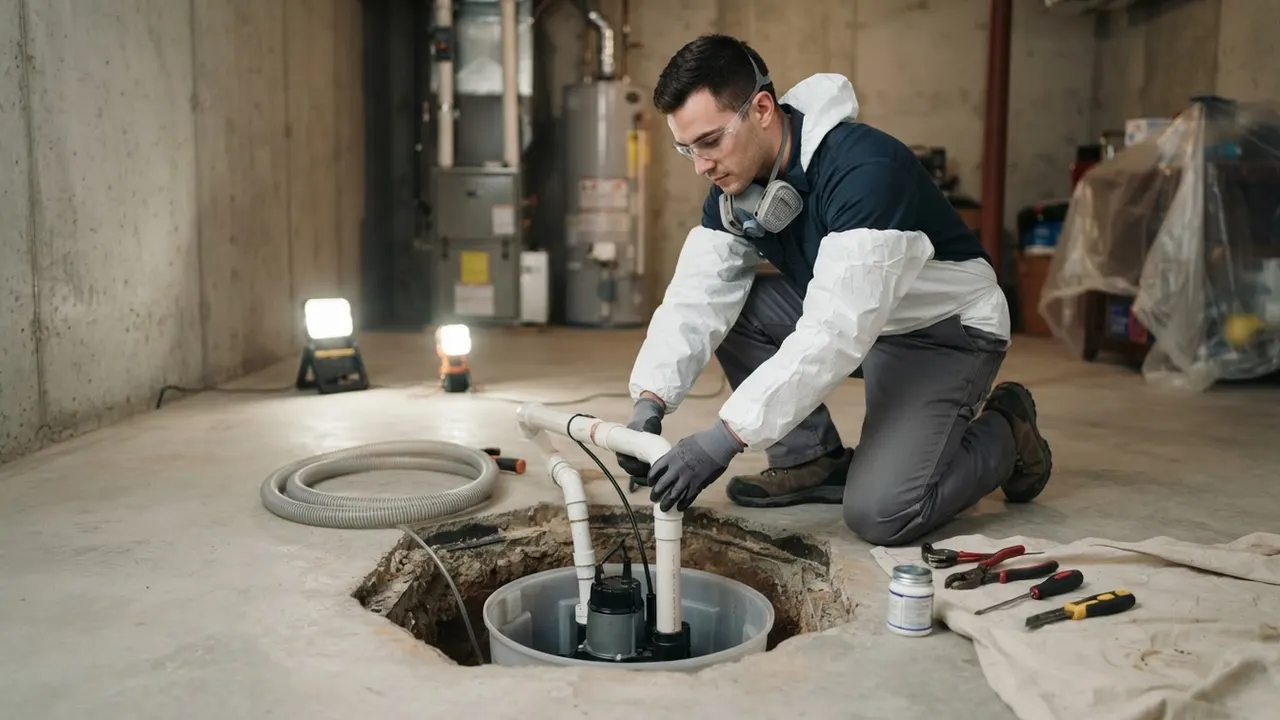
We check for condensation, drain-line issues, leaks, and damp materials beside the HVAC system. Moisture readings help direct follow-up, while photographs show the affected areas. Correcting the source is necessary to reduce the chance of renewed growth.
Closeout Notes
At completion, we review treated locations, note any remaining moisture or repair needs, and share relevant photographs. You can use the information to coordinate follow-up HVAC service, structural drying, or repairs to a roof, pipe, or appliance leak.
Homes and Businesses.
The approach is the same for a home and a business. What changes is the access, the schedule and who needs the paperwork.
Homes and Rentals
We inspect your air handler, accessible duct openings, and nearby materials while protecting floors and belongings. You get a plain explanation of findings and next steps.
Musty odor when heating starts
Condensation near a basement furnace
Wet insulation after a roof leak
Businesses and Buildings
We coordinate access with owners and property managers, then isolate the work area around staff and equipment. We document affected rooms and discuss operational needs.
Odor at a ceiling return
Water near a mechanical room
Damp duct insulation after a leak
HVAC Mold Removal Hopkins MN: What It Covers
A plain-language look at what HVAC Mold Removal involves and when it is needed.
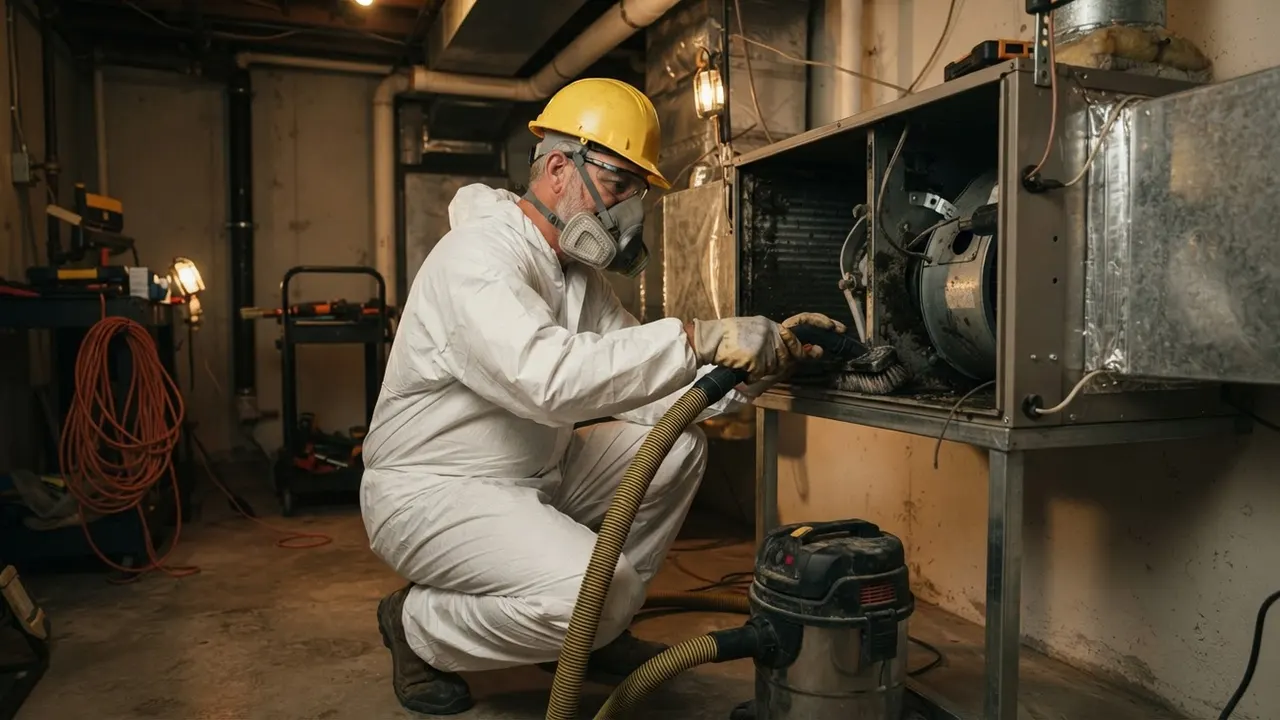
HVAC mold removal Hopkins MN is a specialized remediation service that identifies and removes mold-contaminated material from accessible heating and cooling components when moisture has allowed growth. We inspect the air handler, filter slot, drain pan, coil area, and reachable duct surfaces, then isolate the work zone and use appropriate cleaning methods. A Moisture meter helps locate damp materials; a HEPA vacuum captures settled particles. We also look for the cause, such as a clogged condensate line or wet insulation, because cleaning without moisture correction invites recurrence.
Hopkins homes and commercial spaces face seasonal humidity, cold-weather condensation, roof leaks, appliance leaks, and frozen pipe burst damage. These conditions can wet mechanical closets, basements, and duct insulation, especially after a system has been off or a leak went unnoticed. Our Hopkins Minnesota HVAC mold remediation starts with finding the moisture pathway and determining which materials can be cleaned and which need removal. If you are researching HVAC mold growth causes and how to clean your vents in Hopkins MN, avoid brushing visible growth into the air; shut down the affected system and arrange an inspection.
What it is
Removal or cleaning of mold-affected HVAC components, paired with inspection for moisture sources.
When needed
Visible growth, recurring musty airflow, or moisture near the air handler calls for inspection.
What to expect
A source check, protected work area, material-specific cleanup, and a review of findings.
Your Cleanup, Step by Step
HVAC mold removal in Hopkins follows a sequence that protects the occupied space and keeps the source of moisture in view. We start with the symptoms you have noticed, inspect the equipment and nearby materials, then agree on the affected areas before cleaning. Small accessible jobs may take several hours; work involving duct sections or wet building materials can take longer.
Discuss Symptoms
We ask when the odor appears, whether it changes when heating or cooling starts, and whether anyone has seen a leak or condensation. You can point out the return grille, mechanical closet, and rooms where the smell is strongest. This first conversation helps us choose an inspection route and identify urgent issues such as active water entry or a frozen pipe burst.
Symptoms
Access
History
Inspect and Measure
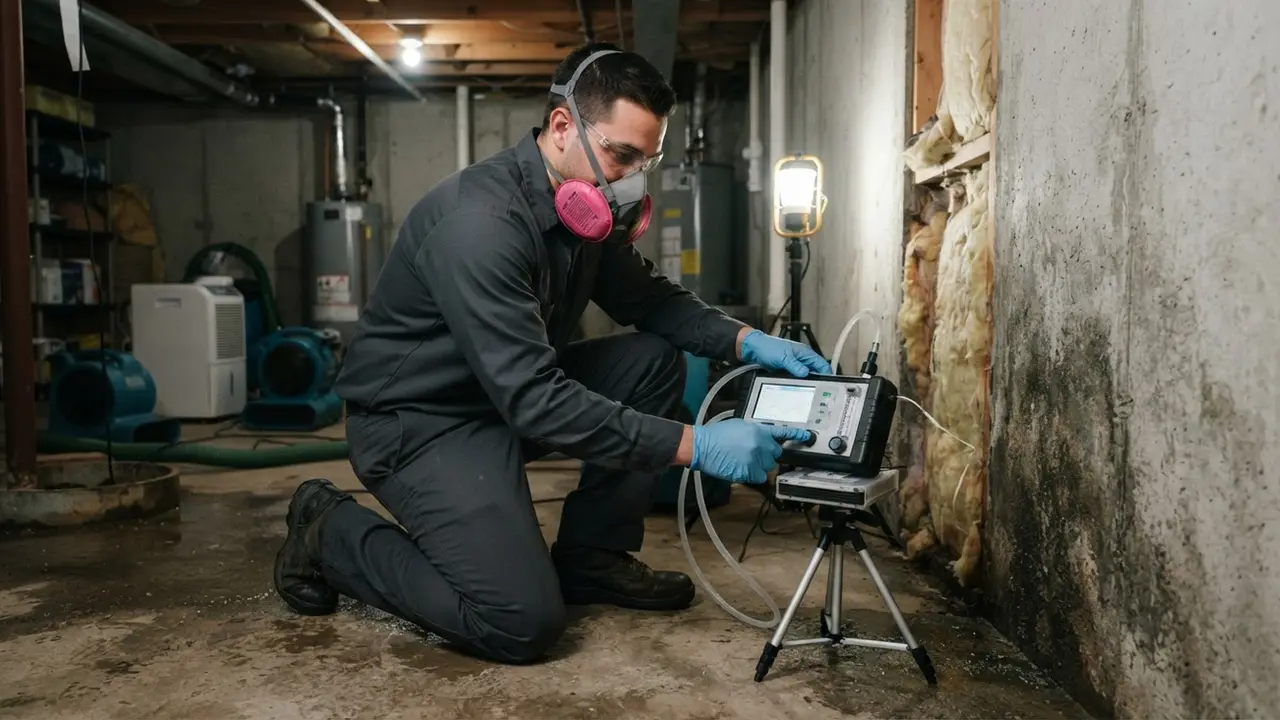
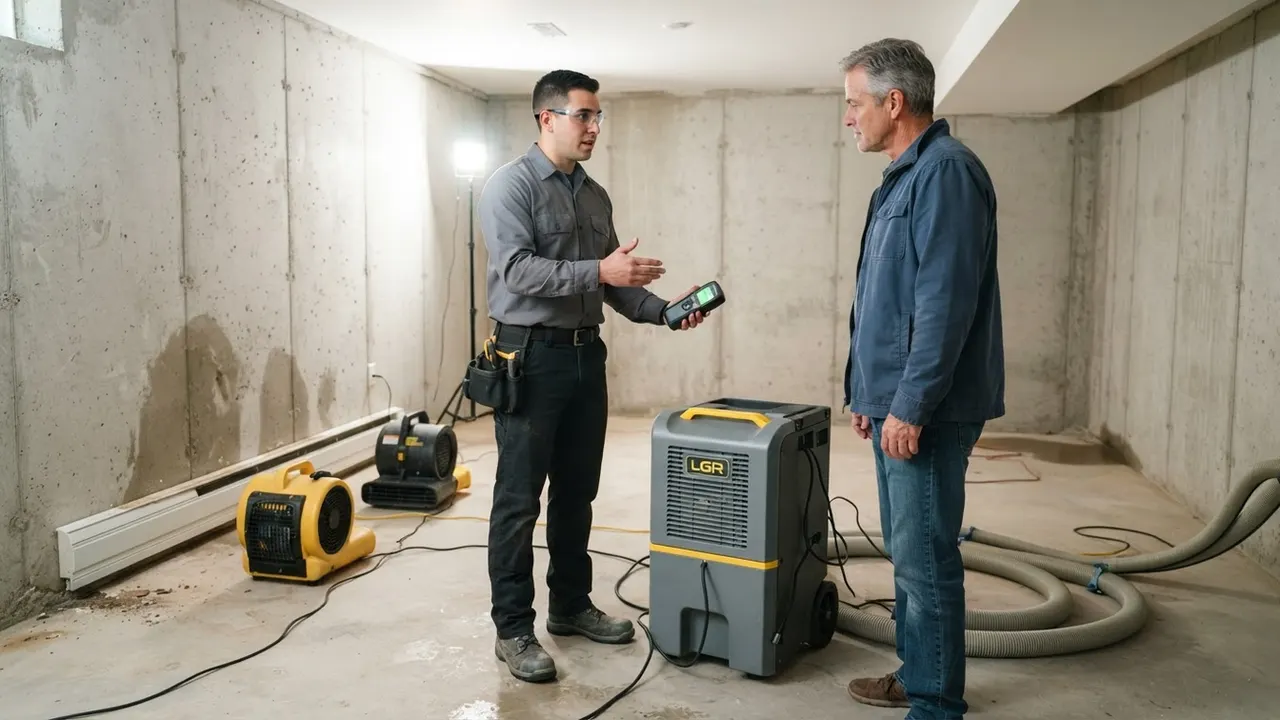
Our technician checks accessible HVAC components, drain lines, nearby drywall, and insulation for visible growth or moisture. We use a Moisture meter and infrared thermometer to guide the inspection, then document relevant observations. The visit usually takes about 45 to 90 minutes, depending on system access and the number of affected areas.
Inspect
Measure
Document
Isolate the Work Area
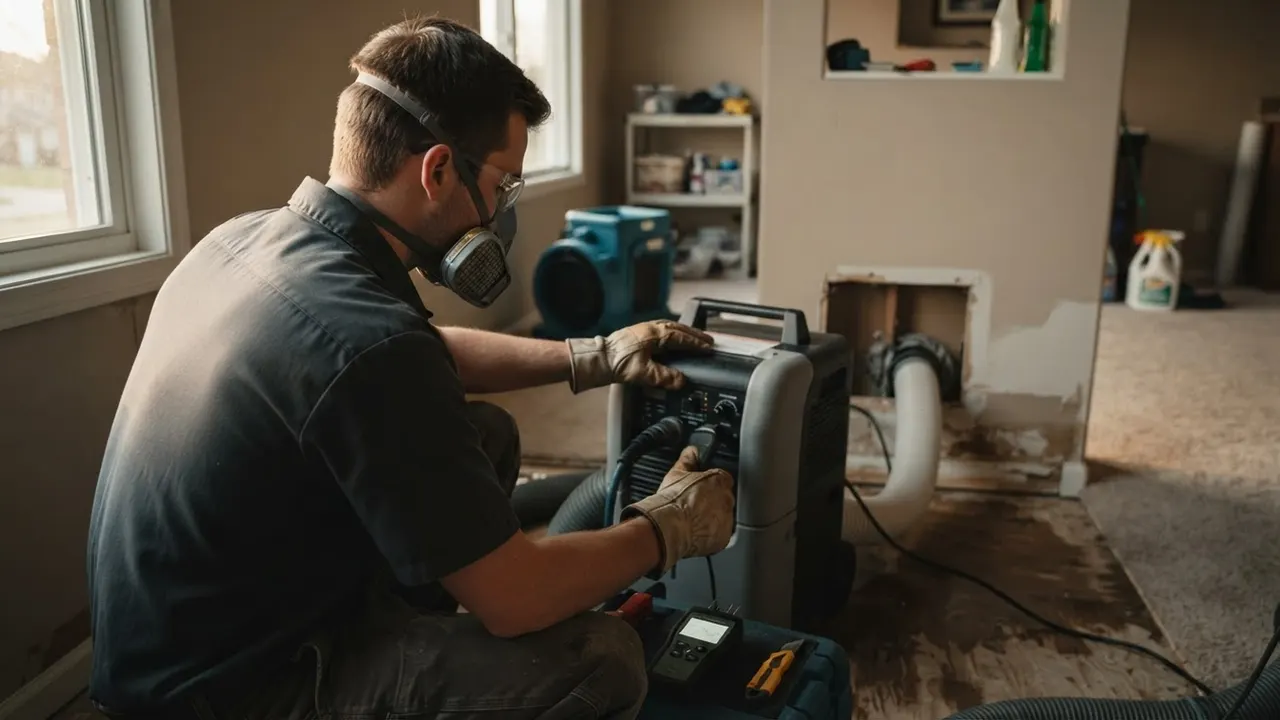
Before disturbing contaminated material, we protect nearby furnishings and establish a controlled work zone. Plastic sheeting and an air scrubber or negative air machine may be used when the conditions call for added containment. We explain which doors or rooms need to stay clear and how long the equipment will remain in place.
Protect
Isolate
Prepare
Clean or Remove Materials
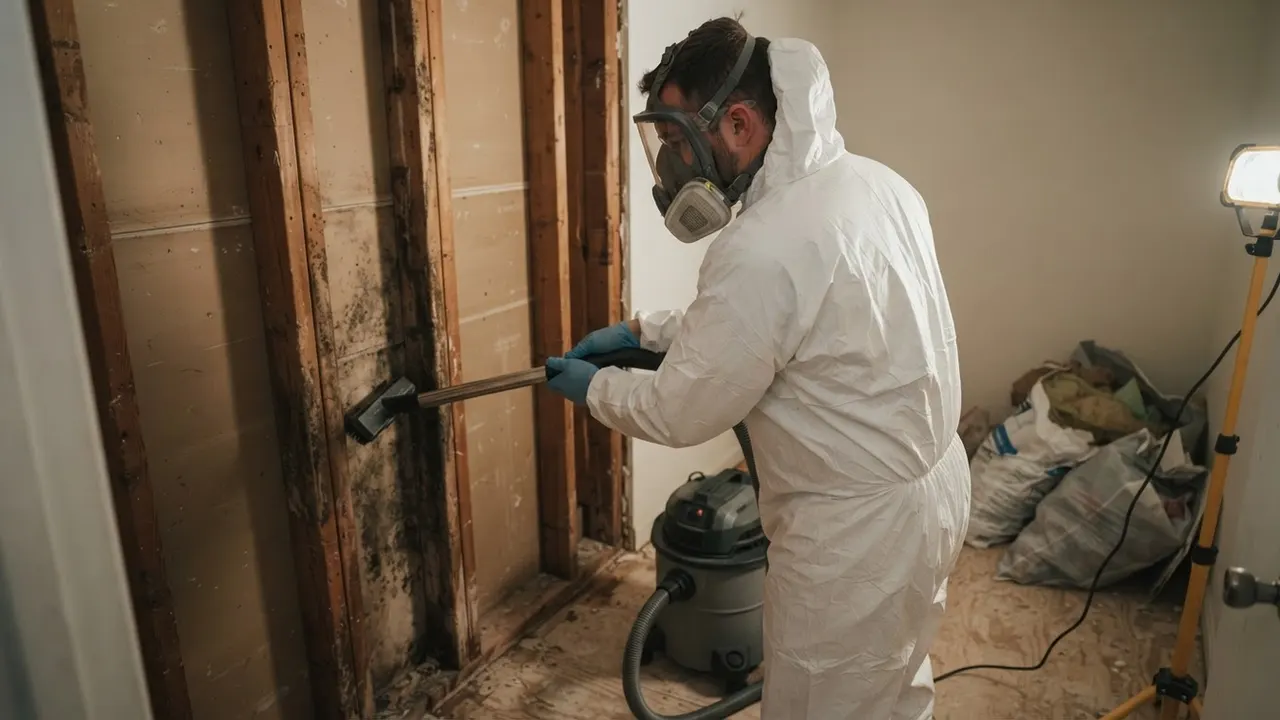
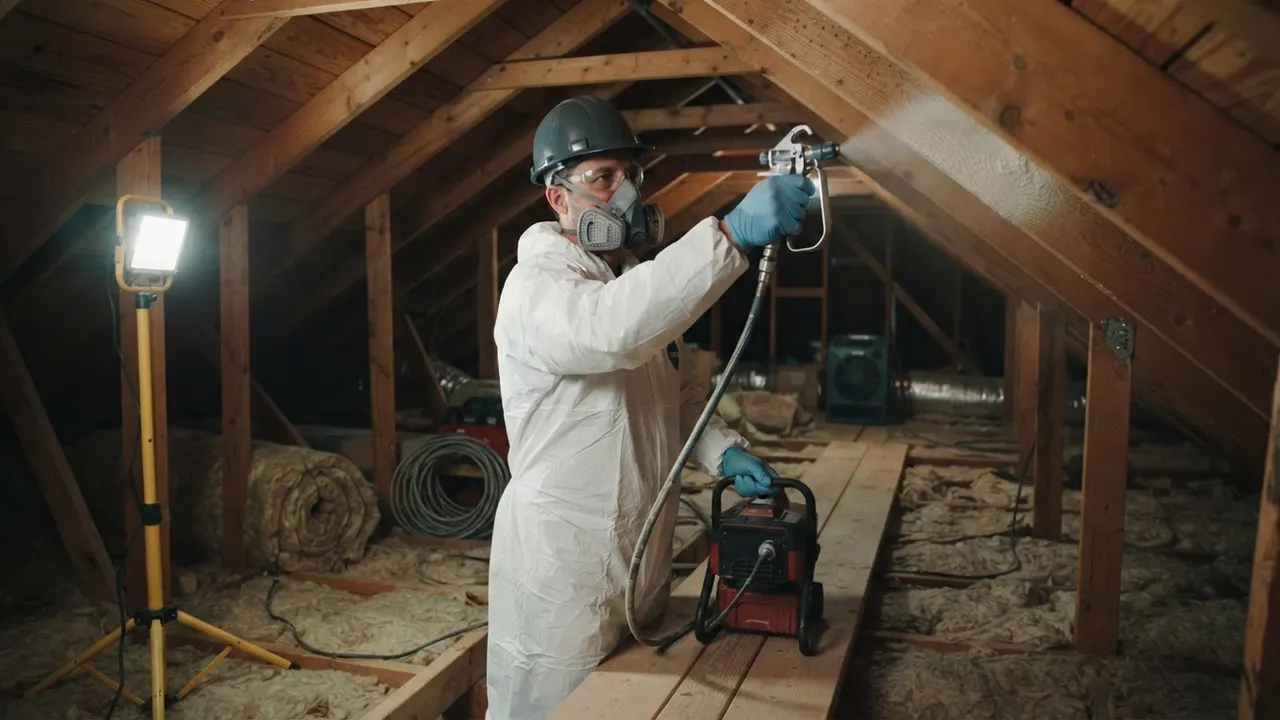
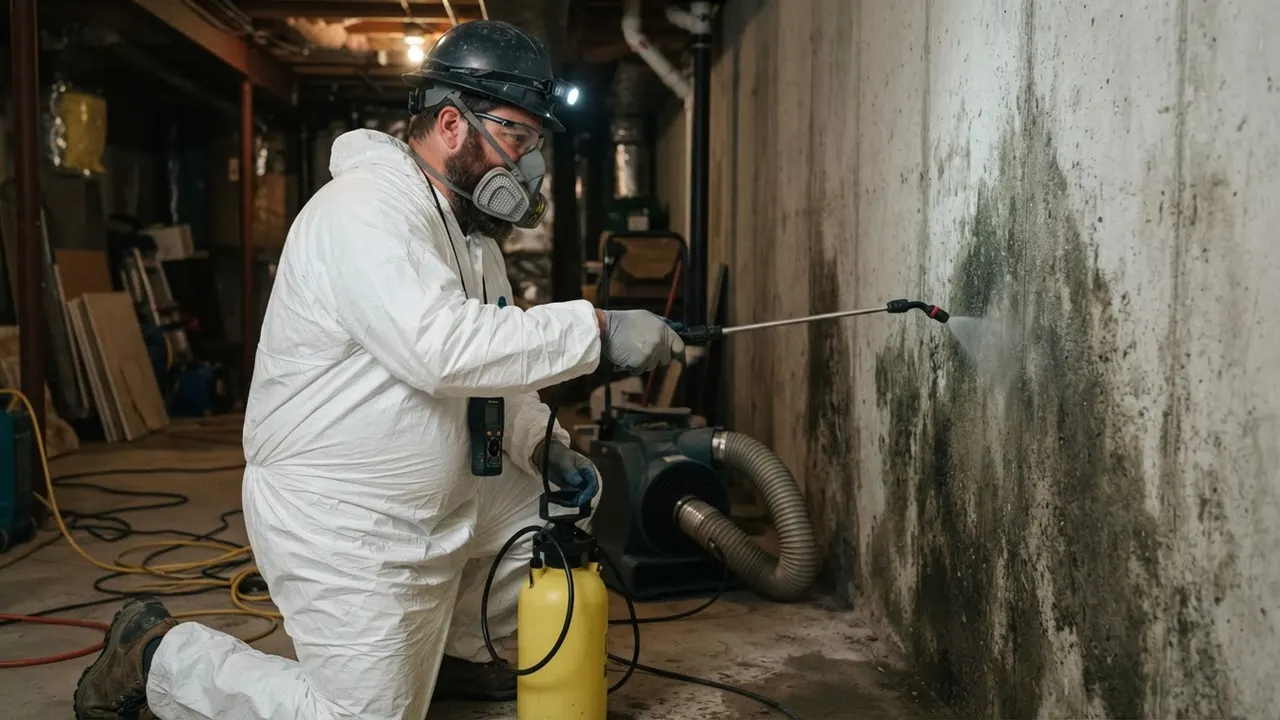
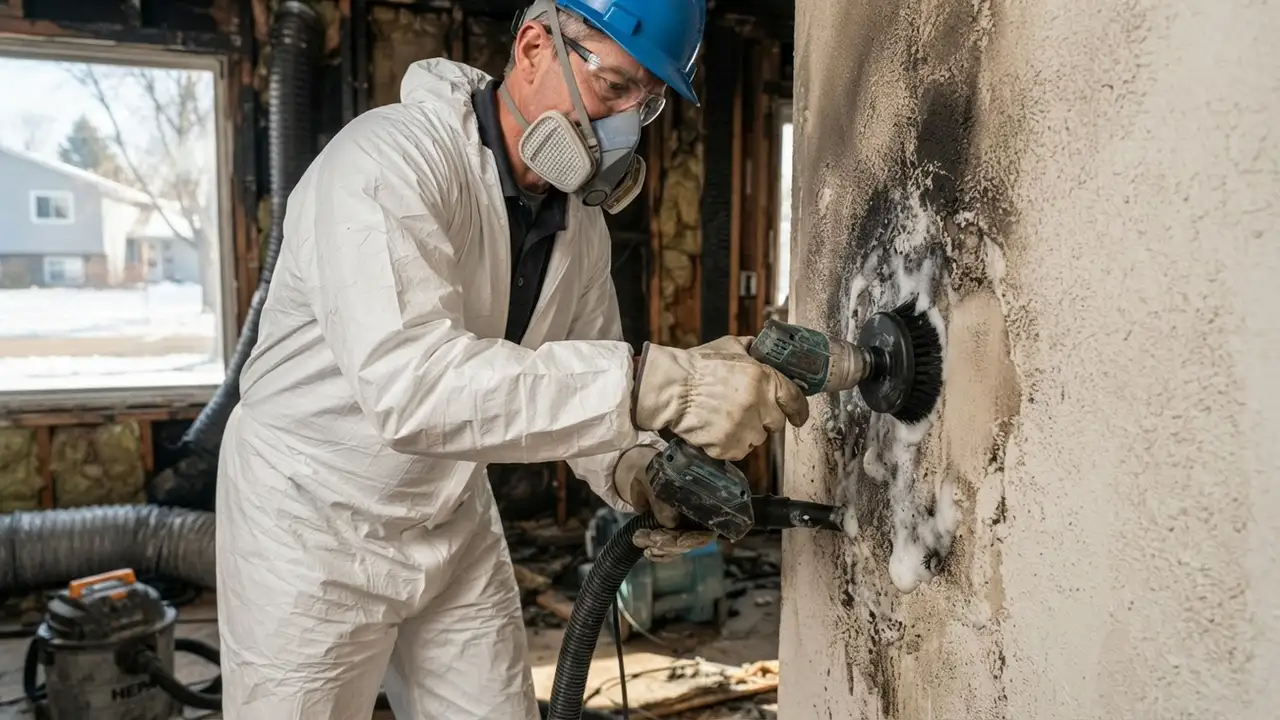
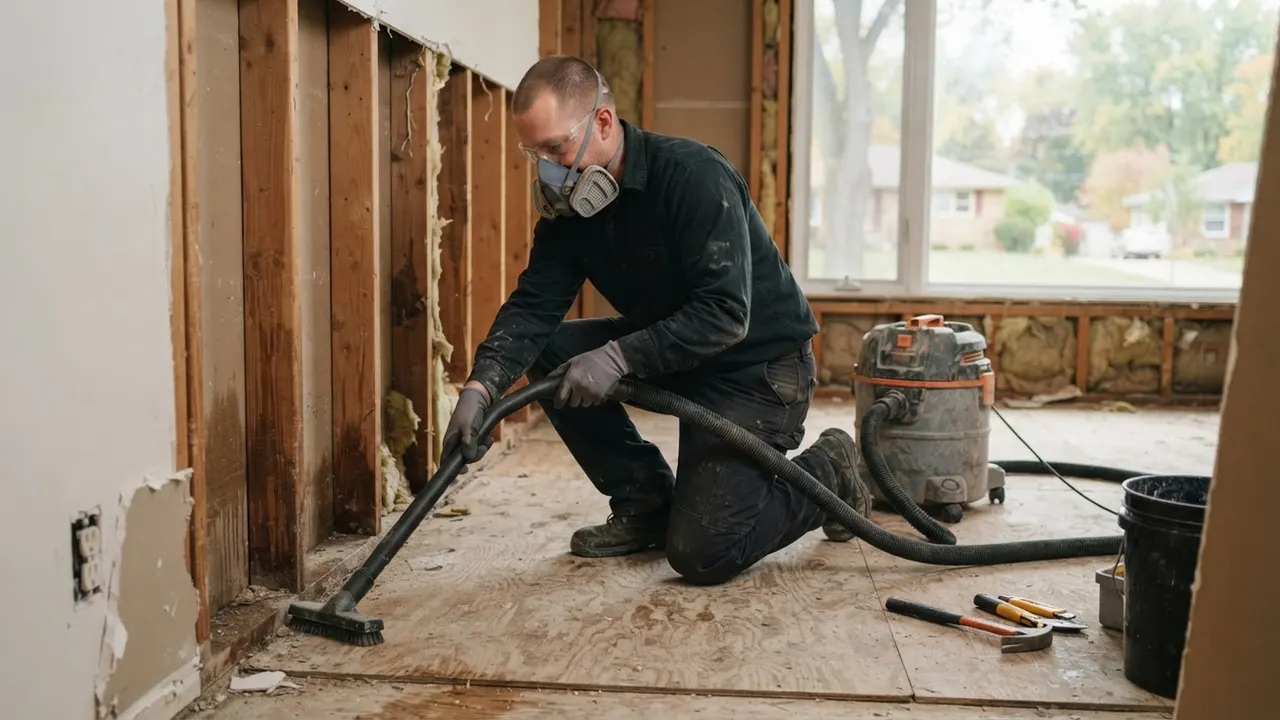
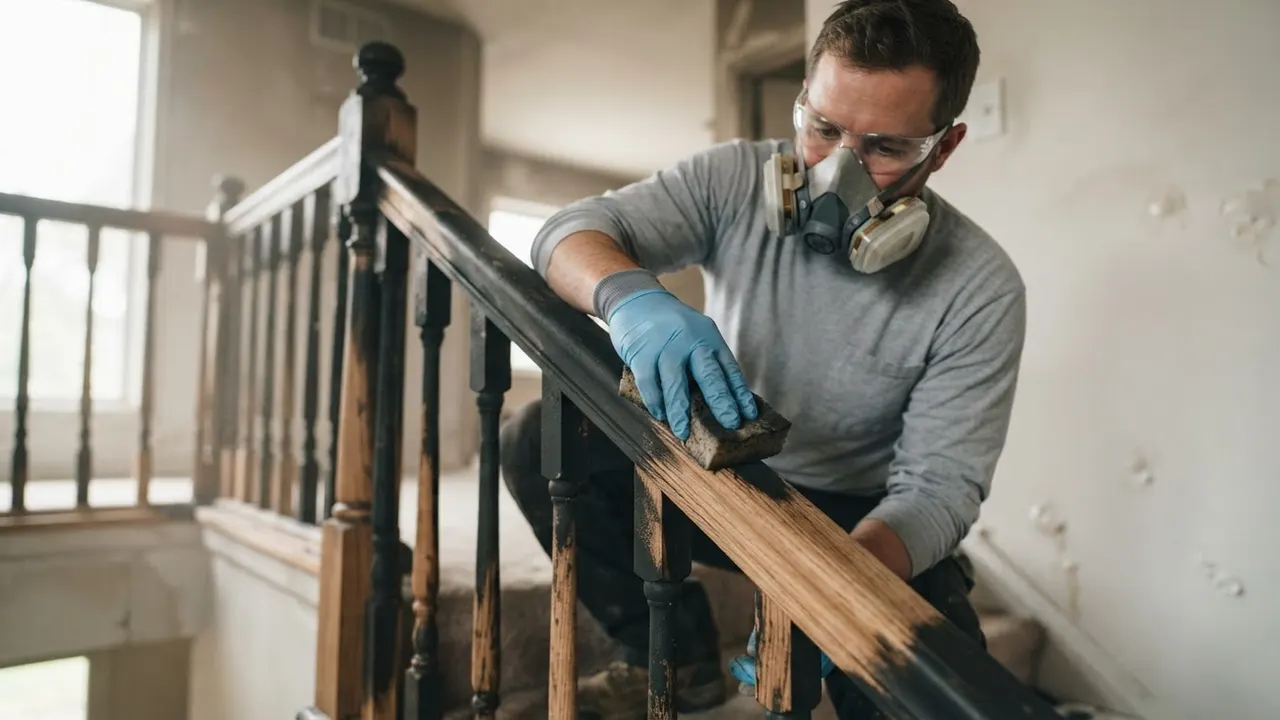
We clean suitable nonporous components and remove materials that cannot be effectively restored, such as heavily contaminated porous insulation. A HEPA vacuum captures settled debris, and an appropriate antimicrobial spray may be applied to compatible surfaces. The selected process depends on the material, access, extent of growth, and moisture source.
Clean
Remove
Capture
Verify and Explain
We revisit the treated areas, check moisture conditions, confirm that equipment and access panels are left in usable order, and review photographs with you. If drying or a building repair remains, we explain the next action and how it connects to the HVAC work. You leave knowing what was treated and what needs monitoring.
Recheck
Review
Follow-up
Tools and Cleanup Methods
Move across a circle, or focus it and press Enter, for an illustrative thermal view of the photograph.
Thermal Imaging Camera
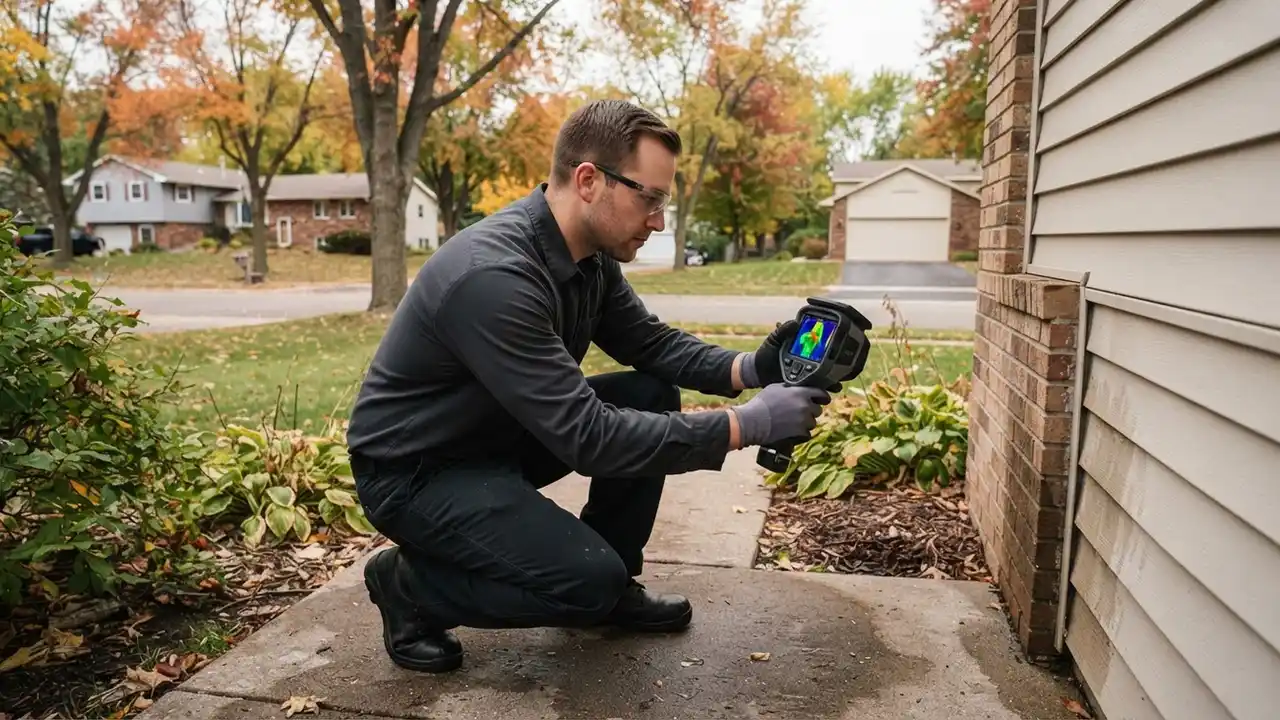
We use thermal patterns to guide inspection around duct routes, ceilings, and mechanical closets. It helps locate areas that need direct moisture checks; it does not identify mold by itself.
Moisture Meter
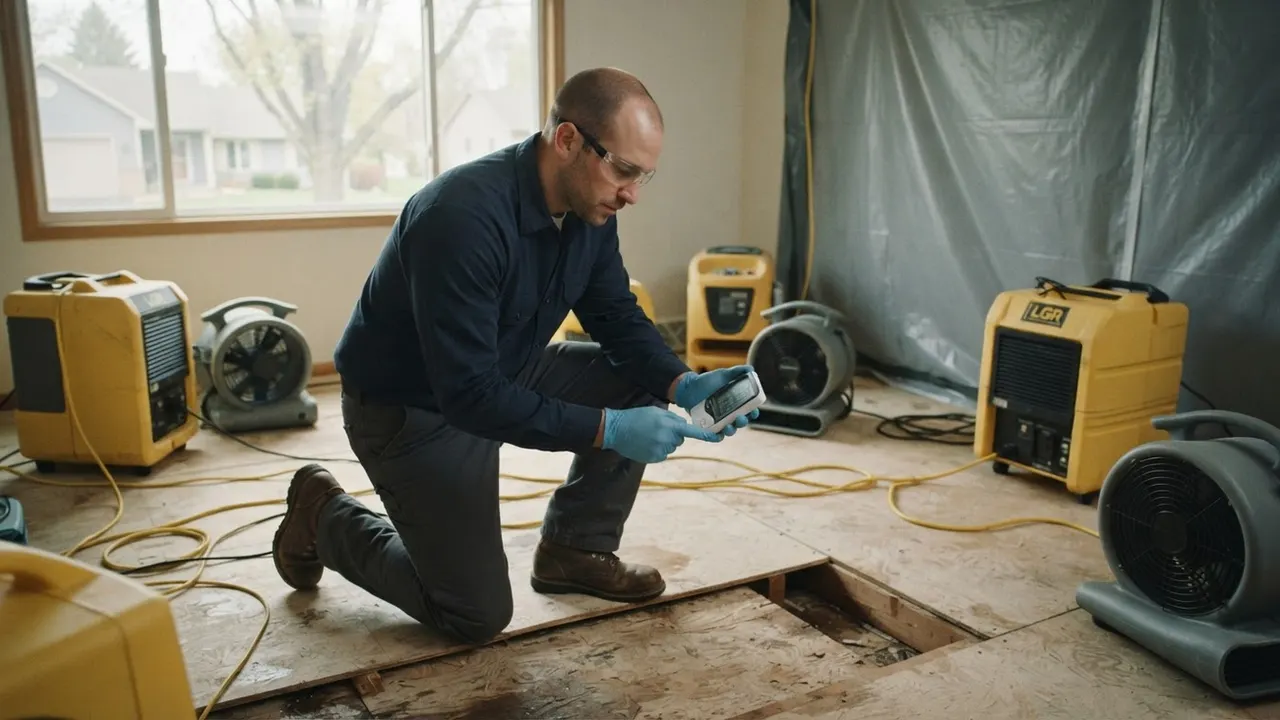
A moisture meter checks accessible building materials such as drywall and wood near HVAC equipment. Readings help us decide where to extend inspection and whether drying is still needed.
HEPA Vacuum
HEPA filtration captures fine debris during cleanup of compatible HVAC surfaces and the work zone. We use it as part of controlled removal, not as a substitute for correcting moisture.
Negative Air Machine
When the work area calls for containment, negative air helps direct airflow into filtration rather than toward occupied rooms. Setup depends on access, contamination extent, and building layout.
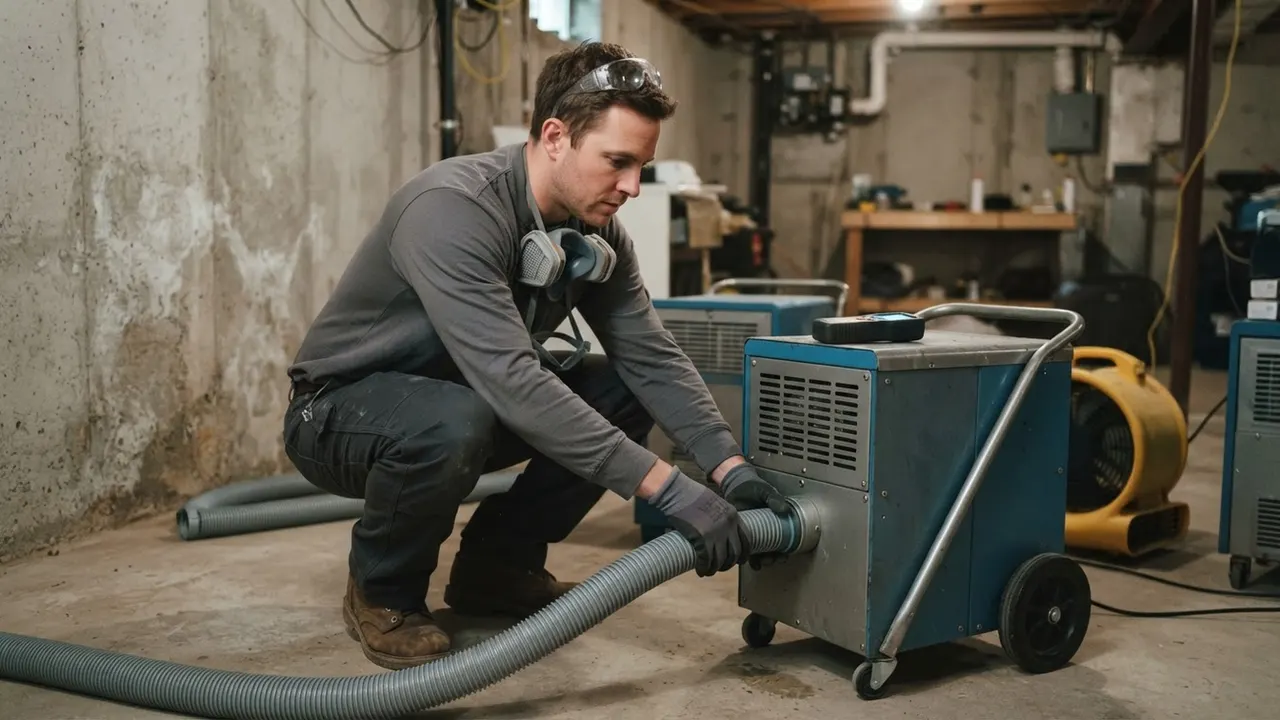
Dri-Eaz Dehumidifier
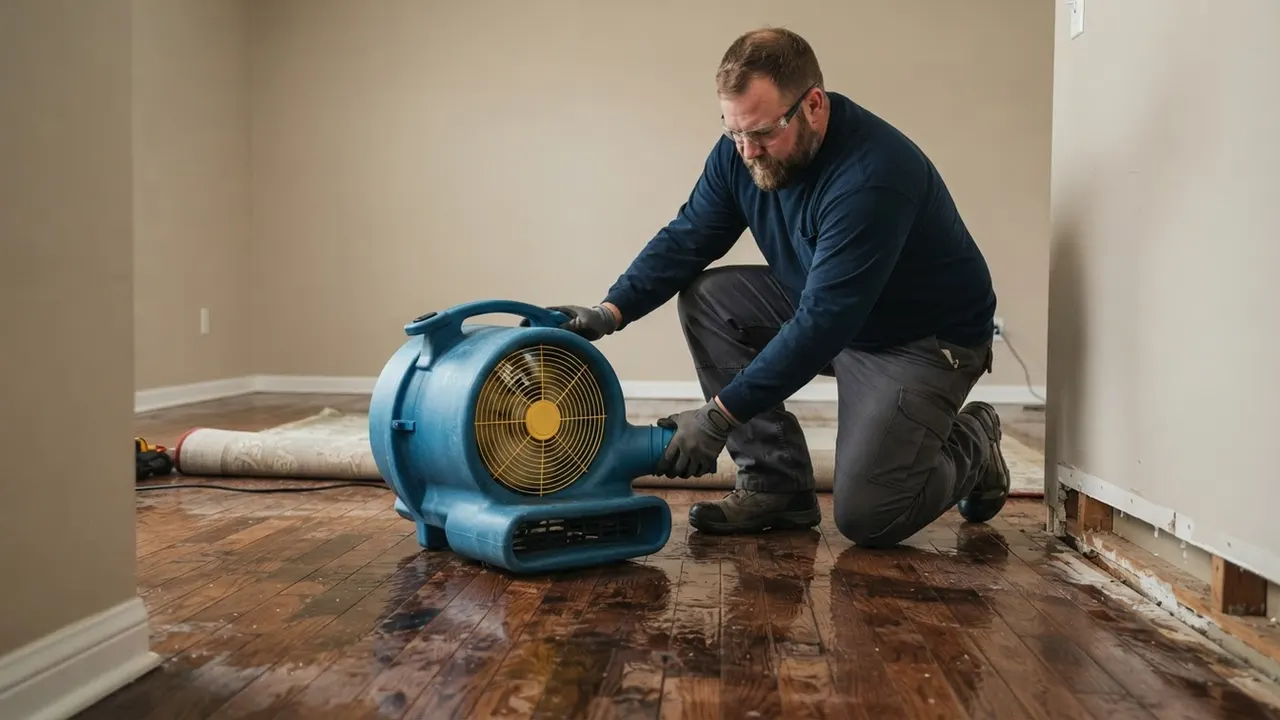
A dehumidifier supports drying after a leak or condensation event. We place it where moisture readings and airflow conditions show it can help dry surrounding materials.
Thermal views are illustrative, generated from the photographs.
Methods
Source-first moisture assessment
We map the visible issue to likely water sources, including a condensate line, roof leak, pipe burst, or damp basement. Moisture readings and direct inspection guide the boundary of the work. Cleaning begins after the source is understood, so the treatment plan addresses why growth developed.
Contained surface cleaning
We protect nearby rooms and use HEPA capture while cleaning accessible, compatible HVAC surfaces. The method is selected for the surface and residue; porous materials that cannot be restored are removed instead. We avoid using fogging as a substitute for physical cleaning or moisture correction.
Restoration drying principles
When water damage is involved, we apply water-restoration practices informed by IICRC WRT principles. Air movers and dehumidification support drying, while repeat readings help evaluate progress. The goal is to reduce moisture in affected building materials before repairs conceal them.
Material-specific remediation
The remediation plan distinguishes metal, hard plastic, drywall, and fibrous insulation because they respond differently to cleaning. We remove unsalvageable porous material, clean suitable hard surfaces, and identify building repairs that fall outside HVAC cleaning. The approach keeps treatment tied to the actual material.
When to Call for HVAC Cleanup
Basement Odor
A Hopkins homeowner notices a musty smell each time the furnace starts after a damp basement leak.
We inspect the return path, mechanical closet, and nearby basement materials, then determine whether moisture reached the HVAC components. If the leak remains active, we address water removal and drying before cleaning. Containment protects the nearby living area while affected surfaces are treated.
Outcome: You learn whether the smell comes from the system or the surrounding structure and receive a clear sequence for cleanup and moisture correction.
Roof Leak
A Blake Road property manager finds dark spotting around several grilles after a roof leak wet the upper floor.
We compare the affected rooms, inspect accessible duct openings and nearby insulation, and document the extent of visible moisture damage. The team separates HVAC cleaning from roof and ceiling repairs, then coordinates containment and removal so tenants are not exposed to loose debris.
Outcome: The manager gets a defined treatment area, records for maintenance planning, and an identified path for roof repair and follow-up drying.
Business Return
A small business near Mainstreet Hopkins reports recurring odor from a ceiling return after a condensate drain backed up.
We inspect the return area, drain route, and accessible air-handler components, then protect work areas around staff and equipment. We clean compatible surfaces and identify wet ceiling material for removal or drying. If operation needs to pause, we explain the affected zone and expected work sequence.
Outcome: The business can plan around a contained work area and address the drain issue before odor and moisture damage spread further.
Pipe Leak
A homeowner in Shady Oak sees moisture on a furnace cabinet after a cold-weather pipe leak.
We check the cabinet exterior, nearby insulation, floor, and accessible duct joints for moisture or visible contamination. After the plumbing leak is stopped, we dry affected building materials and clean suitable HVAC surfaces. We flag any equipment damage that needs an HVAC technician.
Outcome: You get a practical separation of water damage, mold cleanup, and equipment repair, with the wet source addressed before the system is put back into regular use.
Downtown HopkinsBlake RoadShady Oak
How HVAC Mold Removal Works in Hopkins
Hopkins winters bring long heating cycles, closed windows, and cold surfaces where indoor moisture can condense; summer humidity adds another load to cooling systems. When an air handler sits in a basement or a duct passes through an attic or crawl space, a small leak can affect insulation before you see a stain.
Our team checks the system and the surrounding structure rather than assuming the duct is the only source. For Hopkins Minnesota HVAC mold remediation, we plan access around the equipment, protect occupied rooms, and consider whether nearby drywall or insulation needs drying or removal.
If you need same day HVAC mold removal Hopkins MN after an active leak, call and describe the water source, system type, and rooms affected. We also serve Hennepin County properties in ZIP codes 55343 and 55305, including older homes with tight mechanical closets and commercial spaces with ceiling returns.
Downtown Hopkins: Older properties and compact mechanical spaces can limit access to air handlers. We plan inspection around service panels and nearby stored items.
Blake Road: Homes and commercial buildings may have varied duct layouts. We check the affected room and connected return path rather than assuming every run needs treatment.
Shady Oak: After a basement leak, we inspect low duct routes and mechanical closets for damp insulation, water marks, and lingering moisture.
Interlachen: Seasonal condensation and roof-related moisture can affect attic ductwork. We look at the water pathway before deciding how much HVAC cleaning is needed.
Cold-weather condensation around air handlers and uninsulated duct sections: Cold metal surfaces can collect moisture when warm indoor air reaches them. We inspect adjoining insulation and framing, then distinguish condensation from an active plumbing leak before setting the cleanup boundary.
Spring thaw or heavy rain introducing water near basements: Water can reach low return ducts, furnace platforms, or nearby stored materials. We address standing water and wet building components first, then determine whether HVAC surfaces or insulation also need remediation.
We walk through the odor locations and inspect accessible HVAC components.
We protect nearby surfaces and set up the work area.
We review treated locations, photographs, and remaining next steps.
From Problem to Finished Result.
IllustrativeThe thermal view is generated from the photograph. It is not a measurement. Drag the handle, or use the arrow keys once it is focused.
Basement Return Odor
Before: A homeowner noticed a musty smell from the first-floor return after a basement appliance leak. The floor had been wiped dry, but insulation beside the return chase remained damp and the odor returned whenever the furnace ran. No one had checked the duct opening or the wall cavity.
After: We traced moisture to the return chase, removed damaged porous material, and cleaned compatible surfaces under containment. The affected area was dried and rechecked before the work zone came down. The homeowner received photographs and a summary identifying the repaired leak path and the HVAC surfaces treated.
Keep the condensate route clear, replace filters on the system schedule, and check the mechanical area after any leak. If a musty odor returns, note whether it starts with heating or cooling and call for an inspection.
Condensation at Air Handler
Before: A small commercial suite near Mainstreet reported dark residue near the air-handler access panel and water collecting beneath the unit. Staff had wiped the cabinet, but condensation continued and the ceiling return carried a stale smell during cooling cycles.
After: We inspected the drain pan and accessible return, cleaned compatible components, and identified the persistent drainage issue for HVAC repair. Moisture around the unit was reduced through drying, and the affected ceiling area was checked for material damage. The property manager received a photo record and clear follow-up notes.
Have the condensate line and pan checked during routine HVAC service. After heavy cooling use, look for water beneath the unit and report recurring dampness before it reaches ceiling materials.
Attic Leak and Duct Insulation
Before: After a roof leak in Interlachen, a homeowner found a ceiling stain and noticed an earthy smell from an upstairs vent. The visible stain was small, but attic insulation around the duct was wet and the roof entry point had not been corrected.
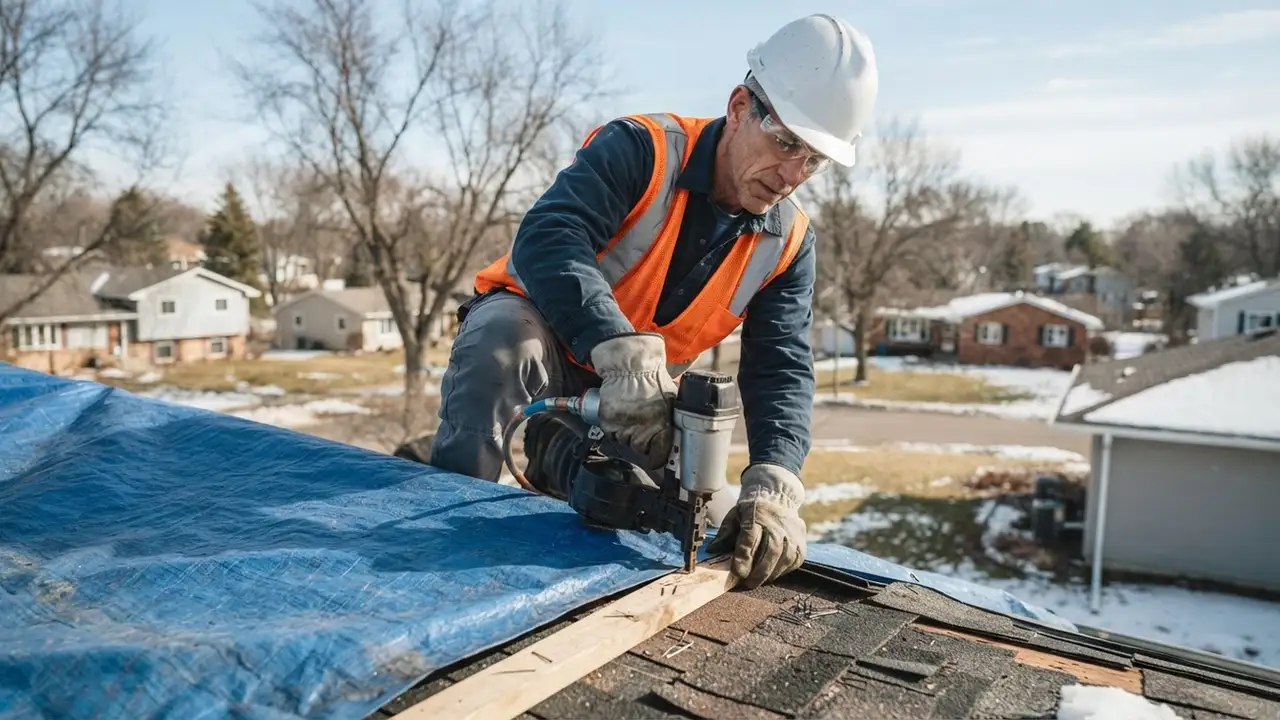
After: We documented the damp insulation, separated damaged material from clean areas, and cleaned accessible hard duct surfaces. The roof leak was addressed before the final drying check, preventing new water from entering the work area. The homeowner received a record of affected materials and the remaining repair sequence.
Check attic areas after significant rain or snowmelt, especially around roof penetrations. Replace wet insulation only after the entry point is repaired, and watch for renewed odor at the connected supply vents.
Solve HVAC Mold Growth Causes
HVAC mold problems often begin with water, not the blower itself. Our team checks what is wet, how air moves through the affected area, and whether the source is still active. That approach helps you avoid a surface-only cleanup and gives you a practical route from inspection to repair.
Recurring odorMusty odor returns whenever heating or cooling startsThe odor can signal damp or contaminated material near the air handler or return path, and continued operation may spread loose debris into occupied rooms. We trace the odor to accessible components, inspect nearby materials, and check for moisture around the coil and drain pan. After locating the affected area, we contain the work, clean compatible surfaces, and identify any porous material that needs removal. We also explain whether the drain route or another leak needs correction.
Vent spottingVisible growth appears around a supply vent or filter slotGrowth at a grille may reflect condensation, dirty surfaces, or a larger hidden moisture issue, so wiping the visible spot can leave the source untouched. We inspect the grille, duct opening, filter area, and adjacent drywall to see whether growth extends beyond the surface. The cleanup method follows the material and extent, with HEPA capture and containment used when needed. If moisture is present, we track the source before recommending a return to normal operation.
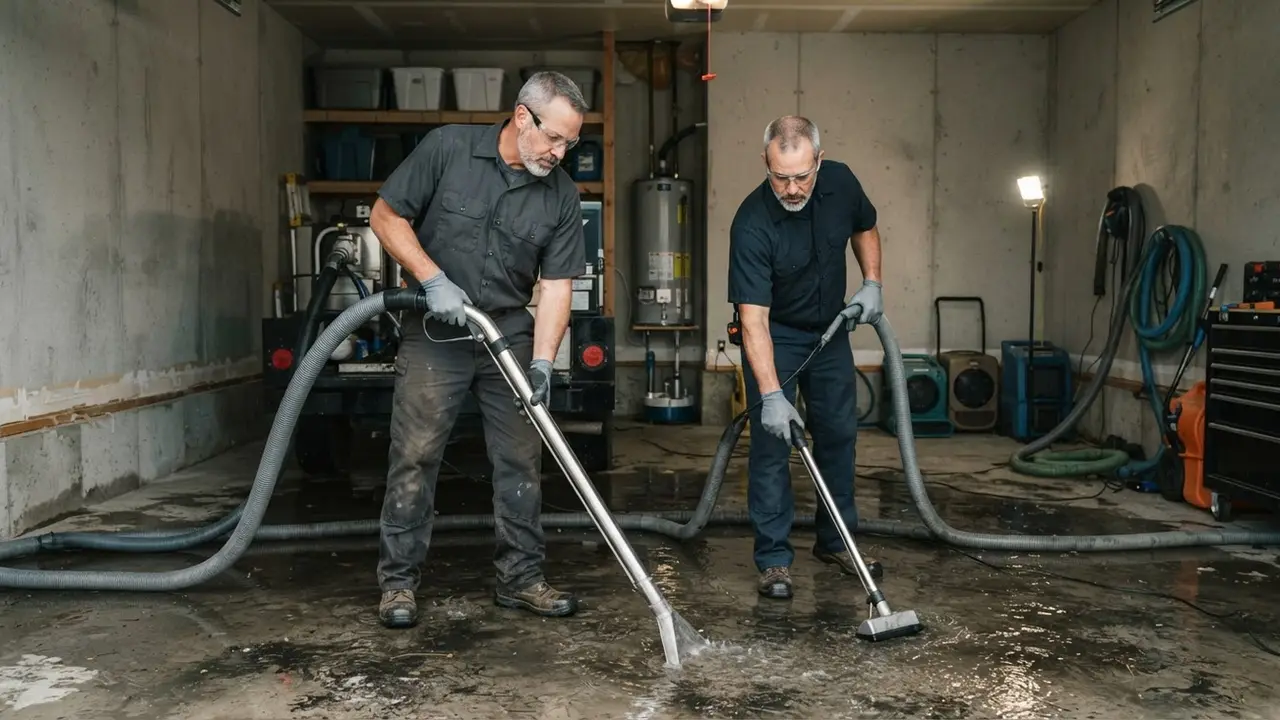
Wet insulationA leak has soaked duct insulation or the mechanical closetWet porous insulation can hold moisture after nearby surfaces look dry, allowing contamination to continue and damaging the surrounding structure. We identify the leak-related path, remove standing water if present, and assess the insulation and nearby drywall. Materials that cannot be restored are removed; remaining areas are dried and monitored. We coordinate HVAC cleanup with water damage work so the cleaned system is not re-exposed to wet materials.
CondensationCondensation keeps collecting beneath the air handlerRepeated water at the unit can damage flooring and drywall and create conditions for mold growth, even if no duct interior looks visibly affected. We inspect the drain pan, condensate route, surrounding surfaces, and moisture pattern. Our team cleans affected areas and documents materials that need drying or repair. If the equipment has a mechanical fault, we identify the issue for HVAC service rather than treating the symptom as a mold-only problem.
Cleaner Components, Controlled Work
Cleaner components and corrected moisture help protect the system and surrounding materials.
Trace the Moisture Source
We inspect around the coil, drain pan, condensate route, and nearby building materials before cleaning. A thermal imaging camera can help locate temperature patterns associated with dampness, while direct moisture readings confirm where follow-up is needed. This helps separate an HVAC issue from a roof leak, slab leak, or basement flooding event and avoids treating only the visible symptom.
Contain Dust and Debris
Plastic sheeting, controlled work practices, and a HEPA vacuum help limit the spread of particles during removal and cleaning. For air duct mold removal Hopkins MN, the accessible duct system is evaluated rather than assumed to be contaminated throughout. We explain which sections require attention and keep work areas orderly so you can understand what was addressed.
Protect HVAC Performance
Residue on a coil, blower housing, or drain pan can interfere with airflow and drainage. We clean compatible components using methods suited to the material, then check that the condensate route is clear and filters are seated correctly. The result is a system that can move air without carrying loose debris from the treated area.
Plan the Next Step
If inspection finds wet drywall, damaged insulation, or a continuing plumbing leak, we explain the related repair path instead of treating the HVAC system in isolation. Our notes and photographs help you coordinate HVAC work with structural drying or mold remediation, reducing the chance of paying for repeated cleaning after moisture returns.
What You Receive
Clear records you can keep and share.
Photo Log
Images of accessible affected and treated locations.
Work Summary
A record of cleanup steps completed.
Moisture Notes
Relevant observations from inspected materials.
Follow-Up List
Remaining repairs or drying actions discussed.
Cleaning Versus Material Removal
Hard surfaces and porous materials respond differently; the material and moisture source guide the treatment.
Hard Surfaces
Compatible metal and plastic parts can often be cleaned.
Air-handler surfaces
Accessible duct interiors
Drain pan areas
Porous Materials
Damaged insulation or drywall may require removal.
Wet duct insulation
Softened drywall
Contaminated porous material
Moisture Source
The cause needs attention to reduce recurrence.
Condensate drainage
Roof or pipe leaks
Basement dampness
Materials and Systems
Metal ducts
Plastic fittings
Drywall
Insulation
Drain pans
Air handlers
Filter slots
Condensate lines
Service ZIP Codes.
A list like this tells people straight away whether you cover their street. Not listed? Call and ask: it only takes a minute.
The musty smell started whenever the furnace came on. The crew inspected the filter area and drain pan, then showed me where moisture had collected near the mechanical closet. They protected the floor, cleaned the affected components, and explained what needed to be repaired. I appreciated having photos and a clear summary instead of a vague claim that the whole duct system was contaminated.
After a small pipe leak, tenants noticed an odor near a return grille. The team checked the duct access and surrounding insulation, contained the work area, and identified material that needed removal. They kept us updated on which rooms were affected and documented the cleanup. We could coordinate the remaining drying work without guessing what had already been handled.
We had condensation around the air handler and a smell that kept returning. The technician checked the drain route and nearby drywall, then explained why cleaning alone would not solve the moisture issue. The work area stayed protected, and we received notes about the treated surfaces and the next repair. That made it easier to speak with our HVAC contractor.
Frequently Asked Questions
Typical 2026 pricing in this area depends on affected square footage, access, containment needs, material removal, and moisture repairs. We inspect first and explain the work before it starts. A simple coil or drain-pan cleanup is different from removing contaminated insulation across multiple duct runs.
Odor alone cannot confirm mold, and dark dust is not automatically mold. We inspect the air handler, filter slot, drain route, and nearby materials, then document what is visible and where moisture is present.
Mold exposure can trigger allergy or asthma symptoms in some people, but symptoms have many possible causes and cannot identify a specific HVAC source. If you notice irritation that worsens when the system runs, stop disturbing suspected growth and arrange an inspection. We focus on locating moisture and affected materials; a healthcare professional can address personal health concerns.
Choose a Hopkins contractor who inspects the source, explains containment, and distinguishes cleanable surfaces from porous materials that require removal. Ask what areas will be checked and what records you will receive. Our team provides air duct mold removal and cleaning in Hopkins Minnesota by assessing accessible ductwork, the air handler, and moisture conditions before selecting a treatment.
A musty system or visible growth deserves a source-focused inspection before the next heating cycle spreads debris. Call Hopkins Water Damage Company at (833) 546-4116; our team will ask about symptoms, access, and any recent leak so we can plan the right first visit.
Call Hopkins Water Damage Company at (833) 546-4116 to describe a leak, fire, mold concern, or basement water problem. We connect you with independent companies serving Hopkins, Minnesota, including ZIP codes 55343 and 55305. Tell us the property type, affected area, and whether the source is still active so the provider can understand what help you need.