Smoke Damage Cleanup Hopkins MN for Cleaner Spaces
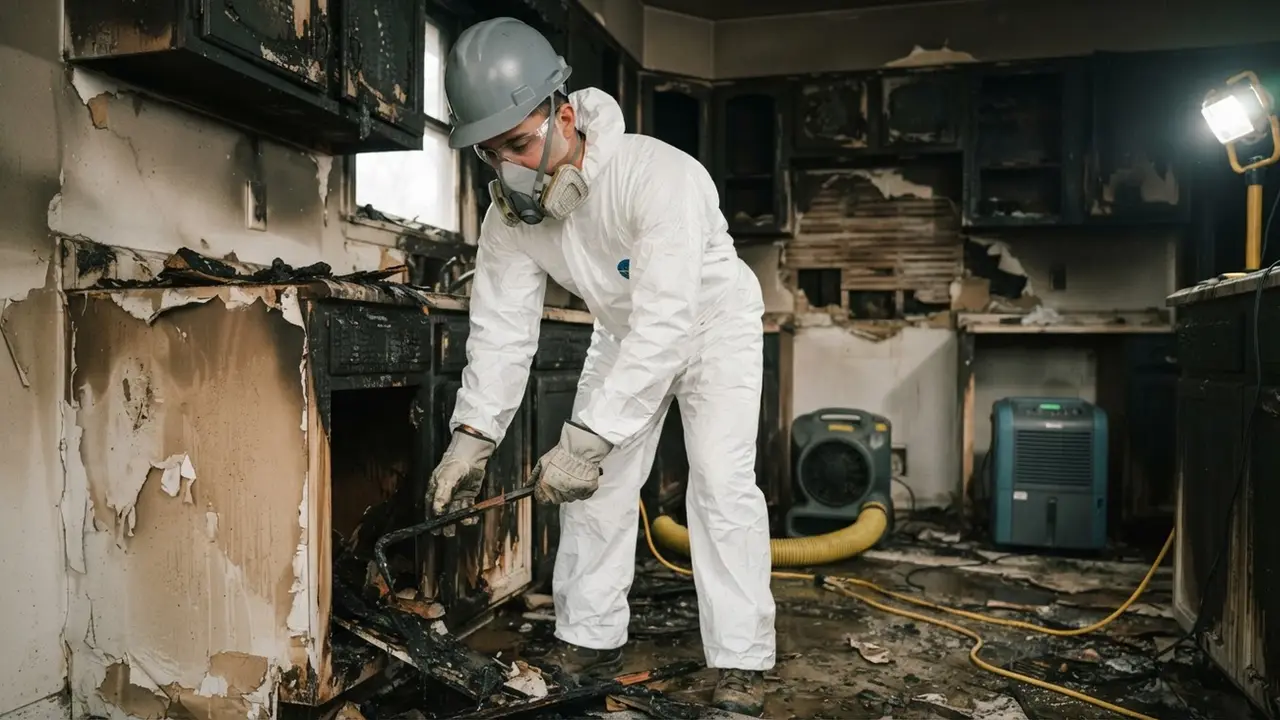
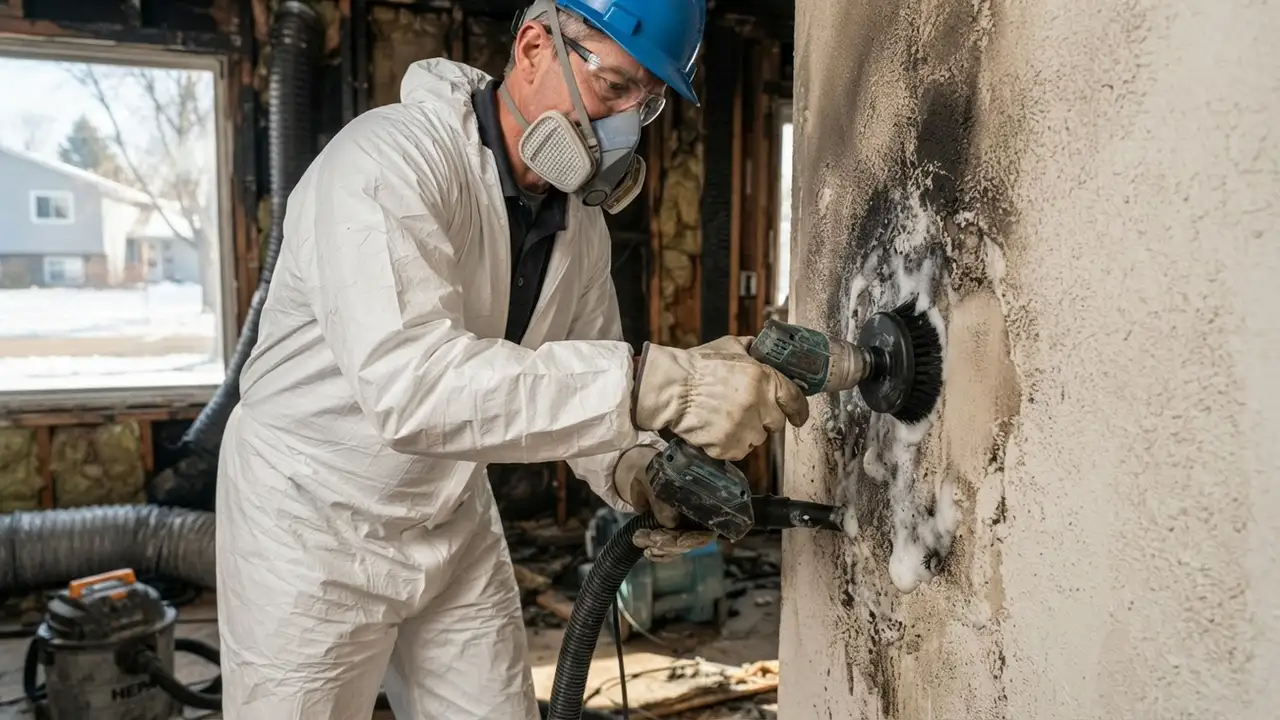
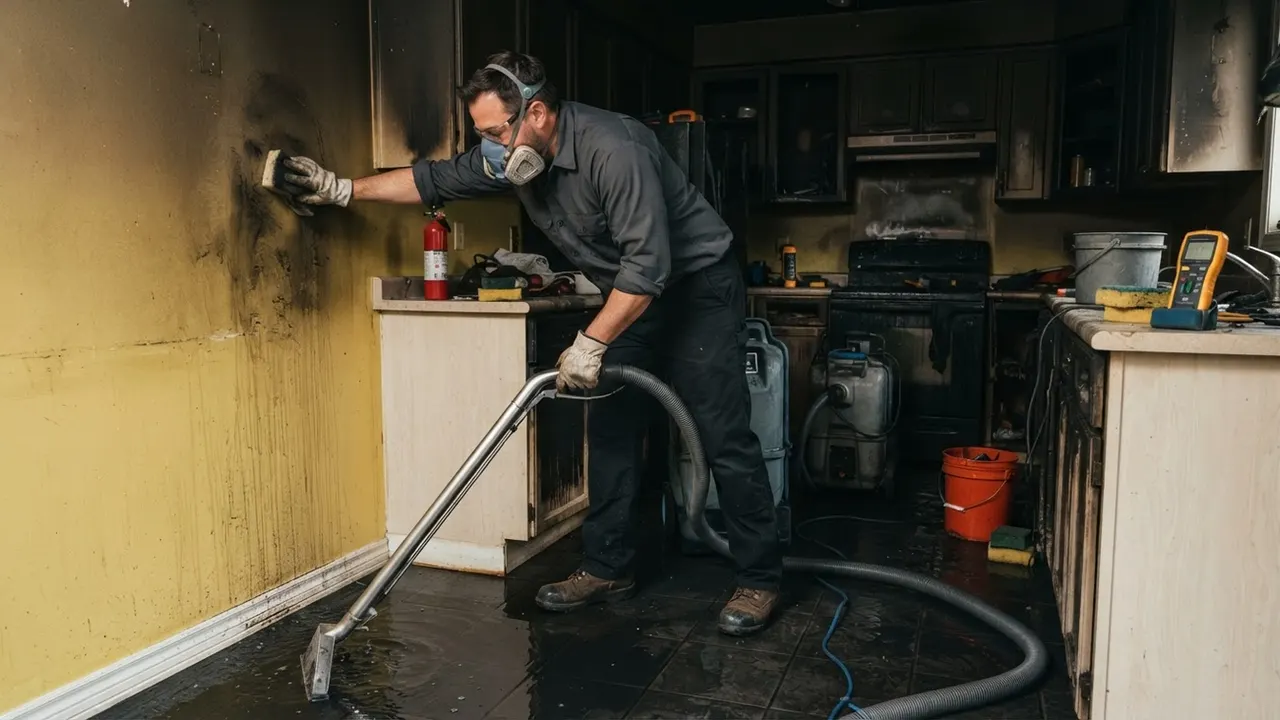
Smoke damage cleanup Hopkins MN helps homeowners, tenants, and businesses recover after a kitchen flare-up, furnace puff-back, or structure fire. Our crew identifies soot pathways, protects unaffected rooms, and cleans surfaces before residue settles deeper into finishes and belongings. We also handle smoke damage restoration Hopkins MN properties need after fire suppression leaves water behind, coordinating cleaning and drying so you can make informed decisions about the next step.
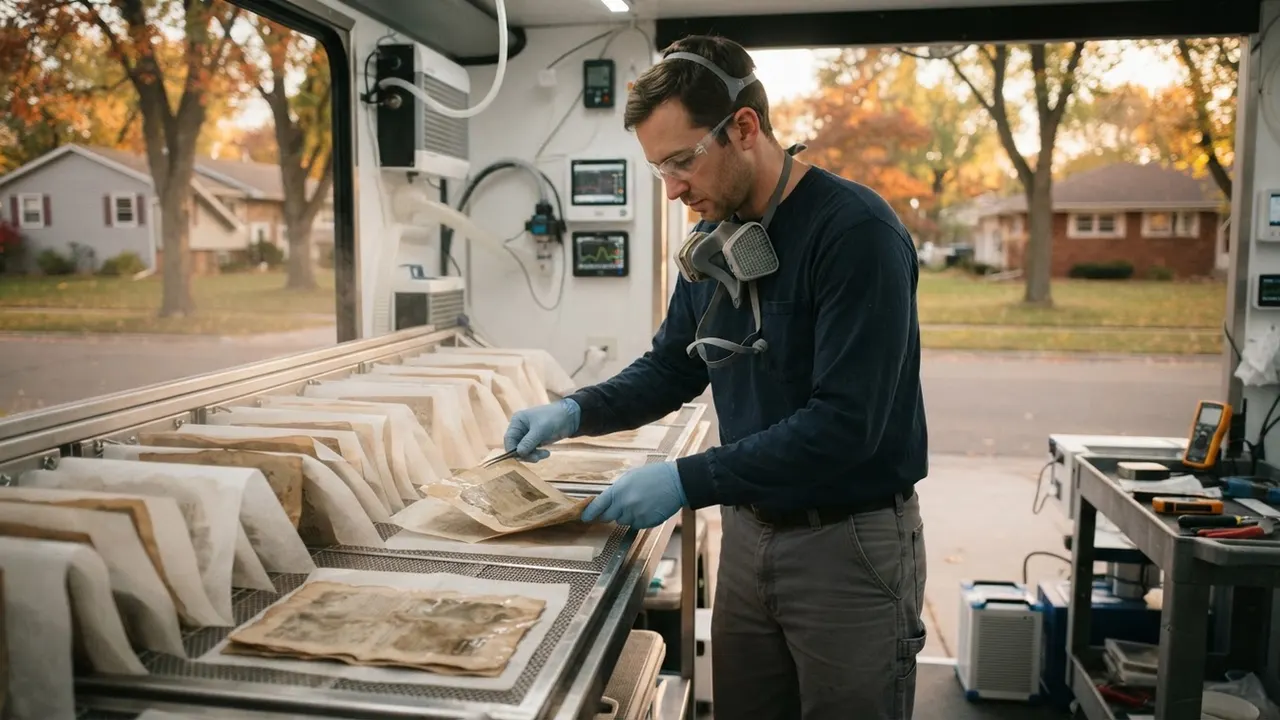
Our service covers inspection, work-area protection, soot removal, cleaning of suitable surfaces and contents, odor treatment where appropriate, and a final walkthrough. We document visible damage and identify materials that need repair or removal instead of surface cleaning. Structural reconstruction, specialty electronics work, and extensive contents restoration can require separate coordination based on the loss. You will understand what each phase addresses before the work progresses.
Residue Inspection
We inspect the fire room and adjoining spaces for soot, film, and smoke migration. Notes and photographs help track affected surfaces, contents, and odor reservoirs. We also check for water from suppression so wet materials are not overlooked during the cleaning plan.
Surface Cleaning
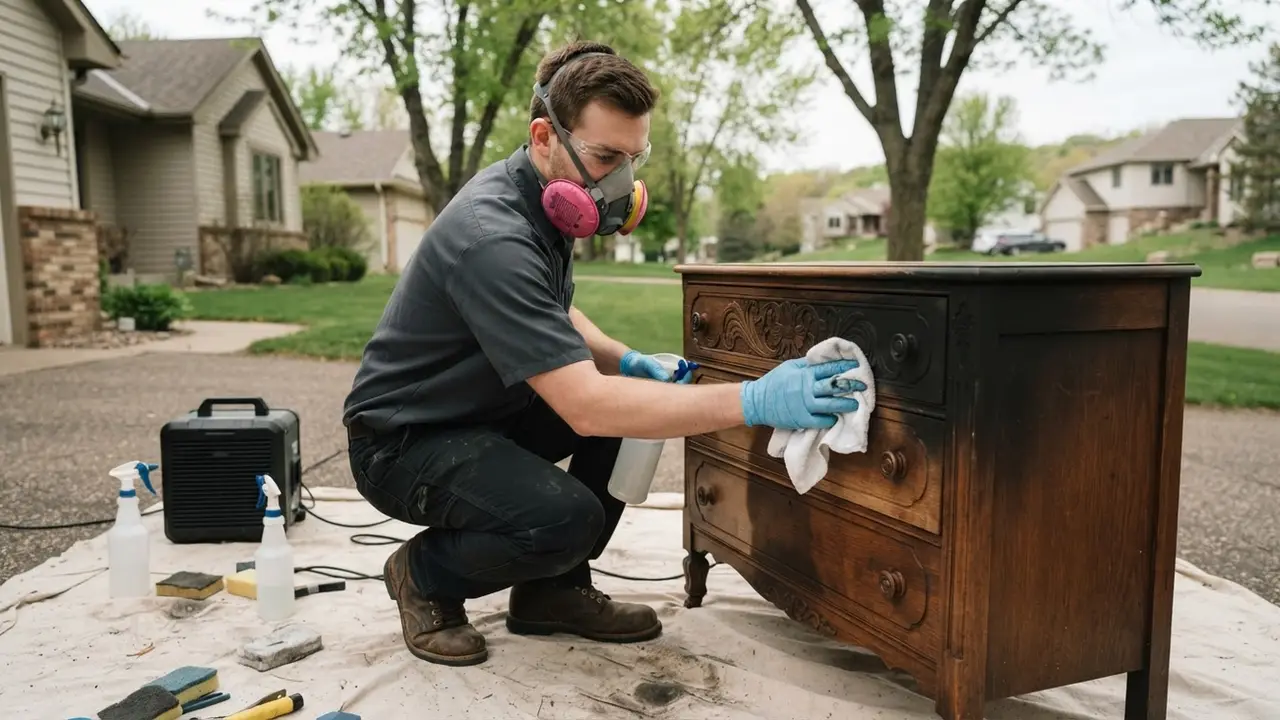
We remove loose soot first, then clean suitable walls, ceilings, trim, cabinetry, and other surfaces using methods selected for the residue and finish. A test patch helps show whether the cleaner is compatible before broader work begins.
Contents Handling
We identify furniture and household items that can be cleaned in place and separate items that need pack-out or specialist treatment. You receive a practical record of affected belongings so decisions about cleaning, repair, or replacement are easier to follow.
Odor Source Treatment
We locate odor-bearing residue before applying deodorizing methods. Treatment depends on material, access, and the cause of the smell. We do not rely on fragrance to mask smoke; cleaning the source remains the first step.
Moisture Coordination
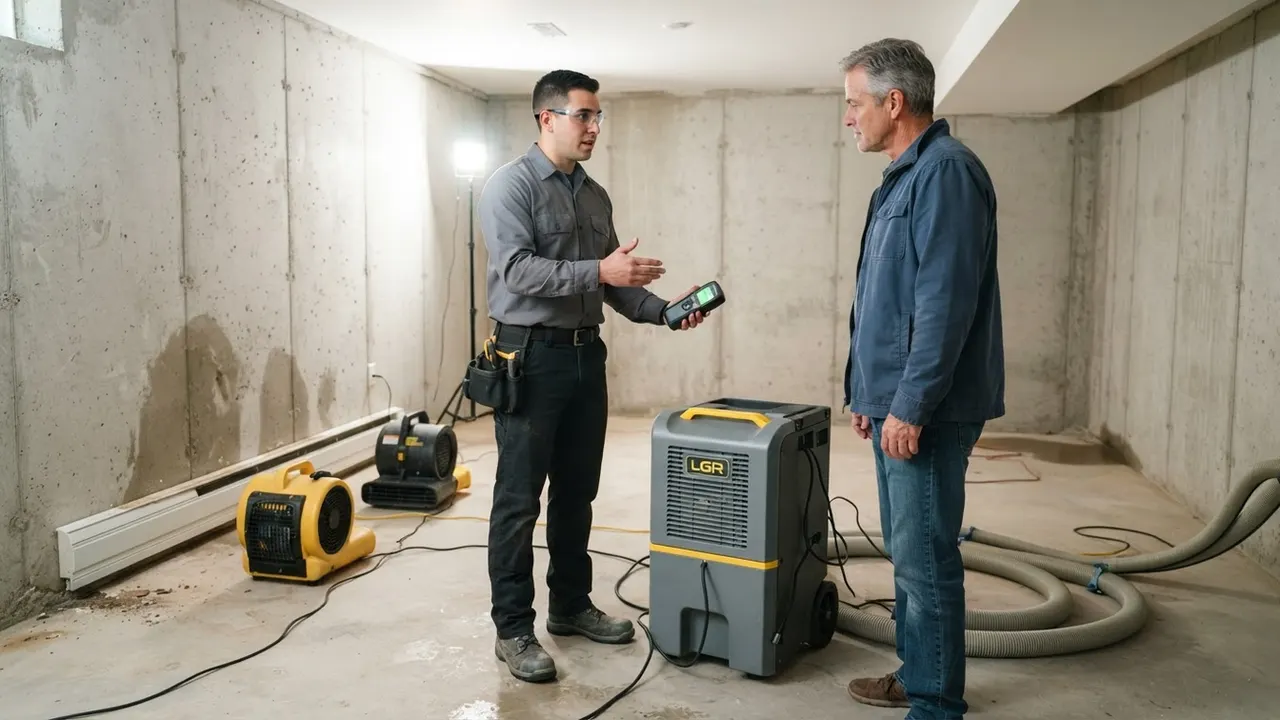
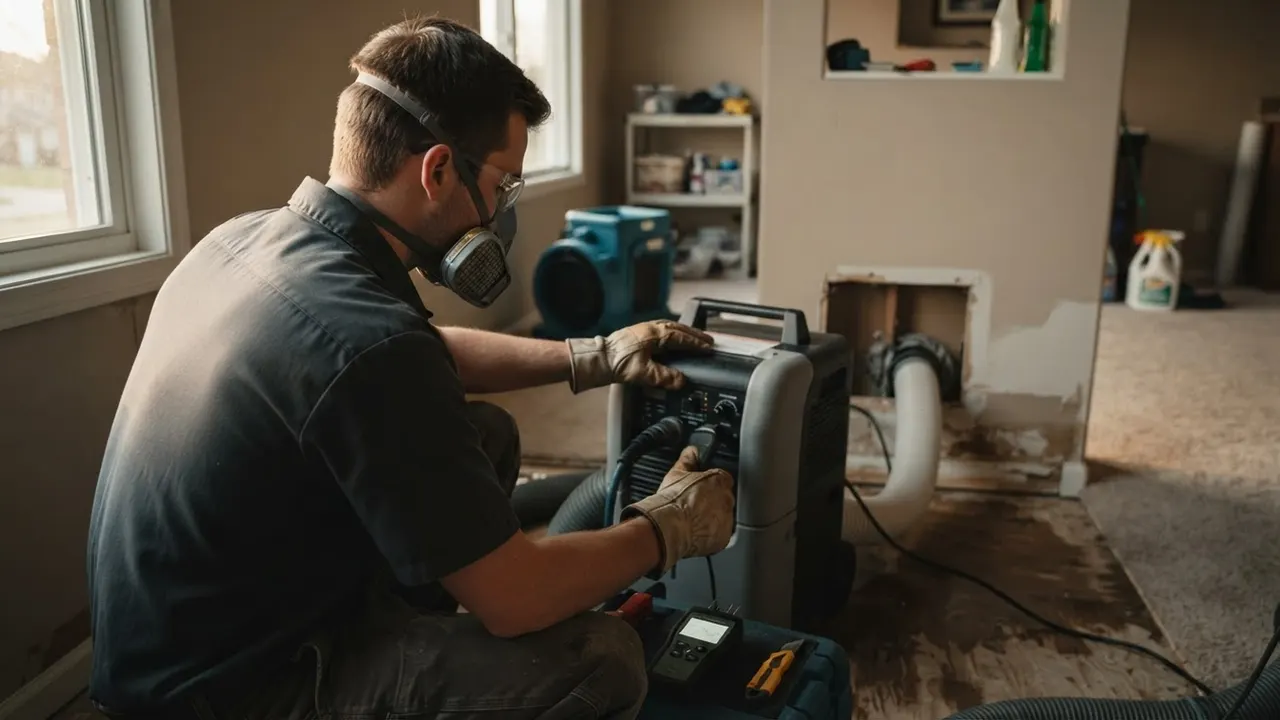
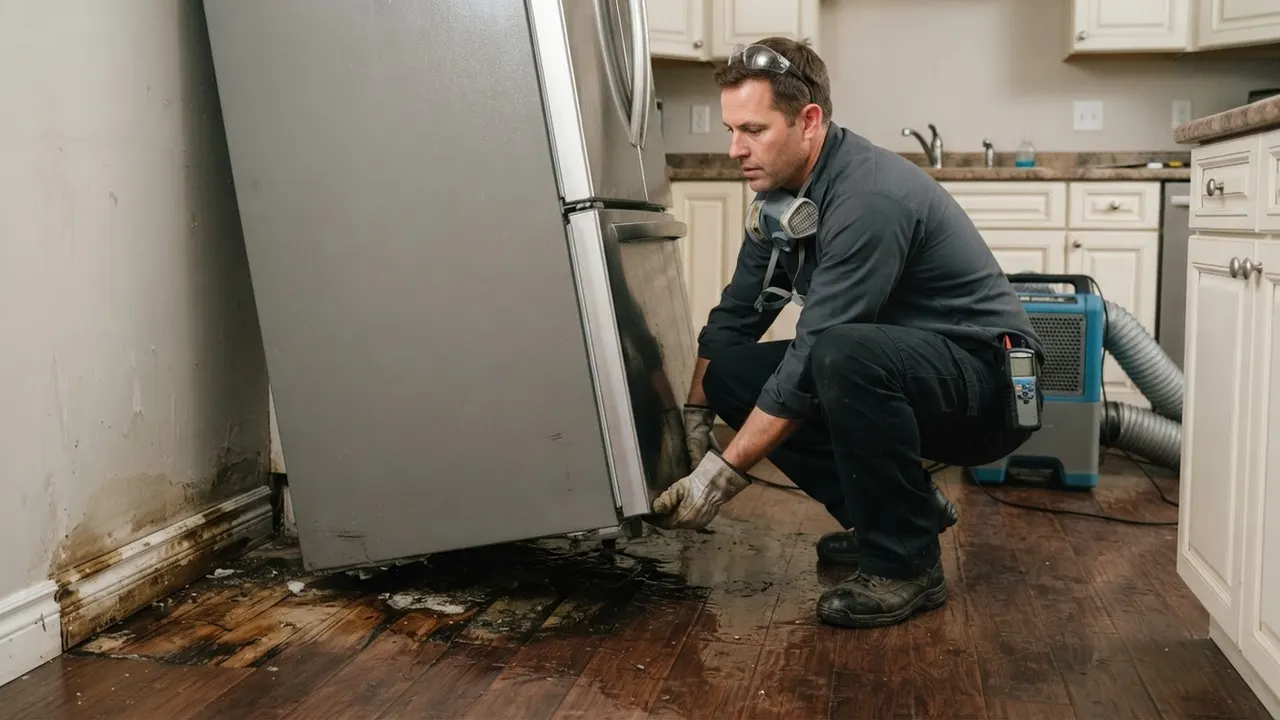
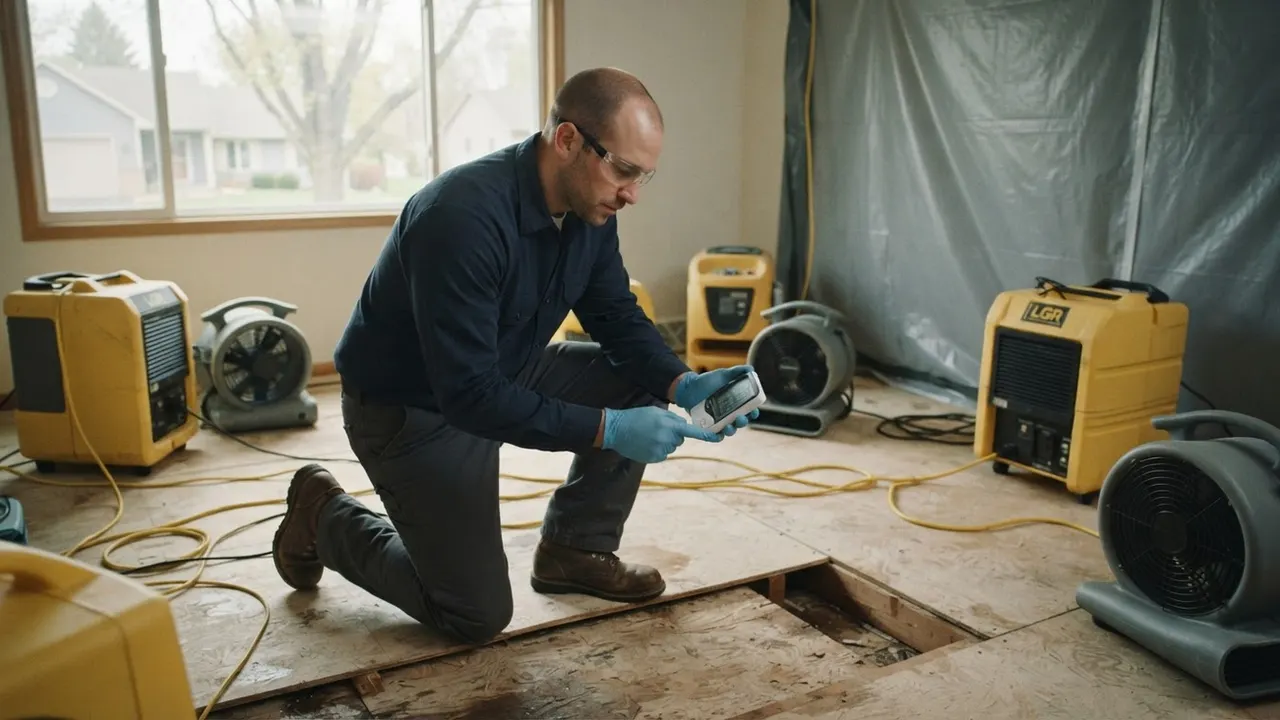
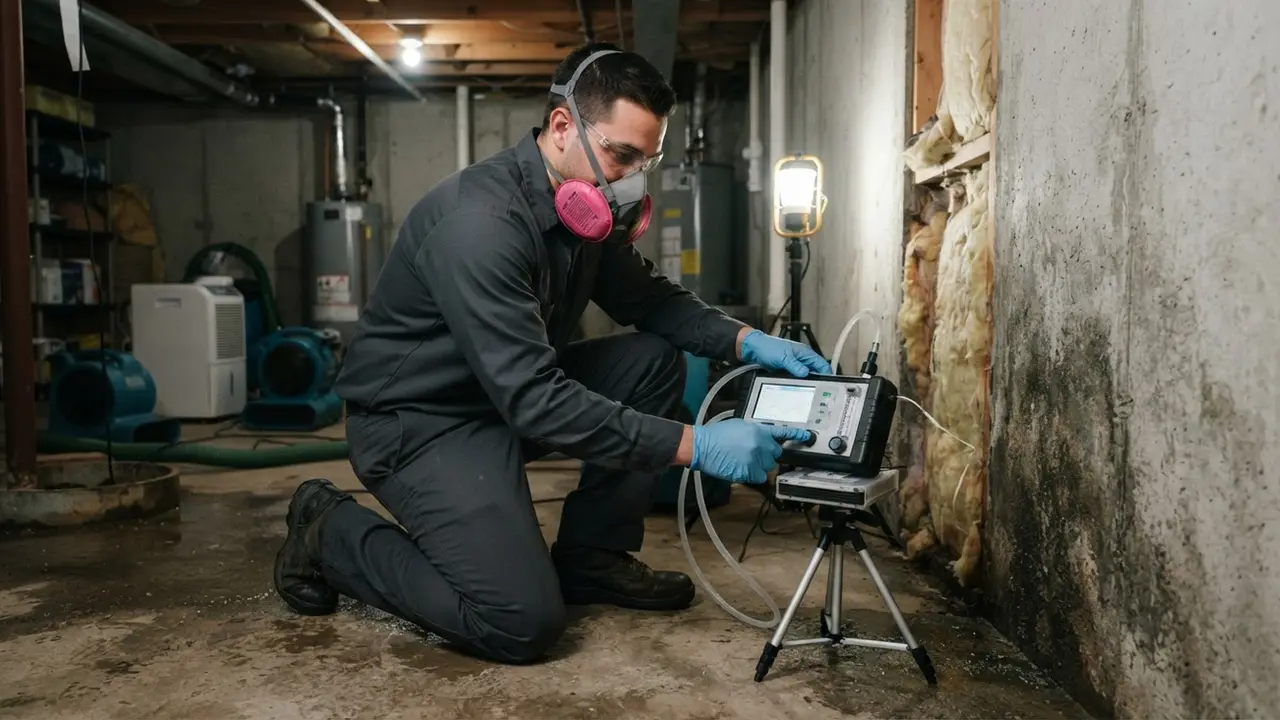
If fire suppression or a plumbing issue leaves damp materials, we check moisture and coordinate extraction or drying. A moisture meter helps track affected areas, including drywall and flooring, so repairs do not cover wet construction.
Homes and Businesses.
The approach is the same for a home and a business. What changes is the access, the schedule and who needs the paperwork.
Homes and Rentals
We protect your household items, inspect adjoining rooms, and explain which surfaces can be cleaned. You will know where work is active and what needs follow-up.
Kitchen flare-up residue
Fireplace soot on trim
Smoke odor in bedrooms
Business Properties
We map affected rooms and coordinate access with owners or managers. Our crew separates active cleaning from staff areas and records surfaces needing repair.
Electrical fire in an office
Smoke crossing a shared corridor
Suppression water near entry
Smoke Damage Cleanup Hopkins MN Explained
A plain-language look at what Smoke Damage Cleanup involves and when it is needed.
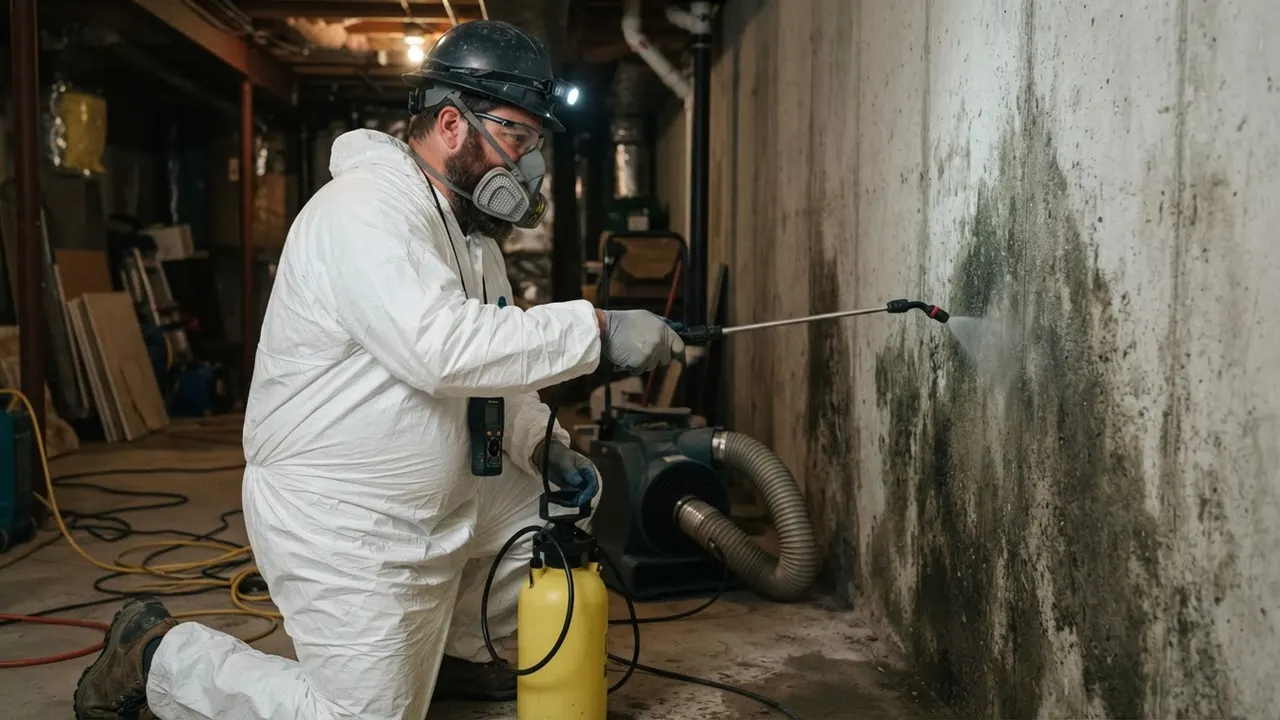
Smoke damage cleanup Hopkins MN is a specialized cleaning service that removes soot, smoke residue, and odor from a property after a fire or combustion event. We inspect walls, ceilings, cabinets, contents, and air pathways, then choose cleaning methods for the residue and material involved. Dry soot, oily film, and protein residue behave differently; using the wrong cleaner can smear contamination or damage paint. We isolate work areas, use HEPA filtration where appropriate, and document visible conditions before cleaning begins.
Hopkins homes and commercial spaces can be affected by a stove flare-up, fireplace issue, electrical fire, or a neighboring unit's smoke migration. Cold Minnesota weather can keep windows shut during cleanup, making ventilation and controlled air filtration important. In older interiors, residue can settle above ceiling lines and inside closets, not just near the fire. For smoke odor removal and cleanup in Hopkins Minnesota, we trace odor sources before treating surfaces, contents, or HVAC pathways.
Smoke cleanup removes residue and odor sources from affected materials after a fire or combustion event.
What it is
Cleaning soot, smoke residue, and odor sources from affected surfaces and contents.
When needed
After a fire, flare-up, puff-back, or smoke migration into adjoining rooms.
What to expect
Inspection, protection, residue removal, appropriate odor treatment, and a final walkthrough.
What to Expect During Cleanup
Smoke damage cleanup Hopkins MN follows a measured sequence: inspect, contain, remove residue, treat odor, and verify the result. We explain what we find before work starts and keep you informed as conditions change. Small, contained jobs may take several hours; multiple rooms, contents cleaning, or material removal can extend the work across several days.
Inspect and Map
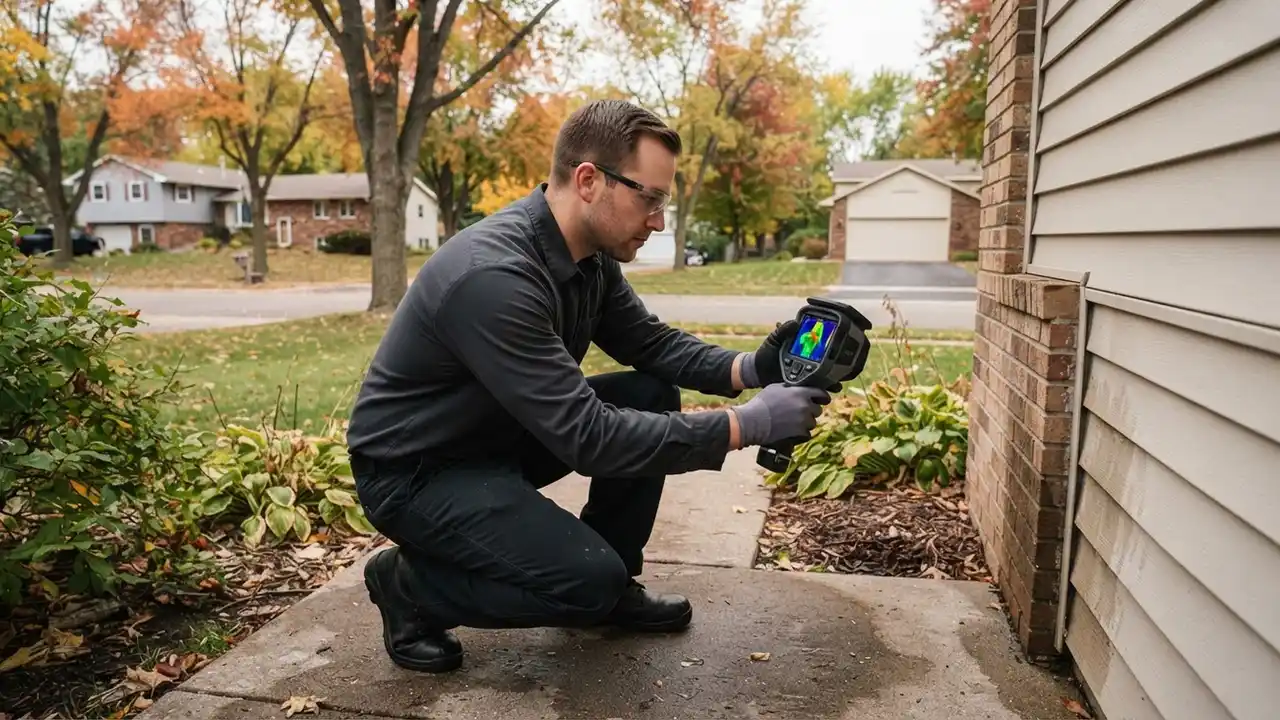
On arrival, we walk the affected rooms with you, note the fire source, and check adjoining spaces for smoke migration. A thermal imaging camera can help identify concealed temperature differences, while an infrared thermometer records surface readings where relevant. We photograph visible residue and mark materials that need a closer cleaning test. The initial assessment often takes 30 to 90 minutes, depending on access and room count.
Walk-through
Room mapping
Photo notes
Protect and Contain
We move or cover nearby belongings, establish work zones, and place plastic sheeting where it limits cross-contamination. If airborne particles are a concern, a negative air machine can direct filtered air away from occupied areas. You will know which rooms remain accessible and where equipment is operating. Setup commonly takes one to three hours for a limited residential area.
Protect contents
Set containment
Plan airflow
Remove Dry Residue
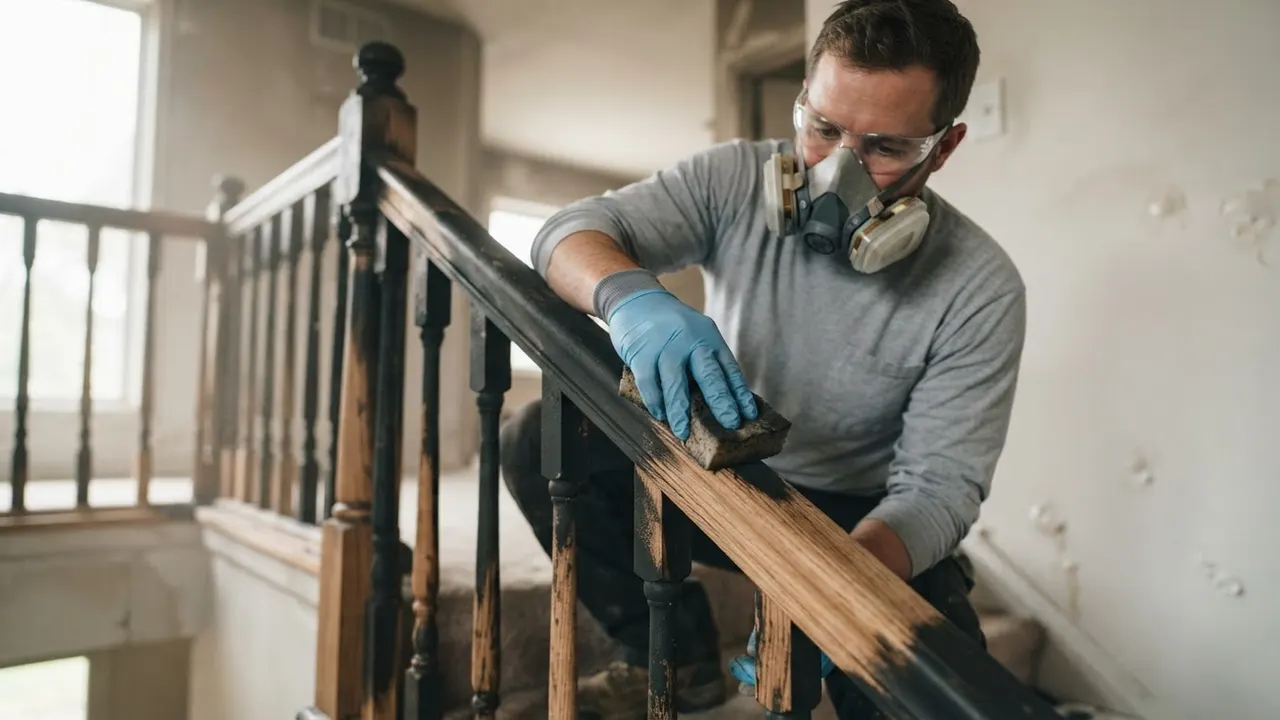
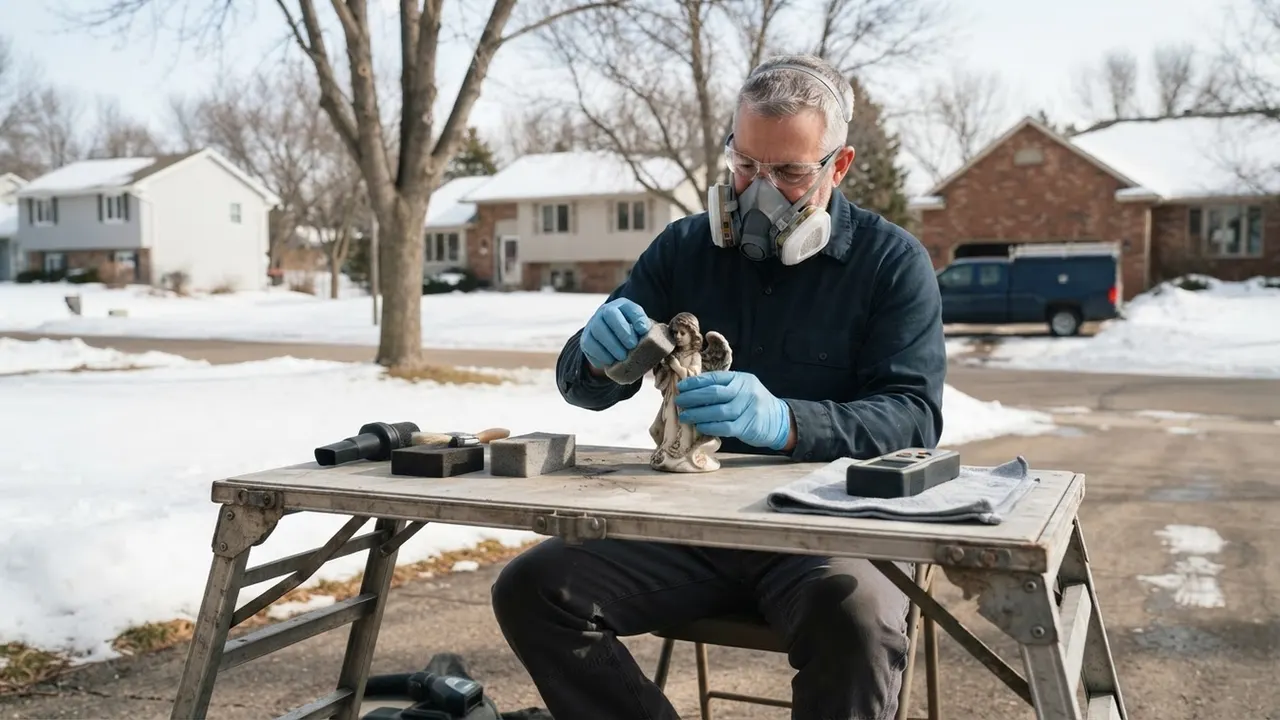
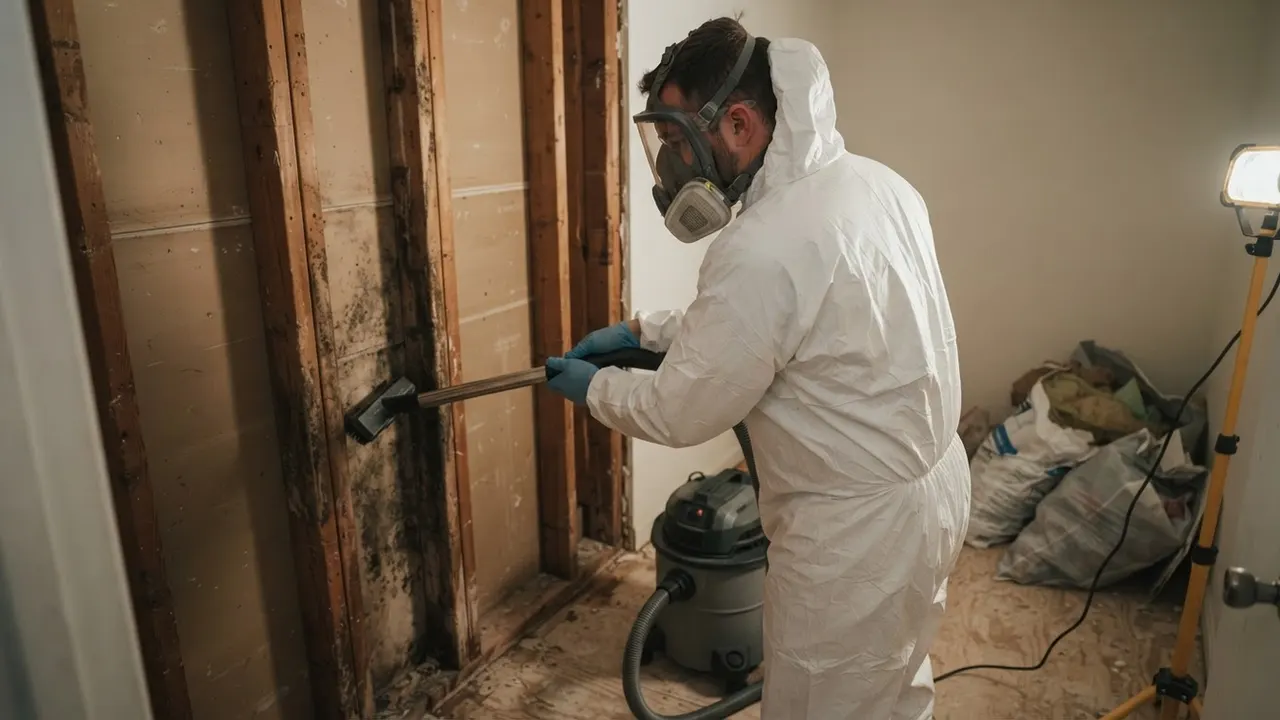
We begin with loose soot because wet wiping can drive dry particles into porous surfaces. A HEPA vacuum and material-specific tools remove deposits from ledges, trim, and contents before wet cleaning starts. Our technicians work top-down so residue does not fall onto finished areas. The time required depends on ceiling height, surface texture, and how far smoke traveled beyond the room of origin.
Remove loose soot
Work top-down
Sort contents
Clean and Deodorize
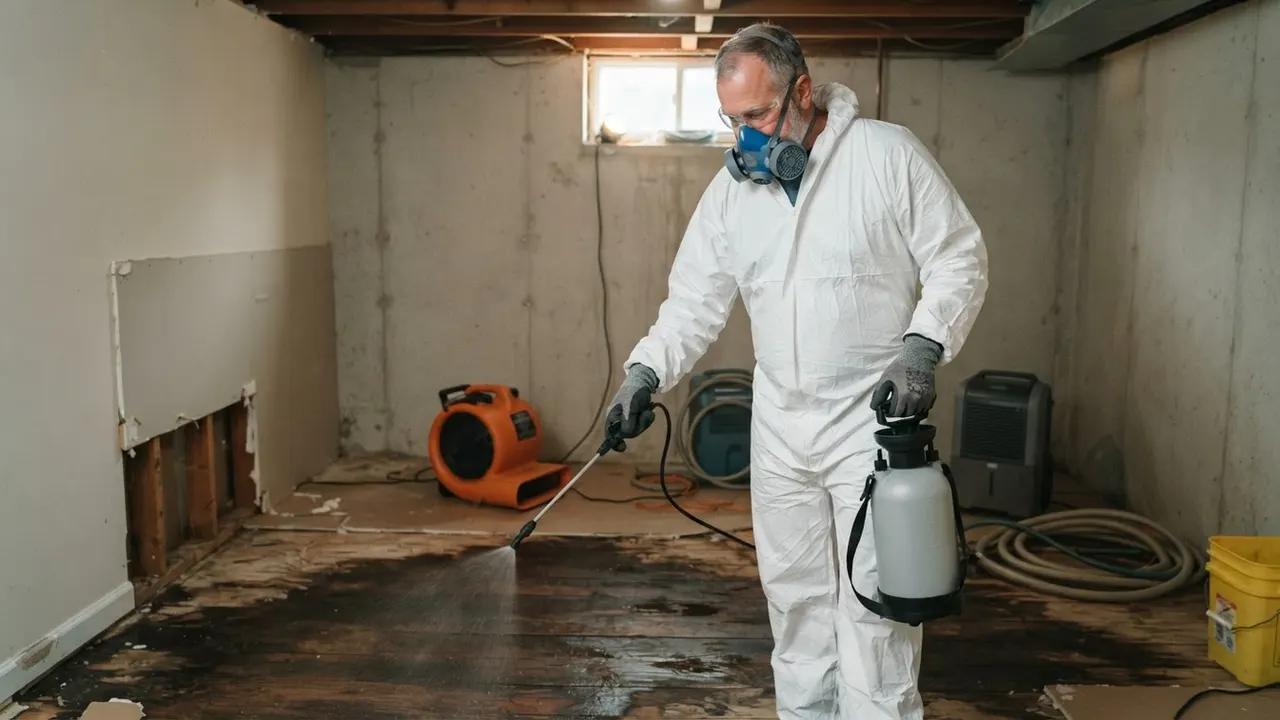
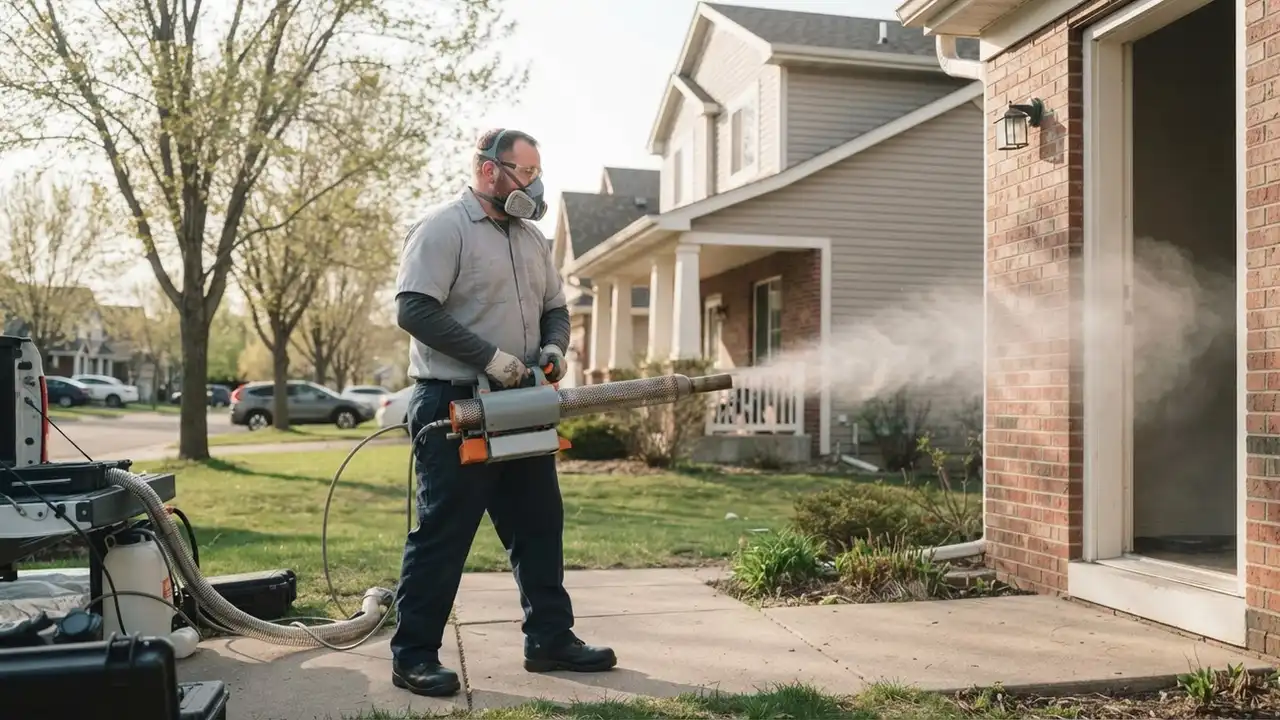
We test cleaners on inconspicuous areas, then remove remaining film from suitable surfaces and clean salvageable contents. A fogger or other deodorizing approach is selected only when appropriate to the material and conditions; it does not replace source removal. You can expect this phase to take several hours to multiple days when cabinets, textiles, or several rooms need detailed work.
Test surfaces
Clean residue
Treat odor
Check and Document
We revisit treated surfaces, inspect likely odor reservoirs, and note any remaining repair needs. If water from suppression affected the structure, a moisture meter helps identify damp materials that need drying before enclosure. We review completed areas with you, share job photographs, and explain any next steps for repainting, replacement, or additional contents treatment.
Check materials
Review photos
Discuss next steps
Equipment and Cleaning Methods
Move across a circle, or focus it and press Enter, for an illustrative thermal view of the photograph.
HEPA Vacuum
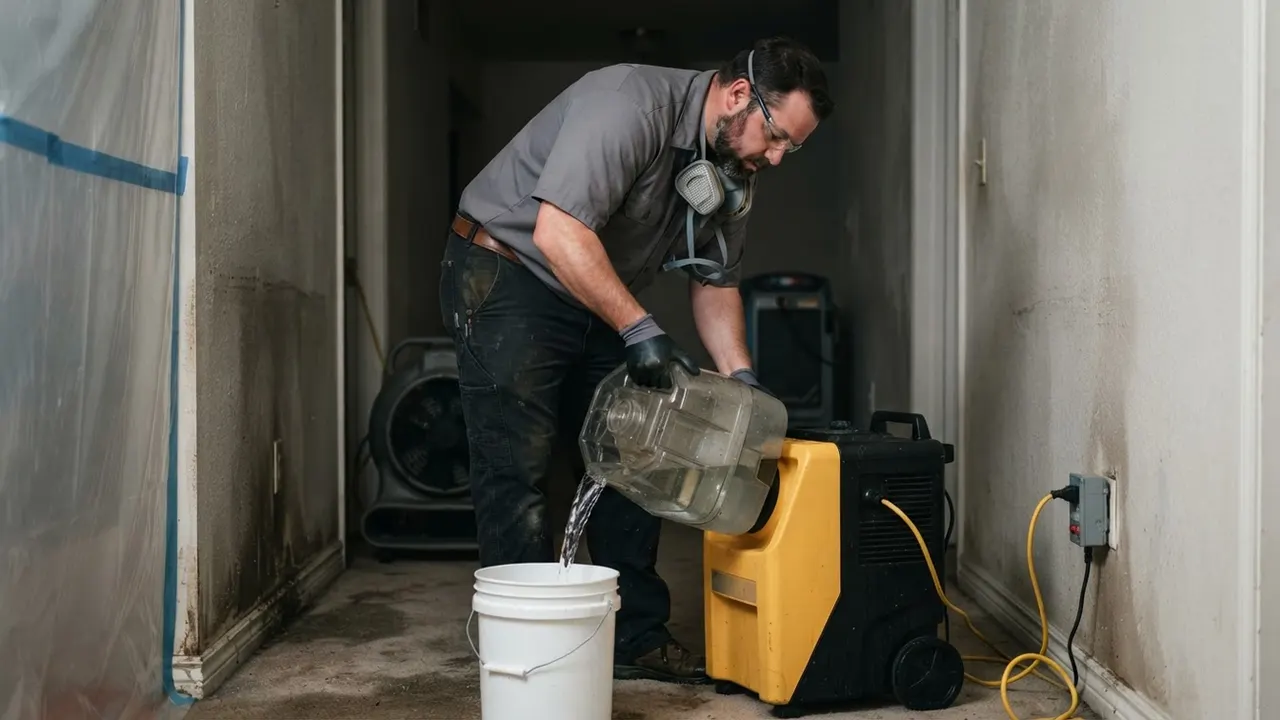
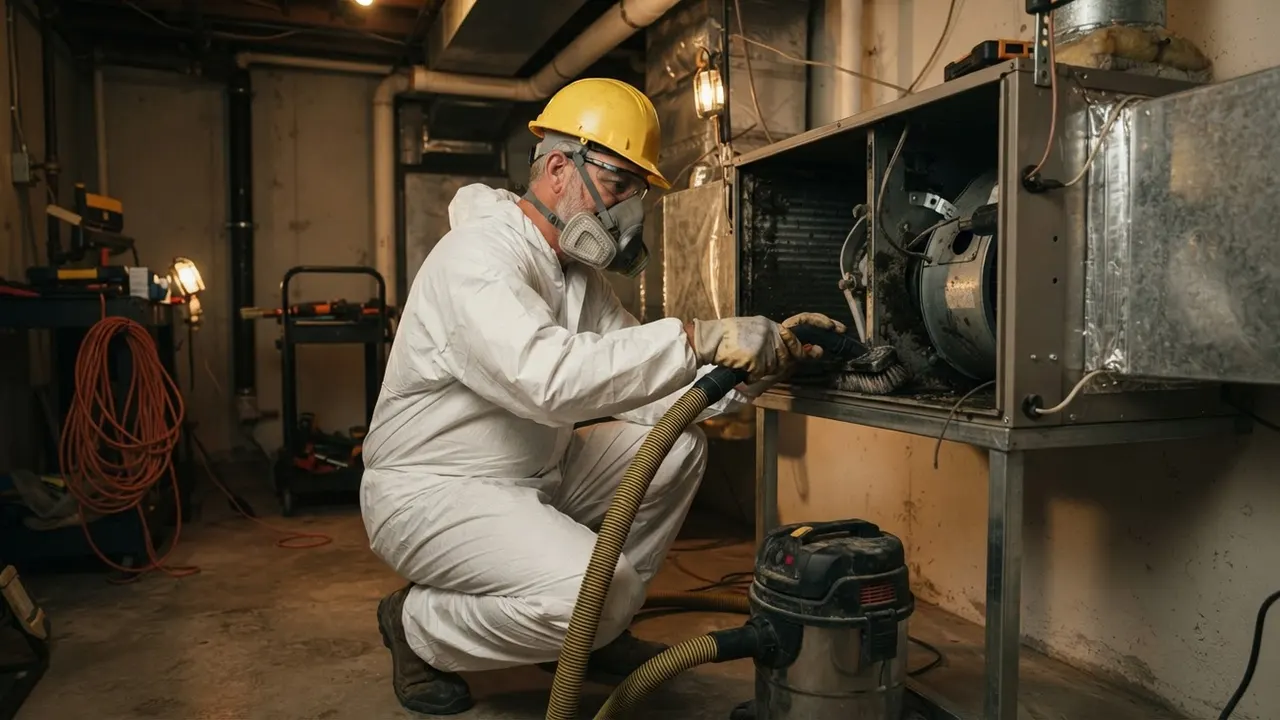
We use HEPA filtration to collect loose soot before damp cleaning. This lowers the risk of smearing dry particles across textured walls, trim, or contents.
Thermal Imaging Camera
Moisture Meter
We measure moisture in materials affected by suppression water or a separate leak, then use readings to guide drying and determine whether further inspection is needed.
Negative Air Machine
We use controlled negative air when work conditions call for containing airborne particles and directing filtered air away from occupied or clean areas.
Dri-Eaz Air Mover
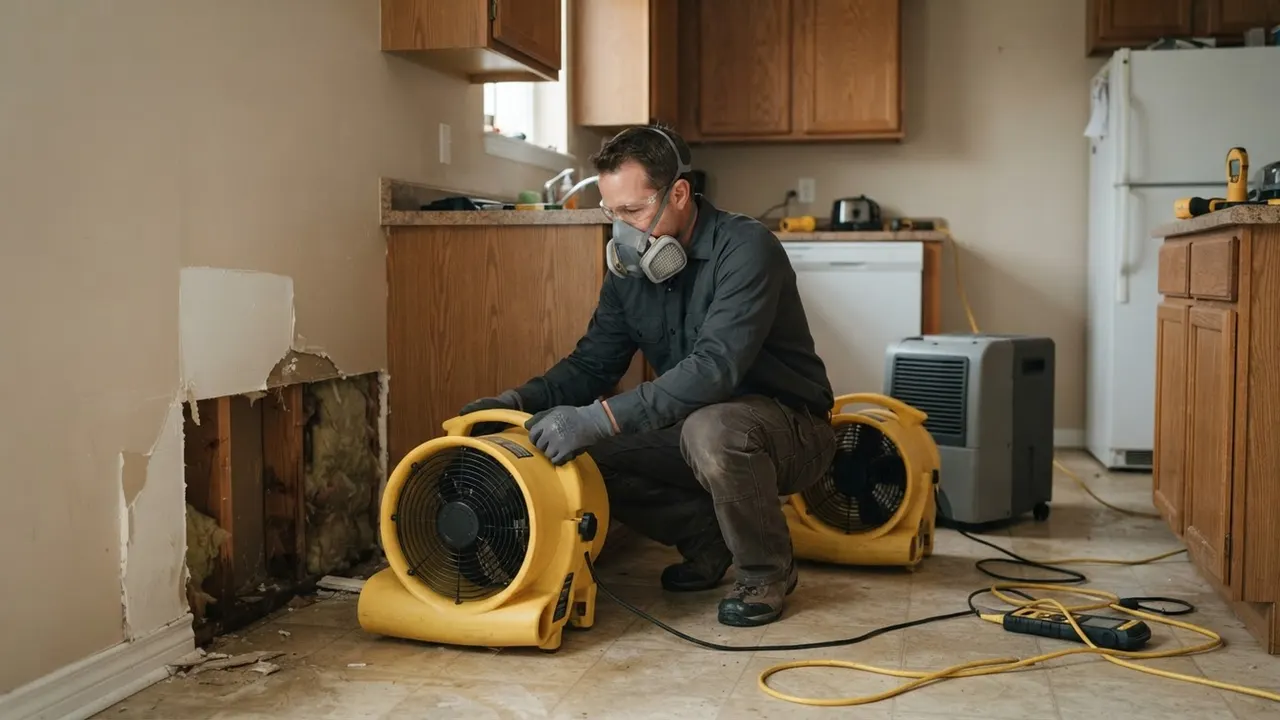
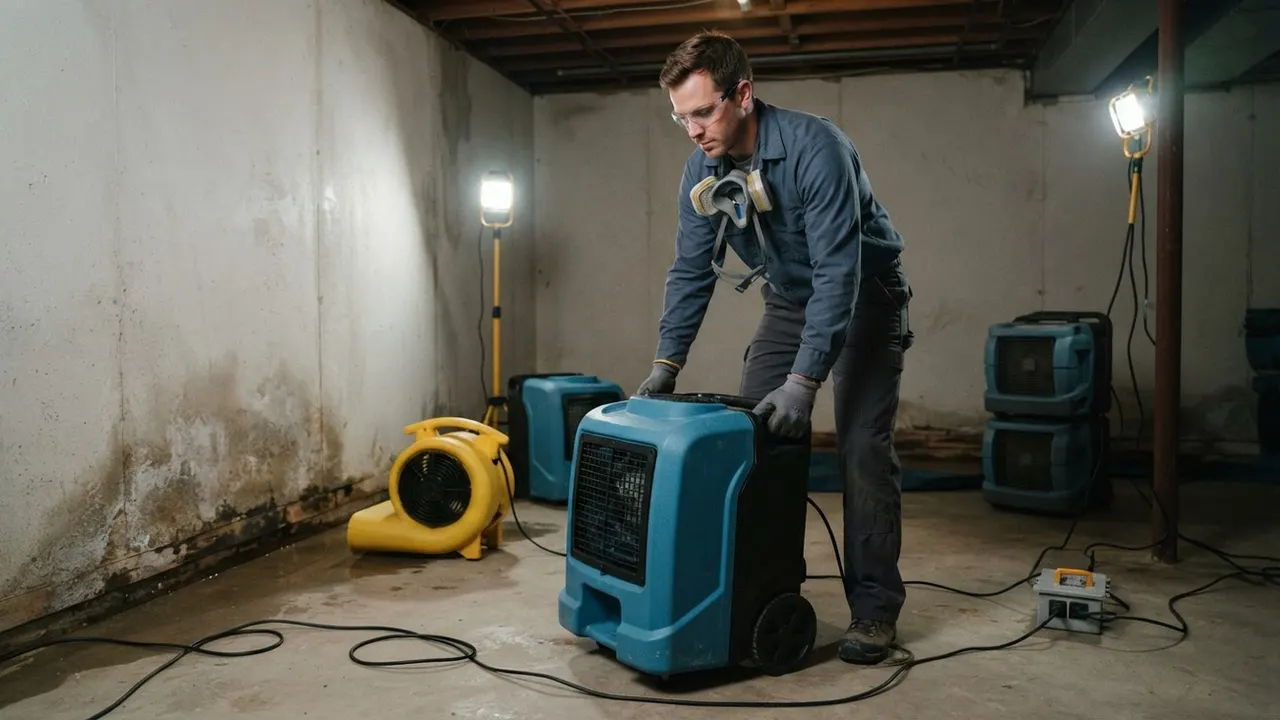
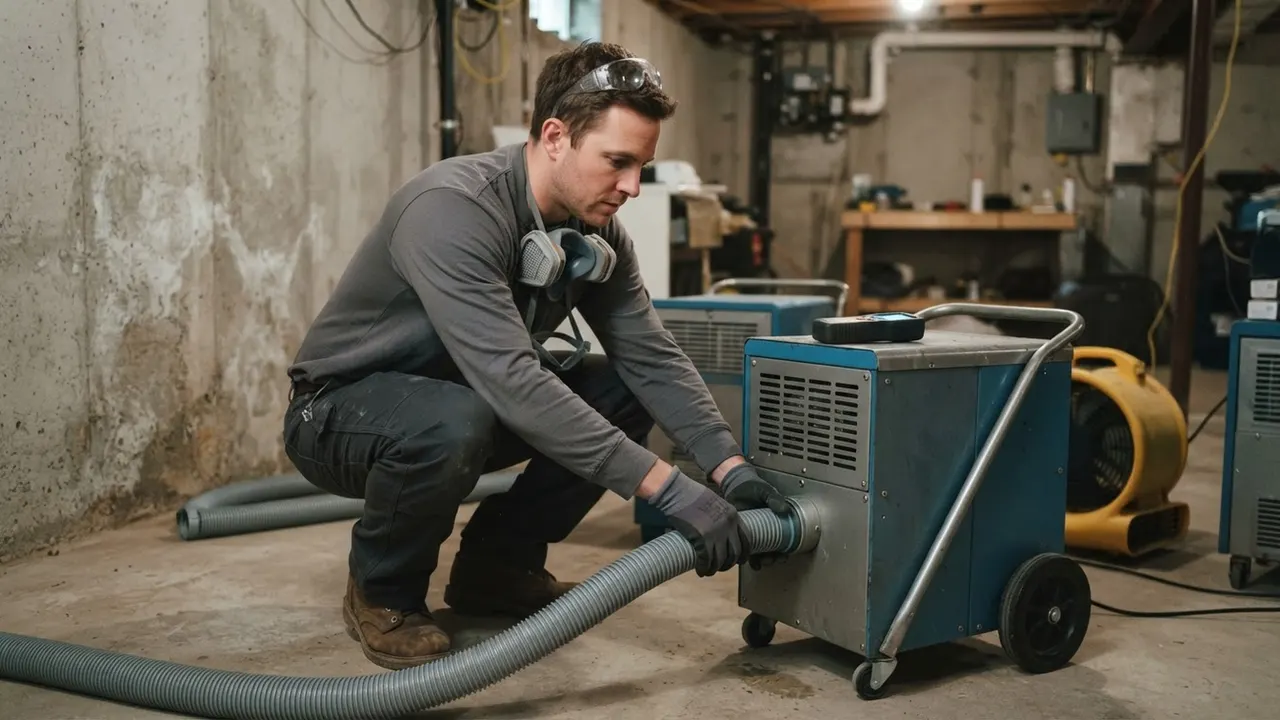
We place air movers when wet materials need drying after firefighting or a related leak, coordinating airflow so it does not disrupt soot containment.
Thermal views are illustrative, generated from the photographs.
Methods
Residue identification and test cleaning
We first identify whether deposits are dry soot, oily residue, or protein film, then test a compatible method on a discreet surface. That small test helps avoid spreading contamination or damaging paint, wood, or fabric. Once the surface responds as expected, we apply the method in a controlled sequence.
Top-down source removal
We remove loose deposits from higher surfaces before cleaning lower walls, trim, and floors. This keeps falling residue from recontaminating completed work. Contents are protected or moved as needed, and the crew tracks the boundary between active work and clean areas throughout the job.
Containment and filtered airflow
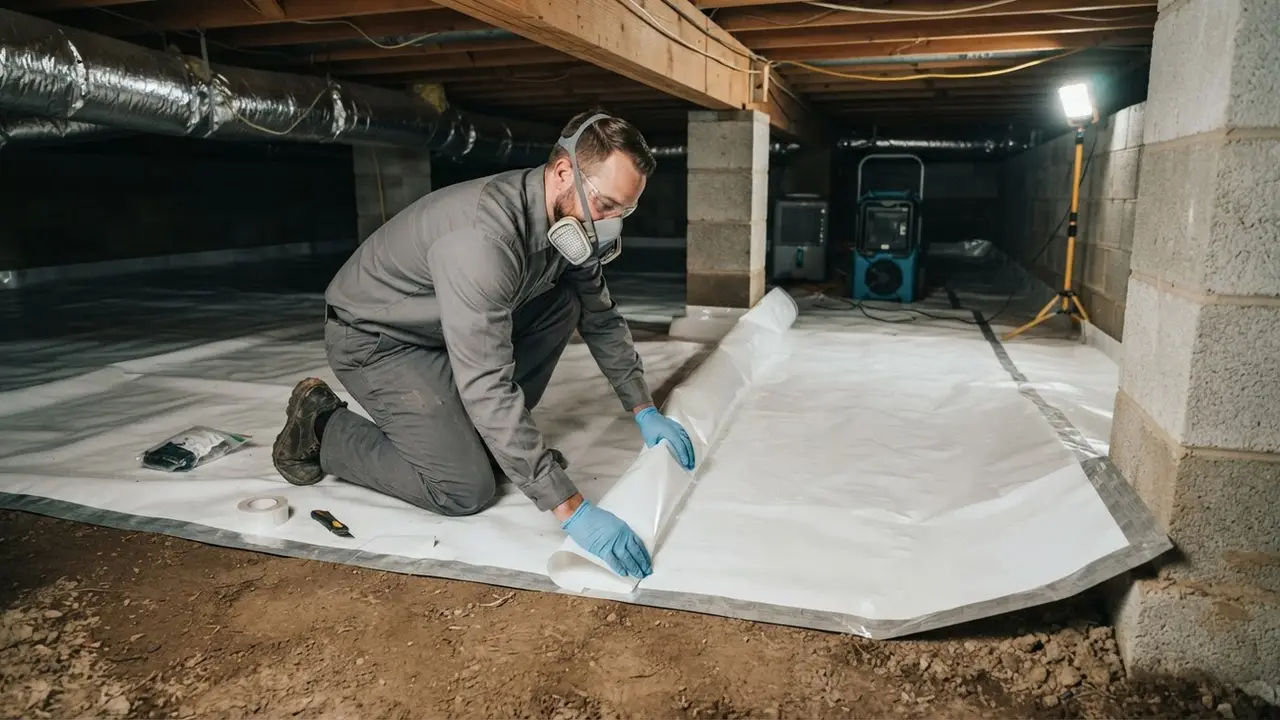
We establish work zones with protective coverings and use filtered airflow equipment when site conditions call for it. The setup limits movement of particles into adjoining rooms and helps manage ventilation during cleaning. We explain which areas remain accessible and adjust the boundary as the affected area becomes clearer.
Moisture-aware restoration
When suppression water is present, we measure affected materials and coordinate extraction or drying before repairs close the structure. Air movers and dehumidifiers are positioned according to the moisture pattern, not simply switched on everywhere. Follow-up readings help show whether materials are progressing toward dry conditions.
When to Call for Smoke Cleanup
Kitchen Flare-Up
A kitchen flare-up in a Mainstreet Hopkins home leaves soot on the ceiling and odor in adjoining rooms.
We inspect the kitchen and adjacent spaces, protect clean surfaces, and identify whether soot is dry or greasy. Our crew cleans compatible finishes, sorts affected contents, and treats odor after the source residue is removed. If suppression water reached cabinets or flooring, we check moisture as part of the plan.
Outcome: You get a room-by-room cleanup plan that addresses visible film and odor pathways, with repair needs clearly identified before surfaces are refinished.
Office Fire
A small electrical fire in a Blake Road office leaves smoke residue on desks, walls, and the hallway.
We map the affected suite, contain the work zone, and document desks and fixed surfaces before cleaning. Our team separates salvageable contents from items needing specialized treatment and checks whether smoke entered return-air openings. We coordinate cleaning around business access where practical.
Outcome: The office receives a defined cleaning sequence, records of affected areas, and guidance on what must be repaired before normal use resumes.
Fireplace Soot
A fireplace puff-back near Shady Oak leaves fine soot across a mantel and upper-level landing.
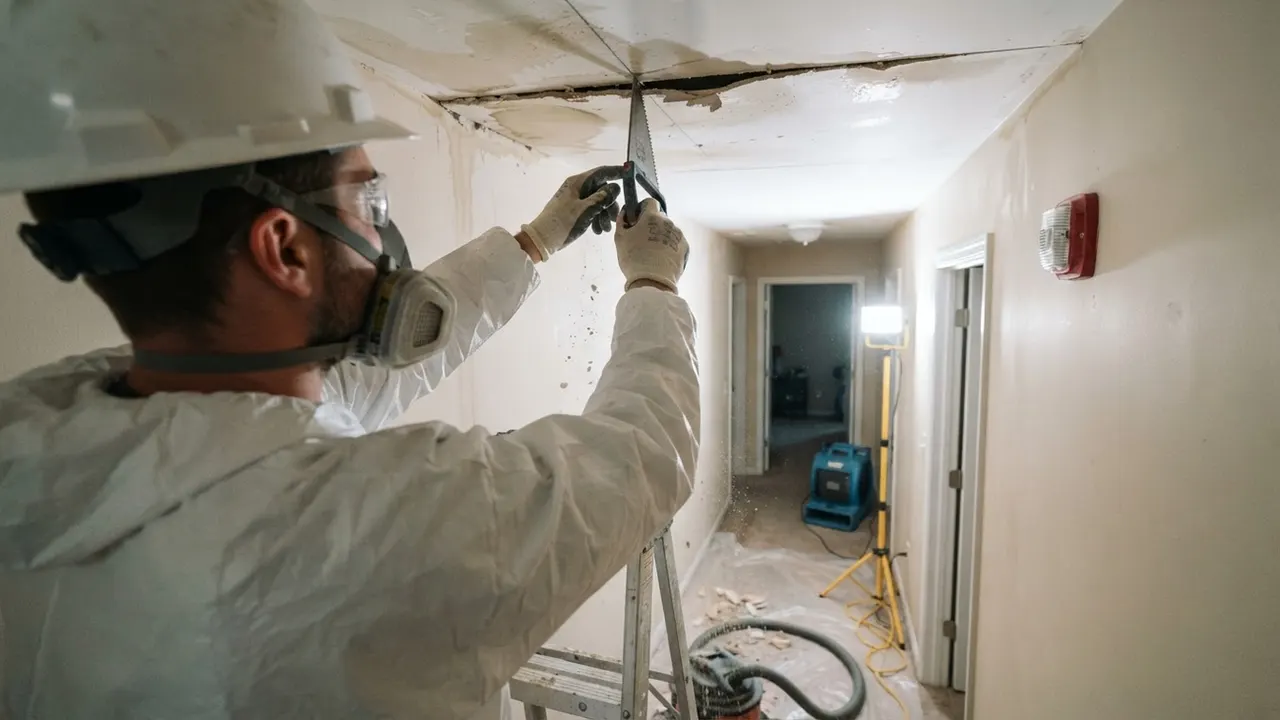
We inspect beyond the hearth because fine particles can rise and settle on upper trim, artwork, and hallway ledges. After a small compatibility test, we remove loose deposits and clean appropriate surfaces. We also check nearby textiles and contents for odor that may need separate treatment.
Outcome: You can see which surfaces were cleaned and which items need further attention, rather than relying on a quick wipe around the fireplace.
Basement Water
A winter fire response leaves water in a Hopkins basement while smoke odor reaches the stairwell.
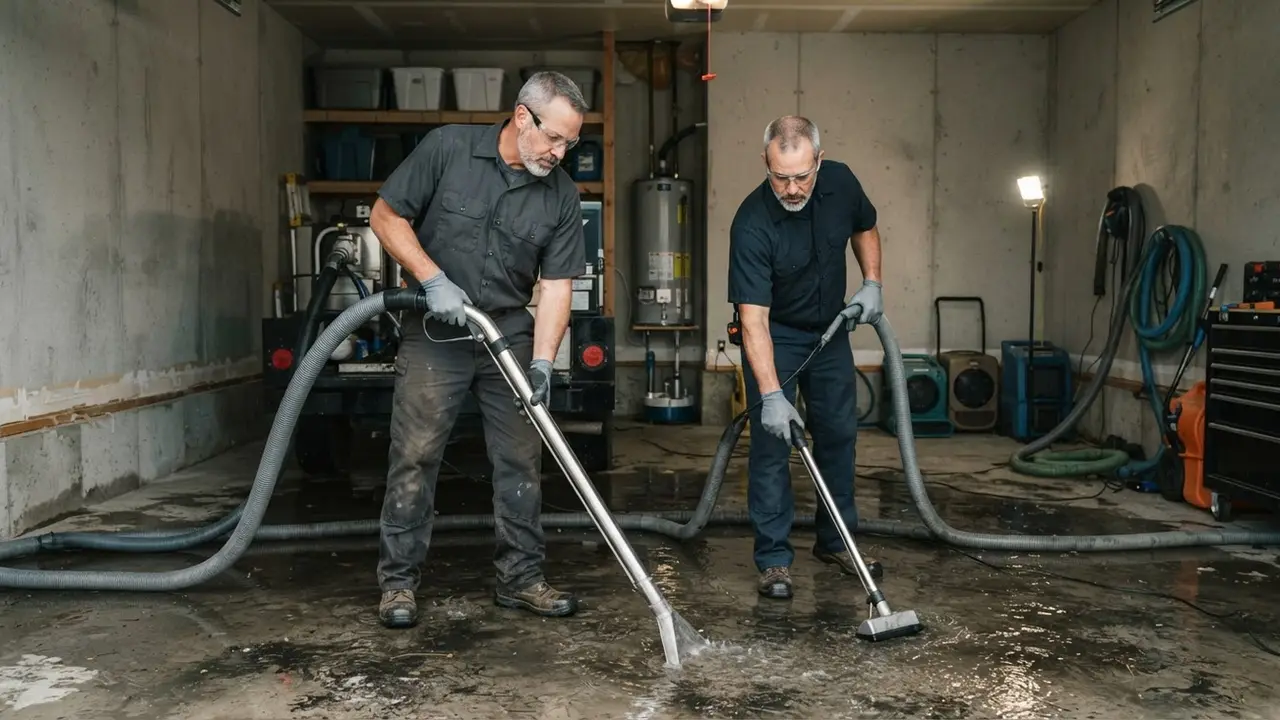
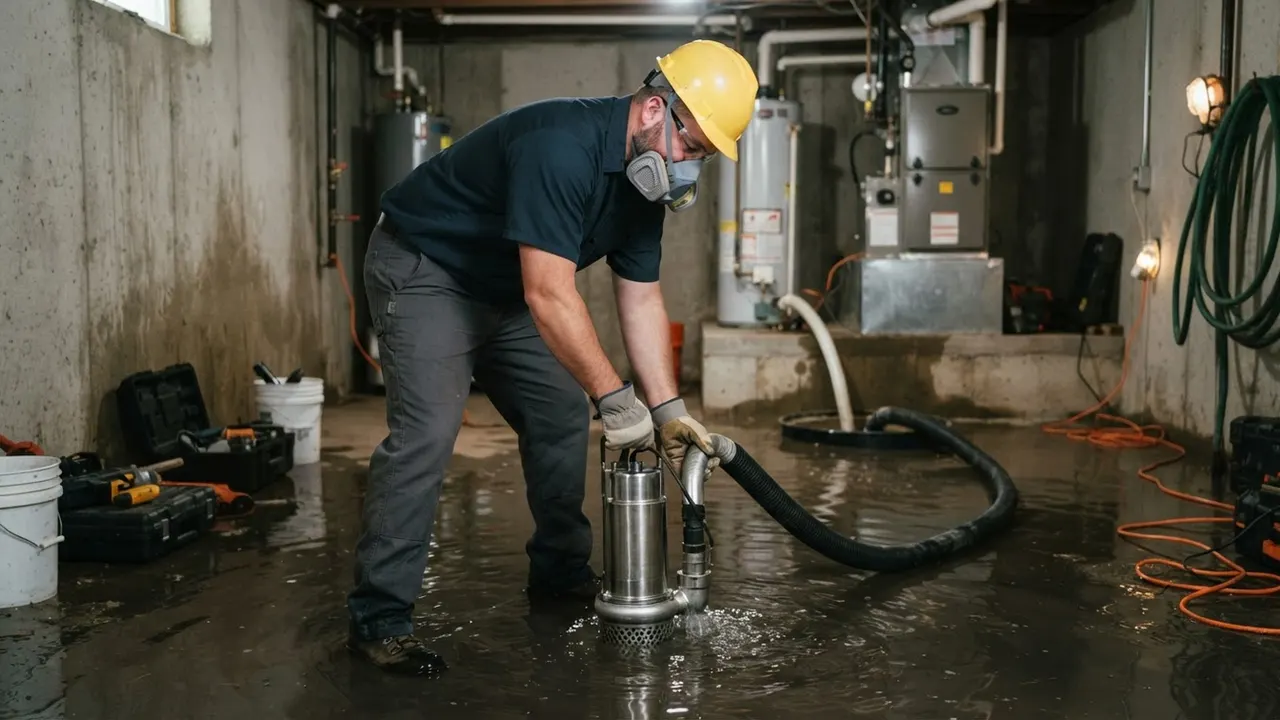
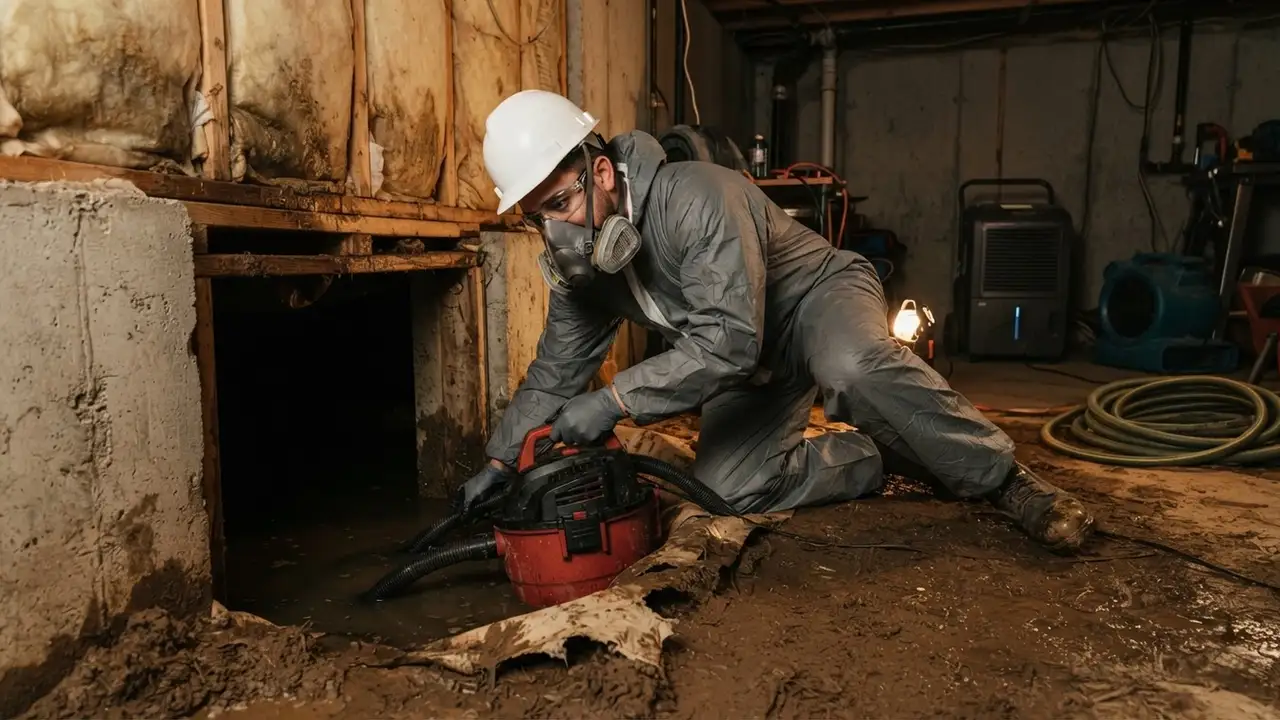
We address standing water and damp materials alongside the smoke inspection, keeping extraction and soot removal in a controlled sequence. A sump pump may assist where water conditions call for it, while moisture readings guide drying. We protect stored belongings and note materials that need removal.
Outcome: The basement gets a coordinated plan for water and smoke issues, reducing the chance that repairs conceal dampness or leave odor sources behind.
Downtown HopkinsBlake Road CorridorShady Oak
How Smoke Cleanup Works in Hopkins
Smoke damage restoration Hopkins MN requires attention to both the fire event and the way a building is used. Hopkins includes older homes, attached residences, apartments, and commercial spaces where shared walls or ventilation paths can carry odor beyond the origin room.
In November and through winter, closed windows make controlled filtration especially important; opening every window is not always practical in cold weather. We inspect nearby rooms, closets, and air returns, then protect occupied areas while cleaning proceeds. If a frozen pipe burst or firefighting water has dampened drywall, we measure moisture before repairs begin.
For smoke damage cleanup in Hopkins Minnesota, we also plan access around local streets and the property's layout, from Mainstreet storefronts to residential blocks near Shady Oak. Work affecting lead-painted surfaces or regulated materials needs the appropriate safeguards and qualified handling.
Downtown Hopkins: Older storefronts and attached upper-level spaces can share walls and service pathways. We check adjacent rooms and tenant areas rather than limiting inspection to the visible fire room.
Blake Road Corridor: Homes and small commercial properties may have varied layouts and finishes. We test cleaning methods on painted surfaces and protect nearby contents before removing soot.
Shady Oak: A fire response during cold weather can leave windows closed and suppression water inside. We plan filtered airflow and moisture checks around occupied rooms.
Mainstreet: Businesses need clear separation between work areas and public or staff spaces. We coordinate room access and document surfaces and contents as cleaning progresses.
Cold-weather cleanup limits open-window ventilation: During winter, outdoor temperatures can make extended window ventilation impractical. We use controlled work zones and filtered air where site conditions support it, while keeping occupants informed about rooms that should remain closed during active cleaning.
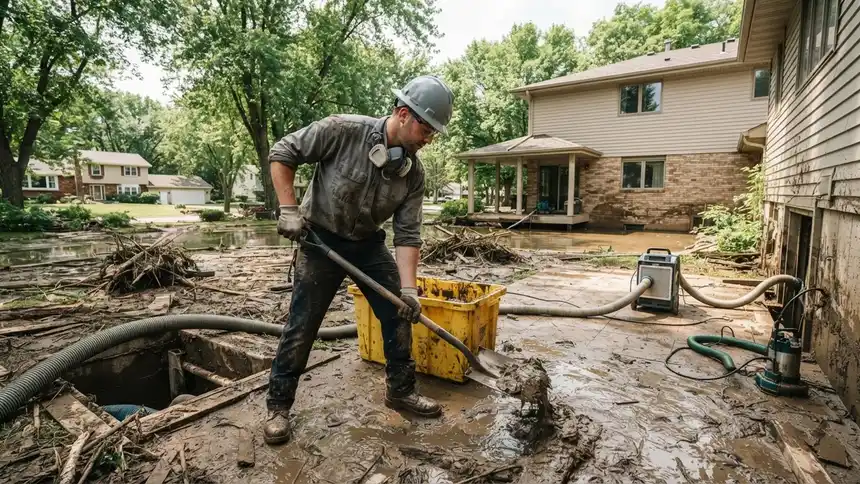
Fire suppression water reaches finished basements: Water can move beneath flooring or into drywall while soot remains on stairwells and stored contents. We separate water extraction and drying from residue removal, then use moisture readings to guide whether materials can remain.
We walk the affected rooms with you and explain what we find.
We protect nearby contents and set up the work area.
We review cleaned surfaces, readings, and practical next steps.
From Problem to Finished Result.
IllustrativeThe thermal view is generated from the photograph. It is not a measurement. Drag the handle, or use the arrow keys once it is focused.
Kitchen Flare-Up Cleanup
Before: A stovetop fire left a greasy film on the kitchen ceiling, cabinet fronts, and nearby hallway trim. The homeowner had wiped one cabinet, spreading a gray streak, and the smell returned whenever the room warmed. Suppression water had also dampened a small section of flooring near the range.
After: We isolated the kitchen, removed loose residue, tested the cabinet finish, and cleaned compatible surfaces from ceiling downward. The documented work covered the kitchen and adjoining hall, with moisture checks on the affected floor. The cleanup took two workdays, including drying coordination, and the remaining repainting area was identified.
Keep the range hood filter clean and run the hood during cooking. If a new odor or film appears, avoid repeated dry wiping; photograph the area and address the source before residue transfers.
Office Electrical Fire
Before: A small electrical fire in a two-room office left soot on one wall, desk surfaces, and the corridor ceiling. Staff noticed odor in the next room, although no flame damage was visible there. A sprinkler response had left a damp patch by the entry.
After: We contained the affected corridor, cleaned the desk and wall surfaces that passed testing, and checked the adjacent room for smoke migration. The moisture meter identified the entry patch for drying follow-up. Work was completed over three days, with photographs and a room-by-room record for the property manager.
Replace HVAC filters after the fire cleanup and arrange a system inspection before normal circulation if smoke entered the return path. Keep the job photos with the property records for repair planning.
Fireplace Soot on Upper Floor
Before: A fireplace problem left fine soot near the mantel and a faint odor on the upstairs landing. The family had closed bedroom doors, but residue appeared along the stair trim and on two fabric chairs. No water damage was reported.
After: We protected the stairs, removed loose soot from high surfaces first, and cleaned compatible trim after a test patch. The chairs were assessed separately for contents treatment. The focused cleanup took one day, and the walkthrough noted the cleaned surfaces and the textiles requiring additional care.
Keep the fireplace and flue maintained according to the appliance manufacturer's instructions. After any smoke event, avoid circulating air through affected rooms until visible residue and odor sources have been assessed.
Problems Solved by Local Smoke Cleanup
Smoke residue creates more than a visible stain: it transfers to hands, fabrics, and clean rooms, while odor can persist after the fire is out. Our smoke odor removal near me Hopkins work starts by finding the source and identifying affected materials. We then choose cleaning, deodorizing, or repair steps that fit the actual condition.
Soot transferBlack soot keeps marking hands, clothing, and cleaned surfacesLoose residue can transfer each time someone touches a ledge or moves an item. Repeated wiping may spread it across paint, fabric, or adjacent rooms. We isolate the affected area, remove loose particles with suitable HEPA equipment, and then clean surfaces using a method matched to the soot and finish. Our crew works from high surfaces downward and checks nearby rooms for transfer. You get a cleaner space without simply smearing residue into the material.
Returning odorSmoke odor returns after windows are opened and rooms are airedOdor can remain in porous contents, cabinet interiors, carpet backing, and hidden residue. Airing the room may dilute the smell temporarily without removing its source. We trace odor to affected surfaces and contents, clean source materials, and select a targeted deodorizing method when appropriate. If odor is moving through an HVAC pathway, we identify that concern before the system circulates air. This gives you a source-focused plan rather than a fragrance treatment.
Spread beyond roomSoot has spread beyond the room where the fire startedFine particles may travel through hallways, door gaps, ceiling openings, and air returns. Unprotected cleanup can carry residue into rooms that were initially clear. We inspect adjoining spaces, establish containment, and use protective coverings to separate clean areas from active work. Our technicians follow the soot trail instead of stopping at the fire room doorway. That is especially useful in attached homes and small commercial suites.
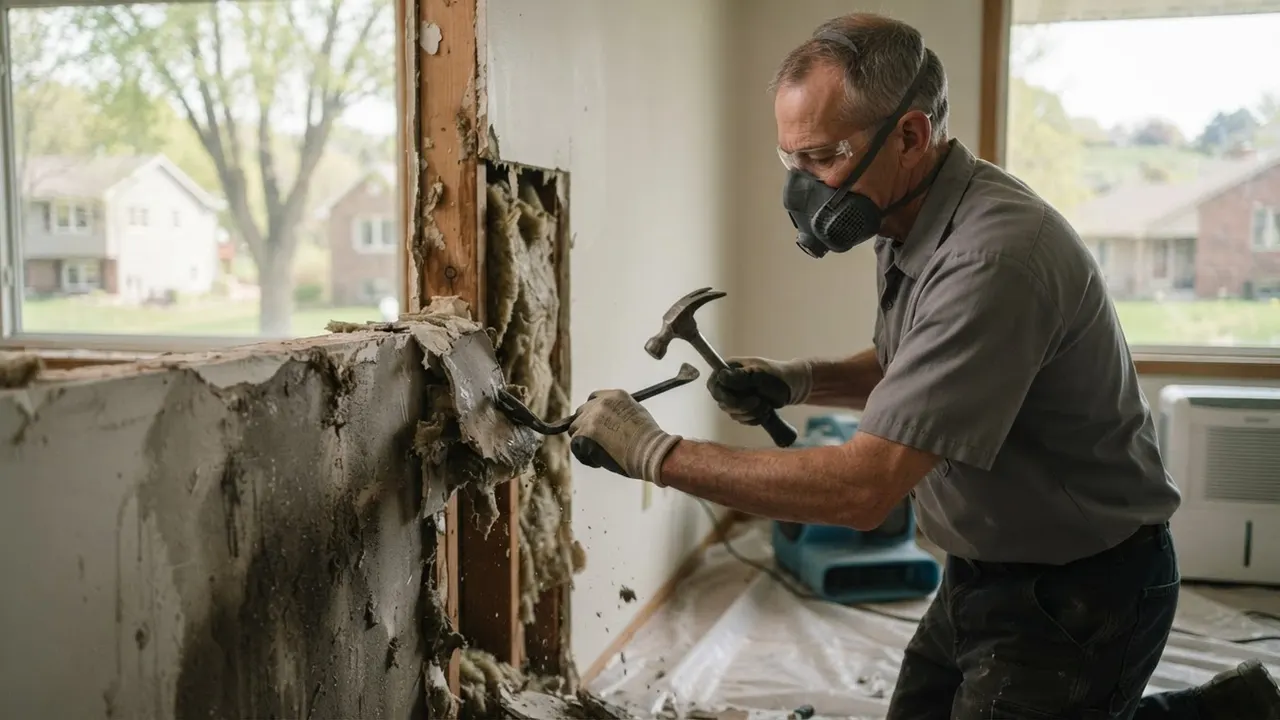
Wet materialsFire suppression left wet drywall or flooringWater trapped in building materials can delay repairs and contribute to secondary damage. Cleaning over damp surfaces can conceal a moisture problem behind new finishes. We check affected materials with a moisture meter, extract accessible water, and coordinate drying with smoke cleanup. If insulation or drywall cannot be dried effectively, we explain the repair need. The work sequence keeps water damage and soot removal visible as separate tasks.
Cleaner Surfaces and Air
Removing residue at its source helps reduce transfer, staining, and lingering smoke odor.
Remove Soot Safely
We identify whether soot is dry, greasy, or protein-based before selecting a cleaning method. A HEPA vacuum captures loose particles before damp cleaning, reducing the chance of pushing residue into drywall texture or upholstery. For residential smoke damage cleanup Hopkins Minnesota, careful testing on a small area helps protect painted trim, stone, and other finishes.
Control Persistent Odor
Smoke odor can remain in porous materials after visible soot is gone. We locate affected surfaces and contents, clean what can be restored, and select deodorizing methods suited to the material. This approach is more useful than covering the smell with fragrance, especially when the source is inside a cabinet, carpet backing, or an air return.
Protect Unaffected Rooms
Plastic sheeting and controlled work zones help keep soot from migrating into clean areas during removal. We cover contents, manage foot traffic, and use filtration when conditions call for it. That separation matters in attached homes and small businesses, where a hallway or shared ventilation path can carry fine particles beyond the room where the fire started.
Coordinate Fire Recovery
A fire can leave water, damaged materials, and smoke residue in the same rooms. We document the visible impact and coordinate cleaning with drying or repair work when needed. If a fire department response leaves wet flooring or a damp basement, early moisture checks can help prevent secondary problems while smoke cleanup proceeds.
What You Receive
Clear records you can keep and share.
Photo Record
Images of visible conditions and completed areas.
Room Notes
Affected surfaces and contents recorded by area.
Moisture Log
Readings recorded where wet materials are present.
Work Summary
Cleaning completed and follow-up items noted.
Soot, Odor, and Water Are Different Problems
A clear distinction helps match each affected material with the right restoration step.
Loose Soot
Dry particles that can transfer when wiped or disturbed.
Remove before damp cleaning
Protect nearby contents
Work from high surfaces down
Smoke Residue
Film that may cling to finishes and porous items.
Identify residue type
Test the cleaning method
Check adjoining rooms
Suppression Water
Moisture that requires separate measurement and drying.
Inspect floors and walls
Track moisture readings
Coordinate drying before repair
Surfaces and Materials
Drywall
Painted trim
Cabinet fronts
Textiles
Flooring
Insulation
Contents
Air returns
Service ZIP Codes.
A list like this tells people straight away whether you cover their street. Not listed? Call and ask: it only takes a minute.
A stovetop flare-up left black film across the kitchen ceiling and a sharp smell in the hallway. The crew checked the rooms beyond the kitchen, covered the dining area, and cleaned the cabinet fronts without spreading residue. They explained what could be cleaned and what needed repainting. The odor was noticeably reduced after the source areas were treated.
Smoke from a small electrical fire reached two offices and the corridor. The team set up a contained work area, documented the affected rooms, and cleaned the desks and painted surfaces in stages. They also flagged water left near the entry after suppression. We had a clear list of completed work and the items still needing repair.
After a fireplace problem, soot showed up on the mantel, nearby walls, and the upstairs landing. The crew used a careful test area before cleaning the painted trim and checked the adjacent rooms for odor. They treated the affected contents separately and told us which textiles needed more attention. The room felt clean rather than perfumed.
Smoke Cleanup Questions
Typical 2026 pricing in this area depends on soot type, affected square footage, contents, access, and whether water or damaged materials also need attention. We inspect before pricing and explain the work involved. Insurance coverage and deductibles are separate from the cleaning cost.
We remove the odor source first, then clean affected surfaces and contents; a typical contained job takes one to three days. Our crew checks porous materials, cabinets, and air pathways because odor can remain where soot is not visible. Depending on the material, we may use targeted deodorizing after cleaning. Opening windows alone rarely fixes odor embedded in textiles or residue on interior surfaces.
Many homeowners or commercial policies cover sudden fire-related smoke damage, subject to your policy terms and deductible. Coverage decisions and payment amounts come from your insurer, not the cleanup crew. We can document affected rooms, photograph visible residue, and provide job records that help you discuss the loss with your adjuster. Keep receipts and avoid discarding damaged contents before documenting them.
Choose a company that inspects beyond the fire room, explains cleaning methods, and documents the affected materials. Ask how the crew handles dry versus oily soot, protects unaffected spaces, and checks for water from suppression. Our smoke damage restoration company Hopkins MN team walks through those points with you, then organizes cleaning and any needed drying or repair coordination around the actual damage.
Tell us what burned, where soot is visible, and whether water remains. Our team will discuss the next practical step and arrange an assessment. Call Hopkins Water Damage Company at (833) 546-4116 to get the cleanup moving.
Call Hopkins Water Damage Company at (833) 546-4116 to describe a leak, fire, mold concern, or basement water problem. We connect you with independent companies serving Hopkins, Minnesota, including ZIP codes 55343 and 55305. Tell us the property type, affected area, and whether the source is still active so the provider can understand what help you need.