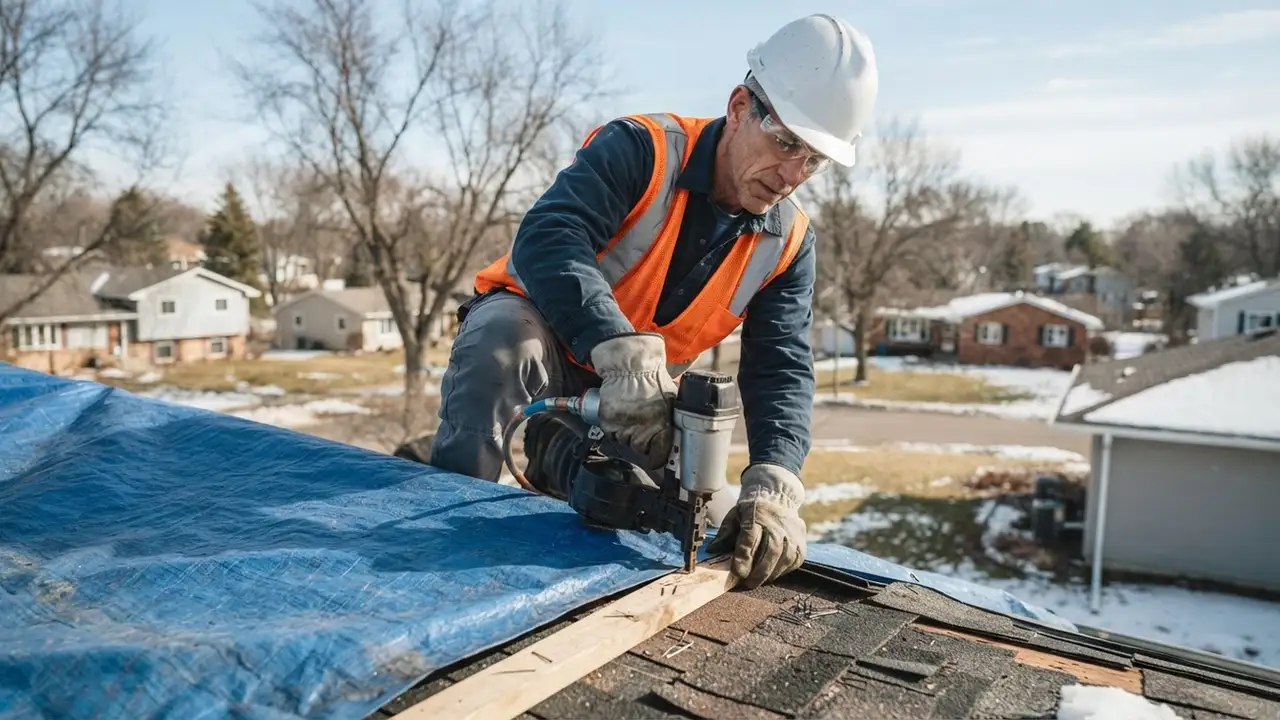
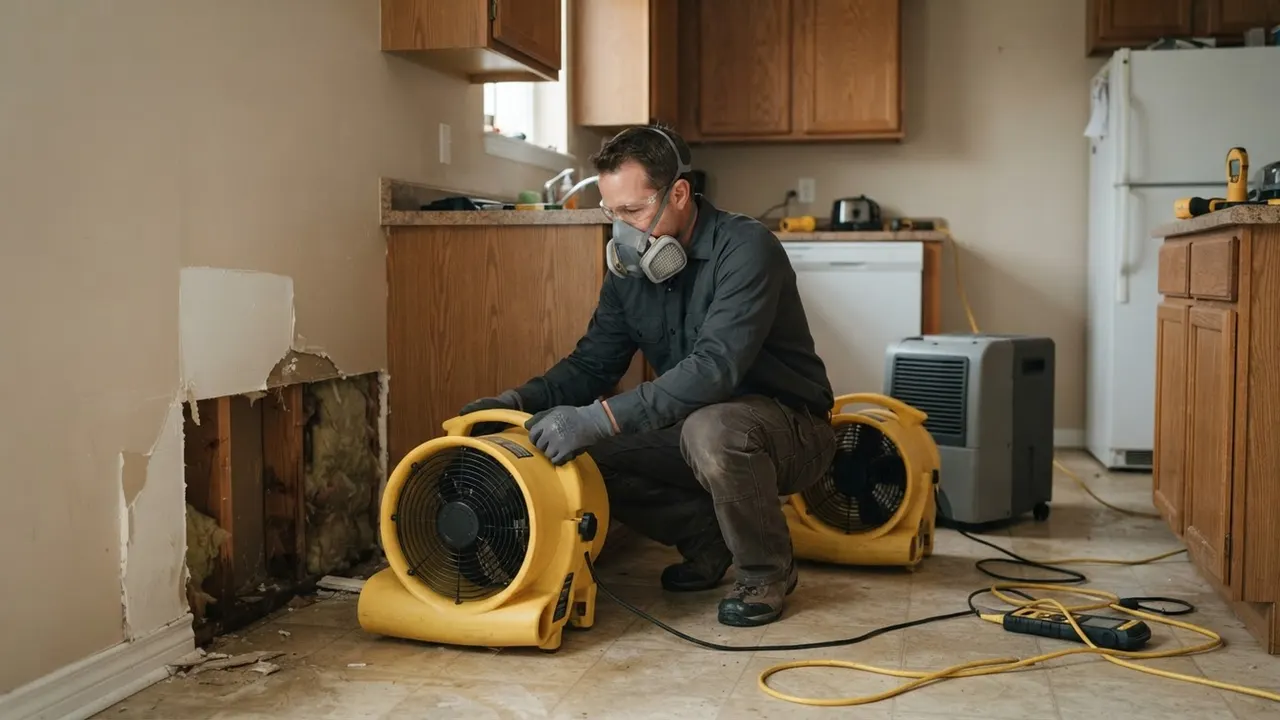
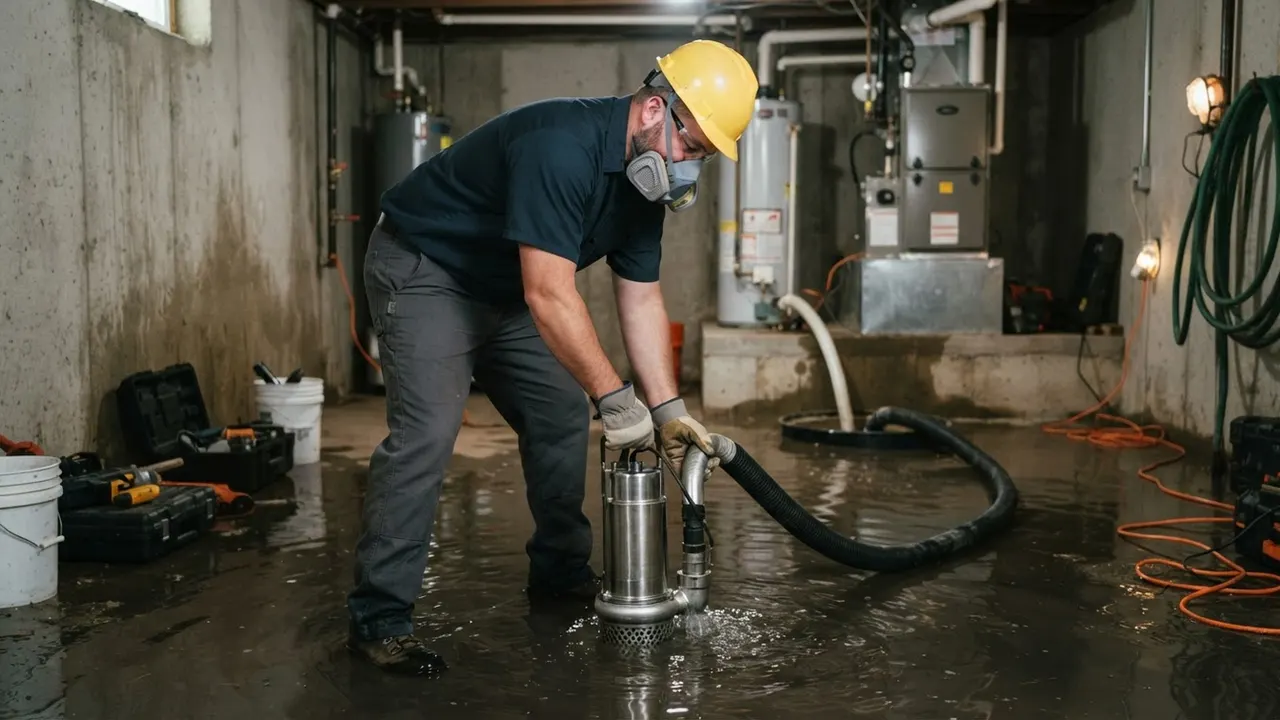
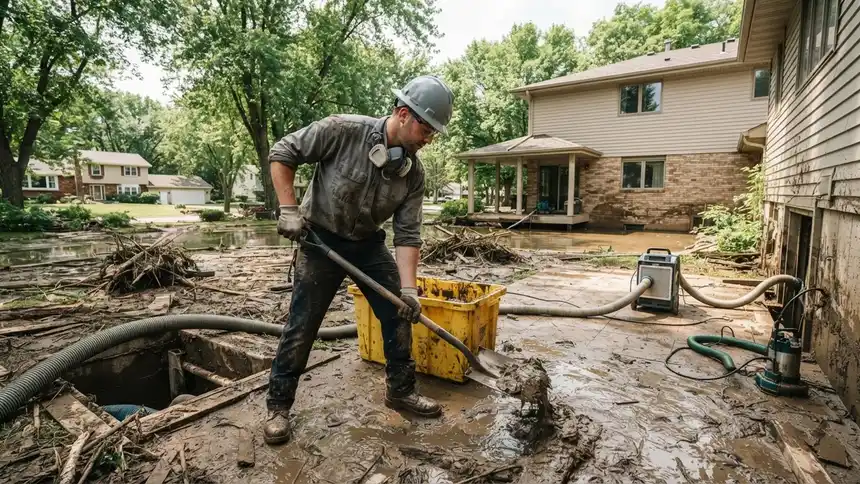
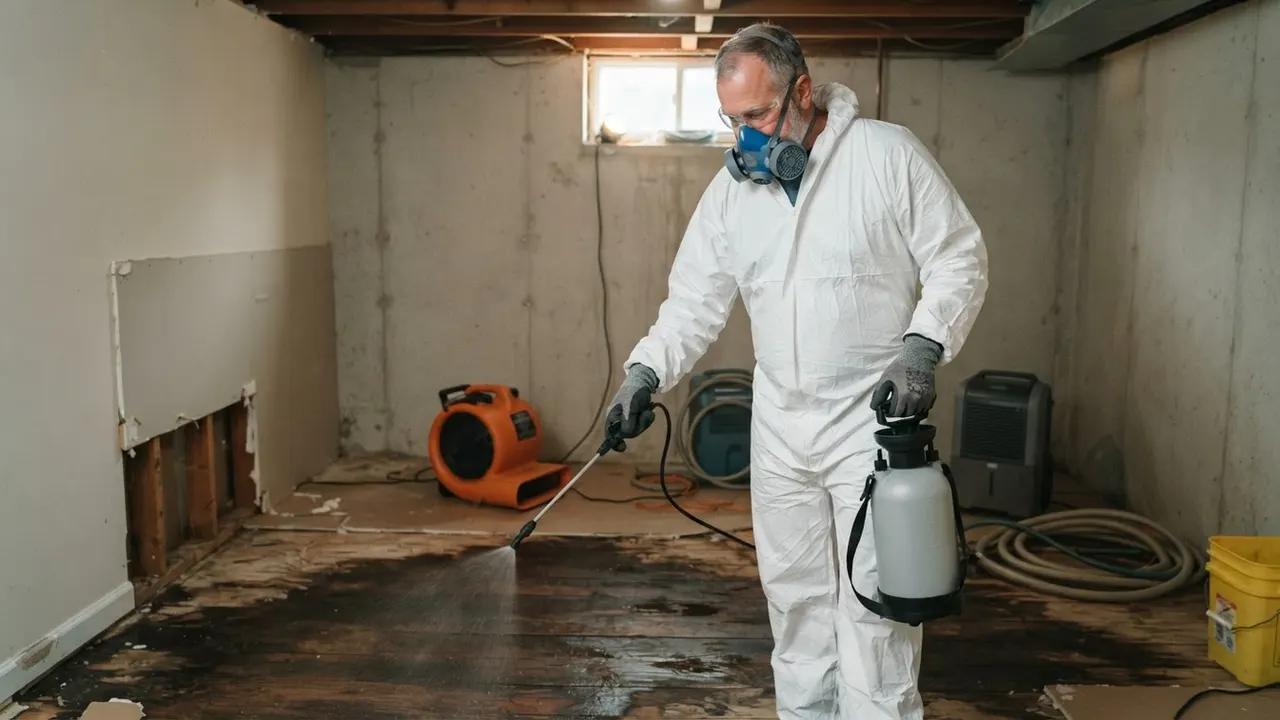
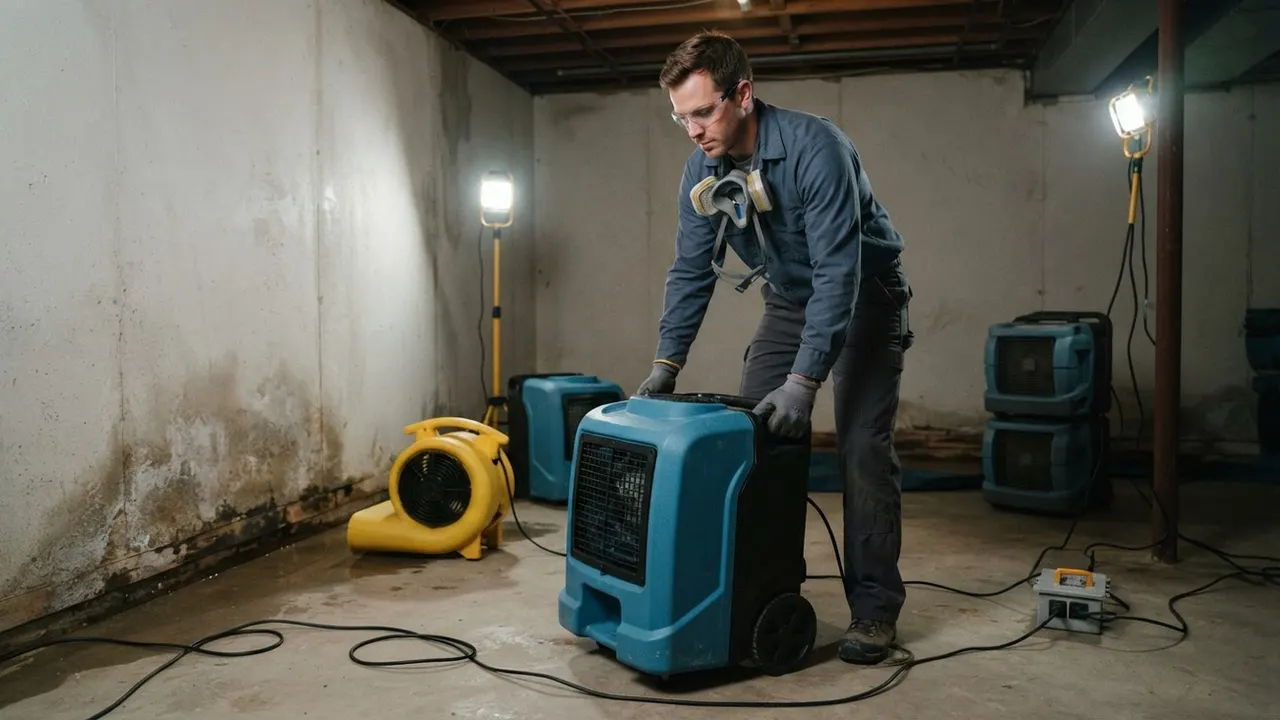
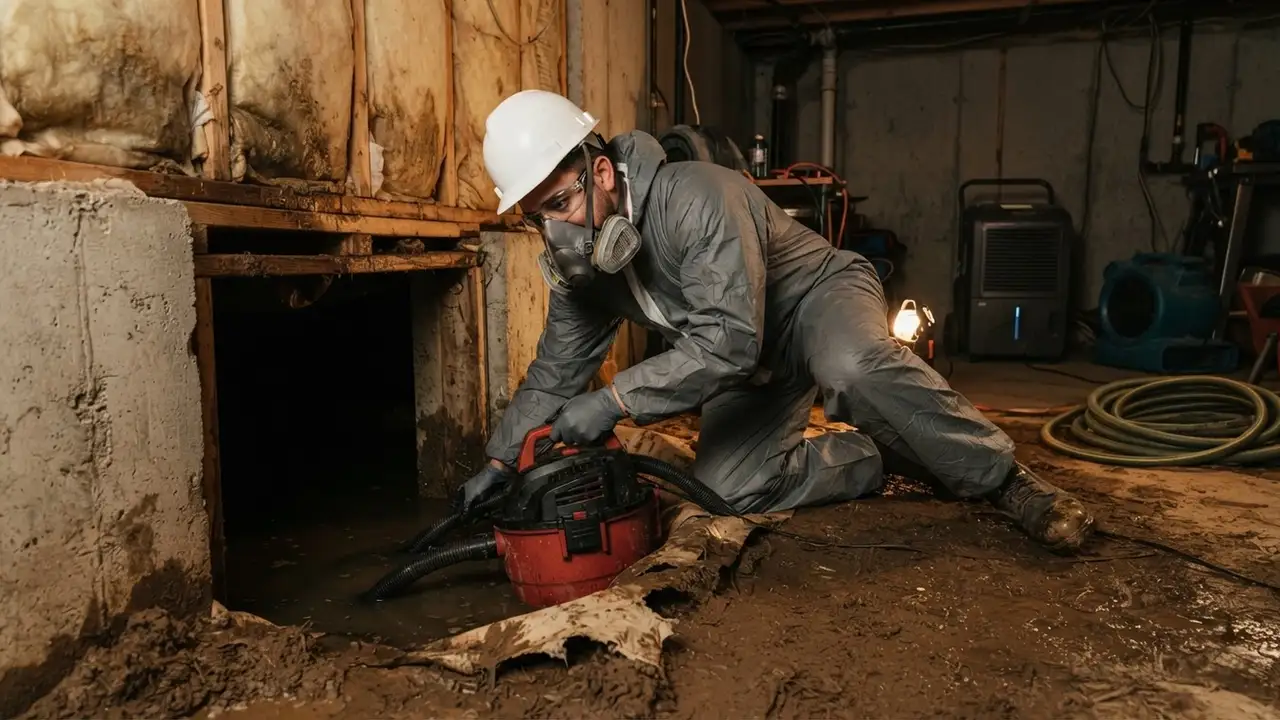
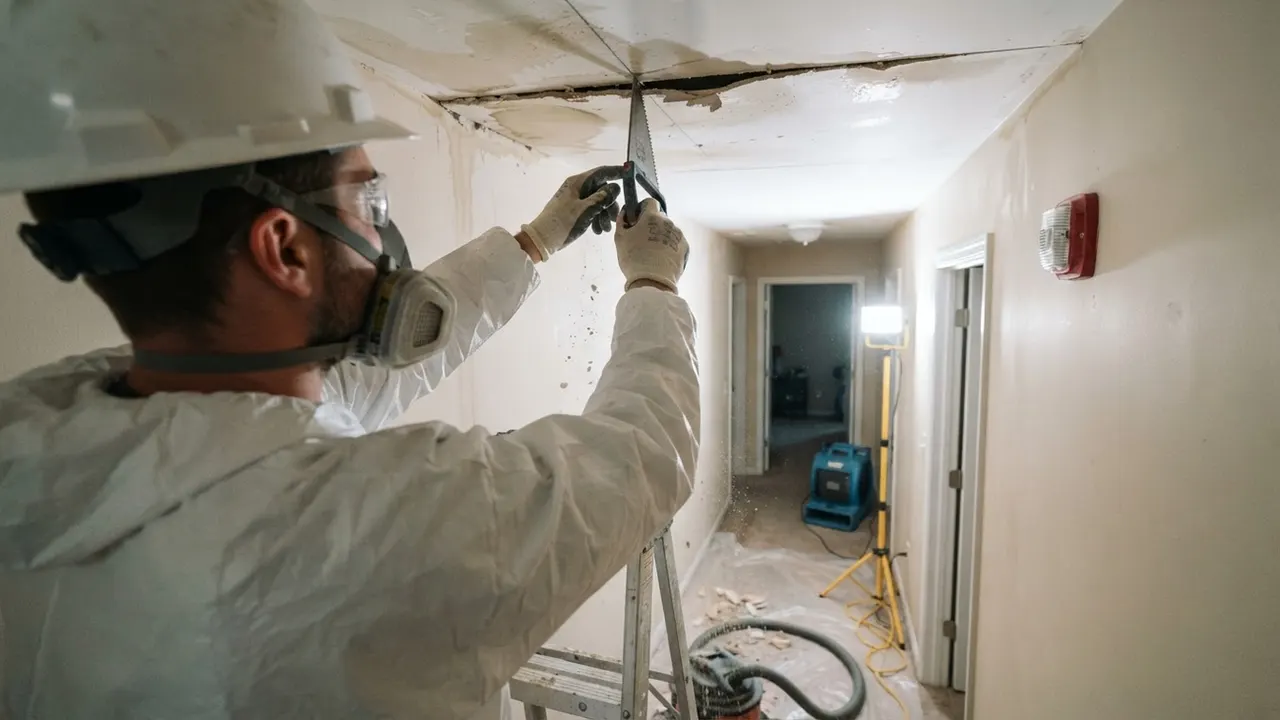
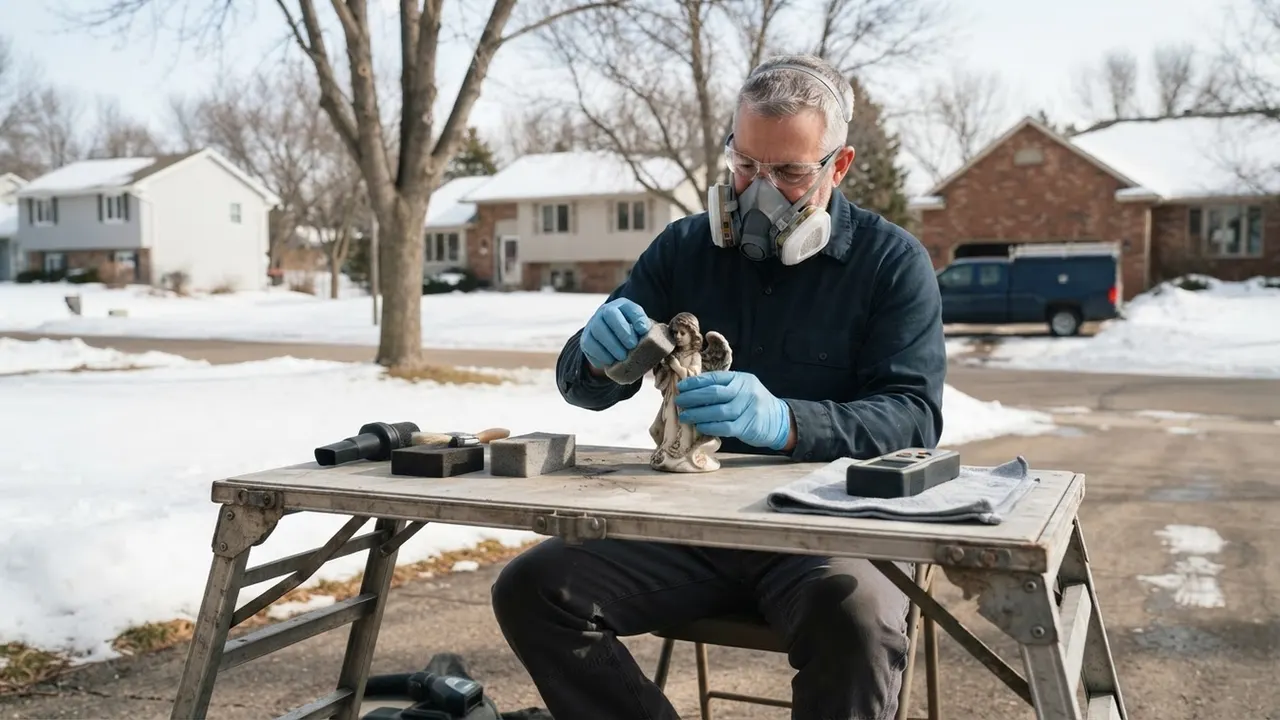
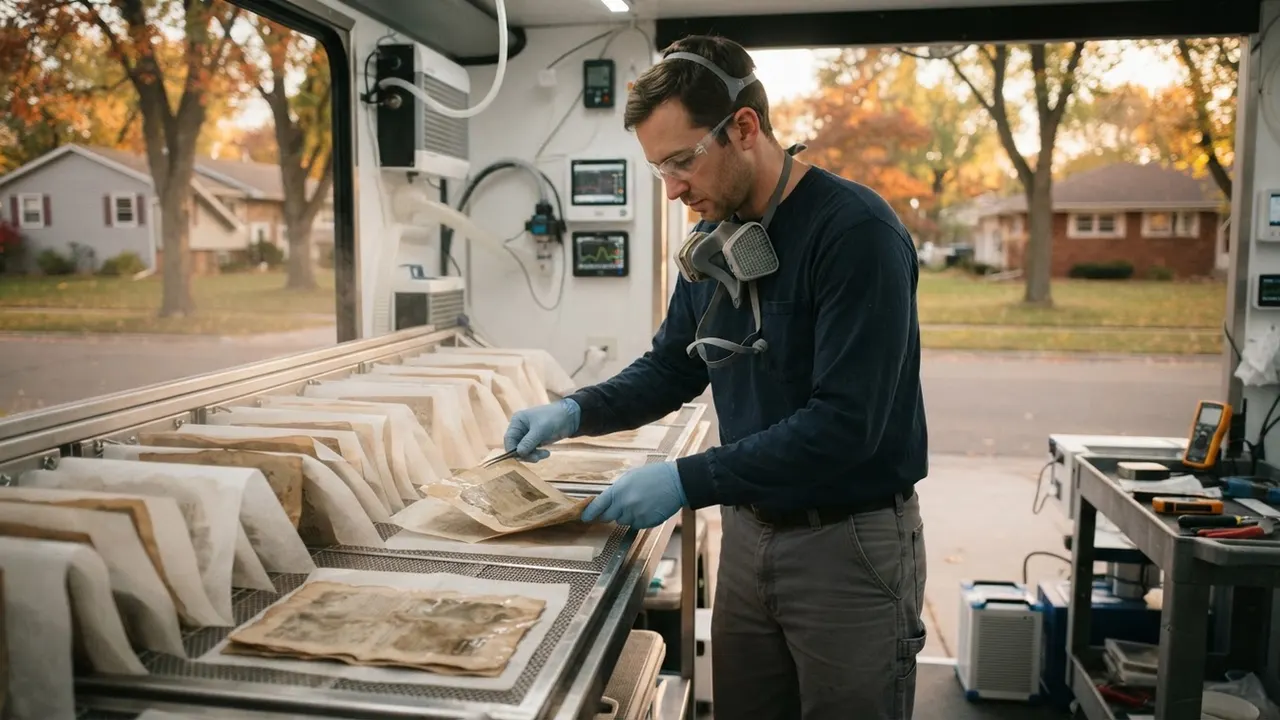
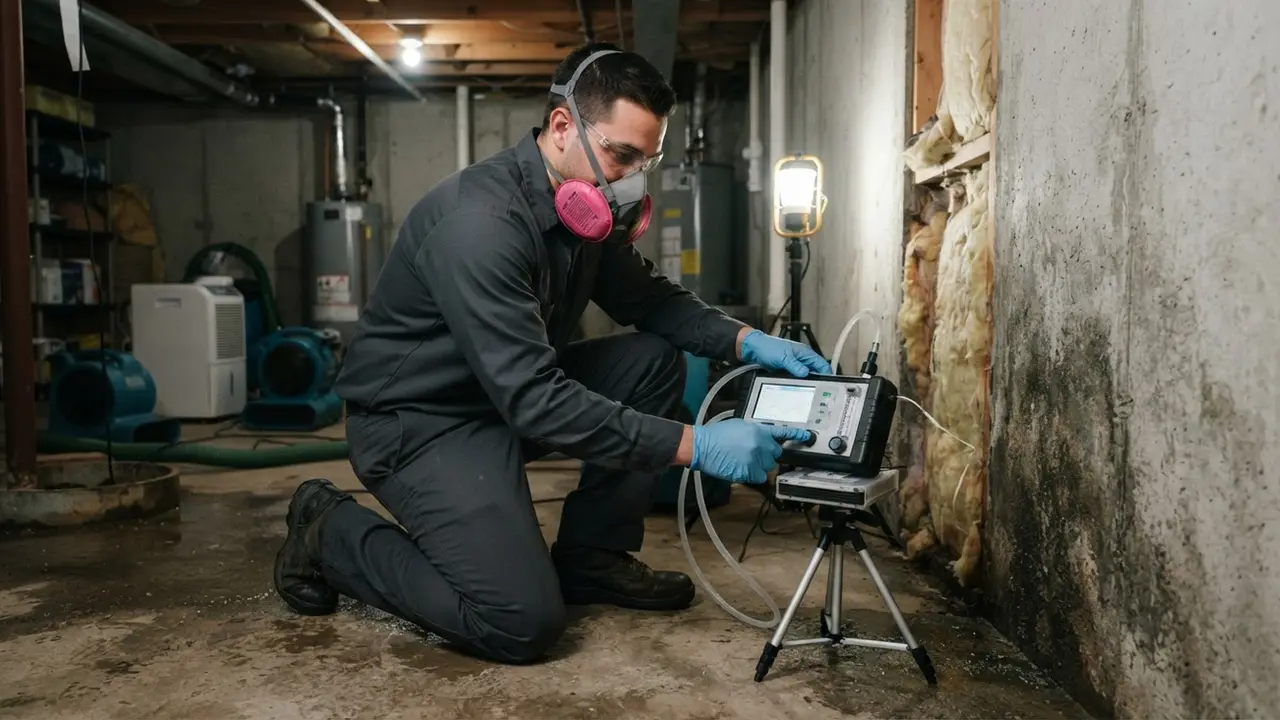
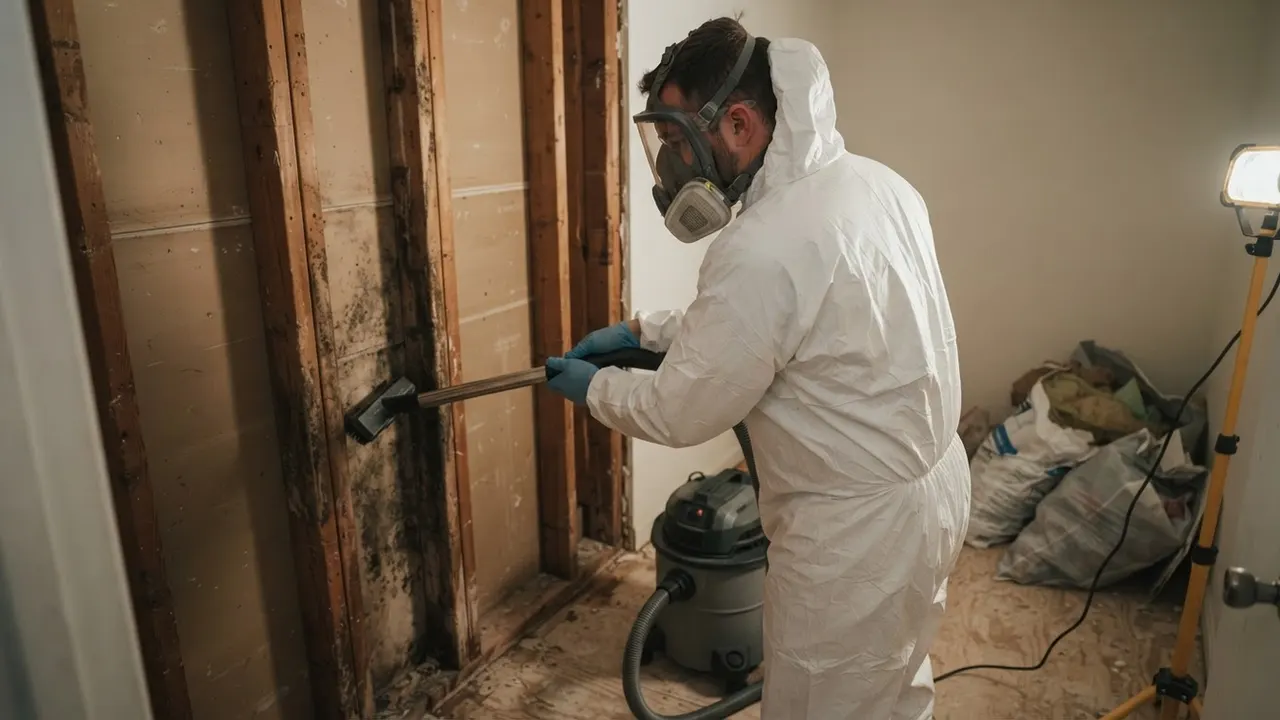
Soot removal and cleaning Hopkins MN helps homeowners, tenants, and property managers address black residue after a fire, furnace puff-back, or smoke event. We assess affected surfaces, protect clean areas, and select cleaning methods for the material and soot type. Our soot cleanup Hopkins MN service also considers odor, HVAC pathways, and water left by firefighting so you can move toward a safe, usable space.
Track roomsRecord affected areas as work proceeds.
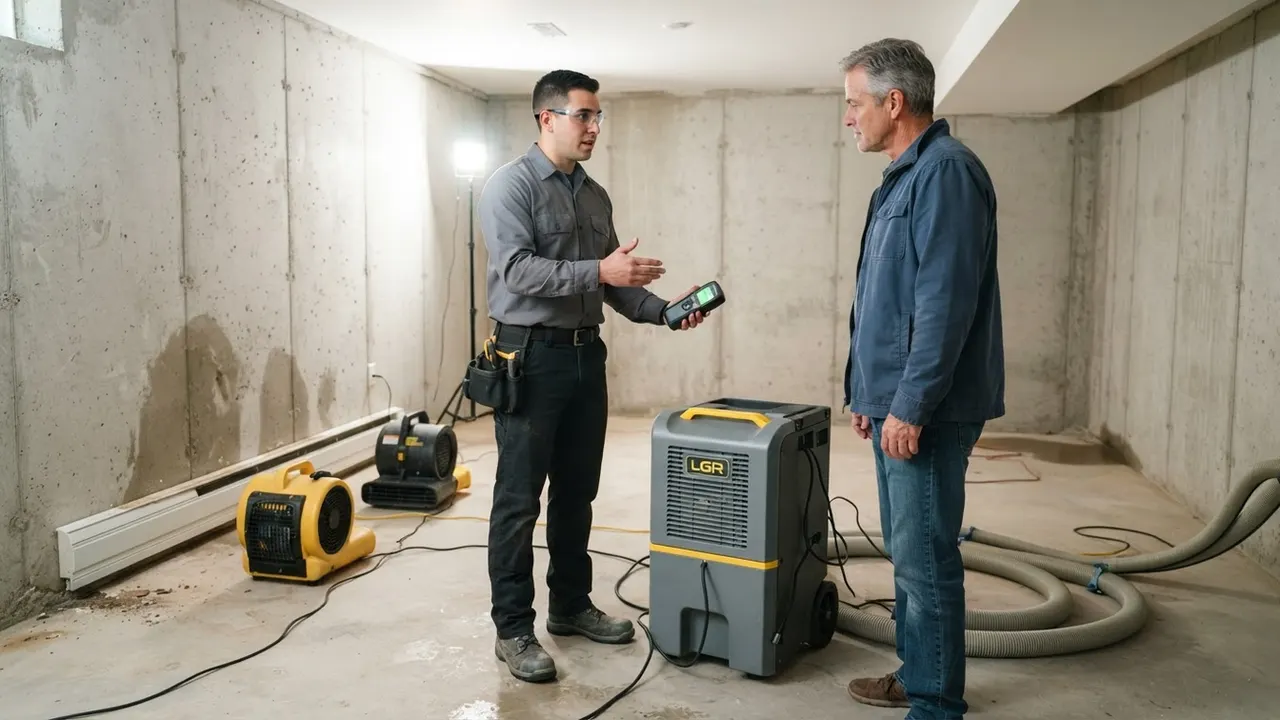
Review togetherWalk through cleaned areas and next steps.
What Soot Removal and Cleaning Includes
Our service covers assessment, work-area protection, removal of loose soot, compatible surface cleaning, and a final condition check. We document contents and affected materials so you can see what was addressed. Odor treatment, HVAC cleaning, demolition, repainting, and replacement of damaged materials depend on the findings and are planned as distinct restoration tasks when needed.
Residue Assessment
We inspect visible deposits, identify likely dry or oily soot, and note affected rooms and materials. Photos and room notes establish a useful record before cleaning begins. We also ask about the fire source and suppression water because both can change the work sequence.
Area Containment
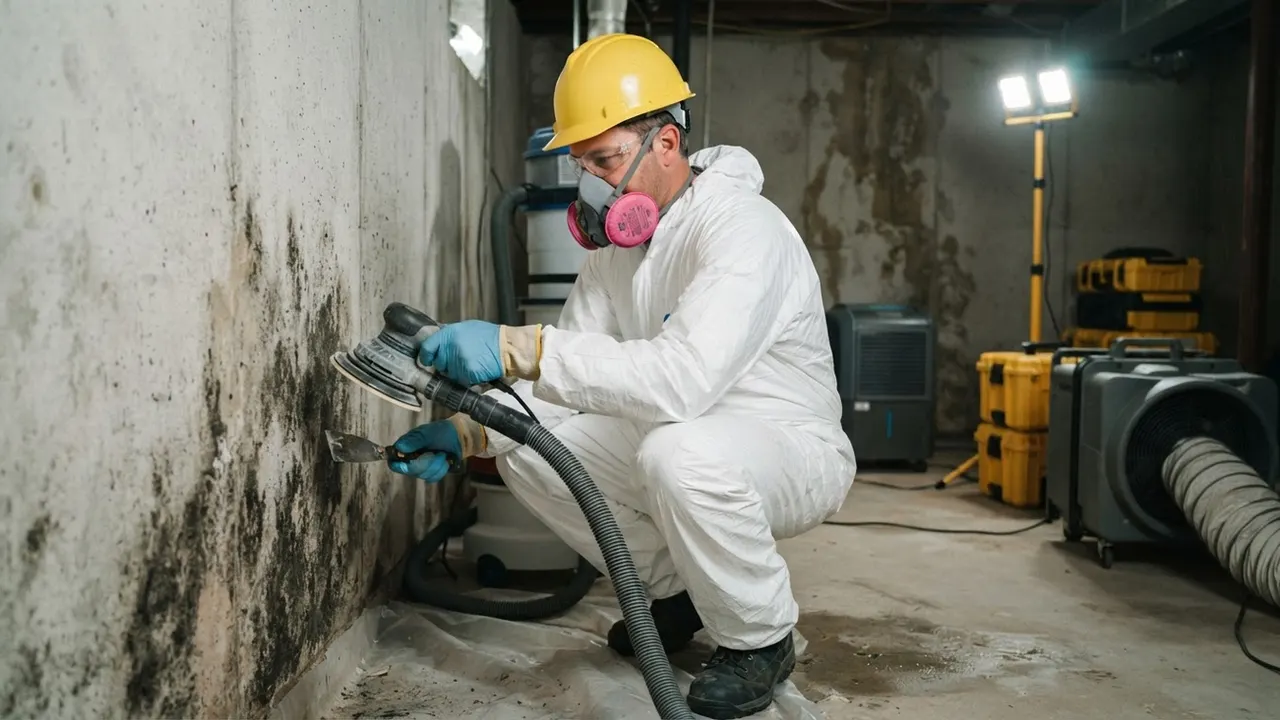
We protect nearby finishes and define movement routes to limit transfer into clean rooms. Plastic sheeting and filtered air control are selected for the layout and contamination level. The setup is adjusted if the work expands beyond the initial room.
Dry Soot Removal
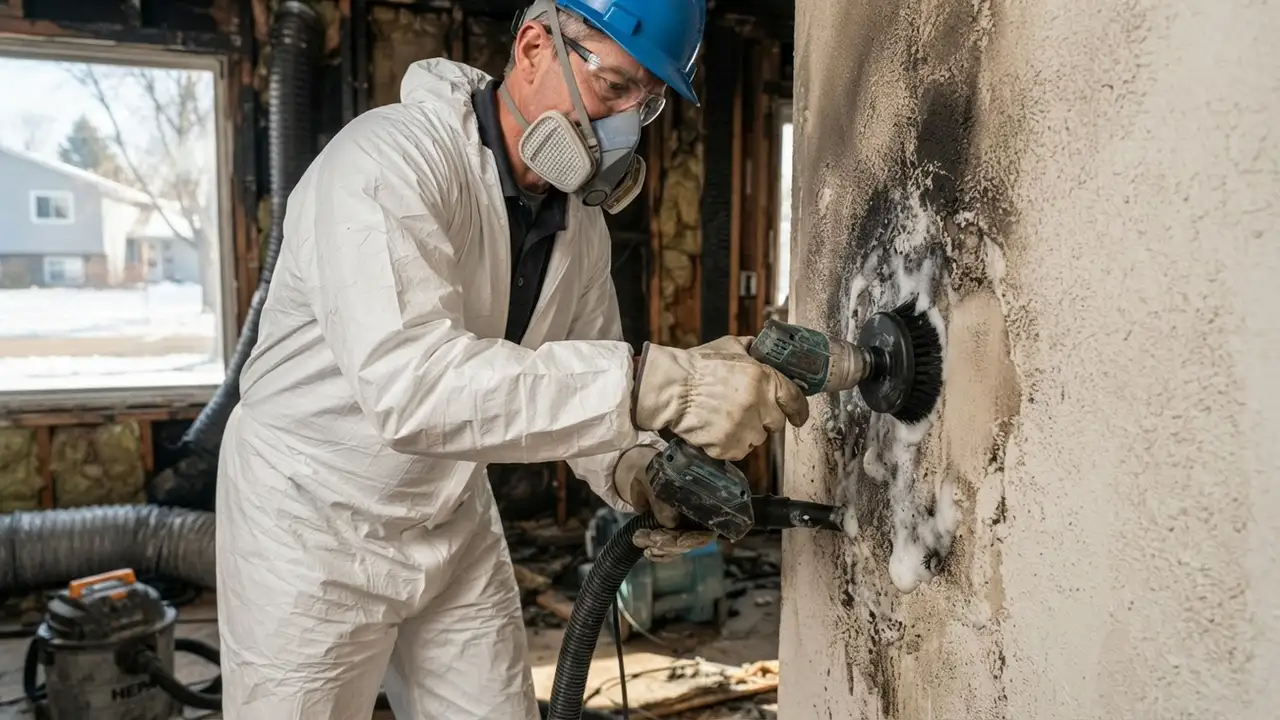
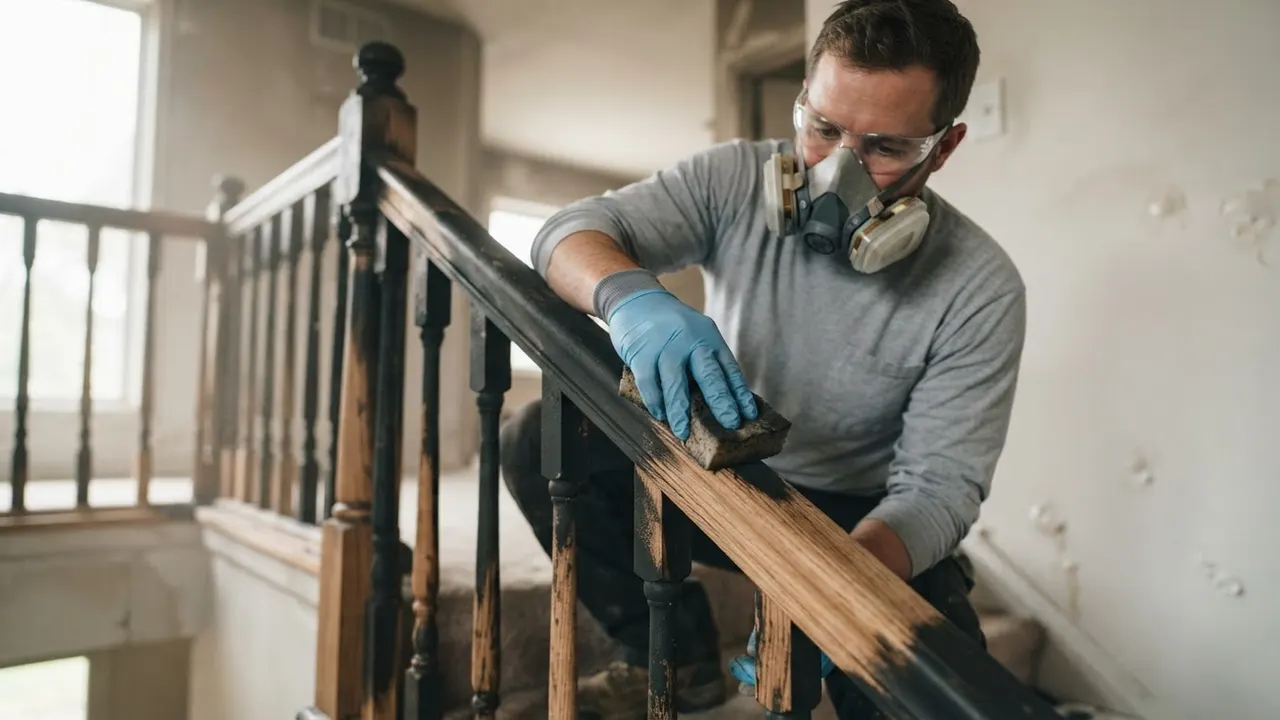
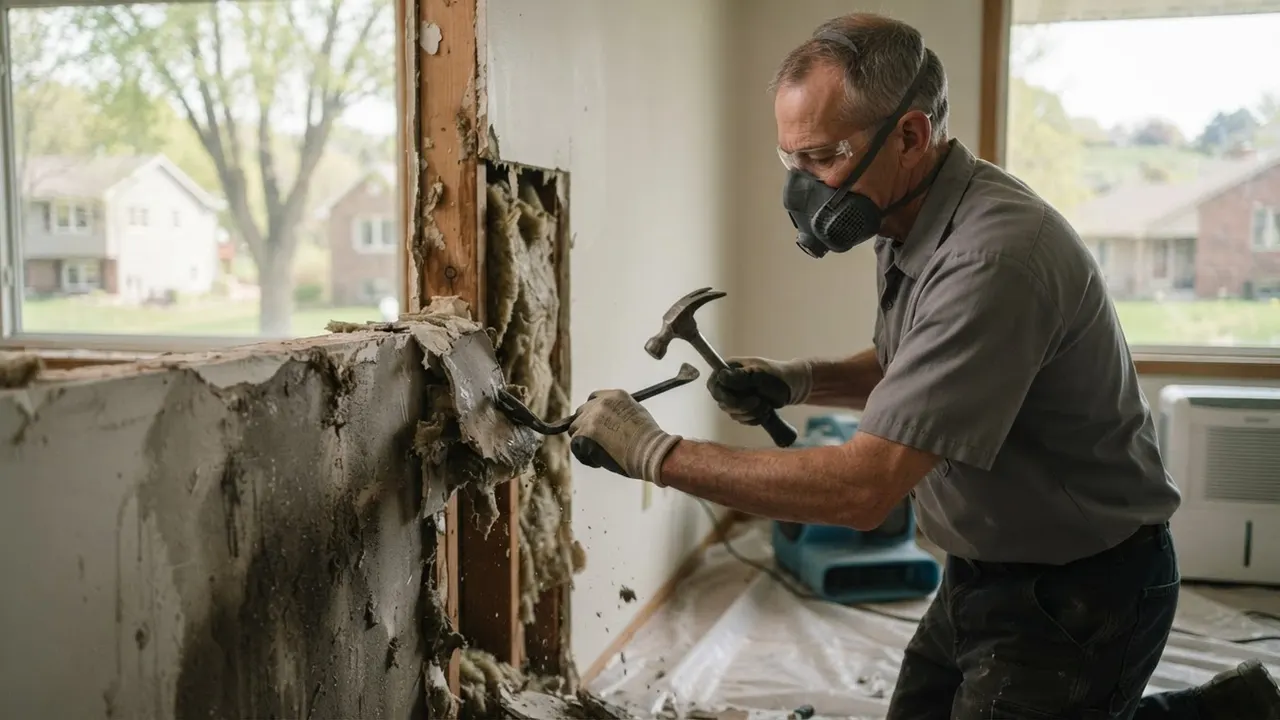
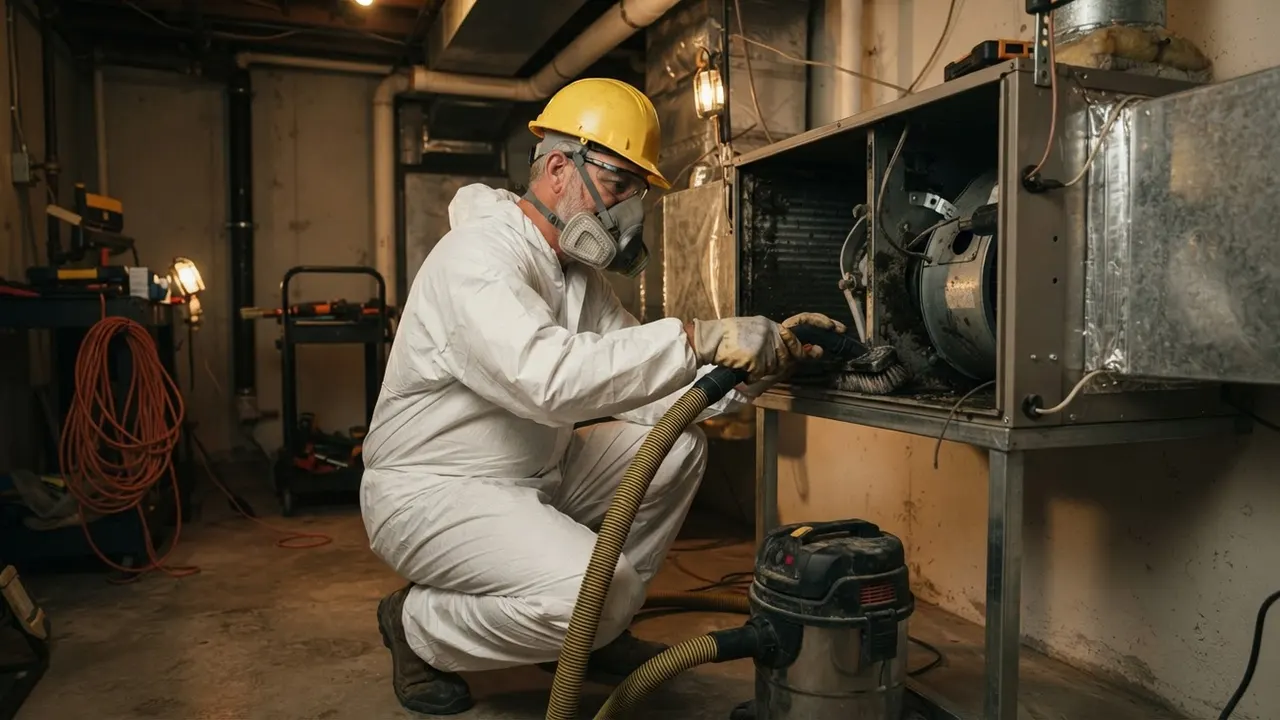
A HEPA vacuum lifts loose particles from compatible surfaces before wet cleaning is considered. We use appropriate attachments and avoid aggressive brushing that can drive residue into porous materials. The method is adjusted for trim, walls, ceilings, and contents.
Surface Cleaning
We test a discreet spot and use a surface-compatible method to remove remaining residue. Cleaning agents are chosen for the material and the type of deposit. If a finish is unstable or the residue has penetrated deeply, we explain repair or replacement options.
Closeout Notes
At the end, we review cleaned areas with you and record remaining concerns such as odor, moisture, or damaged finishes. The notes help distinguish completed cleaning from follow-up work like HVAC service, sealing, or reconstruction.
Homes and Businesses.
The approach is the same for a home and a business. What changes is the access, the schedule and who needs the paperwork.
For Homes
We help homeowners and tenants sort soot from heat or water damage, then plan cleaning around rooms you need to use. We explain access and protect nearby belongings.
Kitchen flare-up above cabinets
Furnace puff-back through living areas
Basement soot with suppression water
For Businesses
We work with owners and property managers to divide affected zones, document contents, and coordinate access. The plan accounts for staff, customers, stock, and shared air pathways.
Office residue after equipment fire
Retail smoke across customer areas
Shared hallway soot in multi-unit buildings
Soot Removal and Cleaning Hopkins MN Explained
A plain-language look at what Soot Removal and Cleaning involves and when it is needed.
Soot removal and cleaning Hopkins MN is a fire-residue restoration service that removes soot deposits from affected surfaces and contents after combustion or smoke exposure. Our work starts by identifying the residue, checking what materials can tolerate wet or dry cleaning, and containing particles before they spread. We use HEPA vacuuming and controlled surface cleaning where appropriate, then evaluate odor and visible residue again. Porous drywall, insulation, textiles, and electronics need different decisions; cleaning every item with the same product can drive soot deeper or damage the finish.
Hopkins properties face varied fire-related cleanup needs, from kitchen flare-ups and candle incidents to furnace puff-backs during a Minnesota cold snap. Fire suppression can add moisture, while soot settles in room corners, closets, and HVAC returns beyond the obvious burn area. Our Hopkins Minnesota soot removal services account for both residue and secondary water concerns. If you're searching for soot removal and cleaning in Hopkins MN near me, we inspect the affected rooms, separate salvageable contents, and explain practical next steps before work begins.
Remove loose soot carefully, clean compatible surfaces, and document materials needing another restoration step.
What it is
A controlled process for removing fire residue from affected surfaces and contents.
When needed
After a fire, smoke event, or furnace puff-back leaves soot deposits.
What to expect
Assessment, protection, residue removal, compatible cleaning, and a condition review.
What to Expect During Cleanup
Soot cleanup Hopkins MN follows a controlled sequence: assess, contain, remove loose residue, clean compatible surfaces, and verify the result. We explain what we are doing as we move through your property, protect unaffected areas, and flag materials that need repair or specialist handling rather than aggressive cleaning.
Inspect and Map
Our team walks the affected rooms with you, identifies the likely source, and notes visible soot, odor, and water impacts. A thermal imaging camera can help locate hidden moisture from suppression or a related leak, while an infrared thermometer checks surface conditions. This first visit commonly takes 30 to 90 minutes for a small property, depending on access and the number of affected rooms.
Inspect
Map rooms
Check moisture
Protect Clean Areas
We establish work boundaries, cover nearby belongings, and set plastic sheeting where movement could carry residue. If airborne particles need control, we position a negative air machine and route exhaust safely. You will know which rooms remain accessible and which need to stay clear during cleaning; setup time is usually 30 to 60 minutes for a contained work zone.
Protect
Contain
Set equipment
Remove Loose Soot
Technicians use a HEPA vacuum with suitable attachments to lift dry residue from compatible surfaces without rubbing it into the finish. We work from higher surfaces toward lower ones and change tools or collection materials as conditions require. A 200-square-foot room with light deposition can take 1 to 3 hours for this stage; heavy or oily soot takes longer.
HEPA removal
Work methodically
Limit smearing
Clean and Deodorize
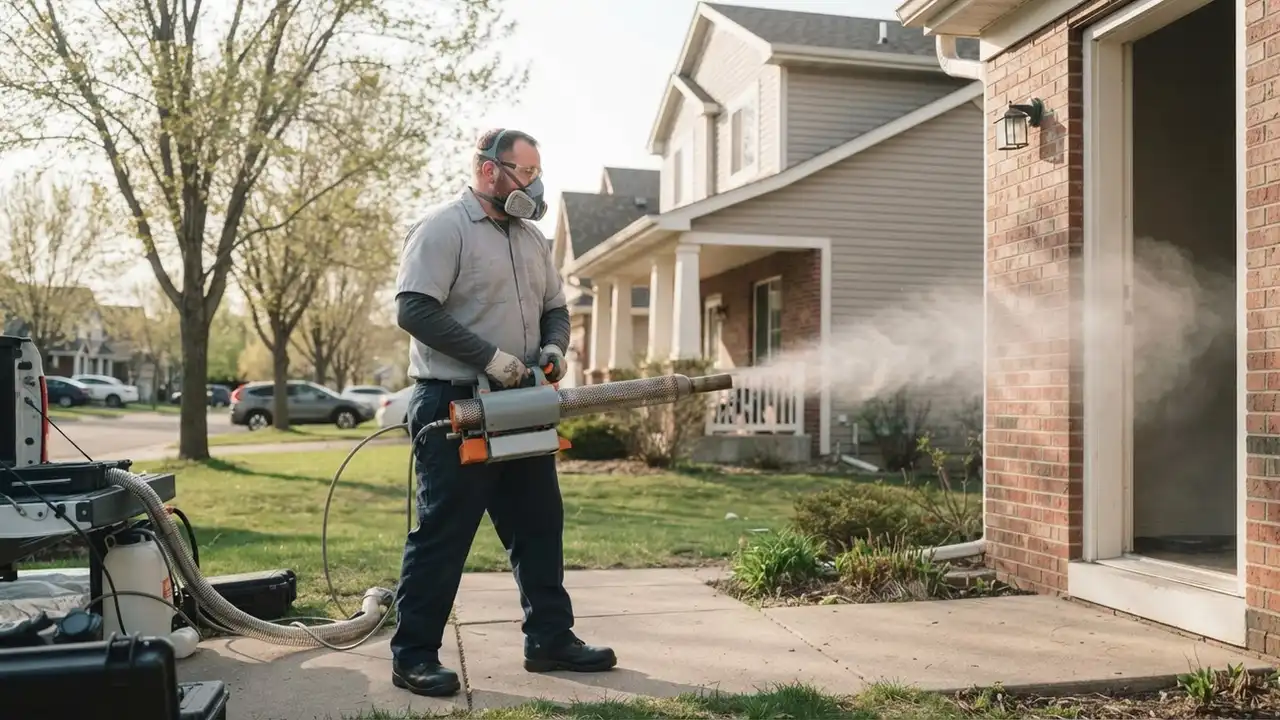
After dry removal, we test cleaning methods on inconspicuous areas and proceed with compatible products and controlled wiping. Contents are handled separately from building materials, and odor treatment is selected after the source residue has been removed. Fogger use is not a substitute for cleaning; any deodorization step follows the surface work and the condition of the space.
Test surface
Clean residue
Review odor
Check and Document
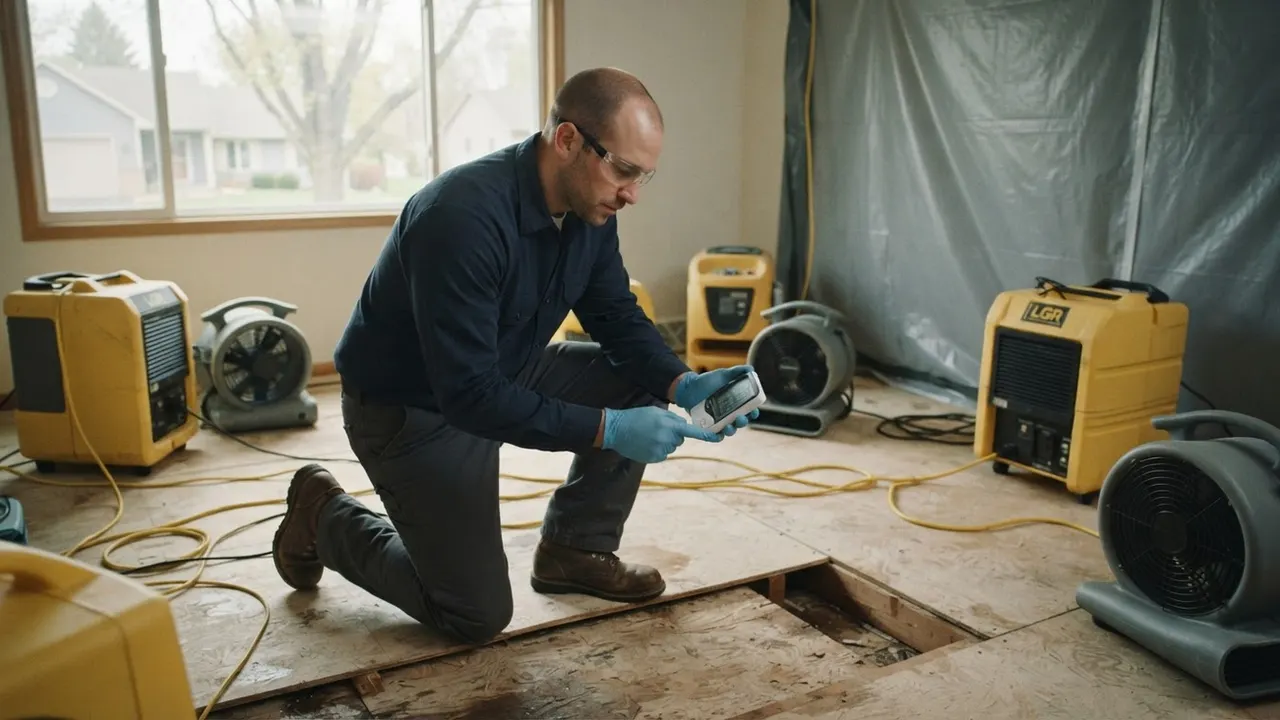
We revisit cleaned areas under good lighting, check for remaining residue, and record surfaces needing repair, sealing, or replacement. A moisture meter helps identify damp materials where firefighting water or a leak was involved. You receive a summary of completed work and next actions, with a final walkthrough that often takes 20 to 45 minutes.
Recheck
Document
Discuss next steps
Tools and Cleaning Methods
Move across a circle, or focus it and press Enter, for an illustrative thermal view of the photograph.
HEPA Vacuum
Captures loose soot particles from compatible surfaces and contents before wiping, reducing smearing and limiting airborne spread during careful removal.
Negative Air Machine
Supports a contained work zone by filtering and managing air movement when the room layout and residue conditions call for additional particle control.
Moisture Meter
Checks damp drywall, trim, or framing after suppression water or a leak so wet materials are not mistaken for soot-related staining.
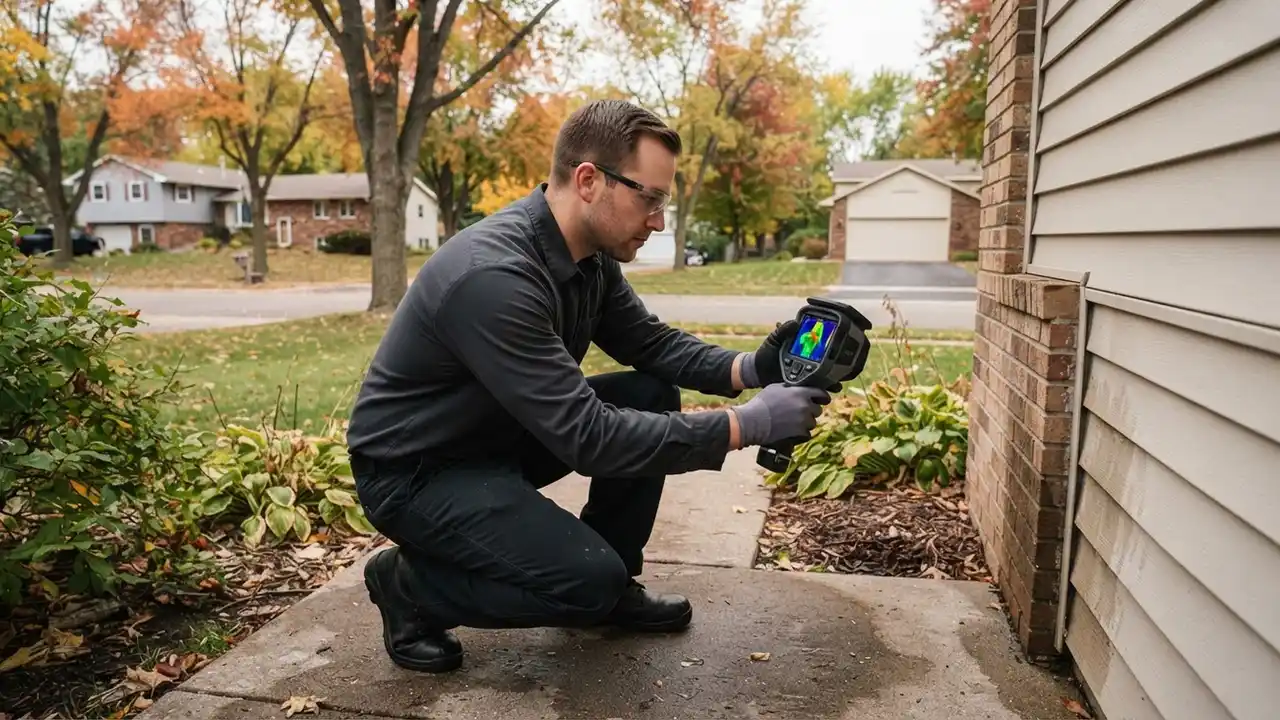
Thermal Imaging Camera
Helps locate temperature patterns that can point to concealed moisture or heat-related concerns; readings are followed by direct inspection.
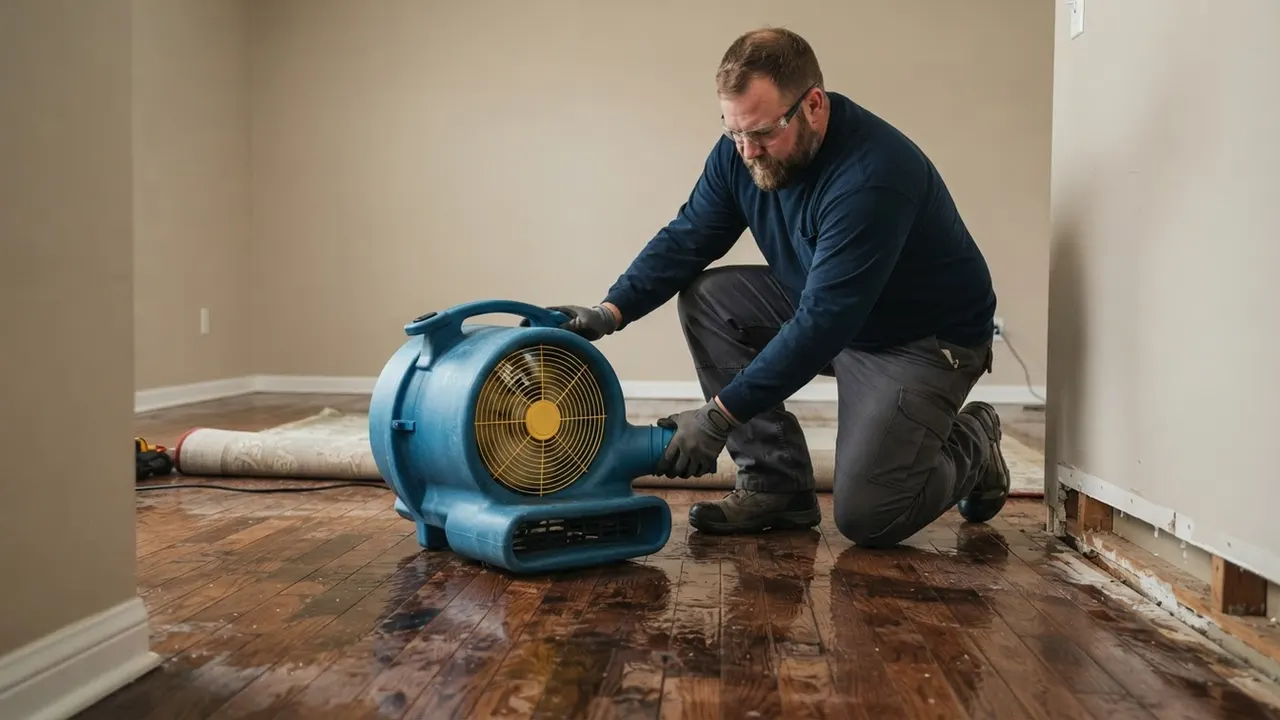
Air Mover
Directs airflow across wet materials when drying is appropriate, with placement coordinated so loose soot is not unnecessarily disturbed.
Thermal views are illustrative, generated from the photographs.
Methods
Fiberlock
A listed restoration product brand considered for suitable cleaning or treatment applications, selected according to surface compatibility and product directions.
Dry removal before wet cleaning
We remove loose particles first with controlled HEPA collection, then test a small area before using a damp method. This order reduces the risk of turning dry soot into a smear.
Containment and clean-to-dirty workflow
We define a work boundary, protect clean surfaces, and move from less affected areas toward heavier deposits when the layout allows. Equipment and cloths are managed to avoid carrying residue back across completed areas.
Material-specific evaluation
Paint, masonry, metal, textiles, and porous insulation each respond differently to soot and cleaning agents. We test an inconspicuous area, watch for finish transfer, and stop if the surface is being damaged. Materials that cannot be safely cleaned are documented for repair or replacement decisions.
Moisture and residue coordination
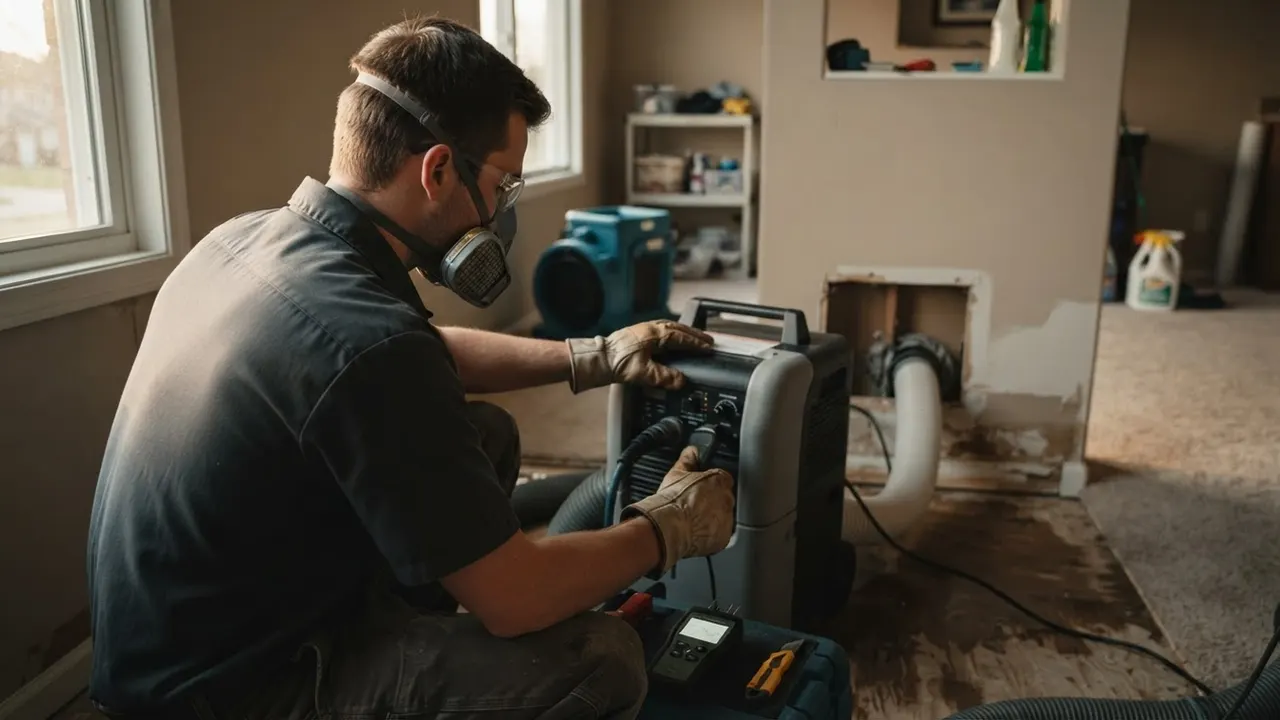
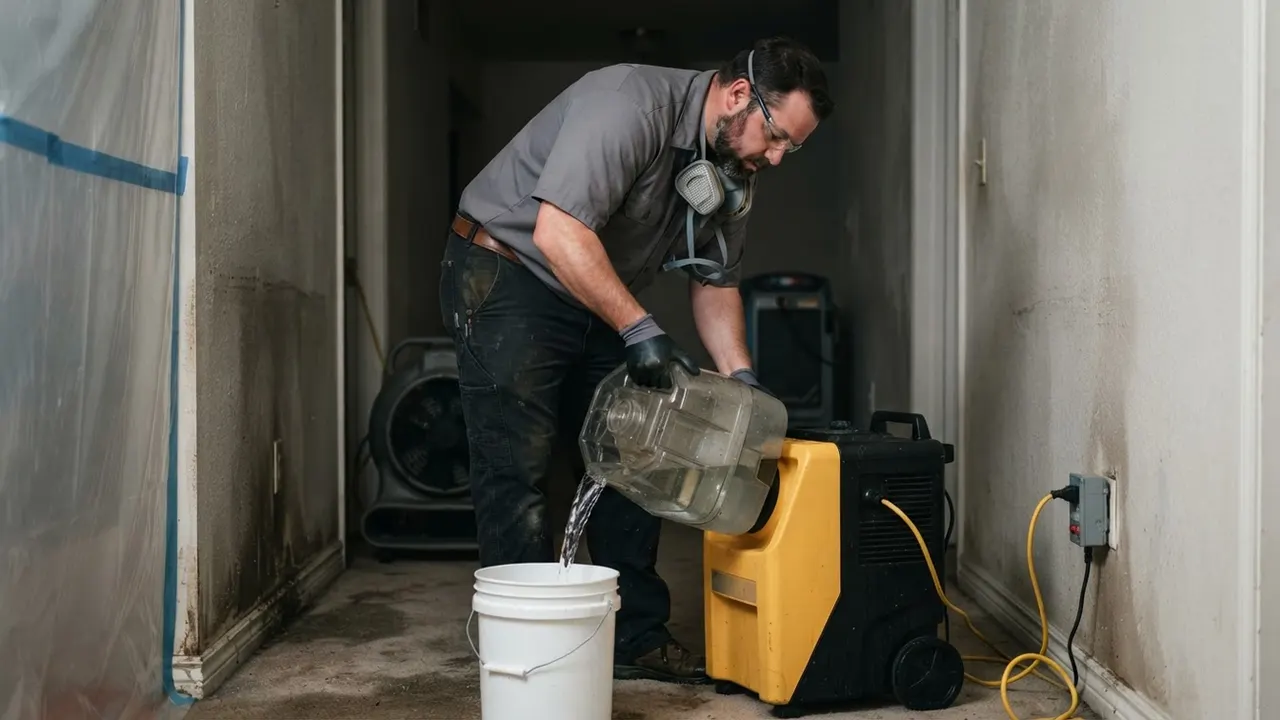
When suppression water or a leak is present, we check moisture and plan drying alongside residue removal. Air movers and a dehumidifier are positioned according to readings and surface conditions. This keeps soot treatment from masking a separate damp-material problem.
When to Schedule Soot Cleaning
Kitchen Flare-Up
A kitchen flare-up in a Mainstreet Hopkins home leaves soot above the range and in nearby cabinets.
We protect counters and adjacent rooms, test cabinet and wall finishes, then remove loose residue before cleaning. We separate food-contact items and contents that need individual attention. If the range hood or nearby HVAC return carried smoke farther, we note those areas for a separate system assessment.
Outcome: You get cleaned compatible surfaces, a record of items needing follow-up, and a clearer distinction between soot residue and heat damage.
Furnace Puff-Back
A furnace puff-back spreads fine black deposits through a Blake Road property during a cold spell.
We map deposition by room, check returns and accessible surfaces, and contain the work area before disturbing residue. A HEPA vacuum removes loose soot, while the furnace and HVAC questions remain separate from surface cleaning. We coordinate the room sequence around household or tenant access.
Outcome: Residue is addressed by zone, and you know whether the mechanical system or additional rooms need separate service.
Basement Fire
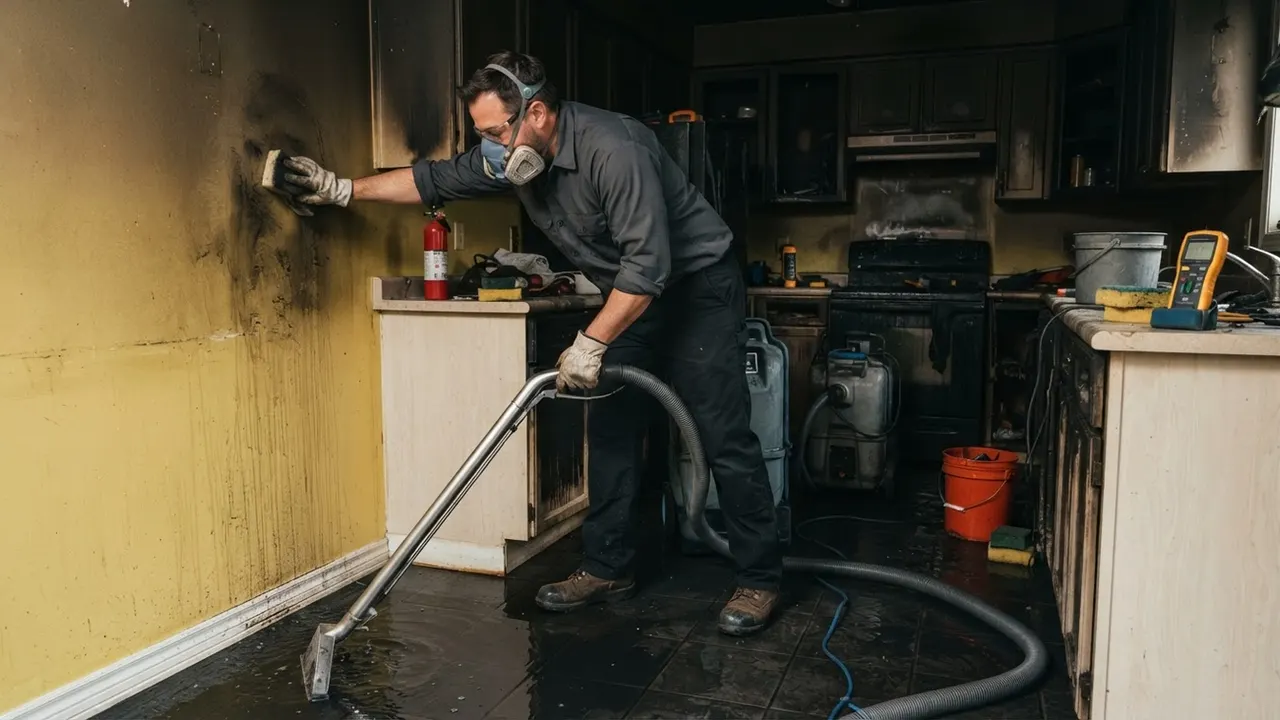
A small basement fire near Hopkins Crossroad leaves soot and hose water on the floor.
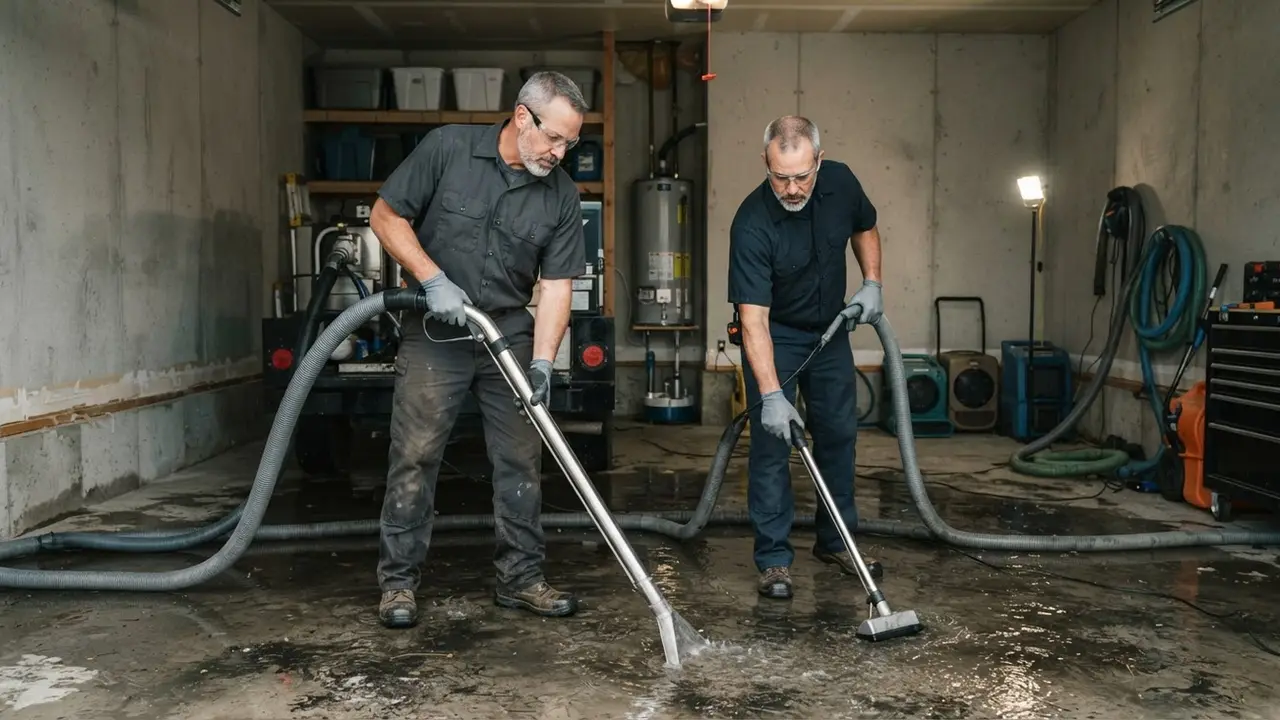
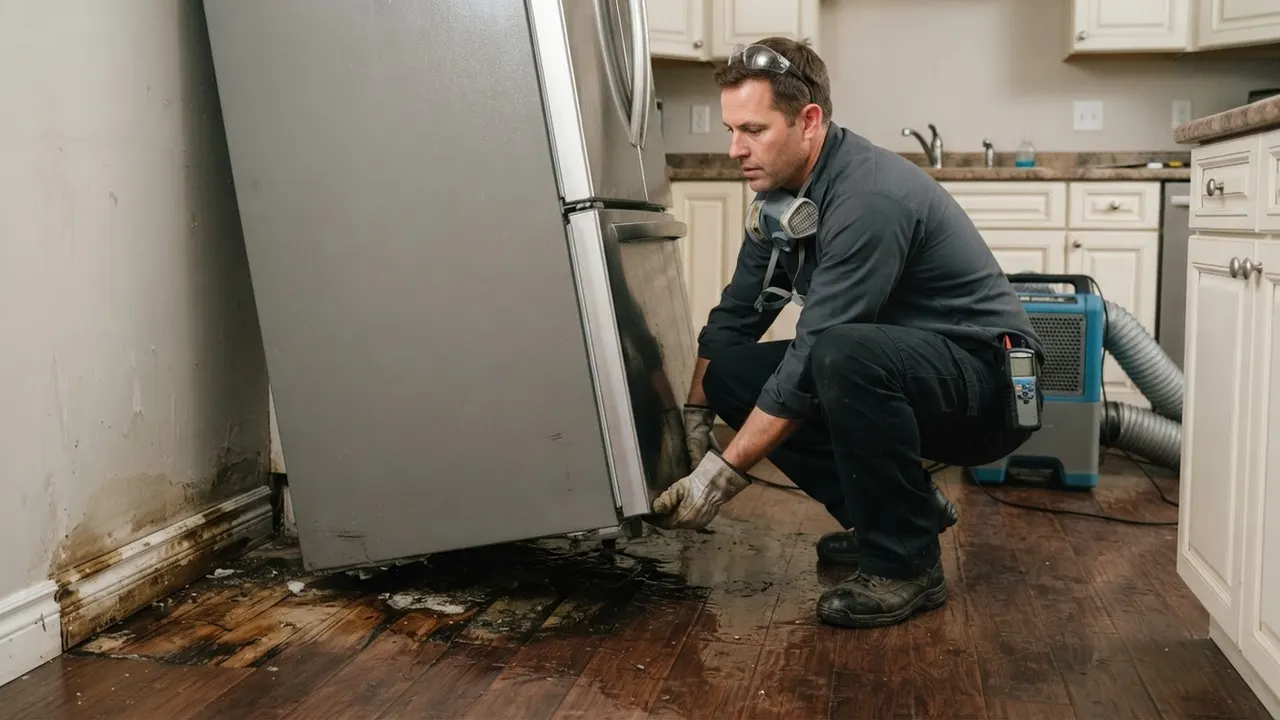
We document both fire residue and moisture, then address standing water and damp materials before finishing surface cleaning. A sump pump or wet/dry vacuum may remove accessible water, while a moisture meter helps locate affected areas. We keep wet contents apart from dry salvageable items.
Outcome: The work plan accounts for both damage sources, reducing the chance that dampness is overlooked during soot cleanup.
Office Smoke Event
An electrical appliance fire in an Excelsior Boulevard business leaves smoke residue near customer areas.
We isolate affected work zones, protect clean stock and furnishings, and assess surfaces before cleaning. The property manager receives a room-by-room record and a practical sequence for keeping staff away from active work. Damaged equipment and electrical concerns are referred for appropriate evaluation.
Outcome: You can plan access around cleaning, identify items needing review, and avoid mixing residue removal with equipment repair.
Downtown HopkinsBlake Road CorridorMeadowbrook
How Soot Cleanup Works in Hopkins MN
Soot cleanup Hopkins MN has to account for cold weather, mixed building ages, and the way smoke moves through connected rooms. In November and through winter, residents may keep windows closed and run heating equipment more often, so a furnace puff-back can spread fine residue through returns and living areas.
Older homes near Downtown Hopkins can have plaster, layered paint, or built-in woodwork that needs careful surface testing; newer commercial spaces often have larger open zones and shared air handling. We start by identifying the fire source, residue pattern, and any water from suppression, a frozen pipe burst, or a roof leak.
For soot removal near me Hopkins, our visit maps affected rooms and checks whether moisture or HVAC pathways need separate attention. We use containment where needed and tailor cleaning to the surface, then document what is cleanable and what requires repair. Hennepin County properties in ZIP codes 55343 and 55305 receive the same condition-led assessment, with access and occupancy shaping the work sequence.
Downtown Hopkins: Older interiors may include plaster, detailed trim, and multiple paint layers. We test these finishes before cleaning so residue removal does not strip or soften the surface.
Blake Road Corridor: Multi-unit and commercial properties can share hallways or air pathways. We plan containment and cleaning zones to limit transfer between occupied and affected areas.
Meadowbrook: Basements and utility areas can hold both soot and suppression water. We check lower-level materials for moisture before deciding how to sequence cleaning and drying.
Excelsior Boulevard Area: Businesses need a clear work-zone plan around staff, customers, stock, and shared systems. We document the affected areas and coordinate access with the property contact.
Closed winter windows can keep smoke odor inside occupied rooms: During cold Hopkins weather, ventilation options are limited and heating systems may circulate air through the property. We focus on source removal, controlled containment, and checking likely air pathways rather than relying on open-window airing.
Fire suppression water can soak basement finishes and stored contents: Water may remain in floor coverings, drywall, or stored items after visible pooling is removed. We separate wet materials, check moisture, and coordinate drying so soot cleaning does not conceal a water-damage concern.
Walk through affected rooms and explain the residue and moisture checks.
Protect nearby surfaces and set up the agreed work area.
Review completed cleaning, photos, and remaining restoration needs.
From Problem to Finished Result.
IllustrativeThe thermal view is generated from the photograph. It is not a measurement. Drag the handle, or use the arrow keys once it is focused.
Kitchen Flare-Up Cleanup
Before: A cooking flare-up left a dark band above the range, soot on cabinet faces, and faint residue in the adjoining dining area. A first wipe had begun to smear the deposit across the paint. The homeowner needed to know which finishes could be cleaned and whether the hood had carried residue farther.
After: We contained the kitchen opening, removed loose soot, and cleaned tested cabinet and wall areas. The work covered about 180 square feet over one workday, with the adjoining room checked for deposition. The final walkthrough separated cleaned surfaces from the small section requiring repainting.
Clean the range hood filters on the schedule in the appliance manual and use the exhaust fan while cooking. If a new soot-like film appears, stop wiping and check the appliance or vent source before it spreads.
Basement Furnace Puff-Back
Before: A furnace puff-back deposited fine black residue on basement shelves, ceiling joists, and a stairwell wall. The room also had damp flooring from a nearby leak, so the property owner was unsure whether the dark marks were soot or moisture staining.
After: We documented the affected zone, used HEPA collection on compatible surfaces, and checked damp materials with a moisture meter. Across roughly 350 square feet, cleaning and initial drying coordination took two days. The owner received separate notes for soot, leak-related moisture, and equipment follow-up.
Have the furnace and venting evaluated by an appropriate technician after a puff-back. Keep the utility area accessible and address any leak promptly so moisture does not complicate later surface checks.
Smoke Residue in a Small Office
Before: A minor electrical fire left odor and fine residue in an office suite, including on desks and the entry corridor. Staff had moved paper files but left electronics and upholstered seating in place. The property manager needed a plan that limited disruption to adjacent tenants.
After: We divided the suite into work zones, assessed contents, and cleaned compatible surfaces over two days. About 600 square feet received documented attention, while electronics were set aside for specialist evaluation. The manager had a room record for coordinating follow-up odor treatment and repairs.
Keep the source area closed until electrical equipment is evaluated and restoration work is complete. Replace or clean HVAC filters as directed after system assessment, and monitor the suite for odor returning from porous contents.
Problems Soot Removal Near Me Hopkins Addresses
A fire can leave visible black deposits in one room and fine residue in spaces that look untouched. Our professional soot cleanup in Hopkins Minnesota starts by finding where particles traveled, then treats surfaces and contents according to their condition. These are common problems we help you sort out.
Smeared wall sootDry soot smears across painted walls after an untested wipeA household cleaner or damp cloth can spread the deposit and leave a larger stain, making later surface treatment harder and increasing the area needing repainting. We stop further wiping, assess the wall finish, and remove loose particles with suitable HEPA equipment. A discreet test area shows whether the paint tolerates the selected cleaning method.
Puff-back residueFurnace puff-back leaves residue in several roomsFine particles can settle on horizontal surfaces, closets, and HVAC returns, leaving odor and residue beyond the mechanical area. Continued system operation may redistribute contamination. We map the visible deposition and check likely air pathways before cleaning. The plan separates surface soot work from any HVAC service required, and we protect clean rooms while working. If a furnace issue caused the event, you can arrange equipment inspection alongside restoration rather than treating the residue as ordinary dust.
Wet drywallSuppression water dampens soot-covered drywallMoisture can weaken paper-faced drywall and conceal damage behind finishes. If damp materials remain enclosed, drying and repair decisions become more difficult. We record the moisture condition with a meter and identify affected materials before surface cleaning. Air movers and a dehumidifier may be used when drying is appropriate, with readings guiding placement. If drywall or insulation cannot be restored, we explain the removal and replacement needs separately from soot cleaning.
Lingering odorSmoke odor remains after visible residue is removedOdor can persist in porous contents, cavities, or HVAC pathways even after surface deposits are no longer obvious, making the room uncomfortable to occupy. We look for remaining odor sources rather than masking the smell first. Contents, soft materials, cavities, and air pathways are evaluated separately. Once source cleaning is complete, we discuss suitable deodorization options and explain where additional cleaning or material replacement may be required.
Cleaner Surfaces and Clearer Next Steps
A measured cleanup leaves you with cleaner surfaces and clear next steps.
Less Soot Spread
We isolate the affected zone with plastic sheeting and use a negative air machine when the layout and contamination call for containment. That helps keep loose particles from traveling into clean rooms during removal. For a small kitchen event, we focus on nearby cabinets, ceilings, and adjoining spaces rather than treating the whole property as one contaminated area.
Surface-Specific Cleaning
Paint, masonry, finished wood, and fabric do not respond to the same cleaning approach. We test a discreet area, then choose a compatible method and cleaning agent. Fiberlock or Benefect products may be considered where appropriate, with product selection based on the surface and the residue rather than a one-product-fits-all routine.
Better Contents Decisions
We sort items by material, exposure, and cleaning potential, then separate items for on-site treatment or pack-out. A soot damage cleaning Hopkins Minnesota plan can distinguish washable hard goods from porous items that need specialist evaluation. That keeps the next decision focused on actual condition, not guesswork from a room's appearance.
A Documented Work Path
Photos, room notes, and item records help you follow what was cleaned and what remains. We can organize job details in a format useful for an insurance conversation, including affected materials and work completed. The record is especially helpful when smoke residue crosses several rooms or involves both structure and contents.
What You Receive
Clear records you can keep and share.
Photo Log
Images of affected and cleaned areas.
Room Notes
Record of observed residue and work completed.
Contents List
Items identified for cleaning or further review.
Moisture Notes
Readings and locations checked during the visit.
Soot, Smoke, and Water Are Different
A fire loss can involve several conditions; identifying each one keeps the cleanup sequence practical.
Soot Deposits
Combustion residue that settles on surfaces and contents.
May be dry or oily
Can smear when wiped
Needs material-specific cleaning
Smoke Odor
Odor that can remain in porous materials after visible residue is removed.
Check contents and cavities
Clean the source first
Assess HVAC pathways
Fire Water
Moisture left by suppression or a related leak.
Check hidden dampness
Dry affected materials
Coordinate before repairs
Surfaces and Materials
Painted drywall
Plaster
Finished wood
Masonry
Metal
Textiles
Insulation
Contents
Service ZIP Codes.
A list like this tells people straight away whether you cover their street. Not listed? Call and ask: it only takes a minute.
After a stovetop flare-up, soot had reached the ceiling and the next room. The crew covered the hallway, used HEPA equipment, and checked the cabinet finish before cleaning. They showed me which items could be handled on site and documented the areas that still needed paint work. The kitchen felt usable again once the residue was gone.
A furnace puff-back left fine black residue in several units, not just beside the mechanical room. The team mapped the affected spaces and worked through them in sections, keeping tenants informed about access. They also noted dampness from a separate leak, which helped us organize drying and soot work without confusing the two.
We had smoke and soot after a small basement fire, plus water on the floor from the response. The crew separated wet items from dry contents, checked the walls, and explained why a few porous pieces needed further review. Their photos and room notes made it easier to track what was cleaned and what still needed repair.
Soot Cleanup Questions, Answered
Typical 2026 pricing in this area depends on soot type, surface area, contents, containment, and odor treatment. We inspect the affected spaces and explain the cost drivers before work proceeds. Structural repairs, HVAC cleaning, and replacement of damaged materials are separate needs that can change the total.
We identify the residue, contain the work area, remove loose soot with HEPA equipment, then clean compatible surfaces using tested methods. We avoid wiping dry residue with a wet cloth because that can smear soot into paint or porous material. Contents are assessed separately, and a moisture meter checks dampness when suppression water is present. The sequence and products depend on the finish, contamination level, and condition of each item.
Homeowners or commercial policies often cover sudden, accidental fire and smoke damage, but coverage depends on your policy and the event. Contact your insurer promptly, photograph affected areas, and keep receipts and item records. We can document observed damage and completed cleaning for your claim file, but your insurer determines coverage and payment. If suppression water also damaged the property, record both fire residue and moisture impacts.
Choose a provider that inspects before cleaning, explains how it will protect unaffected rooms, and documents surface-specific methods. Ask whether the crew uses HEPA collection, how it handles porous contents, and what happens when material cannot be cleaned safely. Our professional soot cleanup in Hopkins Minnesota begins with an assessment and a direct explanation of the work, so you can compare the plan with your property's actual needs.
Tell us what burned, which rooms show residue, and whether water is present. We will discuss the inspection and explain the next practical step for your property. Call Hopkins Water Damage Company at (833) 546-4116 to start the conversation.
Call Hopkins Water Damage Company at (833) 546-4116 to describe a leak, fire, mold concern, or basement water problem. We connect you with independent companies serving Hopkins, Minnesota, including ZIP codes 55343 and 55305. Tell us the property type, affected area, and whether the source is still active so the provider can understand what help you need.