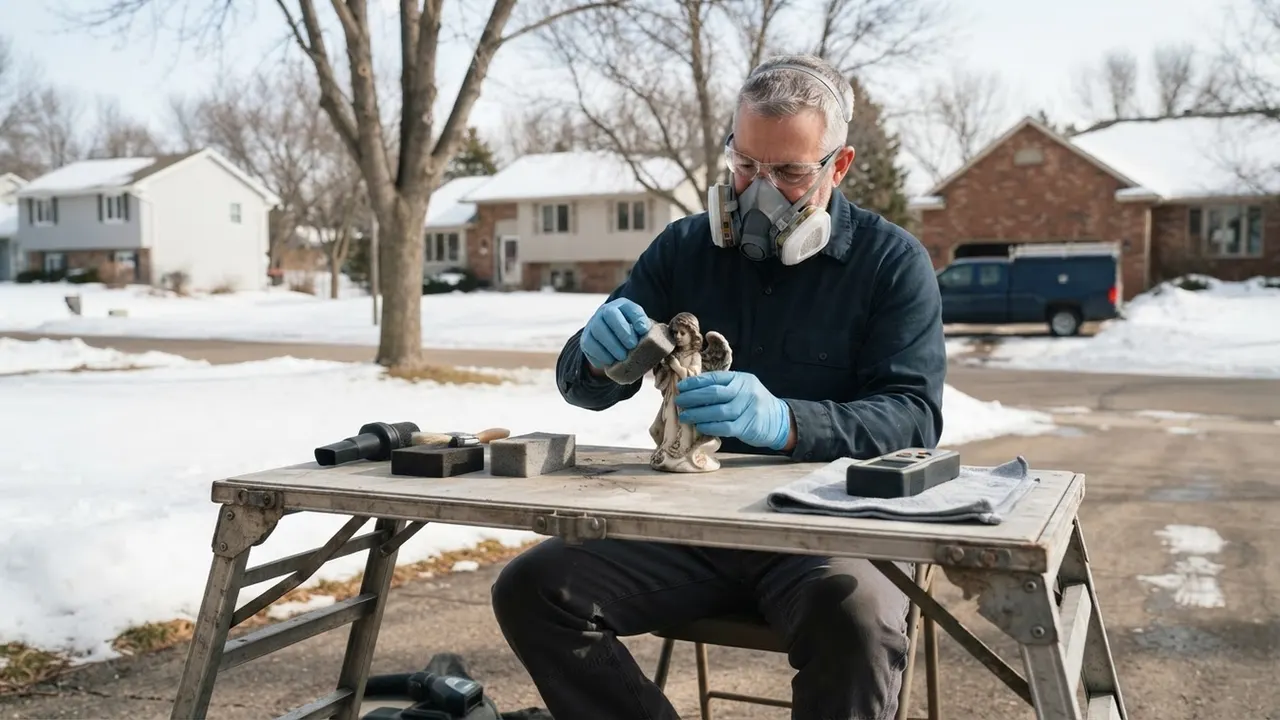
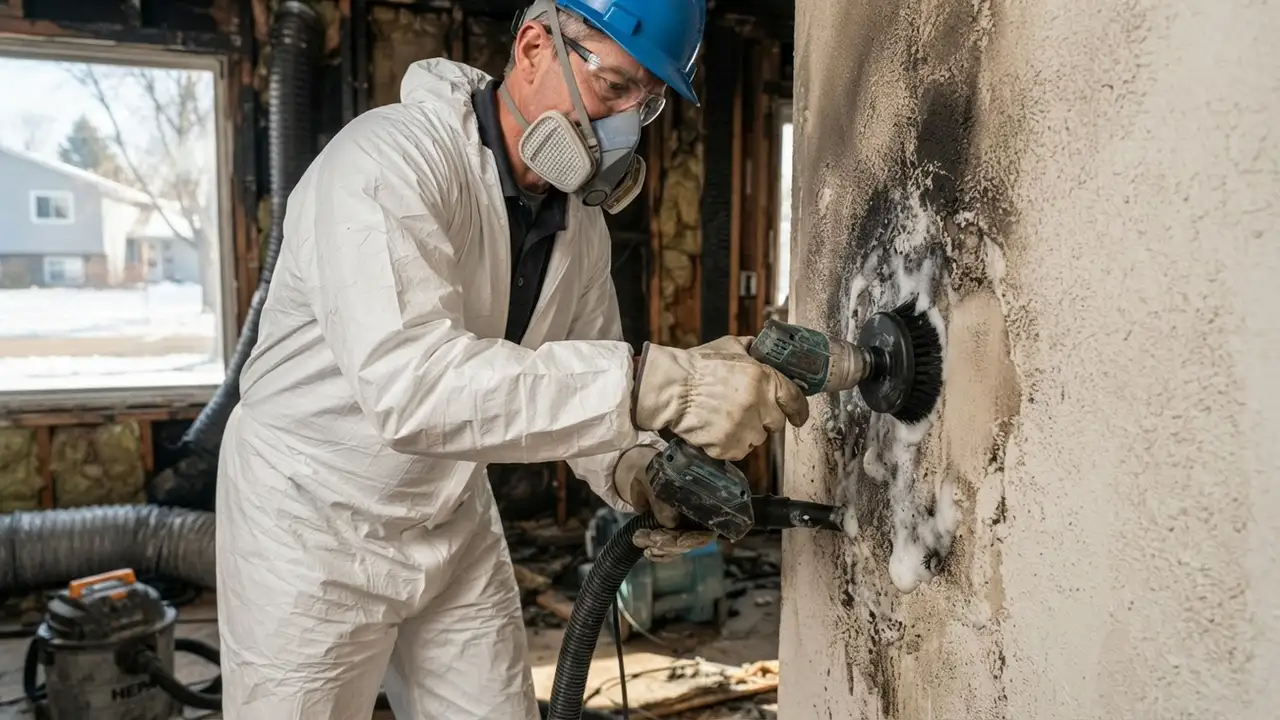
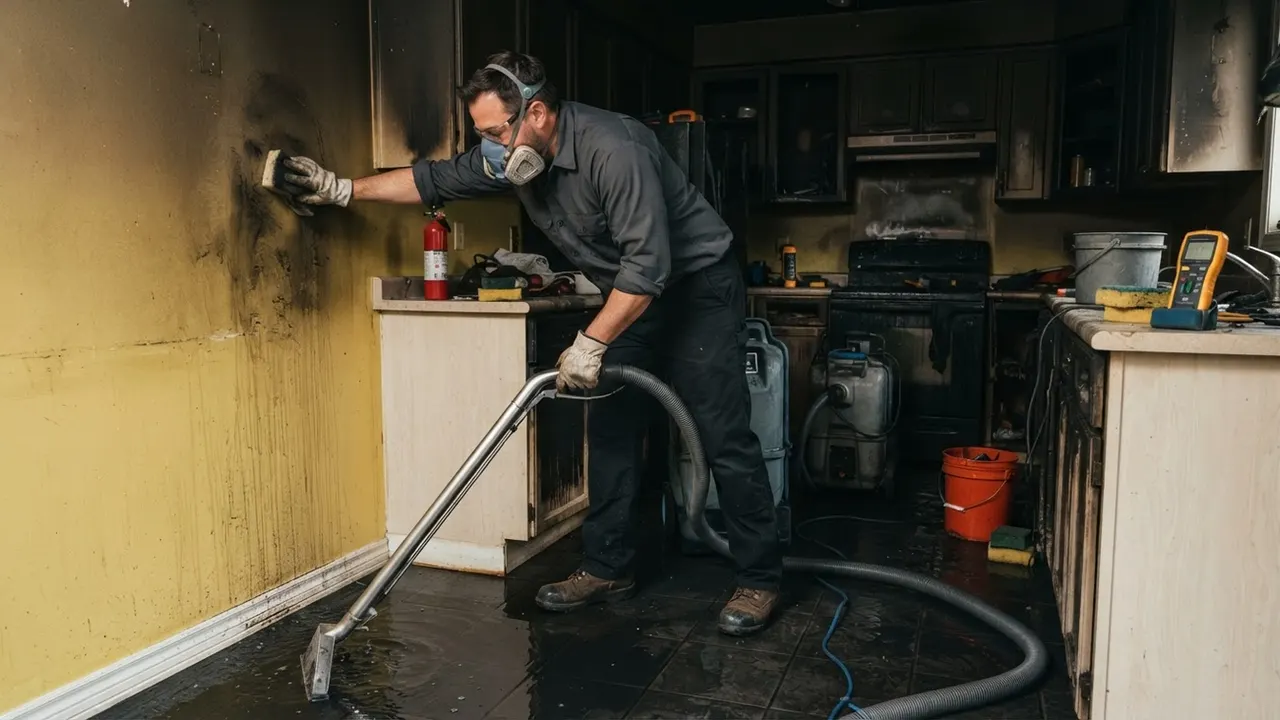
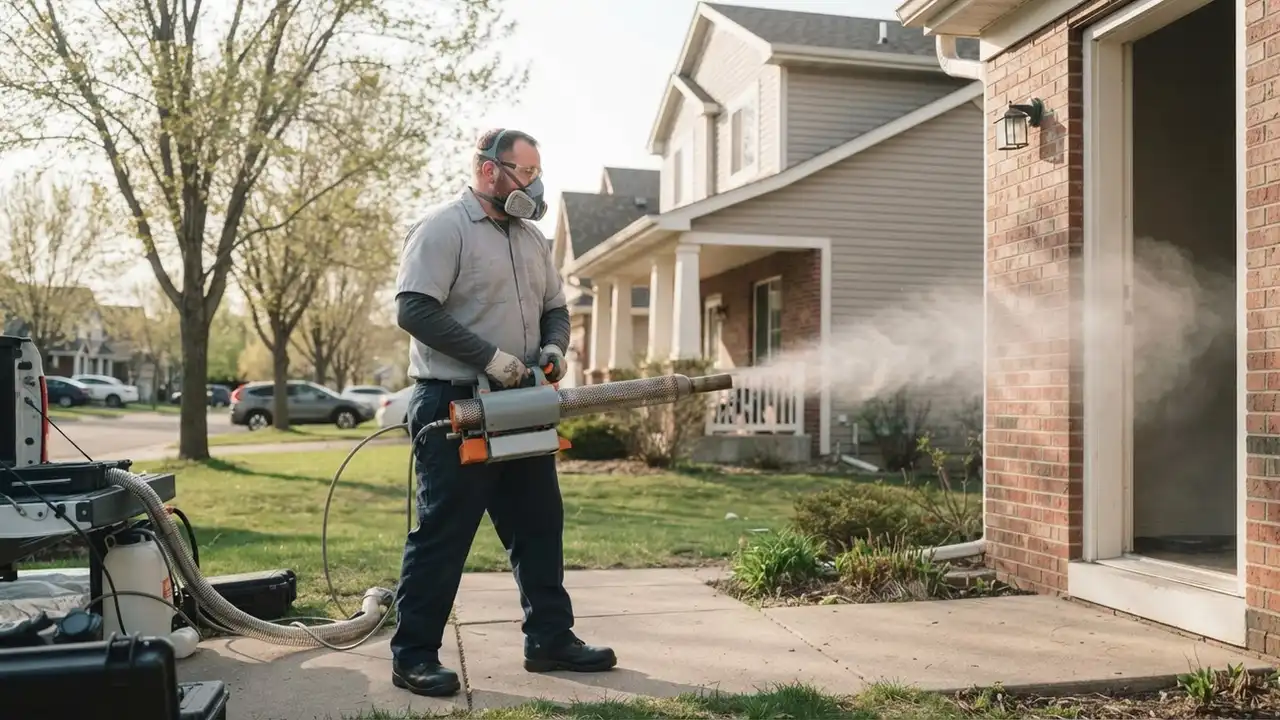
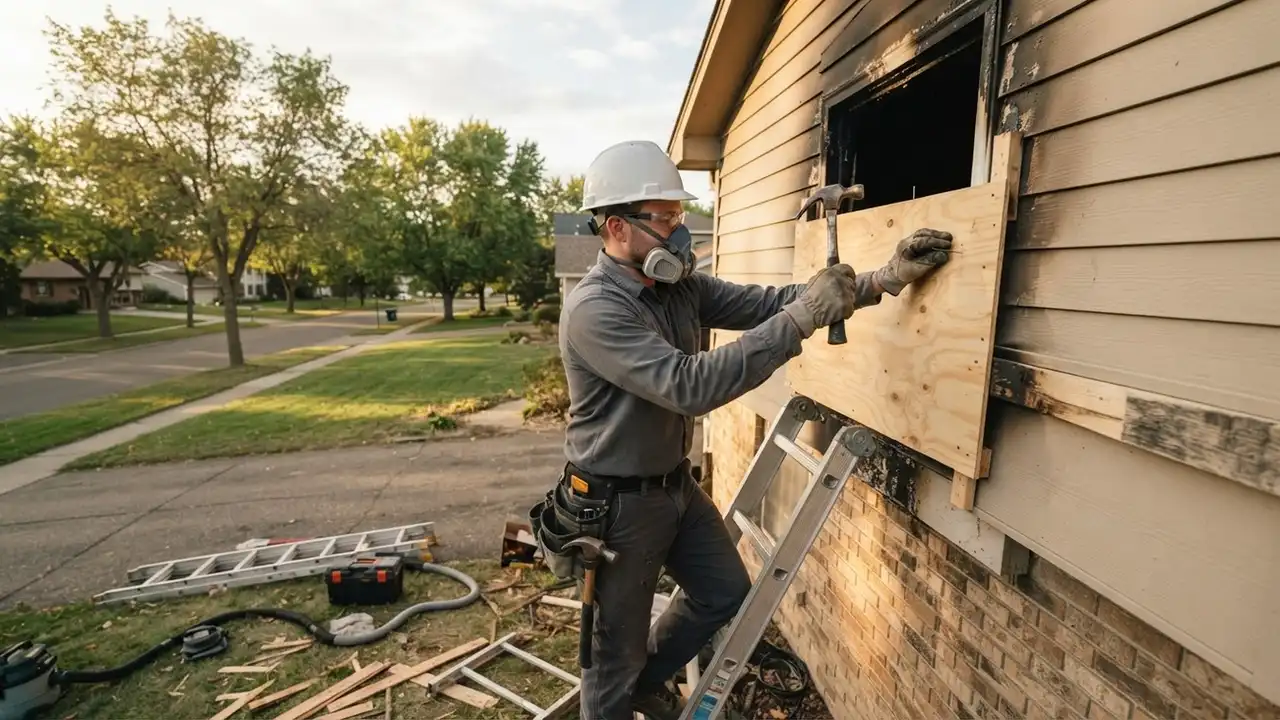
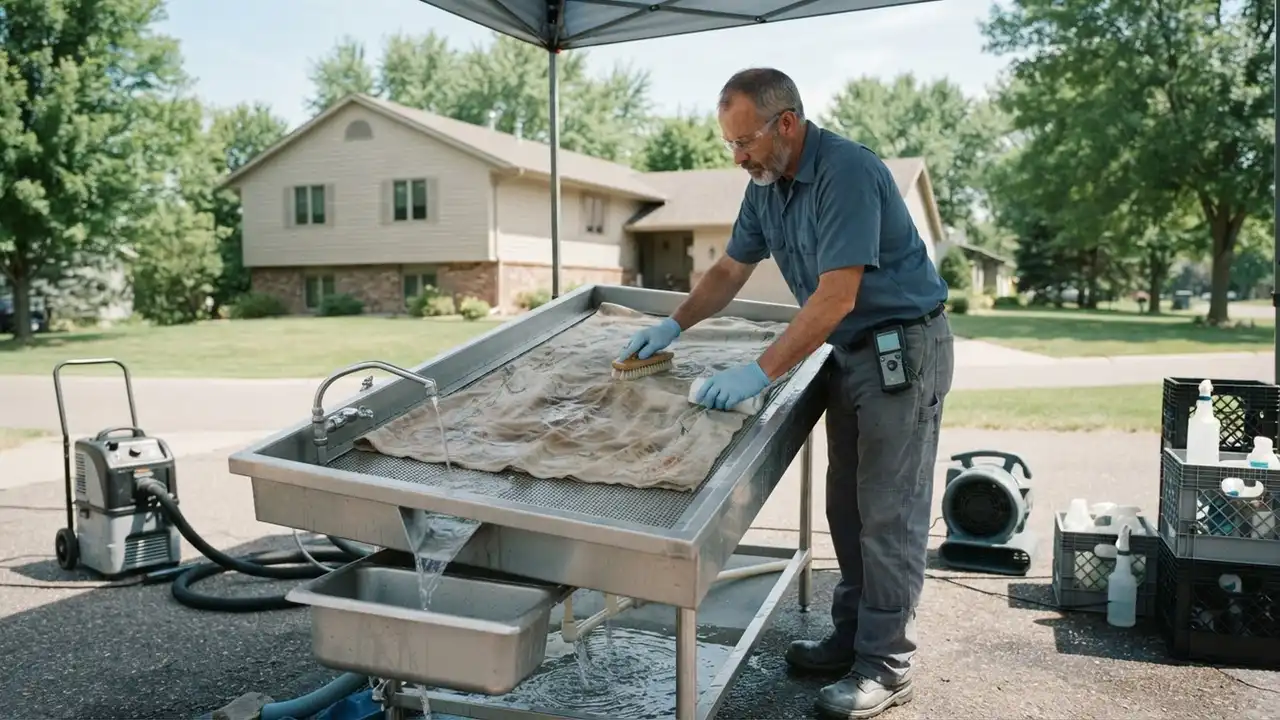
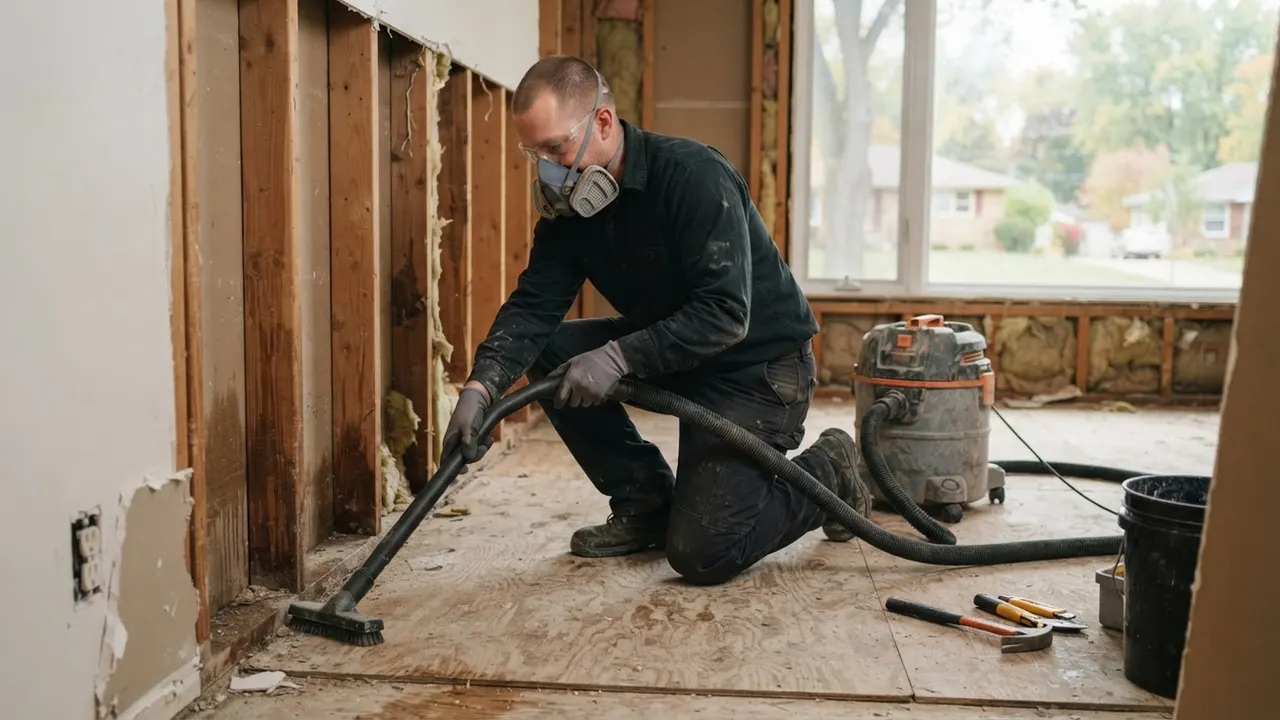
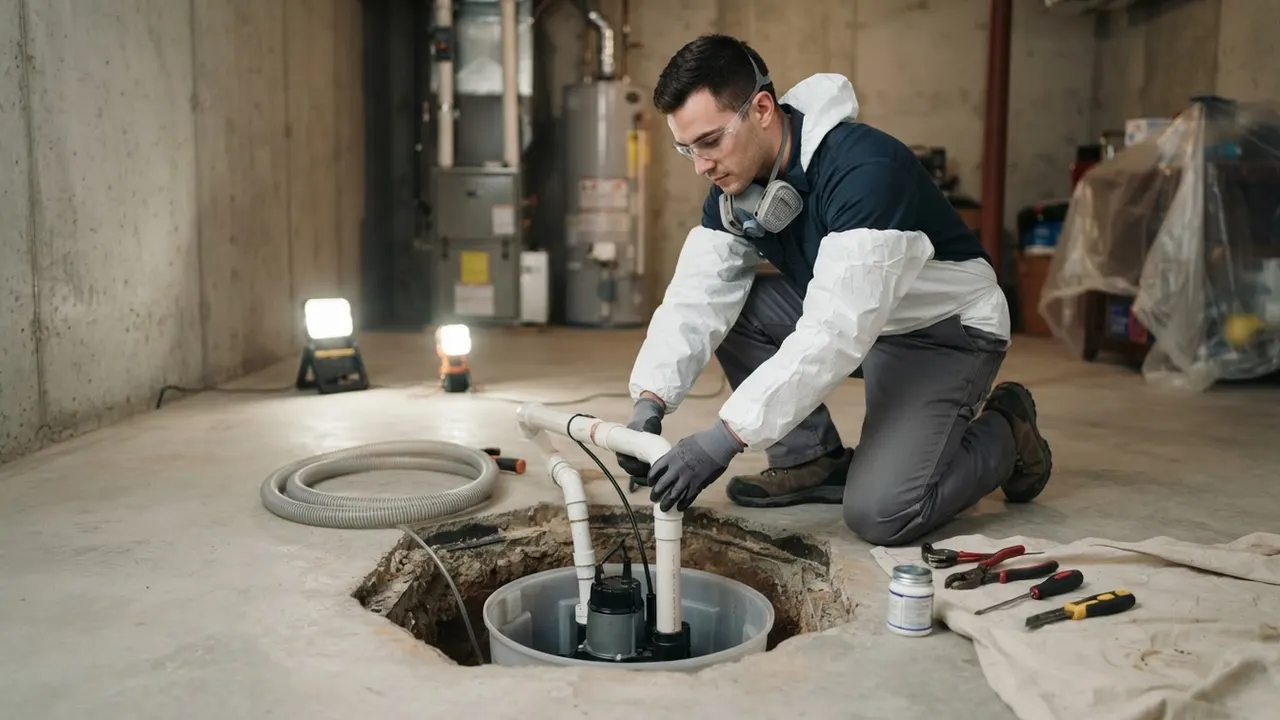
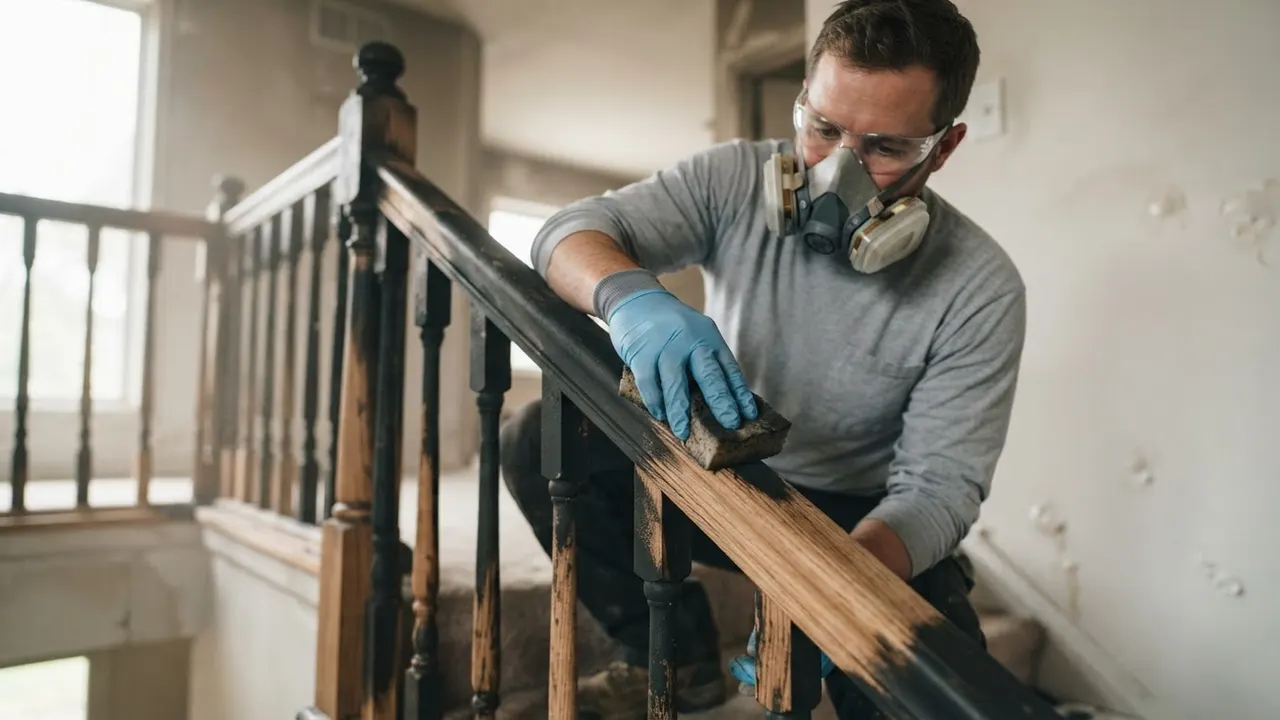
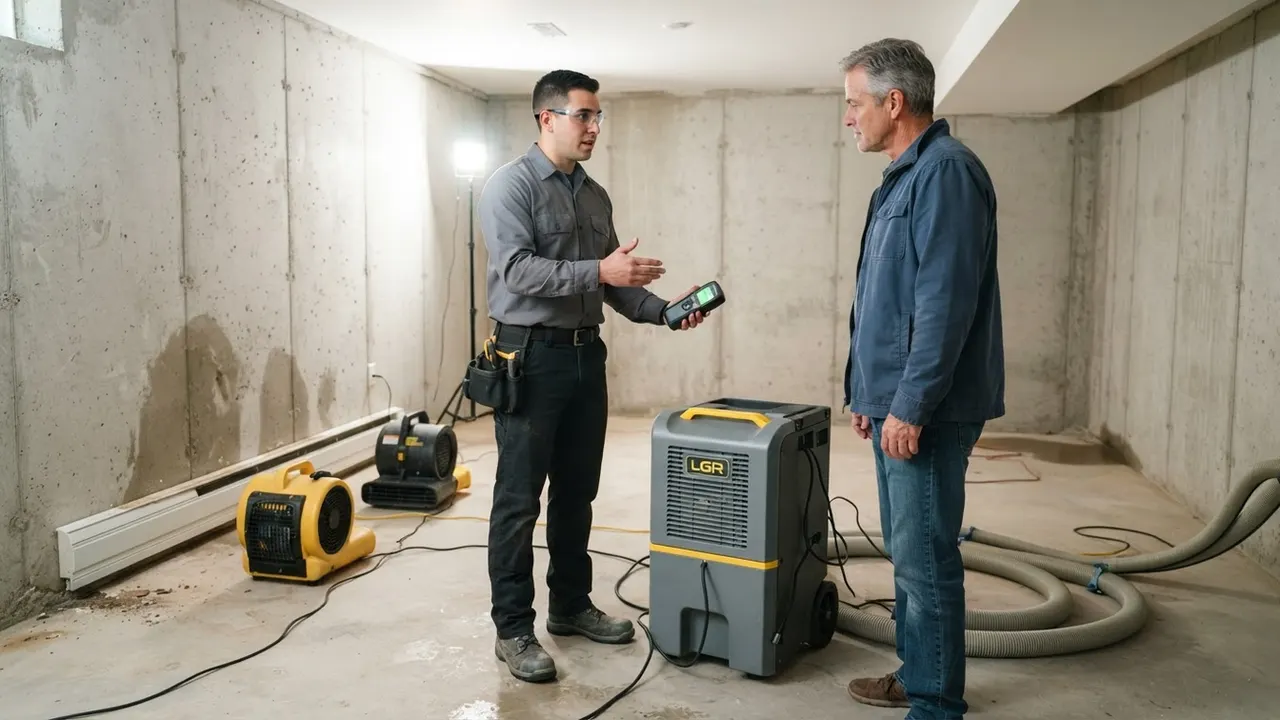
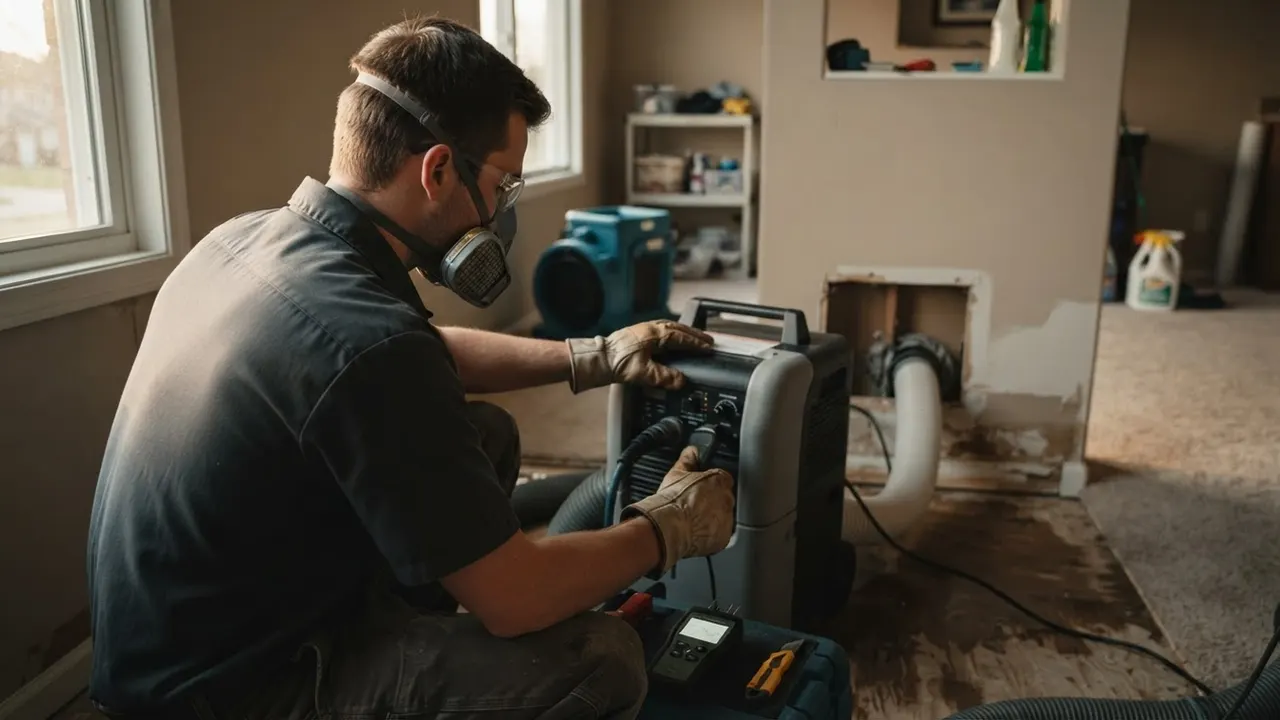
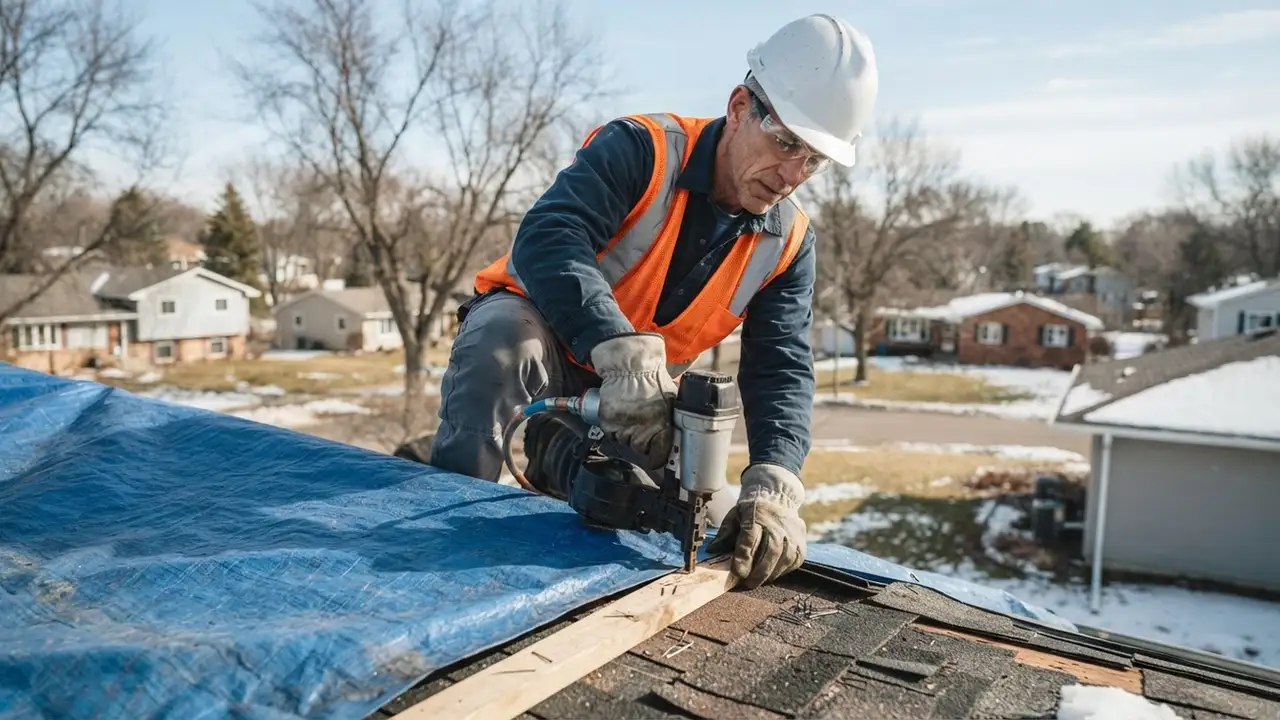
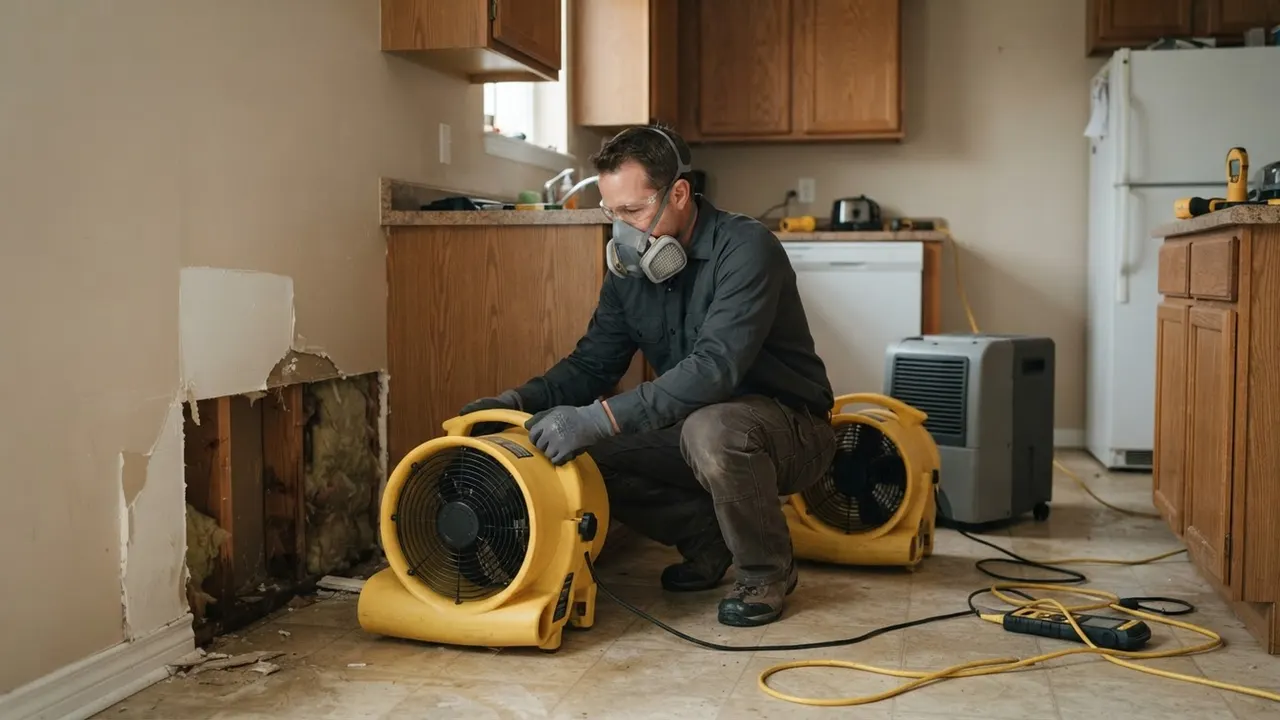
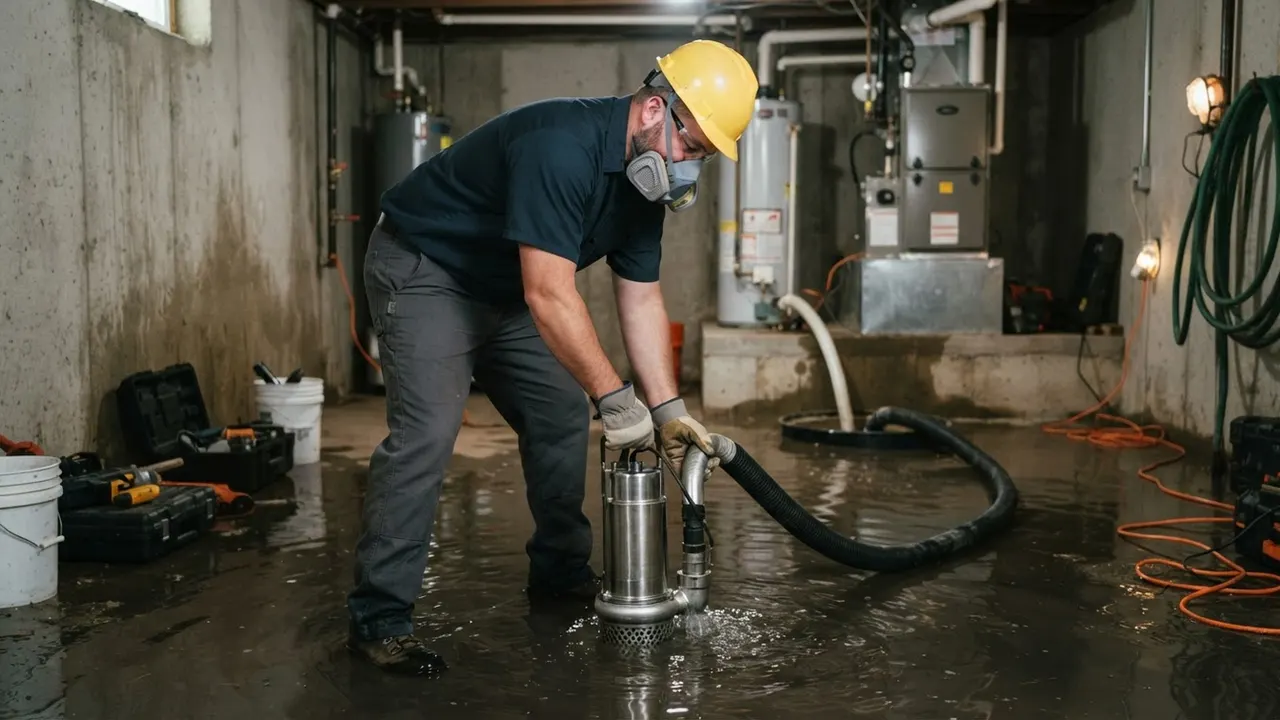
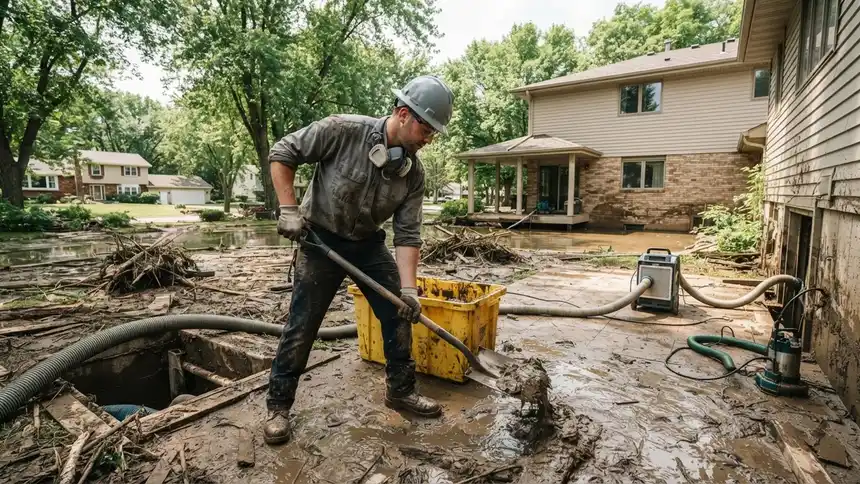
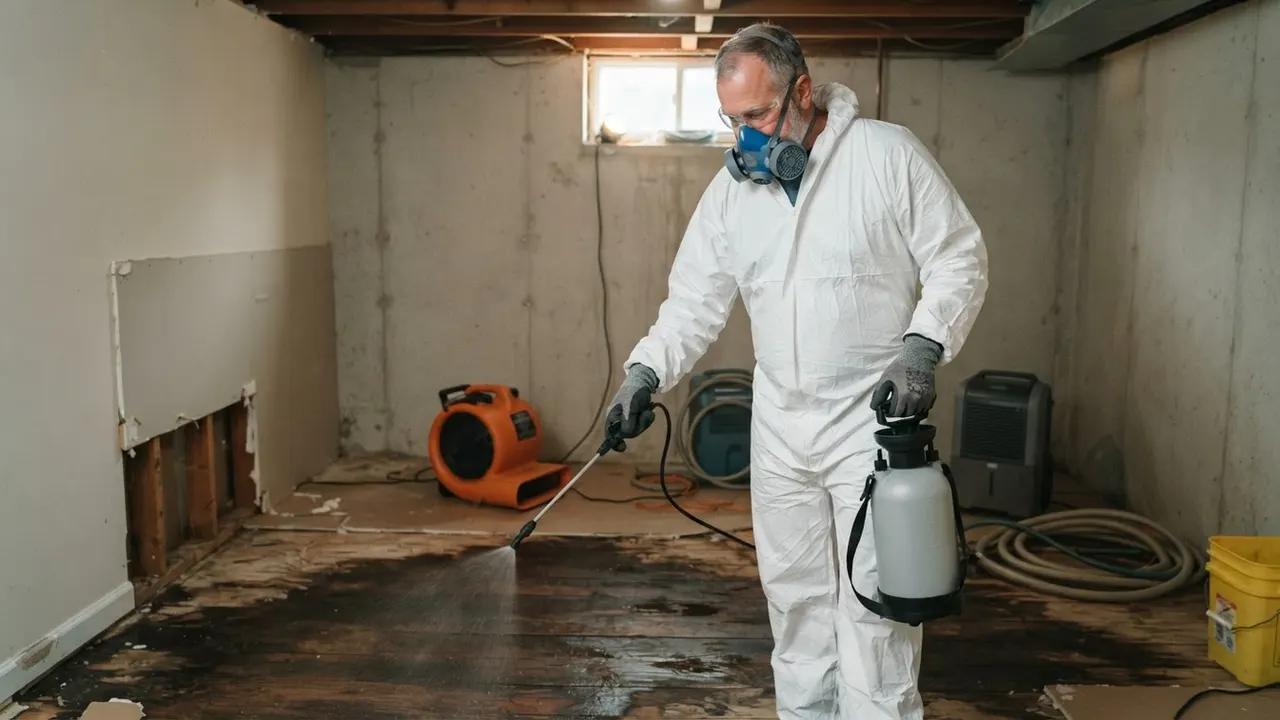
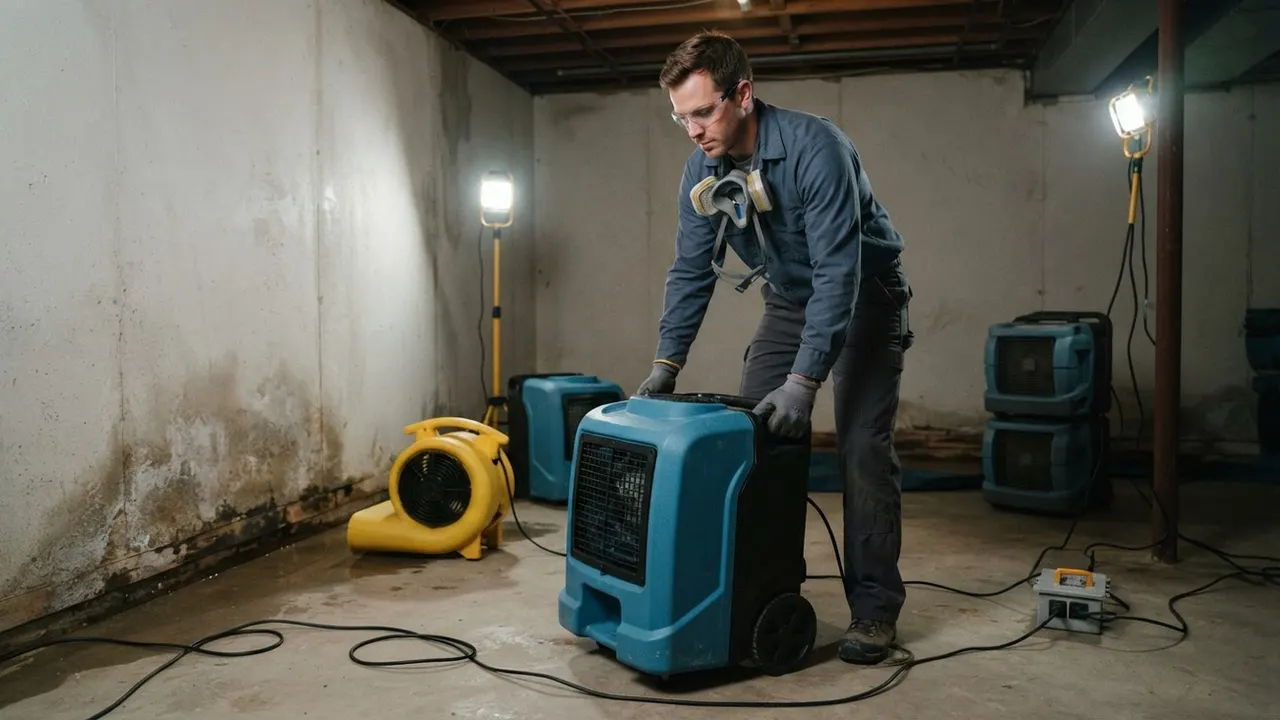
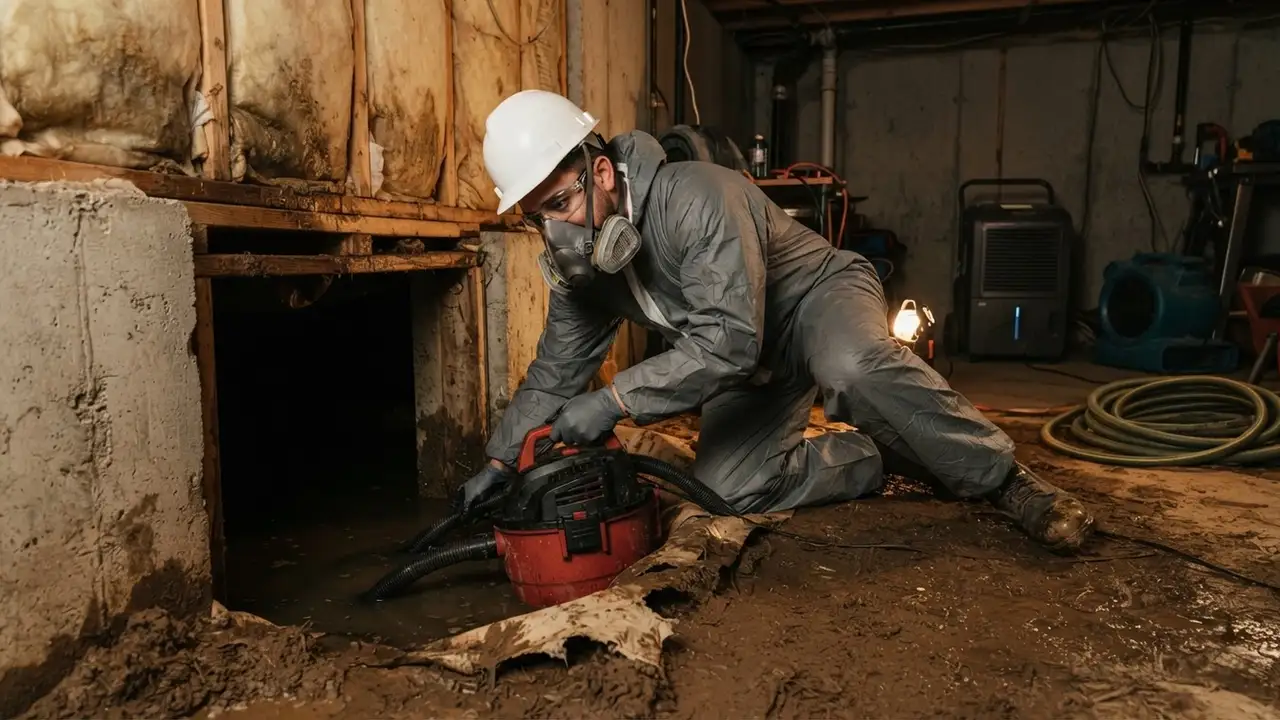
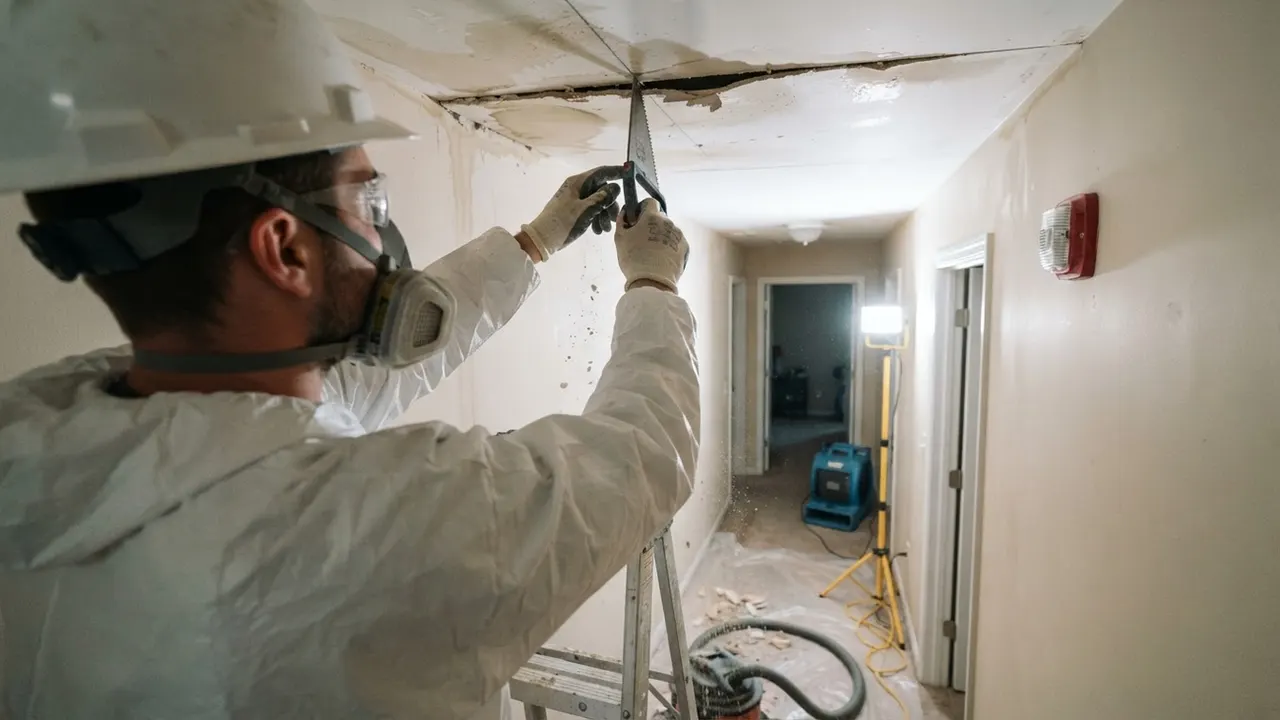
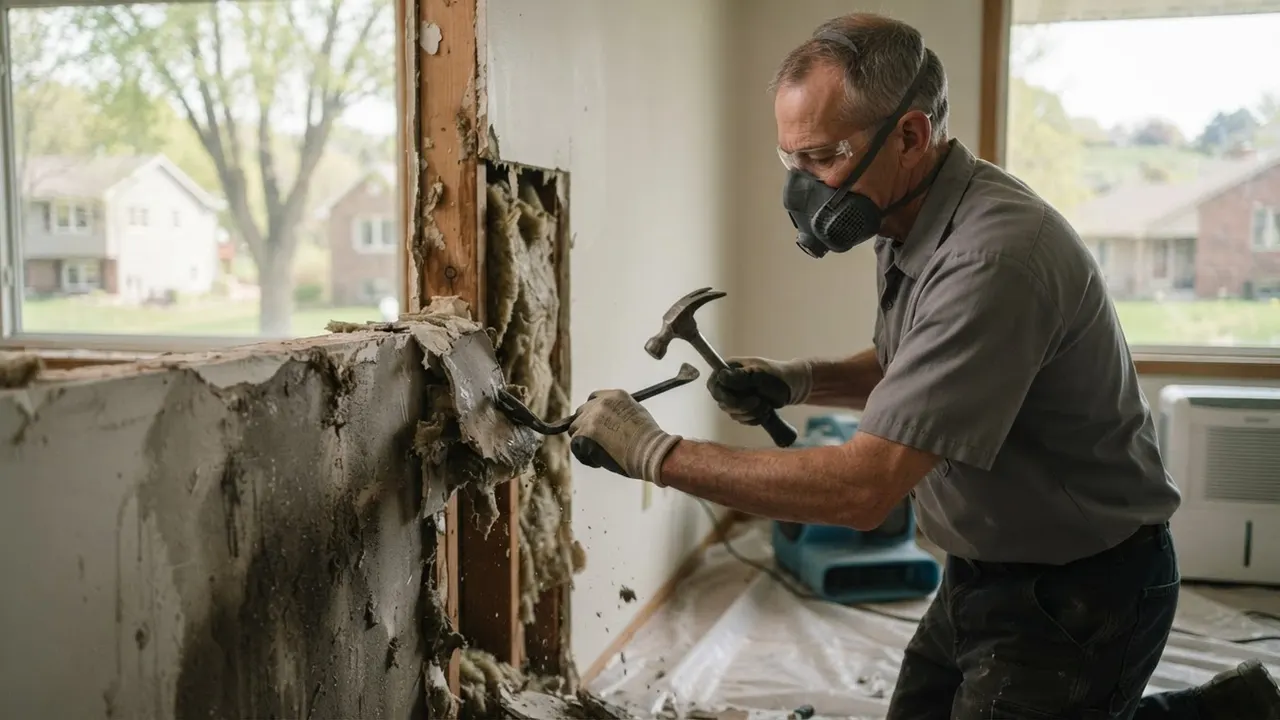
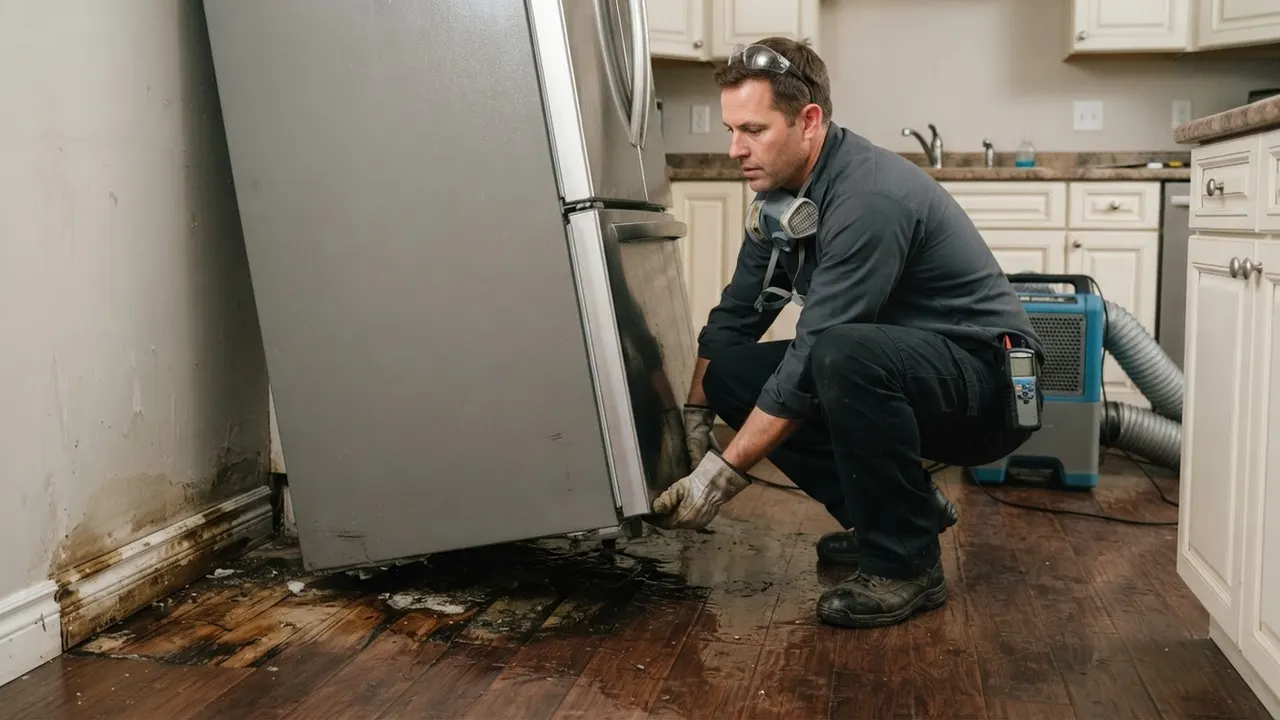
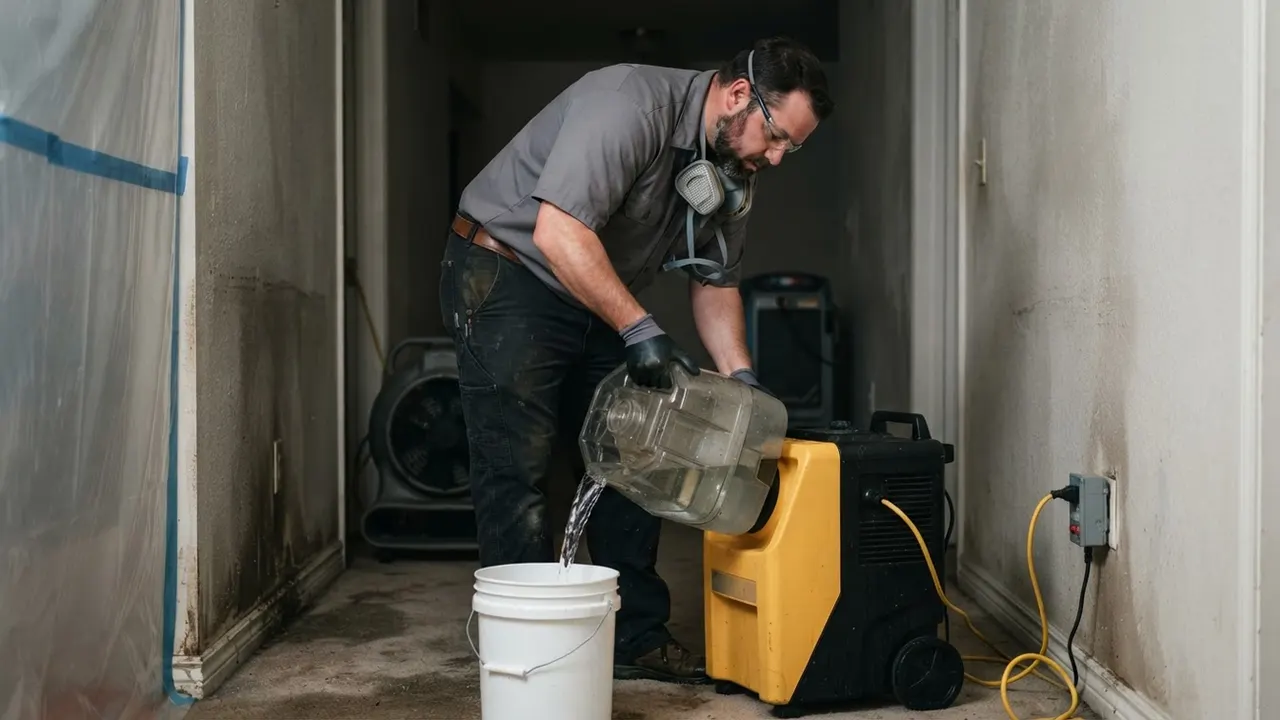
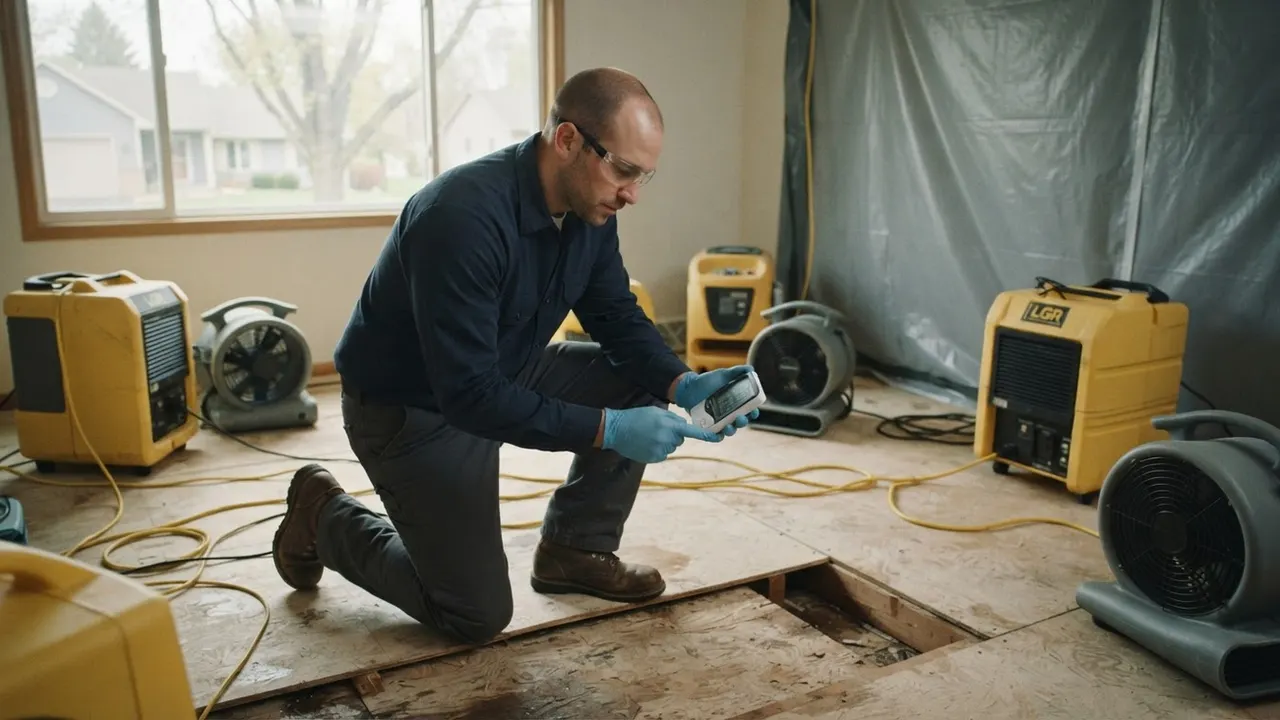
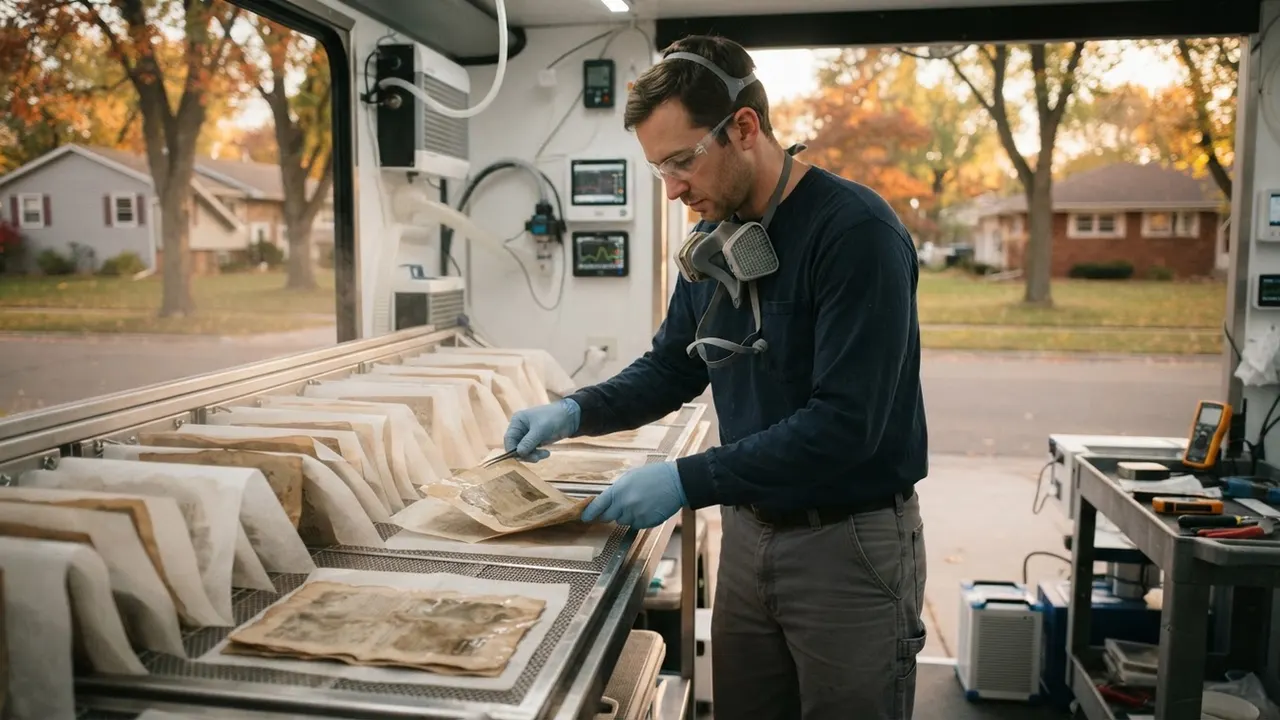
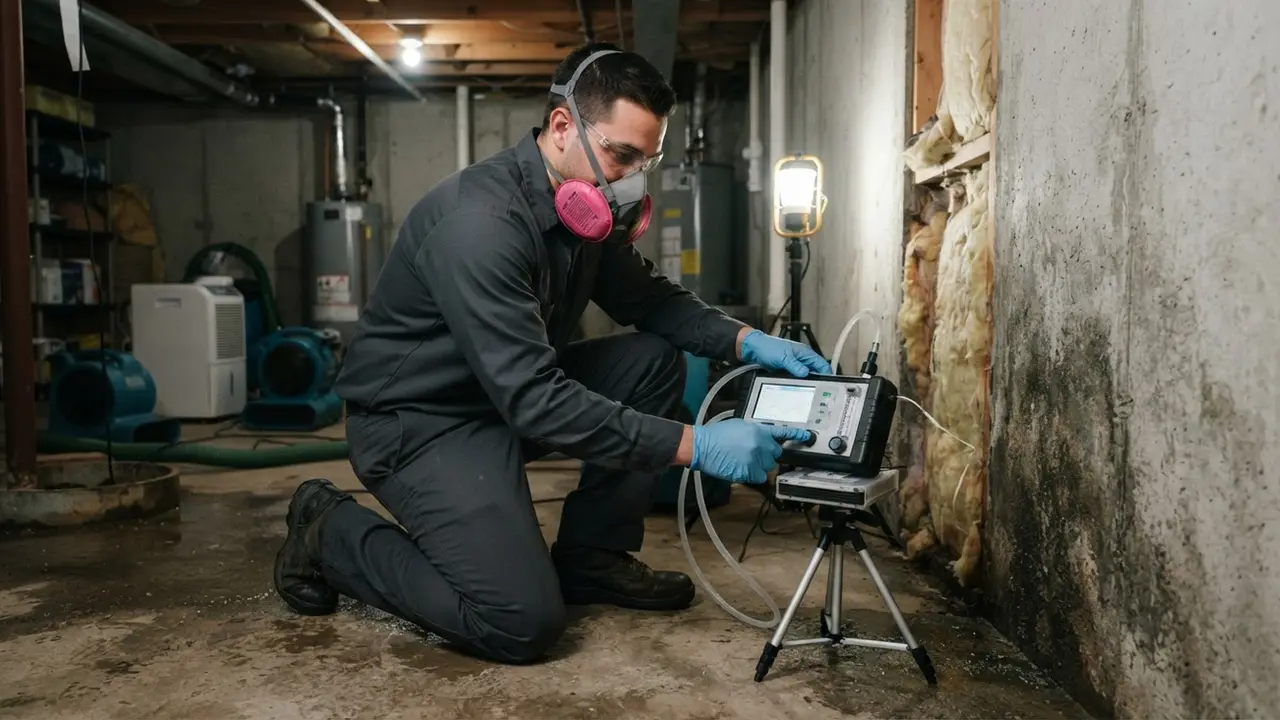
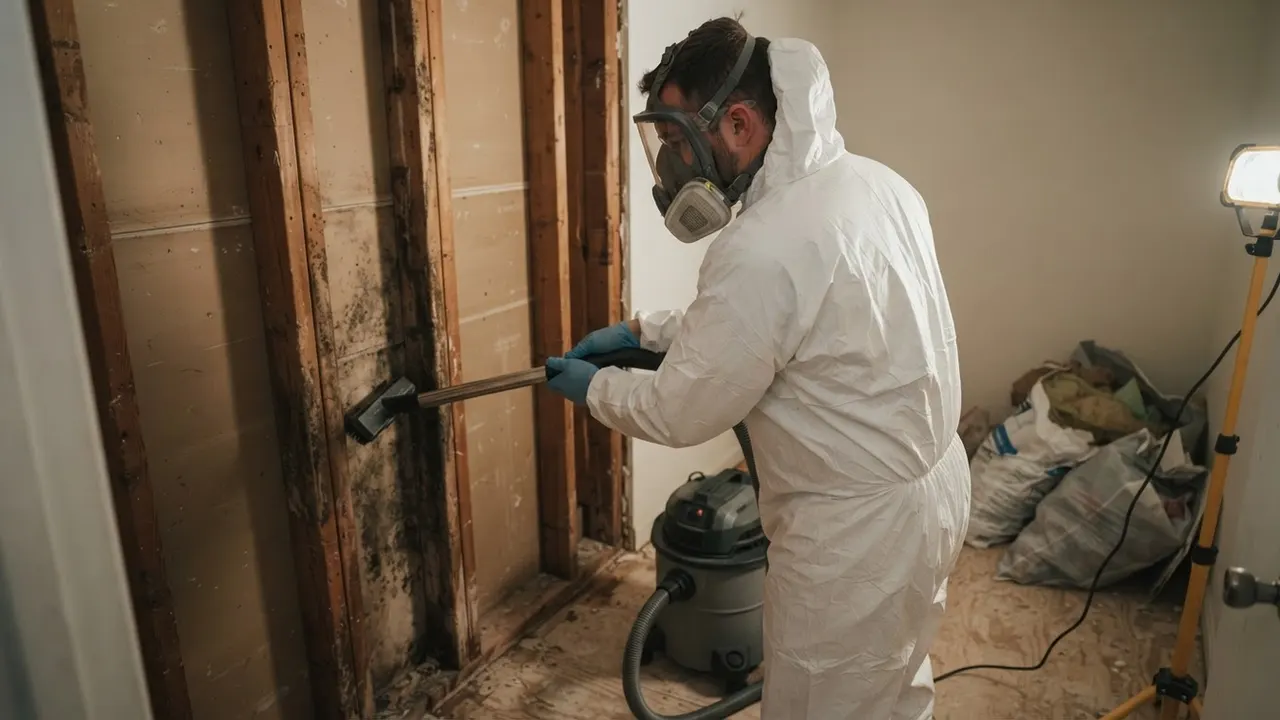
Content cleaning and pack-out services Hopkins MN help homeowners, renters, and local businesses protect belongings after water, fire, or mold damage. Our team inventories affected items, moves salvageable contents to a controlled cleaning area, and documents their condition. Contents pack-out Hopkins MN service can start while structural drying begins, reducing further exposure to moisture, soot, and odor.
Content cleaning and pack-out services cover assessment, inventory, protective packing, appropriate cleaning, organized storage when needed, and return coordination. We identify the condition and handling needs of belongings before choosing a method. Structural repairs, hazardous-material abatement, and specialized restoration beyond the contents work are handled as separate restoration tasks when needed.
Photo Inventory
We photograph affected items and record room or group identifiers before moving them. Condition notes help distinguish pre-existing damage from the visible effects of the event. You receive an organized record that supports item tracking, cleaning decisions, and insurance conversations.
Protective Packing
We wrap fragile property, group similar items, and use suitable packing materials for the contents being moved. Labels connect cartons and furniture to their original rooms. This helps protect belongings in transit and makes the return process easier to manage.
Material-Specific Cleaning
We choose cleaning based on the item and its exposure, such as water, soot, smoke odor, or surface contamination. Hard goods, upholstery, and textiles need different approaches. Items that need a specialist decision are identified rather than treated with a one-method-fits-all process.
Organized Return
After cleaning and the building work are complete, we compare the contents with the inventory and coordinate delivery to the agreed rooms. We identify items that require your review and keep group labels connected through pack-back so you can locate belongings.
Homes and Businesses.
The approach is the same for a home and a business. What changes is the access, the schedule and who needs the paperwork.
For Homes
We help homeowners and tenants protect furniture, clothing, and daily essentials after water or smoke damage. You identify priority items during the room walkthrough.
Basement furniture after flooding
Clothing near a pipe leak
Curtains affected by smoke
For Businesses
We organize contents for business owners and property managers while restoration work continues. You can group priority property by room, department, or tenant.
Stock exposed to a leak
Office equipment near smoke
Furniture in shared spaces
Content Cleaning and Pack-Out Services Hopkins MN
A plain-language look at what Content Cleaning and Pack-Out Services involves and when it is needed.
Content cleaning and pack-out services Hopkins MN is a property recovery service that inventories, protects, removes, cleans, stores, and returns salvageable belongings after a damaging event. We sort items by material and condition, photograph each group, and use appropriate cleaning methods for furniture, textiles, electronics, and household goods. A HEPA vacuum can capture loose particulate, while controlled drying protects items that tolerate moisture removal. We coordinate contents work with building cleanup so your belongings are not returned to a damp or contaminated room.
Hopkins homes and commercial spaces face frozen pipe bursts during Minnesota winters, basement flooding after heavy rain, appliance leaks, roof leaks, and smoke residue after a fire. Items left in wet rooms can absorb moisture and odors while structural drying proceeds. Our Hopkins Minnesota content cleaning services include organized handling and records, with a focus on what can be restored safely. If you are searching for furniture and belongings cleaning after water damage Hopkins MN, we assess the materials and exposure before choosing a cleaning approach.
Inventory, careful handling, and coordinated return keep contents connected to the restoration plan.
What it is
Documenting, moving, cleaning, and returning belongings affected by water, smoke, or other property damage.
When you need it
When contents are exposed, block restoration work, or need cleaning away from the affected room.
What to expect
A room-based inventory, protective packing, cleaning coordination, and organized return.
How the Pack-Out Process Works
Content cleaning and pack-out services in Hopkins follow a clear sequence: assess, record, protect, clean, and return. We explain the next step before handling your belongings, coordinate with structural drying, and keep you informed as each group moves through the process.
Inspect and Sort
We walk the affected rooms with you, identify the source and extent of exposure, and separate items by material, condition, and cleaning needs. A Moisture meter helps assess nearby building materials, while photographs document the starting condition. The initial assessment often takes 30 to 90 minutes, depending on room count and access.
Walk-through
Sort items
Check exposure
Inventory Contents
Our crew photographs and records affected items before packing, using room labels and item groups that make return placement easier. We note visible water, soot, odor, or breakage instead of treating every object as equally affected. For a one-room loss, inventory may take several hours; larger homes require more time.
Photograph
Record condition
Label groups
Pack and Protect
We wrap fragile items, use suitable cartons, and protect furniture before moving contents out of the work area. Your essentials can be identified for separate handling so you retain access to medications, work devices, or daily-use items. We keep walkways clear and coordinate removal with water extraction or fire cleanup.
Wrap contents
Protect route
Move safely
Clean and Store
Items are cleaned according to their material and the type of residue, then dried and checked before storage or return. A Dehumidifier supports controlled drying for suitable contents, while textiles and hard goods receive different treatments. Cleaning time ranges from one day for limited contents to multiple days for extensive losses.
Clean by material
Coordinate drying
Track status
Check and Return
Before pack-back, we compare item groups with the inventory, review completed cleaning, and coordinate return with the building's readiness. We place labeled contents in the agreed rooms and flag any item that needs your decision. You receive a final record so the transition back into the space is organized.
Compare inventory
Return by room
Review items
Tools and Cleaning Methods
Move across a circle, or focus it and press Enter, for an illustrative thermal view of the photograph.
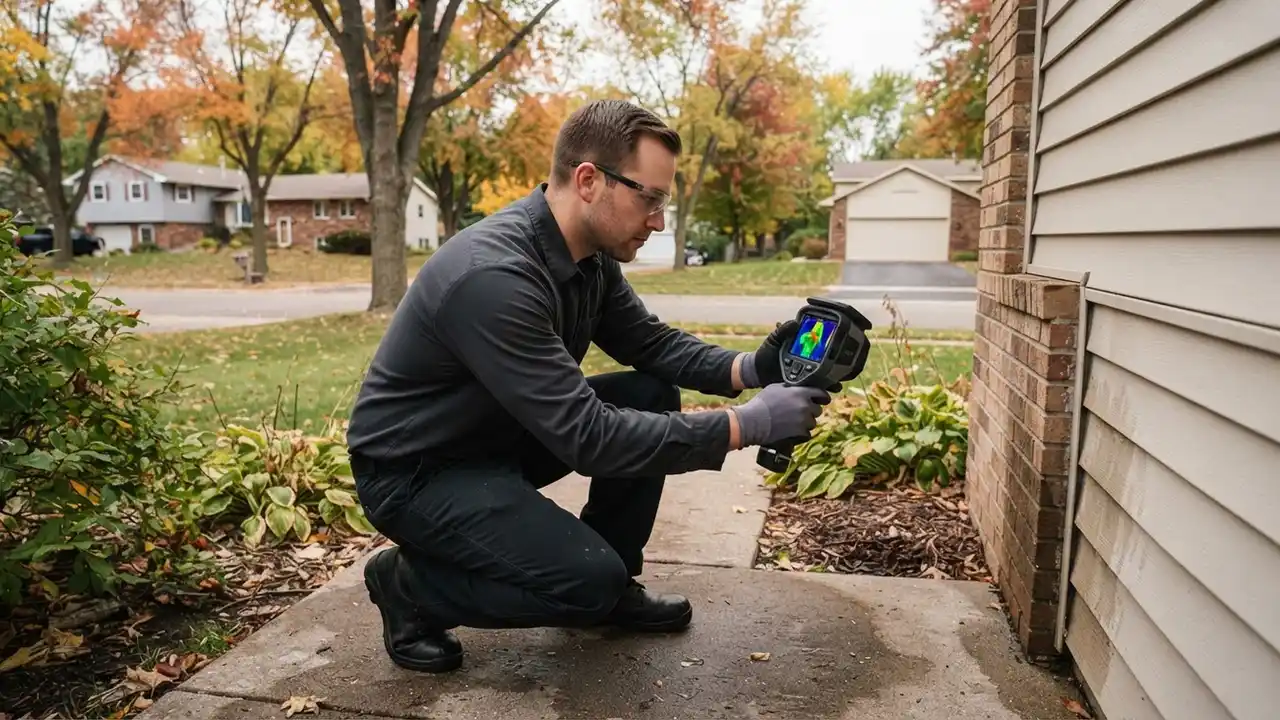
Thermal Imaging Camera
We use thermal imaging to help locate temperature patterns that may indicate hidden moisture behind a surface. It guides further inspection; readings are confirmed with suitable measuring methods.
Moisture Meter
A moisture meter checks selected building materials near affected contents. These readings help coordinate item movement and return with the drying condition of the room.
HEPA Vacuum
A HEPA vacuum captures fine dry particulate from suitable surfaces when the cleaning plan calls for controlled removal. It is not used as a substitute for material-specific treatment.
Negative Air Machine
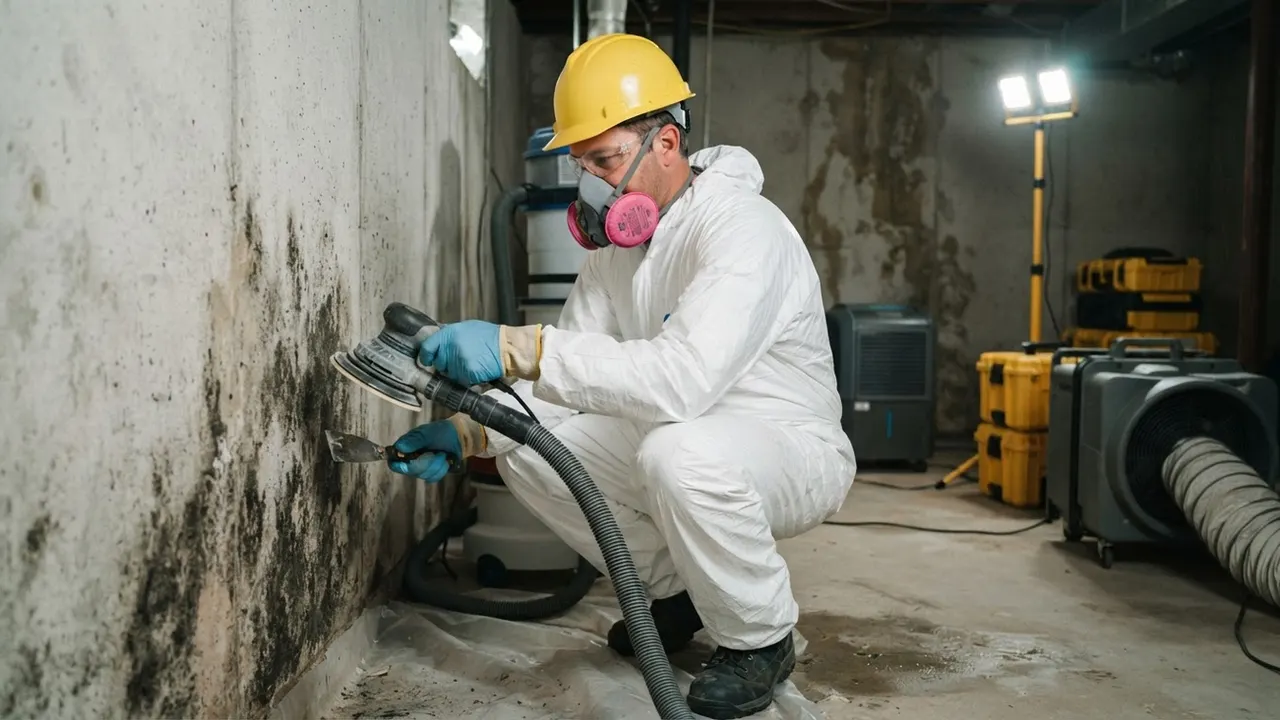
A Negative air machine can support containment during appropriate remediation work by directing air through filtration. We coordinate its use with the work area and the contents handling plan.
Dri-Eaz
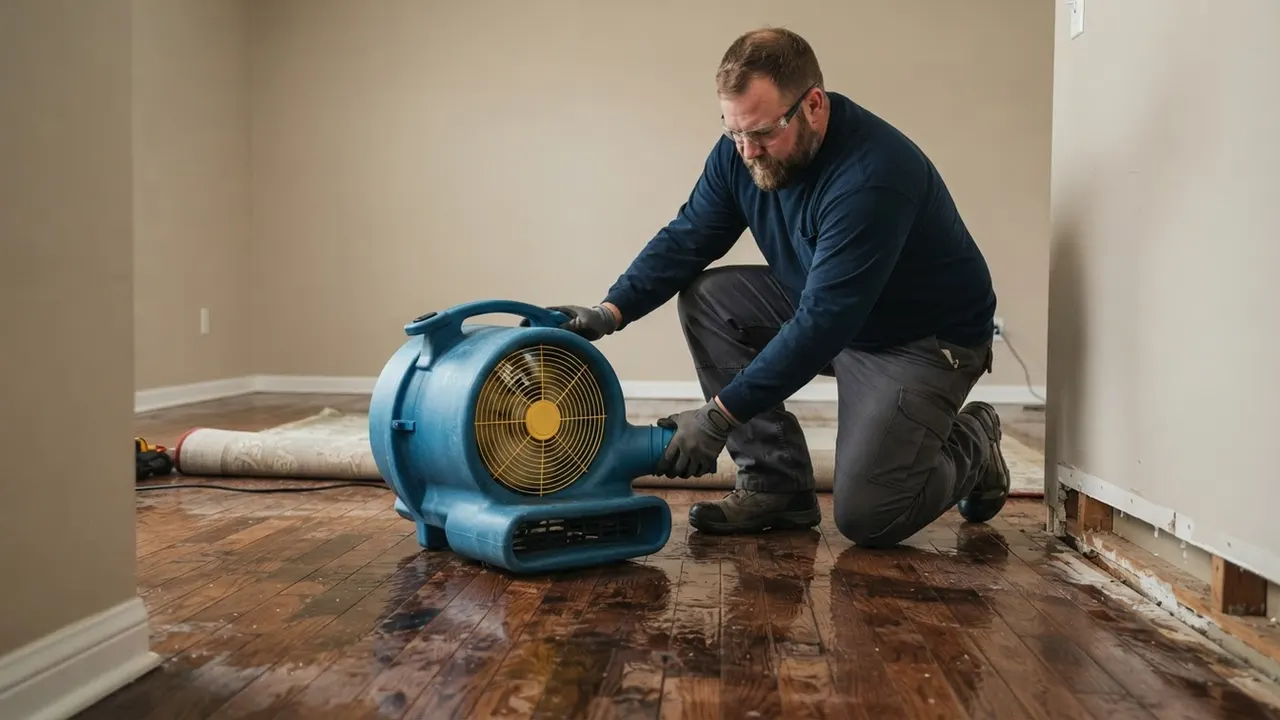
Dri-Eaz equipment supports drying operations for suitable building areas and contents. We coordinate equipment placement with access routes and the items being inventoried or cleaned.
Thermal views are illustrative, generated from the photographs.
Methods
Room-Based Inventory
We record contents by room or practical item group, photograph visible conditions, and label packed property consistently. This method keeps the original location connected to the cleaning and return process. You can identify priority items during the walkthrough, and our crew can track them without relying on memory.
Source-Specific Cleaning
Water, soot, and microbial concerns require different handling. We first identify the exposure and the item's material, then select a suitable cleaning path or flag the item for specialist review. This avoids applying one treatment to every surface and helps keep unlike conditions separated.
Controlled Drying Coordination
We coordinate contents work with room drying and moisture checks. Fans and Dehumidifiers support structural drying where appropriate, while movable belongings stay clear of wet work zones. Before return, we check that the room is ready for contents rather than placing cleaned items back into active restoration conditions.
When to Arrange Contents Pack-Out
Frozen Pipe
A frozen pipe bursts overnight in a Hopkins home, wetting bedroom furniture and stored clothing.
We document affected items, move salvageable contents away from active water and drying equipment, and keep room labels attached. We coordinate the pack-out with water removal and structural drying, prioritizing belongings that are wet or needed for daily use.
Outcome: Your contents are separated from the wet room, recorded for tracking, and ready for cleaning decisions while repairs proceed.
Basement Flooding
A basement floods after heavy rain, leaving furniture and storage cartons close to standing water.
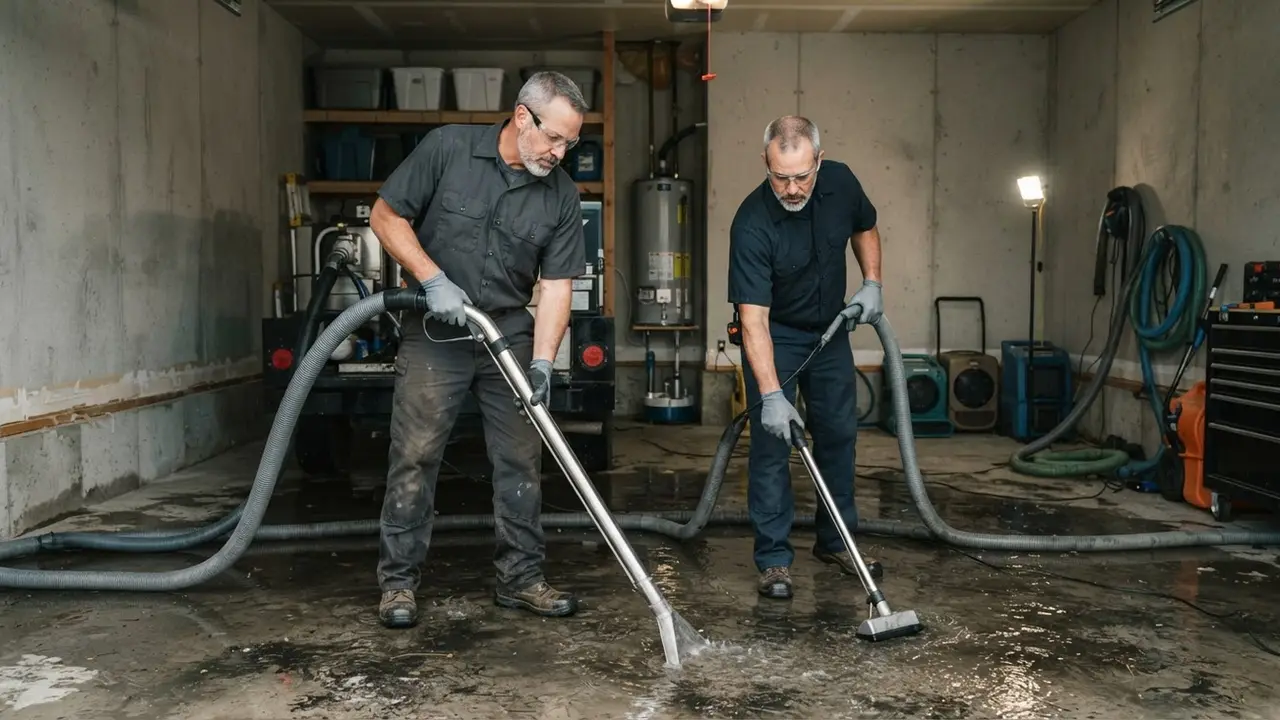
We assess water exposure, photograph affected groups, and organize safe removal from the basement work area. Items are sorted by material and condition, then cleaning is coordinated with extraction and drying so contaminated or damp belongings are not mixed with unaffected property.
Outcome: The basement becomes more accessible for cleanup, and you have a clear record of the contents moved for treatment.
Kitchen Fire
A small commercial kitchen fire leaves smoke residue on nearby stock, chairs, and office equipment.
We inventory the affected business contents and separate soot-exposed goods from clean property. The team uses material-specific handling and coordinates cleaning with smoke cleanup and deodorization. We can organize priority items by department or room to make the eventual return easier.
Outcome: You gain a traceable contents list and a practical route for cleaning, review, and return to the business space.
Roof Leak
A roof leak in an upper-floor Hopkins unit wets rugs, a bookcase, and household electronics.
We photograph visible exposure, move salvageable items away from active drips, and protect the route through the home. Our team groups items by cleaning needs while roof and interior repairs proceed, noting electronics or documents that need specialized evaluation.
Outcome: Belongings are removed from ongoing exposure, and the inventory helps you track their condition through restoration.
Downtown HopkinsBlake RoadMainstreet
How Contents Work Runs in Hopkins
Hopkins properties include older homes with finished basements, multi-unit buildings, and commercial spaces where access routes and shared areas matter. During Minnesota's November-to-winter freeze cycle, a frozen pipe can affect contents before morning; spring rain can bring basement flooding, while summer storms can expose furniture to roof leaks.
We plan the inventory and pack route around stairs, narrow halls, parking access, and building use. In Hennepin County, we coordinate contents work with the condition of the structure and the restoration plan rather than returning belongings into damp or actively cleaned rooms. Contents pack-out Hopkins MN includes item records and material-specific handling.
If you need pack-out and content restoration near me Hopkins, tell us whether water, soot, odor, or suspected mold is involved and which items matter most. We serve homes and businesses near ZIP codes 55343 and 55305, including properties along Mainstreet and the Blake Road Corridor.
Downtown Hopkins: Older homes and multi-unit properties can have narrow access routes. We plan item movement and protect shared halls while keeping room labels with each packed group.
Blake Road: Basement storage and finished lower levels need clear separation between wet contents and the structural drying area. We document items before moving them.
Mainstreet: Commercial contents may need sorting around business operations and shared entrances. We group property by room or department to simplify cleaning and return.
Shady Oak: A sudden pipe leak can affect multiple rooms before it is found. We prioritize wet contents and coordinate movement with extraction and drying.
Freezing temperatures raise the risk of sudden pipe leaks in winter: A burst line can soak contents quickly and make safe access difficult around wet floors. We prioritize the affected rooms, document items, and coordinate movement with water removal and structural drying.
Spring rain can raise basement moisture and flood stored belongings: Stored cartons, furniture, and textiles may sit close to the floor, where water collects first. We sort contents by exposure and material, then keep salvageable items clear of the cleanup area.
We walk affected rooms and explain the contents handling sequence.
We protect the route and organize belongings by room.
We review item status and coordinate return after drying.
From Problem to Finished Result.
IllustrativeThe thermal view is generated from the photograph. It is not a measurement. Drag the handle, or use the arrow keys once it is focused.
Basement Pipe Leak Recovery
Before: A burst pipe left water across a finished basement, with a sofa, area rug, and 14 cartons exposed near the wet wall. Some cartons were damp at the base, and the family could not tell which items had been photographed or moved. Drying equipment needed access to the room.
After: We recorded the affected contents, grouped the 14 cartons by condition, and moved salvageable items out of the drying path. The sofa and rug were assessed separately. The family received a room-based inventory and could identify priority belongings while the basement work continued.
Keep storage cartons on raised shelving rather than directly on the floor, and check the basement after heavy rain. If you find water, photograph the area and move only items that are safe to handle.
Kitchen Smoke Contents Cleanup
Before: A kitchen fire left soot on nearby dining chairs, curtains, and household goods in two rooms. Smoke odor remained after the visible residue was noticed, and wiping the furniture risked spreading the soot. The family needed the affected contents separated from clean property.
After: We photographed and grouped the contents by room and material, then arranged appropriate cleaning for the chairs and curtains. Clean and affected goods remained separate during the work. The inventory identified 23 item groups for review and made return placement easier.
After a fire, avoid wiping dry soot or running fans through affected rooms before cleanup planning. Keep doors between affected and clean areas closed when safe, and note which belongings need urgent attention.
Roof Leak Furniture Protection
Before: A roof leak wet a bookcase, two rugs, and several boxes in an upper-floor room during a storm. The household had moved some items but had no room labels or record of visible damage. More rain was possible before repairs were complete.
After: We photographed the affected groups, moved salvageable contents away from the leak area, and marked each packed group with its original room. The household could track the rugs, bookcase, and boxes while interior drying and roof repair proceeded.
Check ceilings and upper-floor rooms after storms, especially near previous leak areas. Move belongings away from an active drip only when the route is safe, then report new water promptly.
Solve Common Hopkins Contents Problems
Content cleaning near me Hopkins Minnesota searches often begin after belongings have been exposed to water, smoke, or persistent dampness. We help you sort urgent risks from items that can wait, protect salvageable property, and coordinate contents work with cleanup of the affected rooms.
Wet basement contentsFurniture and boxes remain in a wet basement after floodingContinued moisture can swell wood, stain fabric, and create odor in stored belongings. Items can also obstruct extraction and slow access to wet walls. We photograph and sort the contents, then move salvageable items out of the wet work zone. We keep labels tied to their original locations and coordinate cleaning with extraction and drying. Items with contamination or visible deterioration receive separate handling decisions, so your basement can be cleared without losing track of what was removed.
Smoke odorSmoke odor lingers on upholstery after a kitchen fireSmoke residue can cling to porous materials and spread odor into adjacent rooms. A quick wipe may smear soot or leave the source embedded in fabric. We assess the affected upholstery and household contents before selecting cleaning or deodorization. Items are separated from unaffected belongings, photographed, and handled according to material and residue. We coordinate the contents work with fire cleanup so treated items do not return while smoke residue remains in the room.
Mold work exposureStored belongings are exposed during mold remediationBoxes and furniture near affected materials can collect dust or odor during disturbance. Returning them before the room is ready can undo cleaning work. We identify contents near the work area and coordinate their movement with containment and remediation. Our crew keeps affected and cleaned groups distinct, records their location, and plans return after the room is ready. This supports a more controlled transition for your belongings and the treated space.
Untracked belongingsA rushed move leaves household items untrackedUnlabeled cartons make it difficult to locate essentials, confirm what was removed, or place items correctly after repairs. That confusion adds work during an already disruptive loss. We create room-based records, photograph item groups, and label cartons before they leave the property. Priority belongings can be identified during the walkthrough. During pack-back, the same identifiers help us return items to the intended rooms and flag anything requiring your decision.
Keep More Belongings in Use
Your belongings stay documented, protected, and connected to the restoration plan.
Reduce Secondary Damage
Moving dry or salvageable items away from a wet room limits continued exposure while extraction and drying proceed. We label each item or grouped carton and track its location, so you can identify what was removed and where it is being handled. For an active leak, the first hours matter: isolate affected contents as soon as access is safe.
Restore Instead of Replace
Cleaning is selected according to the item, soil, and damage source rather than applying one method to everything. We assess upholstery, wood, hard surfaces, and household goods separately. Hopkins Minnesota content cleaning services can help preserve useful belongings, while documentation supports an informed decision when an item is not suitable for restoration.
Protect Clean Areas
We use protective coverings and organized handling to reduce cross-contamination between affected and unaffected rooms. Plastic sheeting can separate work zones, and a Negative air machine may help control airborne particles during appropriate remediation work. Your household can keep essential items accessible while the affected contents are inventoried and cleaned.
Track Every Item
An inventory with photographs and condition notes creates a practical record for your household and insurance claim. We group similar belongings, mark cleaning status, and note items requiring additional review. That process reduces confusion during pack-back and helps you compare the returned contents against the original room-by-room record.
What You Receive
Clear records you can keep and share.
Photo Log
Images of affected contents and condition.
Item Inventory
Room-based record of packed groups.
Handling Notes
Cleaning and review status for items.
Return List
Record of contents placed back by room.
Cleaning and Structural Drying Differ
Contents cleaning treats belongings; structural drying addresses moisture in the building. Both need coordination before pack-back.
Contents Care
Movable property is inventoried and handled by material and exposure.
Furniture and textiles
Household goods
Item tracking
Building Drying
Affected surfaces and materials are checked and dried separately.
Walls and floors
Moisture checks
Equipment placement
Return Planning
Clean belongings go back after the room is ready.
Room readiness
Inventory comparison
Placement coordination
Common Materials
Upholstery
Wood
Textiles
Hard goods
Cartons
Electronics
Documents
Household items
Service ZIP Codes.
A list like this tells people straight away whether you cover their street. Not listed? Call and ask: it only takes a minute.
A pipe leaked into our basement and soaked several boxes, a chair, and a rug. The crew photographed everything before packing and marked the cartons by room. They explained which items needed more review and kept the inventory easy to follow. Once the basement was dry, the returned items were placed where we asked.
Smoke from a kitchen fire reached the living room and left an odor on the curtains and upholstered chairs. The team separated those items from clean belongings and documented the condition before moving them. We appreciated knowing what was being cleaned and what needed a separate decision. The organized return made the room easier to put back together.
A water leak affected a tenant's contents and part of a shared hallway. The crew protected the route, labeled the packed groups, and coordinated their work with drying in the unit. Their photos helped us track the affected property and communicate with the tenant. The process kept access to the building clearer while repairs continued.
Questions About Contents Recovery
Cost depends on item volume, cleaning needs, packing materials, storage duration, and access. We review the affected rooms and explain pricing upfront before work proceeds. Insurance coverage and deductibles vary by policy, so keep the inventory and photographs for your claim discussion.
A contents pack-out is the documented removal of belongings from a damaged area for cleaning, protection, and later return. We photograph and inventory items, group them by room, wrap or box them appropriately, and coordinate cleaning with structural restoration. It is useful when water, smoke, or contamination makes a room unsafe or unsuitable for storing belongings. Contents pack-out Hopkins MN helps keep salvageable property separate while repairs continue.
We provide photographs, item records, and work documentation that you can share with your insurer. Ask your adjuster how your policy treats cleaning, pack-out, and storage. Our team can explain the services performed, but your insurer makes the coverage decision.
Choose a company that inventories belongings, explains its cleaning methods, and coordinates contents work with building restoration. Ask how items are labeled, photographed, and returned, and whether the crew separates water, soot, and microbial concerns. If you are comparing content cleaning and pack-out services in Hopkins MN near me, call (833) 546-4116 and tell us what happened, which rooms are affected, and what items need attention first.
If water, smoke, or mold has affected your belongings, call Hopkins Water Damage Company at (833) 546-4116. We will ask what happened, which rooms are affected, and what items need attention first. Our team explains the next step and coordinates contents handling with restoration.
Call Hopkins Water Damage Company at (833) 546-4116 to describe a leak, fire, mold concern, or basement water problem. We connect you with independent companies serving Hopkins, Minnesota, including ZIP codes 55343 and 55305. Tell us the property type, affected area, and whether the source is still active so the provider can understand what help you need.